

The japan tourist tax, officially known as the Departure Tax (or Tourism Tax), is a fee that travelers must pay when leaving Japan. If you’re planning a trip to Japan or are a frequent international traveler, understanding this tax is essential for budgeting and avoiding surprises at the airport.
Table of Contents
What Is Japan Tourist Tax?
The japan tourist tax is a mandatory international departure fee that Japan collects from travelers leaving the country by air or sea. This tax went into effect in January 2019 and applies to both Japanese citizens and foreign visitors. Think of it similarly to how many countries charge departure fees—it’s a standard revenue collection mechanism for governments managing international travel infrastructure.
Unlike income taxes or sales taxes you might encounter in the US (like the sales tax in Austin, Texas or Mass sales tax), this is a one-time fee tied specifically to leaving Japan. The funds generated go toward tourism promotion and infrastructure improvements at airports and seaports.
Departure Tax Rates Explained
As of 2024, the japan tourist tax rate is straightforward: 1,000 yen (approximately $7-8 USD) per person. This is a flat fee with no variations based on your travel class, destination, or length of stay. Whether you’re flying business class to New York or economy to Seoul, you’ll pay the same amount.
The tax applies to:
- All international flights departing Japan
- International cruises and ferry services leaving Japanese ports
- Both inbound and outbound travel (though most travelers only notice it on departure)
At current exchange rates, this works out to roughly 7-9 USD or 6-8 EUR, making it one of the more affordable departure taxes globally. For context, countries like countries with no personal income tax often compensate with higher travel-related fees.
Who Pays Japan Tourist Tax?
Everyone leaving Japan internationally must pay the departure tax—there are very few exceptions. This includes:
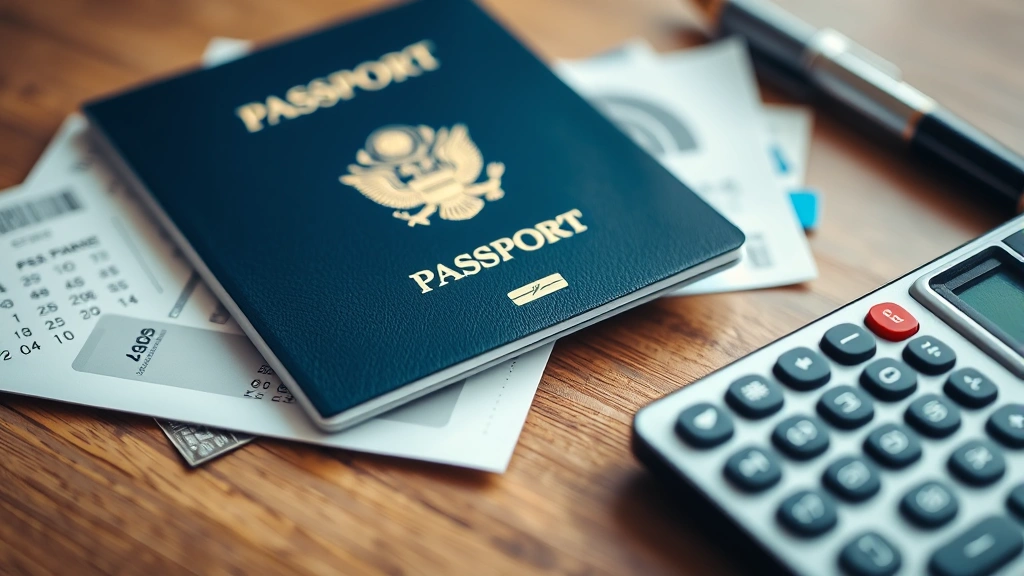
- Foreign tourists and business travelers
- Japanese citizens returning home
- Expats and long-term residents
- Children (though infants under 2 years old are typically exempt)
The tax is collected regardless of your visa status or how long you’ve stayed in Japan. A two-week tourist and a person relocating after five years both pay the same 1,000 yen fee. This universality is actually simpler than many countries’ tax systems, where US foreign tax bills can vary dramatically based on citizenship and residency status.
When to Pay Departure Tax
You’ll pay the japan tourist tax at the airport or seaport when checking in for your international flight or cruise. The payment happens automatically—most airlines and cruise operators integrate it into your ticket purchase or collect it at the gate. You won’t have a separate “tax payment” step in most cases.
Timing considerations:
- Advance payment: Many airlines let you pay online during booking, which is the smoothest approach
- At the airport: If not prepaid, you’ll settle it at the departure counter before boarding
- Payment deadline: You must pay before passing through immigration/security for your departure
Pro tip: Check your airline’s website before arriving at the airport. Some carriers automatically include the tax in your ticket price, while others charge it separately. This prevents confusion and delays.
Tax Exemptions & Exceptions
While the japan tourist tax is nearly universal, a few narrow exemptions exist:
- Infants under 2 years: Babies not occupying a seat are exempt
- Transit passengers: If you’re passing through Japan without leaving the airport (same-day connection), you may not pay the tax, though this depends on your airline and specific routing
- Diplomatic personnel: Some government officials and embassy staff have exemptions
- Crew members: Airline and ship crew working the flight/voyage are typically exempt
If you believe you qualify for an exemption, bring documentation (passport, birth certificate, diplomatic credentials) to the airport. The burden is on you to claim it before payment.
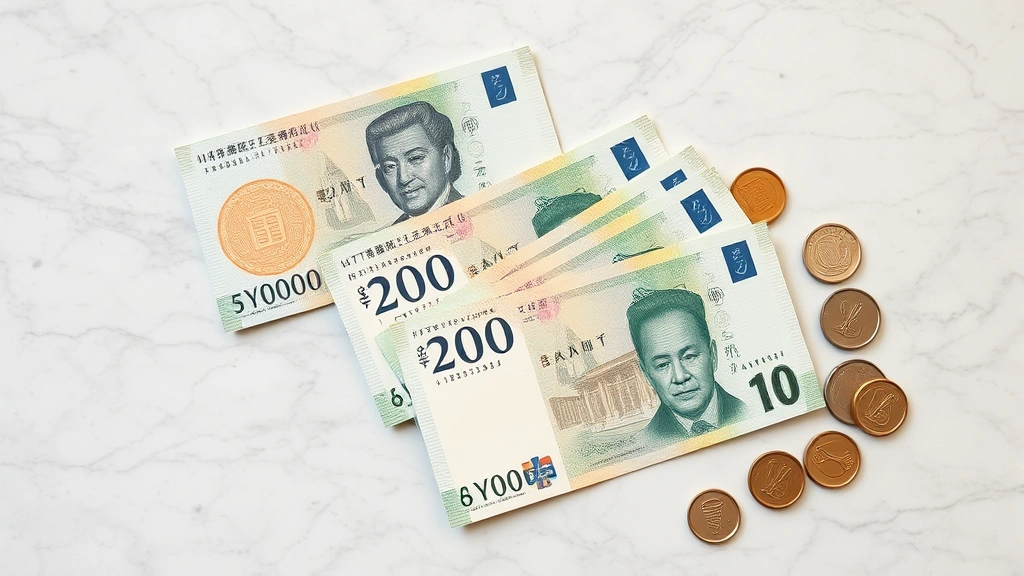
Calculating Total Travel Costs
When budgeting for your Japan trip, don’t forget the japan tourist tax in your final cost calculations. Here’s how to think about it:
Example breakdown for a family of four:
- Flight ticket: $1,200 per person × 4 = $4,800
- Japan tourist tax: $8 per person × 4 = $32
- Hotel (5 nights): $100/night × 5 = $500
- Meals and activities: $60/day × 6 days = $360
- Total trip cost: ~$5,692
The 1,000 yen fee is minimal in the grand scheme of international travel, but it’s worth noting when you’re building spreadsheets. Unlike understanding complex tax provisions that affect your annual income, this is a simple, predictable cost.
Payment Methods & Procedures
Paying the japan tourist tax is refreshingly straightforward. Here’s what to expect:
Online payment (recommended): Most airlines allow you to pay during ticket purchase or check-in online. You’ll see the 1,000 yen fee itemized in your receipt.
Airport payment: If not prepaid, you’ll pay at the airline counter or a dedicated tax collection booth. Accepted payment methods include:

- Japanese yen (cash)
- Credit cards (Visa, Mastercard, American Express)
- Debit cards
- Mobile payment (IC cards, Suica, Pasmo)
Receipt and documentation: You’ll receive a receipt showing the tax was paid. Keep this for your records, though you typically won’t need it for anything else.
The entire process takes less than five minutes. Airport staff are accustomed to explaining this to international travelers, so don’t hesitate to ask questions if you’re unclear.
Money-Saving Strategies
While you can’t avoid the japan tourist tax entirely, here are legitimate ways to minimize overall travel costs:
1. Book early and compare airlines The 1,000 yen is fixed, but your airfare isn’t. Booking 6-8 weeks in advance typically saves hundreds on the main ticket.
2. Use travel rewards Credit card points, airline miles, and hotel loyalty programs can offset the overall trip cost. The departure tax won’t be reduced, but your flights might be.
3. Visit during shoulder season Traveling in April-May or September-October (instead of peak summer or December) saves money on accommodations and attractions, making the departure tax feel less significant.

4. Bundle services Some travel packages include flights, hotels, and activities at discounts. The tax still applies, but you save elsewhere.
5. Stay longer The departure tax is a one-time fee regardless of trip length. A 10-day trip spreads the cost more efficiently than a 3-day trip from a per-diem perspective.
6. Consider alternative routes If you’re leaving Japan and returning later, you’ll pay the tax twice. Plan your itinerary strategically to minimize unnecessary departures.
Frequently Asked Questions
Can I get a refund on the japan tourist tax?
No. Once paid, the departure tax is non-refundable. Even if your flight is cancelled, you’ll need to contact your airline about rebooking. The tax doesn’t transfer to a new departure date—you’ll pay it again if you leave Japan later. This is standard across most countries’ departure taxes.
Does the japan tourist tax apply to domestic flights?
No. The 1,000 yen fee only applies to international departures. Flights between Japanese cities (Tokyo to Osaka, Fukuoka to Sapporo, etc.) are not subject to this tax. You’ll only pay it when leaving the country.
What if I’m a Japanese resident but traveling internationally?
You still pay the tax. Residency status doesn’t matter—only your departure from Japan. Japanese citizens, permanent residents, temporary workers, and tourists all pay the same 1,000 yen fee.

Is the japan tourist tax included in my ticket price?
It depends on your airline. Many international carriers automatically include it in the total price you see during booking. Others list it separately as an additional fee. Always review your itemized receipt to confirm whether the tax was included or added on top.
Can I pay the japan tourist tax before arriving at the airport?
Yes. Most airlines let you pay during online check-in (usually 24 hours before departure). This is the easiest method and prevents delays at the airport. Check your airline’s website for the specific option.
What happens if I don’t pay the japan tourist tax?
You won’t be allowed to board your international flight. Airlines are required to collect it before departure. If you somehow miss paying at the counter, you’ll be stopped at the gate. There’s no way around it—you must pay before leaving Japan.
Do cruise passengers pay the japan tourist tax?
Yes. If your cruise departs from a Japanese port, you’ll pay 1,000 yen per person. Cruise lines typically collect this during check-in or include it in your final bill.
Is there a japan tourist tax for connecting flights?
This is nuanced. If you’re connecting through Japan (same-day, same terminal), you typically don’t pay. However, if you’re leaving Japan and returning later, you pay the tax on each departure. Confirm with your airline—they’ll clarify based on your specific itinerary.
Final Thoughts on Japan Tourist Tax
The japan tourist tax is a small but important cost to factor into your travel budget. At 1,000 yen per person, it’s one of the world’s most reasonable departure fees, and it’s collected transparently with no hidden surprises. Understanding when to pay, how to pay, and who’s exempt ensures a smooth departure from Japan.
Whether you’re a first-time visitor or a frequent traveler to Japan, treating this as a standard line item in your budget (like sales taxes you’d encounter in other destinations) takes the guesswork out of international travel. Pay it online when booking your flight, and you won’t think about it again until you’re boarding your plane home.
For US-based travelers wondering how international travel taxes compare to domestic tax obligations, resources like information on US foreign tax bills can provide additional context on how different countries handle travel-related taxation.


