

The Jefferson County Alabama tax map is your gateway to understanding property values, tax assessments, and real estate information in one of Alabama’s most populous counties. Whether you’re a homeowner questioning your assessment, a prospective buyer doing due diligence, or an investor analyzing the market, knowing how to navigate this tool can save you time, money, and headaches.
Table of Contents
What Is a Tax Map?
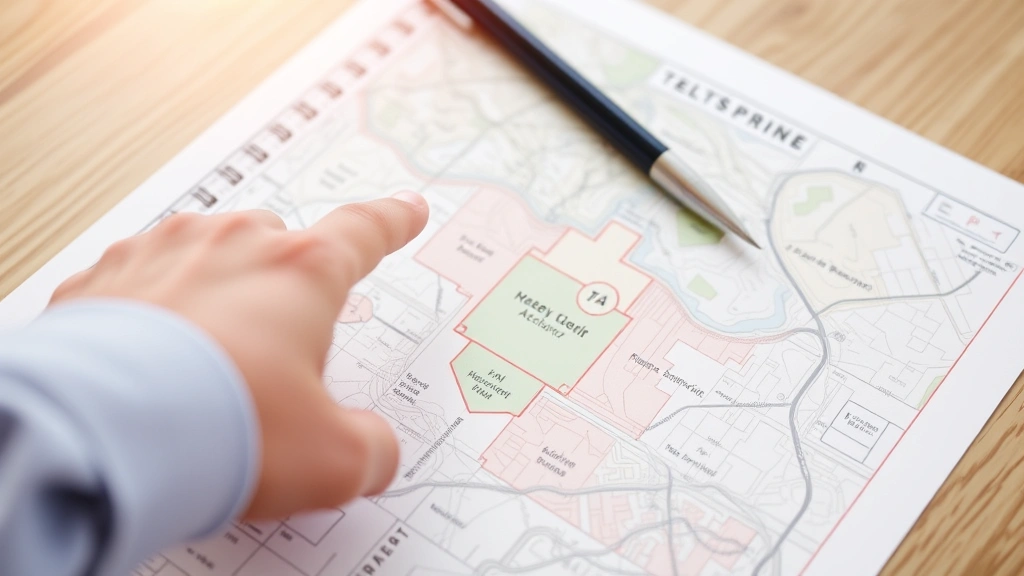
A tax map is essentially a visual representation of all parcels of land within a county, showing ownership boundaries, property identification numbers, and assessment information. Think of it as a detailed blueprint of real estate in your area. These maps are maintained by the county assessor’s office and are public records—meaning you have every right to access them.
Tax maps serve multiple purposes. They help assessors track properties for valuation, assist county planners with development decisions, and give property owners clarity on their holdings. In Jefferson County, the tax map is particularly valuable because the county is densely populated with both residential and commercial properties.
The information on a tax map typically includes the parcel number (a unique identifier), property dimensions, square footage, zoning classification, and the assessed value. This data directly influences the property taxes you’ll owe, making it crucial to understand what you’re looking at.

Jefferson County Overview
Jefferson County is Alabama’s most populous county, encompassing Birmingham and surrounding municipalities. With over 600,000 residents, it’s a diverse mix of urban, suburban, and rural areas. The county’s tax base includes residential homes, commercial properties, industrial facilities, and agricultural land.
Understanding the local context matters because property tax rates and assessment practices can vary significantly from county to county. Jefferson County has its own assessment methodology, appeal process, and tax rate structure. The county assessor’s office is responsible for maintaining accurate property records and the Jefferson County Alabama tax map that reflects current ownership and valuations.
The Birmingham metropolitan area drives much of the county’s economic activity, which means property values can fluctuate based on market conditions, neighborhood development, and infrastructure improvements. If you own property here, staying informed about assessment changes is essential.

Accessing the Tax Map Online
Gone are the days of visiting the assessor’s office in person (though you still can). Most Alabama counties, including Jefferson, offer online access to tax maps and property information. The Jefferson County Assessor’s office maintains a digital database that’s accessible to the public.
To access the map, visit the Jefferson County Assessor’s website and look for their online property search tool. You’ll typically need either the property address or parcel number to pull up information. The process is straightforward: enter your search criteria, and the system returns parcel details, ownership information, and assessed value.
If you’re uncomfortable navigating online systems, you can also contact the assessor’s office directly at their Birmingham location. Staff members can help you locate your property and explain what the data means. This is especially helpful if you’re dealing with a complex property situation or need clarification on specific assessments.

For investors analyzing multiple properties, many third-party real estate platforms aggregate this public data, making it easier to compare properties across the county without visiting the official site each time.
How to Read Your Tax Map
Once you’ve pulled up your property on the Jefferson County Alabama tax map, you’ll see several key pieces of information. Let’s break down what each means:
Parcel Number: This unique identifier is how the county tracks your property. It’s essential for any official correspondence or appeals.
Legal Description: This is the official way your property is described in legal documents. It might reference subdivision names, lot numbers, or measurements.
Assessed Value: This is what the assessor believes your property is worth for tax purposes. It’s often lower than market value.
Land Value vs. Improvement Value: The assessor separates what the raw land is worth from what the buildings and improvements add. This distinction matters if you’re considering demolition or major renovation.

Square Footage: Both the lot size and building square footage are listed. Verify these match your understanding—errors here can inflate assessments.
Zoning Classification: This tells you the permitted uses for the property and influences its assessed value.
Take time to review each field carefully. Mistakes happen, and catching them early can lead to lower taxes through a successful appeal.

Understanding Property Assessment
Property assessment is the process of determining what your property is worth for tax purposes. In Alabama, assessors use several methods: the sales comparison approach (comparing your property to recent sales), the cost approach (calculating replacement cost), and the income approach (for rental properties).
Jefferson County assessors typically conduct countywide revaluations every few years to ensure fairness and accuracy. During these cycles, many properties see value adjustments—sometimes up, sometimes down. Understanding how assessments work helps you know when to challenge one that seems off.
The assessed value is not the same as market value. By law, Alabama property is assessed at a percentage of fair market value (typically around 10-20% depending on property type). So if your home is worth $300,000 on the open market, it might be assessed at $45,000 for tax purposes. This is actually in your favor—it keeps your tax bill manageable.

However, if the assessor has made an error in measuring your property, misclassified it, or failed to account for damage or obsolescence, your assessment could be higher than it should be. This is where the map becomes your detective tool.
Tax Rates in Jefferson County
Once your property is assessed, the tax rate is applied to determine your bill. Jefferson County’s millage rates vary by municipality and school district. A “mill” equals $1 in tax per $1,000 of assessed value.
For example, if your property is assessed at $50,000 and the combined millage rate is 15 mills, your annual property tax would be $750. Rates in Jefferson County typically range from 12 to 18 mills depending on location, but they can be higher in some areas with additional levies for schools or infrastructure.

It’s worth noting that property taxes in Alabama are generally lower than in many other states, which is one reason the state remains attractive to homeowners and businesses. However, understanding what ad valorem taxes are and how they apply to your specific property helps you budget accurately.
Tax rates can change annually, so reviewing your assessment notice each year is important. If you see a significant jump in your tax bill without a corresponding increase in your property’s value, investigate whether the millage rate increased or if there was an assessment change.
Challenging Your Assessment
If you believe your property assessment is inaccurate, you have the right to appeal. This is one of the most underutilized tools available to property owners. Many people simply accept their assessment without question, leaving money on the table.

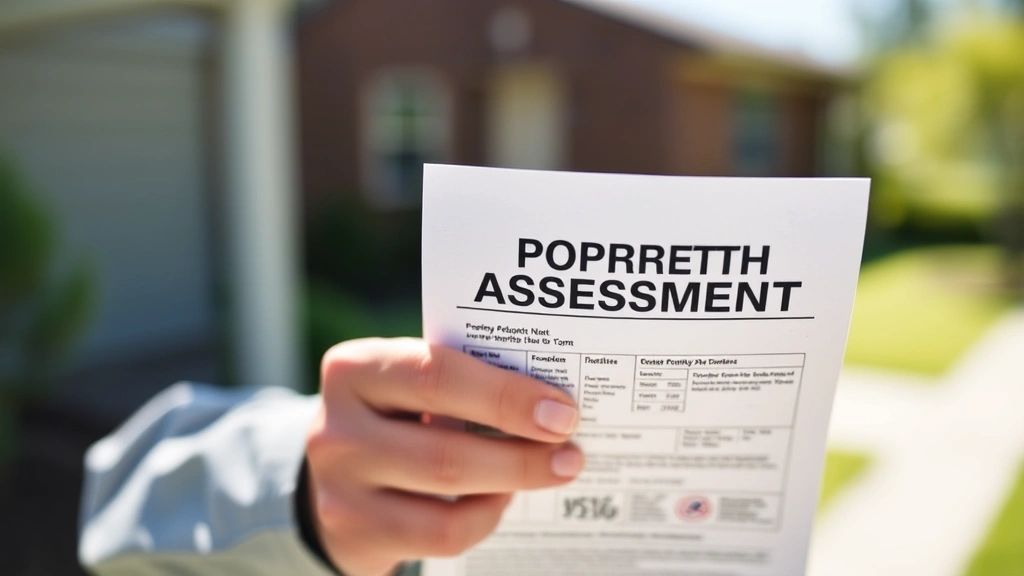
To challenge an assessment in Jefferson County, you’ll file a formal appeal with the county board of equalization. This typically must be done within a specific timeframe after receiving your assessment notice—usually 30 to 60 days. Missing this deadline can forfeit your right to appeal for that year.
When building your case, gather evidence: recent appraisals, comparable sales data, photos of property damage or defects, and documentation of any errors on the tax map (wrong square footage, incorrect zoning, etc.). The more concrete your evidence, the stronger your appeal.
Many successful appeals focus on factual errors rather than arguing that the property is simply worth less. If the assessor recorded your home as 2,500 square feet when it’s actually 2,000, that’s a clear, defensible error. If you’re arguing it’s worth less because the market is soft, that’s harder to prove unless you have recent sales of comparable properties.

Consider consulting a property tax professional or attorney if the stakes are high (expensive commercial property, significant assessment increase). The cost of professional help often pays for itself through a successful appeal.
Using the Map for Investment
Real estate investors use the Jefferson County Alabama tax map strategically to identify opportunities. By analyzing multiple properties, you can spot trends, find undervalued properties, and understand neighborhood dynamics.
Start by researching areas where you’re interested in investing. Use the tax map to pull recent sales prices, assessed values, and property characteristics. If you notice a neighborhood where assessed values are significantly lower than recent sales prices, it might indicate upcoming reassessment and potential tax increases for current owners—or opportunities for savvy investors.

The map also helps you understand property conditions. If a commercial property shows a low improvement value relative to land value, it might indicate a building in poor condition—either a value trap or a renovation opportunity depending on your strategy.
Cross-reference tax map data with property tax search tools and local real estate databases to build a comprehensive picture. Investors who take time to understand the data make better decisions and often spot opportunities others miss.
Common Mistakes to Avoid
People make several predictable errors when dealing with property assessments and tax maps. Avoid these pitfalls:
Ignoring Assessment Notices: Many homeowners toss these in the recycling bin. Don’t. Review them carefully and compare to previous years. Significant jumps warrant investigation.
Assuming the Assessor Is Always Right: Assessors are human and make mistakes. The tax map contains errors regularly—wrong square footage, missed improvements, misclassified zoning. It’s your job to catch them.
Missing Appeal Deadlines: There’s a narrow window to appeal your assessment. Miss it, and you’re stuck for another year. Mark your calendar when you receive your notice.

Not Gathering Evidence: If you appeal, bring documentation. Anecdotal complaints don’t work. You need comparable sales, appraisals, or proof of factual errors on the map.
Confusing Assessed Value with Market Value: Your property might be worth $400,000 on the market but assessed at $50,000. That’s normal. Don’t assume a low assessed value means you’re getting a great deal on taxes—it’s how the system works.
Overlooking Exemptions: Some property owners qualify for exemptions (homestead exemptions, agricultural exemptions, etc.) but don’t apply. Research what you might qualify for and submit applications.

Frequently Asked Questions
Where can I find the official Jefferson County Alabama tax map?
The Jefferson County Assessor’s office maintains the official tax map and online property search database. Visit their website or call their Birmingham office for access. Many third-party real estate platforms also provide this data aggregated from public records.
What if I find an error on the tax map?
Document the error (with photos, measurements, or other evidence) and contact the assessor’s office to request a correction. If they don’t correct it voluntarily, you can file a formal appeal during the designated period. Factual errors are among the easiest assessment appeals to win.
How often are properties reassessed in Jefferson County?
Jefferson County typically conducts countywide revaluations every few years, though the exact schedule can vary. Check with the assessor’s office for the current revaluation cycle. Properties may also be reassessed if they transfer ownership or undergo significant improvements.
Can I reduce my property taxes through assessment appeals?
Yes, if your assessment is inaccurate or inflated. Many successful appeals result in lower assessed values, which directly reduce your tax bill. However, you must file within the appeal window and provide solid evidence to support your case.
What’s the difference between assessed value and market value?
Market value is what your property would sell for today. Assessed value is what the county values it at for tax purposes—typically a percentage of market value. In Alabama, assessed value is usually 10-20% of market value, which is why your taxes remain manageable.
How do I know if I qualify for property tax exemptions?
Jefferson County offers various exemptions (homestead, agricultural, veteran, etc.). Contact the assessor’s office to learn which ones you might qualify for and how to apply. Missing out on an exemption you’re entitled to is like leaving free money on the table.

What should I do if my property tax bill increased significantly?
First, determine whether the increase is due to a higher assessment or a higher millage rate. Check the tax map to see if your assessed value changed. If it increased without corresponding improvements to your property, investigate and consider filing an appeal. If the millage rate increased, that’s a countywide issue affecting all property owners.
Final Thoughts on Jefferson County Property Taxes
The Jefferson County Alabama tax map is more than just a government database—it’s a tool that puts you in control of your property tax situation. By understanding how to access it, read it, and use the information it contains, you can make better decisions about your property, catch assessment errors, and potentially reduce your tax burden.
Property taxes are one of the largest expenses homeowners and investors face. Taking an hour to review your assessment and the tax map could identify errors or opportunities worth hundreds or thousands of dollars annually. Don’t leave this to chance.

If you’re new to Jefferson County property ownership or considering purchasing here, familiarize yourself with the tax map early. If you’re already a property owner, pull up your information today and verify accuracy. And if you’ve been meaning to appeal an assessment that seems too high, remember that the appeal window is limited—act now rather than regretting it later.
For related information on Alabama taxes, explore resources on Alabama car sales tax and Alabama income tax refund status to get a complete picture of your tax obligations in the state. You might also find it helpful to compare your situation with Adams County property tax structures or Harford County property taxes in other regions.
Stay informed, stay vigilant, and use the tools available to you. Your wallet will thank you.


