

If you own property in Kern County, California, understanding kern property tax is essential to managing your finances and potentially reducing what you owe. Property taxes in Kern County can feel like a mystery, but they don’t have to be. As someone who’s helped countless homeowners navigate their tax obligations, I’m here to break down exactly how Kern property taxes work, what you’re actually paying for, and most importantly, how to lower your bill legally and effectively.
Table of Contents
Understanding Kern Property Taxes
Kern County property taxes are based on the assessed value of your property, and the county assessor’s office determines that value. Unlike some states where property taxes vary wildly, California—thanks to Proposition 13—has a more predictable system. Your kern property tax bill funds essential services: schools, fire departments, law enforcement, and county infrastructure. It’s not just money disappearing into a black hole; it’s directly supporting your community.
The average property tax rate in Kern County hovers around 0.76% to 0.85% of assessed value, though this can vary depending on special assessment districts in your area. If you own a $400,000 home assessed at full value, you’re looking at roughly $3,040 to $3,400 annually before any exemptions or adjustments. That’s significant, which is why getting it right matters.
How Your Bill Gets Calculated
Your kern property tax bill isn’t random—it follows a specific formula. First, the county assessor determines your property’s market value. Then they apply the base tax rate of 1% (established by Proposition 13), plus any voter-approved bonds or special assessments in your area. The result is your annual bill.
Here’s what happens step-by-step:
- Assessment: Assessor determines fair market value
- Base Rate: 1% of assessed value is applied
- Voter-Approved Additions: Bonds for schools, roads, flood control get added
- Special Districts: Fire, water, or other local services may add fees
- Final Bill: You receive your notice of assessed value and tax amount
Understanding this breakdown helps you identify exactly where your money goes and where you might find savings. Many homeowners don’t realize that special assessments—sometimes 0.10% to 0.30% of your bill—can be challenged or exempted in certain situations.
Proposition 13’s Impact on Your Taxes
Proposition 13, passed in 1978, fundamentally changed California property taxation. Here’s the good news: your property can’t be reassessed above 2% annually, even if your home’s market value skyrockets. This means if you bought your home decades ago, your tax burden grows slowly compared to new buyers in your neighborhood.
The flip side? If you recently purchased property in Kern County, you’ll pay taxes based on your purchase price, not the lower assessed value of your neighbor’s 1985 acquisition. It’s a system that rewards long-term homeowners but can feel unfair to newcomers. Understanding this protection is crucial because it means your kern property tax bill has a built-in ceiling on growth.
This cap is one of the reasons California has some of the lowest property tax rates nationally, despite having high home values. It’s also why challenging an assessment immediately after purchase is critical—you want the lowest possible base value locked in.
Challenging Your Assessment
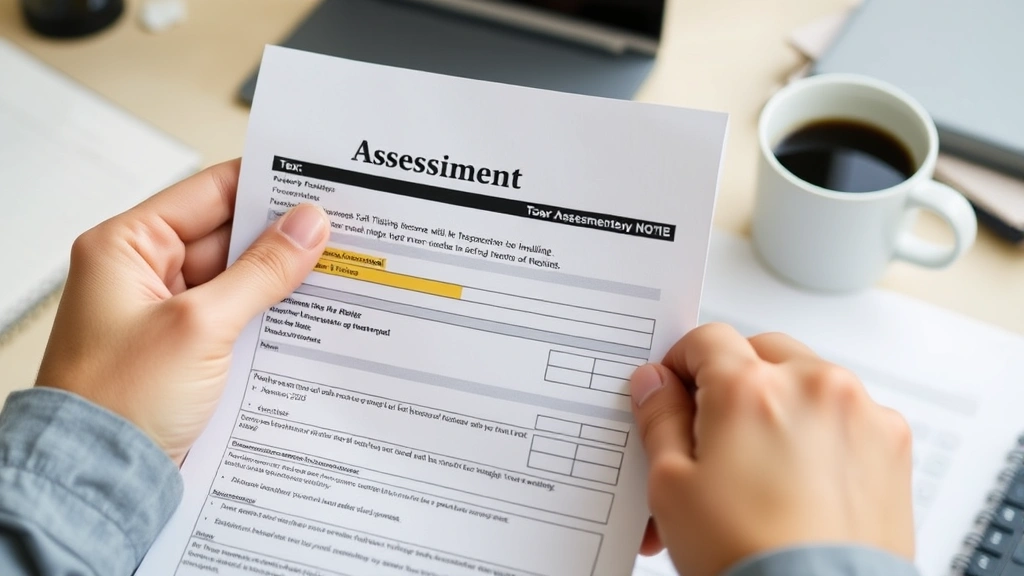
The single most effective way to lower your kern property tax bill is to appeal your assessment if you believe it’s too high. The Kern County Assessor’s Office isn’t infallible, and they expect challenges. In fact, roughly 3-5% of properties in California have assessments that don’t reflect true market value.
You have specific windows to appeal: within 30 days of receiving your assessment notice (the best time), or during the annual assessment appeal period. Here’s how to proceed:
- Gather Evidence: Collect comparable sales data from similar homes in your area. Use Zillow, Redfin, or hire a professional appraiser.
- Document Issues: If your home has deferred maintenance, damage, or functional obsolescence, photograph and document everything.
- File Formally: Submit your appeal to the Kern County Assessment Appeals Board with supporting documentation.
- Attend Hearing: Present your case clearly and professionally. Bring your evidence.
A successful appeal can reduce your assessed value by 5-15%, which translates to real savings year after year. Given Proposition 13’s 2% cap, that initial reduction compounds into substantial long-term savings.
Exemptions and Deductions Available
Many Kern County property owners leave money on the table by not claiming exemptions they qualify for. These aren’t obscure loopholes—they’re legitimate programs designed to help specific groups.
Homeowner’s Exemption: The most common exemption reduces your assessed value by $7,000. If you haven’t claimed this, you’re essentially overpaying. You must file for it on your property, and it applies automatically to owner-occupied homes in most cases, but verify your status with the assessor.
Agricultural Exemptions: If you operate a farm or ranch in Kern County, you may qualify for agricultural property exemptions that significantly reduce your tax burden.
Disabled Veteran Exemptions: Qualified disabled veterans can receive exemptions up to $100,000 of assessed value, depending on disability rating.
Welfare Exemptions: Nonprofits, religious organizations, and charitable institutions may qualify for partial or full exemptions.

The key is filing correctly and on time. Most of these require annual renewal, and missing a deadline means losing the benefit for that year.
Senior Homeowner Tax Benefits
California provides special relief for seniors age 65 and older who meet income requirements. The Senior Citizen Property Tax Postponement Program allows you to defer property taxes until your home is sold or transferred. This is a genuine lifeline for retirees on fixed incomes.
Additionally, if you’re a senior and you purchase a replacement home, you may be able to transfer your Proposition 13 base year value to the new property under certain conditions. This prevents your taxes from skyrocketing when you downsize or relocate within California.
Seniors should also explore the California Franchise Tax Board’s property tax assistance programs. These aren’t widely publicized, but they exist specifically to help older homeowners manage their kern property tax obligations.
Proven Strategies to Lower Your Bill
Beyond appeals and exemptions, several strategies can reduce what you owe:
1. Request a New Assessment After Major Repairs: If you’ve made significant improvements, your assessed value might increase. Conversely, if you’ve deferred maintenance or your home has structural issues, request a reassessment to capture that lower value.
2. Understand Your Special Assessment Districts: Some Kern County neighborhoods have Mello-Roos assessments or other special districts. Research whether these are necessary and whether you can challenge them through your homeowners association.
3. Monitor Market Conditions: During economic downturns, property values decline. If your neighborhood experienced a significant drop, file an appeal based on current market data. The assessor must use current market conditions, not historical values.
4. Separate Your Parcel if Applicable: If your property includes multiple parcels or is assessed as one large parcel when it should be divided, splitting it can result in lower assessments. This is particularly relevant for properties with accessory dwelling units or unusual configurations.
5. Explore Prop 19 Protections: If you’re inheriting property, Proposition 19 allows you to transfer the parent’s base year value in limited circumstances. Understanding these rules can save your family thousands.
For comparison, check how other California counties handle similar situations. Sac property tax operates under the same Proposition 13 framework, as does Ventura property tax, though rates vary slightly. Understanding regional differences helps you benchmark your own situation.
Taking Action on Your Assessment
Don’t let your kern property tax assessment sit unchallenged. The process isn’t complicated, but it does require attention to detail and deadlines. Start by obtaining your formal assessment notice from the Kern County Assessor’s Office. Request it if you don’t have it—you have a right to see exactly how your property was valued.
Next, research comparable properties in your neighborhood. Real estate websites, recent sales data, and professional appraisals all provide evidence. If you find properties similar to yours selling for less than your assessed value, you have grounds for an appeal.
Document everything meticulously. Photos of any damage, maintenance issues, or functional problems strengthen your case. If your home lacks air conditioning, has outdated systems, or needs roof repairs, these factors should reduce your assessed value relative to newer homes.
Finally, file your appeal during the proper window. Missing deadlines means waiting another year, so mark your calendar and follow through. Many homeowners successfully reduce their kern property tax bills by 5-10% simply by filing one appeal.
Common Mistakes That Cost You Money
I’ve seen homeowners make preventable errors that cost them thousands. Here are the biggest culprits:

Not Claiming the Homeowner’s Exemption: This is the most common mistake. If you’re not claiming this $7,000 exemption, you’re overpaying immediately. File for it today if you haven’t already.
Ignoring Assessment Notices: When you receive your notice of assessed value, read it carefully. Don’t assume it’s correct. Assessors make errors—sometimes significant ones.
Missing Appeal Deadlines: California gives you a narrow window to appeal. Miss it, and you’re stuck for another year. Mark your calendar the moment you receive your assessment notice.
Not Understanding Your Bill: Your property tax bill includes base taxes plus special assessments and bonds. Some of these can be challenged separately. Understand what you’re paying for.
Assuming Your Neighbor Pays the Same: Thanks to Proposition 13, your neighbor in an identical home might pay dramatically different taxes based on when they purchased. Don’t use their bill as a benchmark.
Forgetting Annual Exemption Renewals: Some exemptions require annual filing. If you have a welfare exemption or agricultural exemption, you must renew it or lose it.
If you’re in other California counties, similar mistakes occur. Whether you’re dealing with Arlington property tax or Wayne County property tax, the fundamentals remain the same: understand your assessment, challenge if necessary, and claim every exemption you qualify for.
Frequently Asked Questions
How often can I appeal my Kern property tax assessment?
You can appeal annually during the assessment appeal period, typically between July and November. However, you have only 30 days after receiving your assessment notice to file the most effective appeal. If you miss that window, you can still appeal during the regular period, but your case is weaker. Once you’ve appealed for a given year, you cannot appeal again for that same assessment year.
Will appealing my assessment trigger a reassessment that increases my taxes?
This is a common fear, but it’s largely unfounded. The assessor cannot reassess your property solely because you filed an appeal. However, if the appeal process reveals that your property was undervalued, the assessor might increase the assessment. In practice, this rarely happens if you’re appealing a recent purchase or if market conditions have declined. The risk is minimal compared to the potential savings.
What’s the difference between assessed value and market value?
Assessed value is what the county assessor determines your property is worth for tax purposes. Market value is what your home would actually sell for in current market conditions. Under Proposition 13, these should be close, but they often diverge. If your assessed value exceeds comparable sales in your neighborhood, you have grounds for an appeal.
Can I deduct my property taxes from my federal income taxes?
Yes, property taxes are deductible on your federal return, but only up to $10,000 annually (combined with state income taxes and sales taxes). This limitation, implemented in 2017, affects many California homeowners. Work with a tax professional to optimize your deduction strategy. For more information on tax rates and strategies, see our guide on how to find average tax rate.
What happens if I don’t pay my Kern property tax bill?
Delinquent property taxes accrue penalties and interest. After five years of non-payment, Kern County can foreclose on your property and sell it at a tax sale. This is serious. If you’re struggling to pay, contact the Kern County Tax Collector immediately about payment plans or hardship programs. Don’t ignore the problem.
Are there payment plans available for property taxes?
Yes. Kern County allows you to pay property taxes in two installments: the first by December 10 and the second by April 10. If you need more flexibility, contact the Tax Collector’s Office about hardship programs. You can also pay California state taxes online through various methods, and many of these platforms support property tax payments as well.
Do new homeowners in Kern County get any tax breaks?
Not specifically. New homeowners are assessed at purchase price, which can be higher than long-term residents’ assessed values. However, you do qualify for the homeowner’s exemption immediately, which reduces your assessed value by $7,000. Additionally, if you’re a first-time homebuyer, you may qualify for state or local programs—check with your city or county.
Final Thoughts on Managing Your Kern Property Tax
Your kern property tax bill doesn’t have to be a mystery or a burden you simply accept. By understanding how it’s calculated, claiming every exemption you qualify for, and challenging assessments that don’t reflect true market value, you can reduce what you owe—sometimes significantly.
The most important action you can take today is to review your assessment notice. If you haven’t received one, request it from the Kern County Assessor’s Office. Compare your assessed value to recent sales of comparable properties in your neighborhood. If there’s a discrepancy, file an appeal. The process is straightforward, and the potential savings justify the effort.
Remember, property taxes fund essential services in your community, but that doesn’t mean you should overpay. You have legal tools and strategies available. Use them. If you’re uncertain about any aspect of your kern property tax situation, consult with a local tax professional or your county assessor’s office—they’re there to help.
Managing property taxes effectively is part of responsible homeownership. Take control of your assessment, stay informed about changes in your neighborhood’s market value, and review your bill annually. Small actions now can save you thousands over the years you own your home.


