
If you live or work in Lancaster County SC taxes can feel like a moving target—property assessments change, rates shift, and nobody sends you a friendly reminder about deadlines. Whether you’re a homeowner worried about your real estate tax bill, a business owner navigating payroll obligations, or a retiree wondering what gets taxed, this guide breaks down exactly what you owe and where to find real savings.
Lancaster County sits in the upstate region of South Carolina, and like every county in the state, it has its own tax structure, assessment practices, and deadlines. The good news? Understanding these rules puts money back in your pocket.
Table of Contents
Property Tax Basics in Lancaster
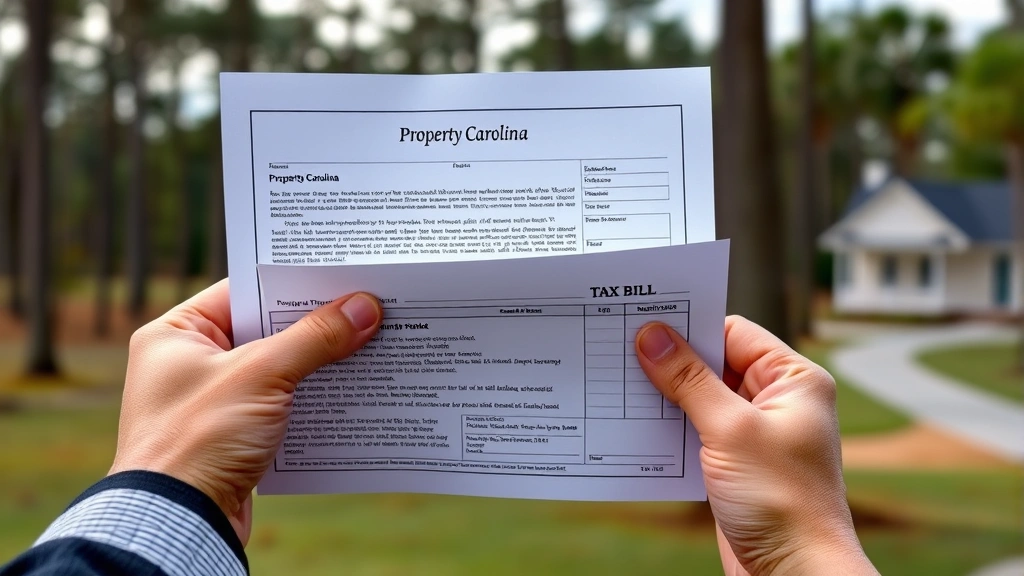
Property taxes are the backbone of Lancaster County’s revenue, funding schools, roads, and emergency services. Your property tax bill depends on three things: the assessed value of your property, the millage rate (tax rate per $1,000 of assessed value), and any exemptions you qualify for.
In Lancaster County, the property tax millage rate typically hovers around 430-450 mills for residential properties, though this can vary slightly year to year. That means if your home is assessed at $200,000, you’re looking at roughly $8,600-$9,000 in annual property taxes before exemptions. It’s significant money, which is why understanding assessment practices matters so much.
The county assessor’s office maintains property records and conducts periodic reassessments. Unlike some states that reassess every year, South Carolina uses a system where properties are typically revalued every 5-10 years, though the assessor can adjust values more frequently if there’s evidence of substantial change (like a major renovation or market shift).
How Property Assessment Works
The assessment process is where many homeowners lose money through ignorance. When the assessor determines your property’s value, they’re supposed to estimate its fair market value—what it would sell for on the open market. This isn’t always accurate, especially in fast-changing neighborhoods or if your property has unique features.
Here’s what you need to know: you have the right to appeal your assessment. If you believe your home was overvalued, you can file a formal appeal with the Lancaster County assessor. The deadline is typically 30 days from when you receive your notice of assessed value, so mark your calendar.
To build a strong appeal, gather comparable sales data from your neighborhood. Websites like Zillow, Redfin, and the county assessor’s own public records database show what similar homes actually sold for. If your assessed value is significantly higher than comparable sales, you have a compelling argument. Many homeowners successfully reduce their assessments by 5-15% through the appeal process—and that reduction compounds year after year.
You can also request a physical inspection. The assessor’s estimate might be based on outdated information or incomplete property details. If your home has deferred maintenance, outdated systems, or features that don’t match the assessed value, documenting this during an inspection can shift the outcome in your favor.
South Carolina Income Tax Rates
South Carolina’s income tax structure is progressive, meaning higher earners pay a higher percentage. For 2024, the rates range from 0% on the first $3,310 of taxable income to 7% on income over $14,620 (for single filers). If you’re married filing jointly, the brackets are roughly double.

Here’s the catch: South Carolina taxes all income sources, including wages, self-employment income, rental income, and retirement distributions. Unlike some states, South Carolina doesn’t have special treatment for Social Security benefits—they’re generally not taxed, but other retirement income (like traditional IRA withdrawals and pension payments) is fully taxable.
If you’re self-employed or have side income, you’ll also owe self-employment tax (15.3% combined Social Security and Medicare tax) on net earnings over $400. This is federal, not state, but it’s a major expense many gig workers underestimate. Setting aside 25-30% of your side income for taxes is a safe practice.
One smart move: maximize contributions to pre-tax retirement accounts. Every dollar you contribute to a traditional 401(k) or IRA reduces your taxable income dollar-for-dollar. For 2024, you can contribute up to $23,500 to a 401(k) or $7,000 to a traditional IRA. This is one of the most powerful tax moves available, and it’s completely legal.
Sales Tax and Local Levies
South Carolina’s statewide sales tax is 6%, but Lancaster County adds a local option sales tax (LOST) of 1%, bringing the total to 7% at the register. This might seem small, but it compounds quickly. On a $20,000 car purchase, that extra 1% costs you $200.
What many people don’t realize: not everything is taxed equally. Groceries are taxed at a reduced rate (2.5% state plus local), prescription medications are exempt, and certain medical equipment qualifies for exemptions. If you’re buying mobility aids or medical devices, ask about tax exemptions—they exist and can save you hundreds.
For business owners, sales tax compliance is non-negotiable. You must collect sales tax on taxable sales, file monthly or quarterly returns (depending on your volume), and remit the tax to the state. Failure to do so can result in penalties, interest, and personal liability for business owners. If you’re selling online, you may have nexus in South Carolina even if you don’t have a physical location there, meaning you likely owe sales tax on those sales too.
Homeowner Exemptions & Credits
This is where real money gets saved. South Carolina offers several property tax exemptions and credits that can reduce your bill significantly:
Primary Residence Exemption: If your home is your primary residence, you may qualify for a $50,000 exemption on the assessed value. This isn’t automatic—you must apply through the assessor’s office. That $50,000 exemption, at a 430-mill rate, saves you roughly $215 per year. It’s not life-changing, but it’s free money if you claim it.
Senior Citizen Exemption: If you’re 65 or older and meet income requirements (generally under $32,000 for single filers, higher for married couples), you may qualify for a much larger exemption—potentially exempting your entire home from property tax. This is substantial and worth investigating if you’re in this age group.
Disability Exemption: Permanently and totally disabled individuals can claim exemptions similar to seniors. The application process requires documentation from the VA or Social Security, but the payoff is enormous.
Historic Property Credit: If you own a certified historic property and have made qualified rehabilitation expenses, you may claim a state income tax credit. This is niche but valuable if it applies to you.
The key: these exemptions and credits don’t apply automatically. You have to file the paperwork. Contact the Lancaster County assessor’s office or visit their website to find application forms and deadlines. Missing a deadline could cost you years of benefits.
Business Tax Obligations
If you own a business in Lancaster County, your tax picture is more complex. You’ll owe:
South Carolina Corporate Income Tax: The rate is a flat 5% on corporate net income. Unlike federal taxation, there’s no preferential treatment for capital gains or dividends—they’re taxed as ordinary income.
Business License Tax: Lancaster County requires a business license, which costs money and must be renewed annually. The fee varies by business type but typically ranges from $25 to several hundred dollars. This is separate from your state business license.
Personal Property Tax: If your business owns equipment, inventory, or vehicles, these are subject to personal property tax. The assessor will need a detailed list of assets and their values. Many business owners underpay here by undervaluing or omitting assets—but the assessor can audit and adjust, resulting in back taxes and penalties.
Payroll Tax Compliance: If you have employees, you’re responsible for withholding federal and state income tax, Social Security, and Medicare. You must file quarterly payroll tax returns and remit taxes on a regular schedule (sometimes weekly, depending on your size). This is non-negotiable; the IRS takes payroll tax seriously.
A related resource: check out our guide on Anderson County Tax Records for comparison on how neighboring counties handle business taxation.

Senior Tax Relief Programs
If you’re 65 or older, South Carolina and Lancaster County offer substantial tax relief. Beyond the property tax exemption mentioned earlier, here’s what’s available:
Retirement Income Exclusion: South Carolina excludes up to $10,000 of retirement income from taxation if you’re 59½ or older. This applies to distributions from IRAs, 401(k)s, pensions, and similar sources. You must be retired (not working) to claim this, but it’s a significant break. If you’re living on $30,000 of retirement income, you could exclude $10,000, paying tax on only $20,000.
Social Security Exemption: Unlike some states, South Carolina doesn’t tax Social Security benefits. This is a huge advantage if you’re relying on Social Security for income.
Property Tax Deferral: Seniors with limited income can sometimes defer property taxes, paying them later from the sale of the property or from the estate. This keeps you in your home even if property taxes are stretching your budget.
The application process for these programs is straightforward but requires paperwork. Contact the Lancaster County assessor or the South Carolina Department of Revenue for forms and instructions. Don’t assume you’re ineligible—many seniors qualify but don’t apply because they don’t know these programs exist.
Important Filing Deadlines
Missing a deadline can cost you money in penalties and interest, so mark these on your calendar:
Property Tax: Typically due December 15th in Lancaster County, though the exact date can vary. Pay by the deadline to avoid a 3% penalty. If you’re appealing your assessment, the appeal deadline is usually 30 days from your notice date.
State Income Tax: South Carolina follows federal deadlines—April 15th for most filers. If you need more time, you can file for an extension by April 15th, giving you until October 15th. Note: an extension to file is not an extension to pay. Taxes owed are due April 15th regardless of extension status.
Business Tax Returns: If you’re a C corporation, your return is due March 15th (or 60 days after your fiscal year ends if different from the calendar year). S corporations and partnerships have different deadlines. Sole proprietors file with their personal return on April 15th.

Estimated Quarterly Taxes: If you’re self-employed or have significant non-wage income, you’re expected to make estimated tax payments quarterly. Dates are typically April 15th, June 15th, September 15th, and January 15th. Underpayment can result in penalties even if you ultimately owe nothing.
Comparison note: if you’re in neighboring areas, check out our guide on Richland County Real Estate Taxes to see how Lancaster compares on timing and rates.
Money-Saving Strategies
Now that you understand how Lancaster County taxes work, here are concrete steps to reduce what you owe:
1. Appeal Your Assessment: If you haven’t appealed your property assessment in the last 5 years, do it now. The cost is minimal (usually free to file), and the potential savings are substantial. Gather comparable sales data and file before the deadline.
2. Maximize Retirement Contributions: Every dollar in a traditional 401(k) or IRA is a dollar you don’t pay income tax on. For 2024, you can contribute $23,500 to a 401(k) or $7,000 to an IRA. If you’re 50 or older, you can add catch-up contributions ($7,500 for 401(k)s, $1,000 for IRAs).
3. Claim All Available Credits and Exemptions: Don’t leave free money on the table. If you’re a homeowner, senior, or disabled, apply for exemptions. If you’ve made energy-efficient improvements to your home, look for state tax credits.
4. Keep Meticulous Records: For business owners and self-employed individuals, detailed records are your best defense against audits and your best tool for maximizing deductions. Track mileage, supplies, home office expenses, and professional development.
5. Consider Tax-Loss Harvesting: If you have investments, you can sell losers to offset gains, reducing capital gains taxes. This is particularly useful in down market years.
6. Review Your Withholding: If you get a large refund every year, you’re giving the government an interest-free loan. Adjust your W-4 to get more money in each paycheck, then invest or save it yourself.

Frequently Asked Questions
What is the property tax rate in Lancaster County SC?
The property tax millage rate in Lancaster County is approximately 430-450 mills for residential properties, though rates can vary slightly by year and taxing district. This means roughly $43-$45 in annual tax per $1,000 of assessed value. The exact rate is set by county council and can be found on the assessor’s website.
Can I appeal my property tax assessment?
Yes, absolutely. You have the right to appeal within 30 days of receiving your notice of assessed value. File a formal appeal with the assessor’s office and provide evidence (comparable sales, inspection reports, etc.) showing your property is overvalued. Many appeals succeed, reducing assessments by 5-15%.
Is Social Security taxed in South Carolina?
No. South Carolina does not tax Social Security benefits, which is a significant advantage for retirees. However, other retirement income like traditional IRA and 401(k) distributions are fully taxable.
What is the sales tax rate in Lancaster County?
The total sales tax in Lancaster County is 7%: 6% state tax plus 1% local option sales tax (LOST). Groceries are taxed at a reduced rate of 2.5%, and certain items like prescription medications are exempt.
Do I qualify for senior property tax exemptions?
If you’re 65 or older and meet income requirements (generally under $32,000 for single filers), you may qualify for a substantial property tax exemption, potentially exempting your entire home. You must apply through the assessor’s office—exemptions don’t apply automatically. Contact Lancaster County assessor for specific income limits and application procedures.
What is self-employment tax?
Self-employment tax is 15.3% (12.4% Social Security plus 2.9% Medicare) on net self-employment income over $400. If you’re self-employed, you owe this federal tax in addition to income tax. Setting aside 25-30% of side income for taxes is prudent.
How do I file a property tax appeal in Lancaster County?
Contact the Lancaster County assessor’s office for appeal forms and procedures. You’ll need to file within 30 days of your assessment notice. Gather evidence of fair market value (comparable sales, inspection reports) and submit with your appeal. The assessor will review and may schedule a hearing if needed.
Are there tax credits for energy-efficient home improvements?
Yes, South Carolina offers state income tax credits for certain energy-efficient improvements like solar installations, heat pumps, and insulation upgrades. The federal government also offers credits through the Inflation Reduction Act. Check the South Carolina Department of Revenue website for current programs and requirements.