
If you live or work in Pennsylvania, understanding local income tax PA is essential to keeping more money in your pocket. Unlike many states, Pennsylvania has a unique tax structure that includes both state and local income taxes, which means your total tax burden depends heavily on where you live and work within the state. As a CPA who’s helped countless Pennsylvanians navigate this confusing system, I can tell you that most people are overpaying simply because they don’t understand how these local taxes work.
Table of Contents
- What Is Local Income Tax?
- Pennsylvania’s Unique Tax Structure
- Local Tax Rates by Municipality
- Who Pays Local Income Tax?
- Local Tax Filing Requirements
- Strategies to Reduce Your Tax
- Credits and Deductions Available
- Common Tax Mistakes to Avoid
- Special Situations and Exemptions
- Frequently Asked Questions
What Is Local Income Tax?
Local income tax PA refers to taxes levied by individual municipalities and school districts on earned income within their jurisdictions. This is separate from Pennsylvania’s state income tax (3.07%) and federal income tax. Think of it as an additional layer of taxation that applies based on where you live and earn your paycheck.
Many states don’t have local income taxes at all, which makes Pennsylvania’s system particularly complex. Roughly 4,000 Pennsylvania municipalities have the authority to impose local income taxes, though not all of them do. Some municipalities charge as little as 0.5%, while others reach 2% or higher. This creates a patchwork of tax rates across the state that can significantly impact your take-home pay.
The reason these local taxes exist is straightforward: municipalities need revenue for schools, police, fire departments, and infrastructure. Instead of relying solely on property taxes (which fund most schools), Pennsylvania allows local governments to tax income directly. Unfortunately, this means residents in some areas pay substantially more in total taxes than those in other regions.
Pennsylvania’s Unique Tax Structure
To truly understand local income tax PA, you need to see the big picture of how Pennsylvania taxes work. Your total tax burden in Pennsylvania typically includes:
- State Income Tax: 3.07% flat rate on all income
- Local Income Tax: 0.5% to 2.5% depending on municipality
- School District Tax: Often 1% to 2.5% in addition to local taxes
- Federal Income Tax: 10% to 37% based on federal brackets
- Other Taxes: PA gas tax, sales tax (6%), property tax
This layered approach means someone earning $50,000 in Philadelphia might pay 4-5% in combined state and local income taxes, while someone in a low-tax municipality pays only 3.07%. Over a career, this difference adds up to tens of thousands of dollars.
What makes Pennsylvania even more complicated is that school district taxes and municipal taxes are often separate line items on your paycheck. You might see three different withholdings for Pennsylvania alone: state income tax, local income tax, and school district tax. This fragmentation is why so many Pennsylvanians feel confused about their total tax liability.
Local Tax Rates by Municipality
Pennsylvania’s local income tax rates vary dramatically across the state. Here’s what you need to know:
- Philadelphia: 3.8875% local income tax (one of the highest in the nation)
- Pittsburgh: 3.1% local income tax
- Allegheny County municipalities: Range from 1% to 2.5%
- Many rural areas: 0.5% to 1%
- Some municipalities: No local income tax at all
Philadelphia residents face the highest local income tax burden in Pennsylvania. Combined with state income tax, Philadelphia residents pay 6.9775% in state and local income taxes alone—before federal taxes. This is why many professionals who work in Philadelphia but live in surrounding suburbs try to arrange their residency strategically.
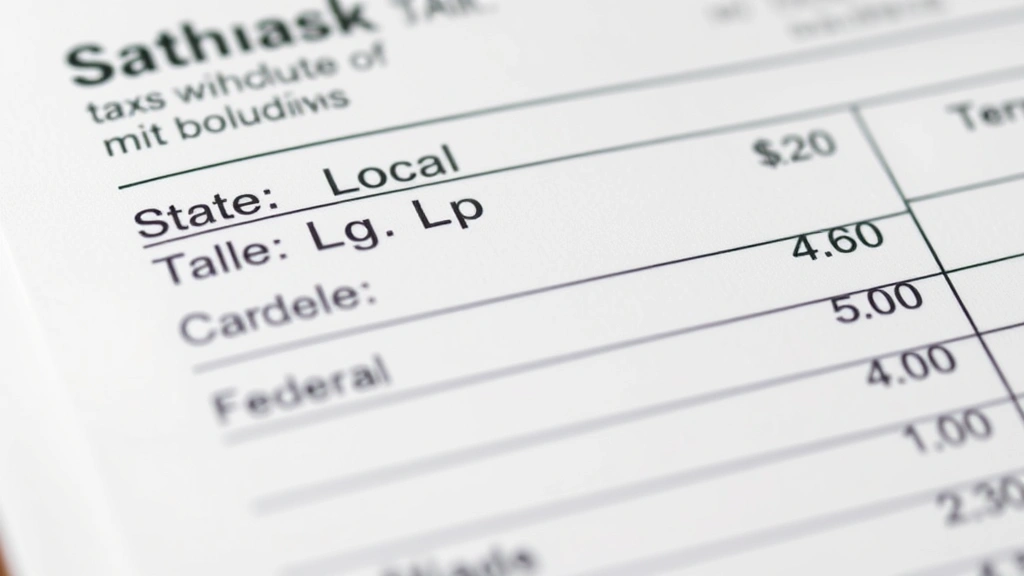
The variation in rates creates interesting situations. Someone working in Philadelphia but living in a lower-tax suburb might only owe the lower municipal rate on their income, depending on local tax reciprocity agreements. This is where understanding the rules becomes financially valuable.
Who Pays Local Income Tax?
Not everyone in Pennsylvania pays local income tax, and understanding who does is crucial for tax planning. Generally, you owe local income tax if:
- You earn income within a municipality that has a local income tax
- You reside in a municipality with local income tax, regardless of where you work
- You’re self-employed and operate within a taxing municipality
Here’s the tricky part: many municipalities tax both residents and non-residents on income earned within their borders. So if you live in one municipality but work in another, you might owe taxes to both places. However, most municipalities offer tax credits to prevent double taxation—you typically pay the higher rate and get a credit for the lower one.
Some people qualify for exemptions. For example, PA tax exempt forms allow certain religious organizations, nonprofits, and government employees to avoid local income taxes. If you work for a government agency or nonprofit, it’s worth checking whether you qualify for an exemption.
Local Tax Filing Requirements
Unlike federal and state taxes, local income tax requirements vary by municipality. Some require you to file a local tax return, while others rely on employer withholding. Here’s what you need to understand:
Employer Withholding: If you’re a W-2 employee, your employer should withhold local income tax based on your residence and work location. However, many employers make mistakes in their withholding calculations, especially for employees who live in one municipality and work in another.
Self-Employed Individuals: If you’re self-employed, you’re typically responsible for calculating and paying your own local income taxes. This is where things get complicated because you might owe taxes to multiple municipalities depending on where your clients are located.
Filing Deadlines: Local tax returns are often due on April 15th, the same day as federal returns. However, some municipalities have different deadlines, so you need to check with your specific local tax collector’s office. Missing a local tax deadline can result in penalties and interest, similar to what happens if you miss the tax deadline at the federal level.

Where to File: You don’t file local taxes with the IRS or Pennsylvania Department of Revenue. Instead, you file directly with your municipality’s tax collector or through the Earned Income Tax Return (EITR) system that many Pennsylvania municipalities use.
Strategies to Reduce Your Tax
Now for the part everyone wants to know: how to legally reduce what you owe. Here are proven strategies I’ve used with clients:
Residency Planning: If you’re considering moving within Pennsylvania, local income tax should factor into your decision. Moving from Philadelphia to a surrounding suburb could reduce your local income tax rate by 2-3 percentage points. For someone earning $75,000, that’s $1,500-$2,250 annually.
Remote Work Opportunities: If your employer allows remote work, working from a lower-tax municipality can reduce your liability. Some employers tax based on where work is performed, not where you live. Confirm this with your HR department before making changes.
Business Structure Optimization: If you’re self-employed, the structure you choose matters. Some business structures allow you to pay taxes based on where your business is located rather than where you live. Consulting with a tax professional about S-corp vs. sole proprietor status could save you thousands annually.
Timing of Income: For self-employed individuals and contractors, timing when you receive income can matter. Some municipalities tax based on when income is earned; others tax based on when it’s received. Understanding this distinction might allow you to defer income to a lower-tax year.
Professional Expenses: Tax provision calculations should include all legitimate business deductions. Self-employed individuals often miss deductions like home office, equipment, education, and vehicle expenses that reduce taxable income.
Credits and Deductions Available
Pennsylvania offers several credits and deductions that can reduce your local income tax burden:
Earned Income Tax Credit (EITC): Low-income workers may qualify for federal and Pennsylvania EITC, which reduces local income taxes in some municipalities.
Property Tax/Rent Rebate: Pennsylvania residents over 65 or disabled can claim property tax or rent rebates that indirectly reduce tax burden.
Municipal Tax Credits: If you pay local income tax to one municipality but work in another, you typically receive a credit to prevent double taxation. Always claim this credit on your local tax return.
Business Deductions: Self-employed individuals can deduct business expenses, reducing taxable income subject to local taxes. Common deductions include:
- Home office deduction (up to $5 per square foot)
- Vehicle and mileage expenses
- Professional development and education
- Equipment and supplies
- Health insurance premiums (self-employed)
Education Expenses: Certain education and training expenses can reduce taxable income, thereby reducing local income tax liability.
Common Tax Mistakes to Avoid
In my experience, Pennsylvanians make these local income tax mistakes repeatedly:
Mistake #1: Incorrect Withholding. Many people don’t adjust their W-4 forms when they move between municipalities with different tax rates. If you move, contact your HR department immediately to update your withholding.
Mistake #2: Forgetting About School District Taxes. School district taxes are separate from municipal taxes. Some people only account for municipal taxes and forget they owe school district taxes too, leading to underpayment.
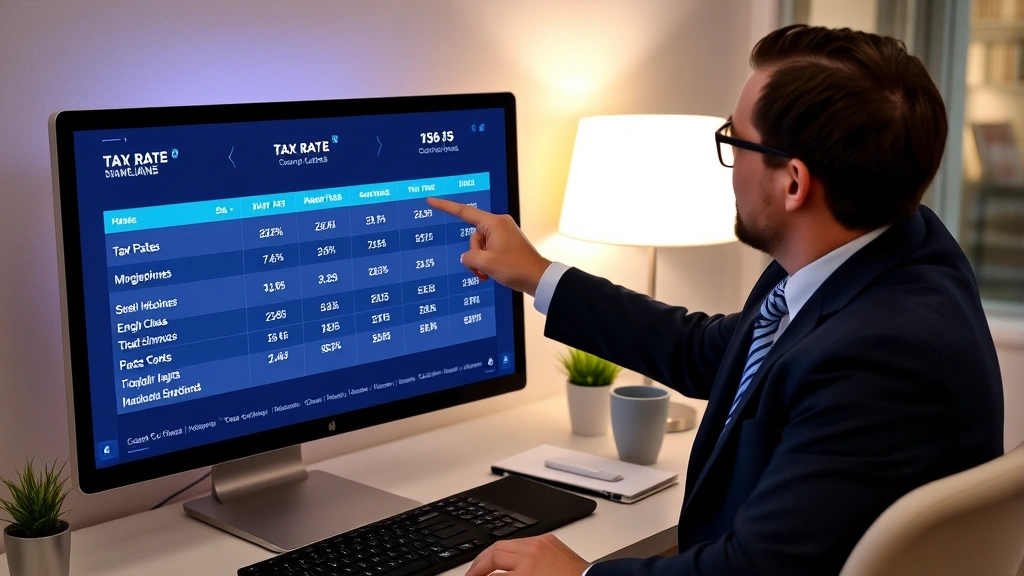
Mistake #3: Not Claiming Tax Credits. The municipal tax credit is free money that many people leave on the table simply because they don’t know it exists. If you work in one municipality and live in another, you must claim this credit.
Mistake #4: Ignoring Local Tax Returns. Many self-employed individuals and gig workers fail to file local tax returns altogether, assuming their lack of withholding means they don’t owe. This can result in substantial penalties.
Mistake #5: Misunderstanding Philadelphia real estate tax implications. If you own property in Philadelphia while living elsewhere, you might owe both local income taxes and real estate taxes, creating a double tax burden.
Special Situations and Exemptions
Certain situations allow you to reduce or eliminate local income tax liability:
Government Employees: Federal employees and some state employees are exempt from local income taxes in certain circumstances. Check with your employer’s HR department.
Military Personnel: Active duty military members are often exempt from local income taxes in their duty state. This is an important benefit that many service members don’t claim.
Nonprofit Employees: Employees of qualified 501(c)(3) organizations may be exempt from local income taxes. This varies by municipality, so verify with your local tax collector.
Students: Full-time students who don’t work in the municipality where they attend school may not owe local income taxes. However, this varies significantly by municipality.
Senior Citizens: Pennsylvania offers various tax breaks for seniors, including property tax rebates that indirectly reduce overall tax burden.
Disabled Individuals: Similar to seniors, disabled individuals may qualify for tax relief programs that reduce their overall burden.
Frequently Asked Questions
Do I have to pay local income tax if I work remotely from home?
This depends on your municipality and employer policy. Generally, if you’re a resident of a taxing municipality, you owe local income tax regardless of where you physically work. However, if you work for a company in a different municipality, the rules become complex. Some municipalities only tax income earned within their borders, while others tax all resident income. Contact your local tax collector’s office for clarification on your specific situation.
Can I deduct local income taxes from my federal return?
Yes, but with limitations. Under current federal tax law, you can deduct up to $10,000 in state and local taxes (SALT) combined on your federal return. This includes state income tax, local income tax, and property taxes combined. For high-income earners in high-tax states like Pennsylvania, this $10,000 cap can be limiting.
What happens if I don’t pay my local income tax?
Local tax collectors have significant enforcement power. They can place liens on your property, garnish your wages, and intercept tax refunds. Interest and penalties accrue quickly, making unpaid local taxes a serious financial problem. If you can’t pay, contact your local tax collector immediately to discuss payment plans.
Is there a way to avoid paying local income tax in Pennsylvania?
Short of moving to a municipality without local income tax or qualifying for an exemption, no. However, you can minimize your liability through strategic planning, claiming all available credits, and ensuring accurate withholding. Working with a tax professional often pays for itself through identified savings.
Do I pay local income tax on retirement income?
This depends on the type of retirement income. Generally, Social Security benefits are not subject to local income tax. However, distributions from 401(k)s, IRAs, and pensions are typically subject to local income tax in your municipality of residence. Some states and municipalities offer special treatment for retirement income, so check your local rules.
Can my employer help me reduce local income tax?
Yes, in several ways. Your employer should be withholding correctly based on your residence and work location. Some employers offer flexible work arrangements that allow you to work from lower-tax municipalities. Additionally, employers can offer pre-tax benefits like health savings accounts (HSAs) and dependent care accounts that reduce taxable income, thereby reducing local income taxes.
Final Thoughts on Local Income Tax PA
Understanding local income tax PA isn’t exciting, but it’s financially important. Pennsylvania’s complex system of municipal and school district taxes can cost you thousands annually if you’re not paying attention. The key is understanding your specific municipality’s rates, claiming all available credits, ensuring proper withholding, and considering tax implications when making major life decisions like where to live or work.
If you’re self-employed or have a complex tax situation, investing in a consultation with a local tax professional often pays for itself many times over. They can identify opportunities you might miss and ensure you’re not overpaying. Remember, the goal isn’t to avoid taxes illegally—it’s to pay what you legally owe and not a penny more. With proper planning and understanding, you can significantly reduce your local income tax burden and keep more of what you earn.