

If you own property in Manatee County, Florida, understanding Manatee County property tax is essential to managing your finances and potentially reducing what you owe each year. Property taxes fund essential services like schools, roads, and emergency services, but that doesn’t mean you can’t explore legitimate ways to lower your bill. Whether you’re a new homeowner, a retiree, or an investor, this guide will walk you through everything you need to know about how property taxes work in Manatee County and actionable strategies to keep more money in your pocket.
Table of Contents
How Property Taxes Are Calculated
The math behind Manatee County property tax is straightforward, but understanding each component helps you spot opportunities to reduce your bill. Your property tax is calculated by multiplying your property’s assessed value by the millage rate (the tax rate expressed per $1,000 of value).
Here’s the formula: Assessed Value × Millage Rate = Annual Property Tax
In Manatee County, the Property Appraiser’s office determines your property’s assessed value every year. This isn’t necessarily what you paid for your home or what it’s worth on the open market—it’s an estimate used specifically for tax purposes. The millage rate varies depending on which taxing districts your property falls into (county, school board, municipality, special districts, etc.). Each district sets its own millage rate, and they all add together to create your total rate.
The county reassesses properties annually, though the increase is typically capped at 3% per year under Florida’s “Save Our Homes” amendment—unless you sell the property, which triggers a reassessment at the new market value.
Manatee County Tax Rates
Manatee County’s millage rates fluctuate based on budget needs and voter decisions. For the current fiscal year, the county’s combined millage rate typically hovers around 8.5 to 9.5 mills per $1,000 of assessed value, though this varies by location within the county.
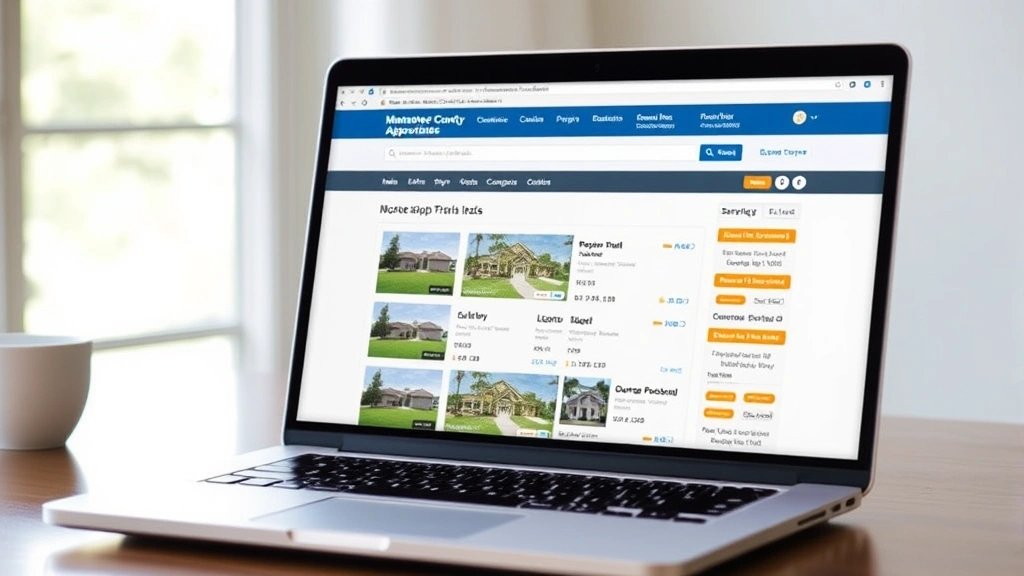
To find your specific millage rate, you’ll need to know which taxing districts apply to your property. A home in unincorporated Manatee County will have a different rate than a home in Bradenton or Palmetto (incorporated cities within the county). The easiest way to find this information is to visit the Manatee County Property Appraiser’s website and search for your property by address or parcel number.
To put this in perspective, if your home is assessed at $300,000 and your millage rate is 9 mills, your annual property tax would be approximately $2,700 (before any exemptions). That’s why even small reductions in assessed value or access to exemptions can save you hundreds of dollars annually.

Homestead Exemption Benefits
The homestead exemption is the single most valuable tool for Florida homeowners looking to reduce their property tax burden. If you own a home in Manatee County and use it as your primary residence, you’re likely eligible for this exemption.
The homestead exemption provides two key benefits:
- $50,000 exemption on home value: The first $50,000 of your home’s assessed value is exempt from taxation. On a $300,000 home, this means only $250,000 is subject to tax.
- “Save Our Homes” cap: Once you receive homestead exemption, your assessed value can’t increase more than 3% per year, even if your home’s market value skyrockets. This cap remains in place until you sell the property.
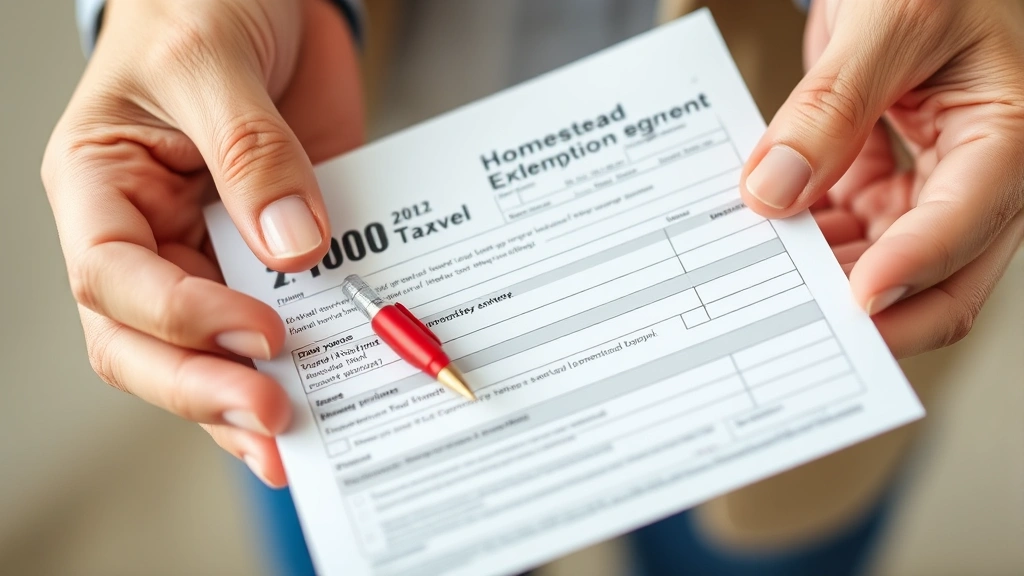
To apply for homestead exemption in Manatee County, you’ll need to submit an application to the Property Appraiser’s office. You’ll typically need proof of residency, your deed, and a completed Form DR 501 (Application for Homestead Property Tax Exemption). The deadline is usually March 1st of the year you want the exemption to take effect, though applications submitted after the deadline may still be processed if the exemption hasn’t been denied yet.
If you’re a retiree or over 65, you may also qualify for additional exemptions that stack on top of the homestead exemption. These are worth investigating if you fit the criteria.
Other Exemptions Available
Beyond the standard homestead exemption, Manatee County offers several other tax relief programs worth exploring.
Widow/Widower Exemption: If you’re the surviving spouse of a homesteaded property owner, you may be eligible for an exemption that allows you to transfer your deceased spouse’s homestead exemption to your name. This must be claimed within a specific timeframe.
Senior Exemptions (Age 65+): Florida offers additional exemptions for seniors. Combined with your homestead exemption, you could potentially exempt up to $75,000 or more of your home’s value, depending on your income level. Income limits apply, so verify your eligibility with the Property Appraiser’s office.
Disability Exemption: If you or a family member has a permanent disability, you may qualify for a $500,000 exemption. This is one of the most generous exemptions available and can virtually eliminate property taxes for eligible homeowners.
Agricultural Exemption: If you own land used for agriculture or forestry in Manatee County, you may qualify for a significantly lower assessment based on agricultural use value rather than market value. This can result in dramatic savings for rural property owners.
Each exemption has specific eligibility requirements and application deadlines. Contact the Manatee County Property Appraiser directly to discuss which exemptions apply to your situation.
How to Challenge Your Assessment
If you believe your property’s assessed value is too high, you have the right to challenge it. This is often overlooked, but it’s one of the most direct ways to lower your property tax bill.
The Property Appraiser conducts annual assessments, but they’re based on data that can be outdated or inaccurate. Maybe your home has structural issues that weren’t reflected in the assessment. Maybe comparable homes in your neighborhood sold for less than your assessed value. Maybe the appraiser made a clerical error on your property record.
Steps to challenge your assessment:
- Request a “Value Adjustment Board” (VAB) hearing. In Manatee County, you typically have until 25 days after your property tax bill is mailed to file this request.
- Gather evidence: comparable sales data, photos of property condition, repair estimates, or professional appraisals that support a lower value.
- Attend your VAB hearing and present your case. Many people win these hearings simply by showing up prepared with evidence.
- If you disagree with the VAB decision, you can appeal to circuit court, though this involves legal fees.
Many homeowners find success challenging assessments after major market downturns or if their home needs significant repairs. Even if you only reduce your assessed value by $20,000 to $30,000, that translates to $180 to $270 in annual tax savings (at a 9-mill rate).

Tax Deferral Programs
If you’re a senior or disabled homeowner with limited income, Florida’s property tax deferral program might provide relief. This program allows you to defer paying your property taxes, with the deferred amount becoming a lien on your property. The lien is paid off when you sell the home or pass it to your heirs.
To qualify, you must:
- Own your home in Florida (with homestead exemption)
- Be age 65 or older, or totally and permanently disabled
- Have a household income below a certain threshold (adjusted annually)
- Have owned the home for at least 5 years
This program is ideal for retirees on fixed incomes who want to stay in their homes but struggle with rising property tax bills. The deferred taxes don’t disappear—they become a debt against your estate—but they do provide immediate cash flow relief.
Contact the Manatee County Tax Collector’s office for current income limits and application procedures. Similar programs exist in neighboring counties like Seminole County, so if you’re comparing options across Florida regions, it’s worth checking each county’s specific offerings.
Payment Timeline & Deadlines
Understanding the property tax calendar in Manatee County helps you plan and avoid penalties.
Key dates:
- January 1: Assessment date. Your property value is determined as of this date.
- March 1: Homestead exemption application deadline (for most exemptions).
- May/June: Property tax bills are mailed.
- 25 days after billing: Deadline to file a Value Adjustment Board (VAB) hearing request.
- July 1: First discount period begins. Pay by July 31 for a 4% discount.
- August 1 – September 30: Pay during this period for a 3% discount.
- October 1 – November 30: Pay during this period for a 2% discount.
- December 1 – December 31: Final discount period for a 1% discount.
- January 31 (next year): Final payment deadline. After this date, penalties and interest accrue.
Florida’s discount structure incentivizes early payment, so if you can pay in July, you’ll save 4% on your entire bill. For a $2,700 tax bill, that’s $108 in savings just for paying early. Many homeowners set this money aside each month to take advantage of these discounts.

Comparing to Other Florida Counties
Manatee County’s property tax rates are relatively moderate compared to other Florida counties, but they vary significantly depending on where you live within the state. If you’re considering relocating or comparing investment properties across counties, it’s worth understanding these differences.
For example, Levy County typically has lower millage rates than Manatee, while some urban counties have higher rates due to increased municipal services and school funding needs. Hendricks County (in Indiana) operates under a completely different tax structure, so direct comparison isn’t possible, but understanding how your county stacks up nationally can provide perspective.
Within Florida, you’ll find that counties with strong tourism (like those with high resort and commercial tax bases) sometimes have lower residential rates than purely residential counties. Manatee County benefits from tourism revenue, which helps keep residential rates moderate.
If you’re moving to or from another state, be aware that Florida has no state income tax, which is a major advantage. Even if property taxes seem high, you’re not paying state income tax, so the overall tax burden is often lower than in states with both property and income taxes.
Frequently Asked Questions
What’s the difference between assessed value and market value?
Assessed value is determined by the Property Appraiser for tax purposes and is often lower than market value (what your home would sell for). However, they can diverge significantly. Your home might be assessed at $280,000 but worth $350,000 on the market. The assessment is what’s used to calculate your property tax, not the market price.
Can I appeal my property tax assessment every year?
Yes, you can file a Value Adjustment Board (VAB) petition every year if you believe your assessment is incorrect. However, you must file within 25 days of receiving your tax bill. Many people only appeal when they have strong evidence (like recent comparable sales or a professional appraisal) supporting a lower value.
Does homestead exemption apply if I rent out part of my home?
If you rent out a portion of your home but still live there as your primary residence, you can still claim homestead exemption. However, if you rent out the entire property, you’re no longer eligible. The property must be your primary residence.
What happens to homestead exemption if I sell my home?
Your homestead exemption ends when you sell. The new owner must apply for homestead exemption separately if they meet the requirements. The “Save Our Homes” cap (3% annual increase) also resets with the new owner, as the property is reassessed at the new market value.
Are property taxes deductible on my federal income tax return?
Yes, property taxes are deductible on your federal return, but only up to $10,000 per year (including state and local taxes combined). This is capped under current federal tax law. If your property taxes exceed $10,000, you can only deduct $10,000 total when combined with other state and local taxes.
How do I find my property’s parcel number?
Your parcel number is listed on your property tax bill. You can also find it on the Manatee County Property Appraiser’s website by searching your address. The parcel number is essential for looking up detailed property information and filing appeals.
Can I pay my property taxes in installments?
While Manatee County doesn’t offer formal installment plans, you can pay your bill in full during any of the discount periods (July through December). Some property owners use their mortgage escrow account, which automatically distributes property tax payments quarterly, effectively spreading payments throughout the year.
Final Thoughts
Managing Manatee County property tax doesn’t have to feel overwhelming. By understanding how your taxes are calculated, claiming every exemption you’re eligible for, and challenging assessments when appropriate, you can significantly reduce what you owe each year. The homestead exemption alone saves most homeowners hundreds of dollars annually, and the “Save Our Homes” cap provides long-term protection against rapid assessment increases.
Start by confirming you’ve applied for homestead exemption if you haven’t already—it’s the quickest win. Then, review your assessment against comparable homes in your neighborhood. If you spot inconsistencies, file a VAB petition. Finally, take advantage of Florida’s early payment discounts by budgeting to pay in July or August.
Property taxes fund essential services, but that doesn’t mean you should overpay. Use the strategies in this guide to keep your property tax bill as low as possible while staying compliant with Manatee County regulations. If you have specific questions about your property or exemptions, the Manatee County Property Appraiser and Tax Collector’s offices are excellent resources—they’re there to help you navigate the system.


