

The minimum acreage for farm tax purposes isn’t a one-size-fits-all number—it depends on your state, the IRS’s definition of a farm, and whether you’re serious about making a profit. If you own land and grow crops or raise livestock, understanding these thresholds could save you thousands in taxes. Let’s break down what the IRS actually requires and how different states handle agricultural tax classifications.
Table of Contents
IRS Farm Definition Explained
Here’s the thing about the IRS: they don’t actually set a minimum acreage requirement. Shocking, right? Instead, they focus on intent and profit motive. You could own five acres and qualify for farm tax status, or own 500 acres and not qualify at all. The IRS looks at whether you’re operating the land as a business with a reasonable expectation of profit.
According to IRS Publication 225, a farm includes any place from which agricultural products are produced and sold, including nurseries, orchards, ranches, and even fish farms. The key word is “produced and sold”—your grandma’s vegetable garden probably doesn’t count, but her farmer’s market booth does.
The IRS uses something called the hobby loss rule (Section 183) to distinguish between legitimate farms and tax shelters. If you can’t show a profit in at least three of five consecutive years, the IRS might reclassify your operation as a hobby, which kills your farm tax deductions.
Minimum Acreage Requirements
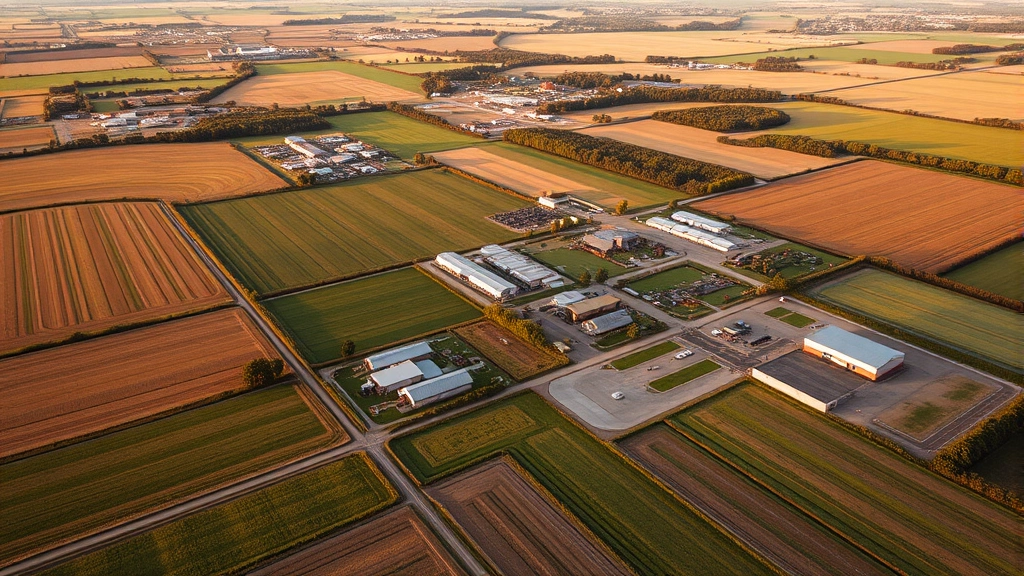
While the IRS doesn’t mandate a minimum acreage, most states do. This is where things get practical. Many agricultural property tax exemptions and agricultural use classifications require a minimum threshold—typically between 5 and 40 acres, depending on your state.
Here’s what you need to know: acreage requirements often vary by crop type. A vineyard might need only 2 acres to qualify for agricultural classification in California, while a grain farm in Iowa might need 40 acres. Livestock operations sometimes have different thresholds entirely—you might qualify with just a few acres if you’re raising horses or cattle.
The bottom line: if you’re serious about farm tax status, aim for at least 10 acres. That’s enough to demonstrate a genuine agricultural operation in most states and enough land to generate meaningful income from farming.
The Profit Motive Test
This is the real gatekeeper. The IRS doesn’t care how many acres you own—they care whether you’re running a business. The profit motive test examines:
- Expertise: Do you have farming knowledge or experience? Are you taking classes or consulting with experts?
- Time and effort: Are you actively managing the operation, or is it mostly passive?
- Profit history: Have you made money in the past, or are you consistently losing money?
- Business records: Do you keep detailed income and expense records?
- Equipment and facilities: Have you invested in proper farming infrastructure?
- Marketing efforts: Are you actively selling your products?
The IRS is particularly skeptical of operations that lose money year after year. If you’re running a “farm” that consistently operates at a loss while you’re simultaneously reporting high income from other sources, expect scrutiny. They’ve seen too many wealthy professionals buy rural land as a tax write-off scheme.
State-by-State Variations
This is where it gets complicated—and why you absolutely need to check your specific state’s rules. Agricultural tax classifications vary dramatically.
Georgia, for example, offers agricultural property tax exemptions through their ad valorem tax system. Georgia typically requires land to be in agricultural use, but the acreage minimum isn’t as strict as some states. However, you’ll need to file an application proving your agricultural use.
Ohio has different rules—check your local county assessor for specifics on Ohio property taxes and agricultural classifications. Some Ohio counties require 10 acres minimum for agricultural classification.
California uses the Williamson Act, which provides substantial property tax reductions for agricultural land. The minimum is typically 20 acres, though some counties allow less for specialty crops.
Texas allows agricultural exemption on land used for farming or ranching, with no strict minimum acreage—but the land must produce agricultural income. Texas looks at the profit motive more carefully than acreage.
Other states like Florida, North Carolina, and Pennsylvania have their own thresholds. Some use 5 acres, others use 25 or 40. You absolutely must contact your county assessor’s office to learn your state’s specific requirements.
Property Tax Benefits
Here’s why minimum acreage matters so much: property tax savings. Agricultural property is typically assessed at a fraction of its market value. We’re talking about potential savings of 50-90% on your annual property tax bill.
If you own 20 acres classified as agricultural land worth $200,000, you might pay property taxes on an assessed value of just $50,000-$100,000. The difference compounds year after year. Over a decade, that’s tens of thousands in savings.
However, this benefit comes with strings attached. Many states require you to keep the land in agricultural use. If you sell the land for development or stop farming it, you might face back taxes—sometimes going back 5-7 years. Some states call this a “rollback tax.”
Understanding what ad valorem taxes are helps you grasp how agricultural exemptions work. Ad valorem means “according to value,” and agricultural exemptions reduce the assessed value of your property.
Documentation Essentials
The IRS and your state assessor both want proof. Don’t just claim you’re a farmer—document it. Here’s what you need:
- Farm Schedule F: File IRS Form 1040 Schedule F showing farm income and expenses. This is your primary proof of farming activity.
- Receipts and invoices: Keep records of all farm expenses—seeds, equipment, feed, fertilizer, labor. Keep sales receipts too.
- Bank statements: Show deposits from farm sales. Separate your farm account from personal accounts if possible.
- Crop/livestock records: Document what you planted or raised, when, and yields.
- Property records: Keep your deed and property tax records showing agricultural classification.
- Agricultural exemption forms: File whatever application your state requires (usually through the county assessor).
- Photographs: Take photos of your fields, crops, or animals. This simple documentation is surprisingly powerful.
If the IRS ever questions whether your operation is a legitimate farm, these records become your defense. Without them, you’re basically arguing that you’re running a business with no documentation—good luck with that.
Common Mistakes Farmers Make
After years of working with farm clients, I’ve seen these errors repeatedly:
Mistake #1: Assuming acreage equals farm status. You could own 100 acres, never farm it, and have zero farm tax benefits. Conversely, you could own 3 acres, run an intensive vegetable operation, and qualify. It’s about use and profit, not size.
Mistake #2: Not filing Schedule F. The IRS wants to see Schedule F on your tax return. If you’re a farmer but don’t file it, you’re basically hiding your farming activity. File it even if you have a loss (within reason).
Mistake #3: Mixing farm and personal use. If your “farm” is really a weekend hobby while you live in the farmhouse, the IRS gets suspicious. The land should be primarily agricultural, not primarily residential.
Mistake #4: Ignoring state agricultural exemption applications. Many farmers don’t realize they need to apply for agricultural property tax classification. You don’t automatically get it—you have to request it from your county assessor.
Mistake #5: Claiming farm losses every year forever. The IRS expects farms to eventually make money. If you’ve been “farming” for 10 years and haven’t shown a profit in 8 of them, they’ll reclassify it as a hobby. That kills your deductions.
Mistake #6: Poor record keeping. You’d be amazed how many farmers operate on napkins and memory. The IRS loves farmers who keep meticulous records—it shows legitimacy.
Getting Professional Help
Farm taxation is genuinely complicated. The intersection of federal farm tax rules, state agricultural exemptions, and local property tax assessments creates a minefield. This isn’t the place to wing it.
You should work with a CPA or tax professional who has farm clients. They’ll understand:
- How to structure your farm business (sole proprietorship, LLC, S-corp, or C-corp)
- Depreciation strategies for farm equipment and buildings
- Quarterly estimated tax payments for farm income
- State-specific agricultural exemption applications
- How to document farm losses sustainably (without triggering hobby loss rules)
- Retirement planning for farmers (SEP-IRAs, Solo 401(k)s)
A good tax professional will cost $1,000-$3,000 annually, but they’ll typically save you that amount in the first year through proper deductions and exemptions. Plus, they reduce your audit risk—and audits are expensive.
Frequently Asked Questions
Do I need a minimum of 10 acres to qualify for farm tax status?
Not necessarily. The IRS has no minimum acreage requirement. However, most states do require minimum acreage (typically 5-40 acres depending on the state) for agricultural property tax exemptions. The IRS focuses on profit motive, not size. You could qualify with 2 acres if you’re running a profitable specialty crop operation.
What happens if I lose money farming?
You can deduct farm losses on your tax return, but with limits. If you show a loss in more than two of five consecutive years, the IRS may reclassify your operation as a hobby under Section 183. Once that happens, you can only deduct losses up to your hobby income. This is devastating for farm businesses, so it’s crucial to show profitability eventually.
How do I apply for agricultural property tax exemption?
Contact your county assessor’s office. Most states require you to file an application (usually annually or every few years) proving your land is in agricultural use. You’ll typically need to show income from farming, acres in production, and sometimes proof of your farming experience. Requirements vary significantly by state and county.
Can I use my farm as a primary residence?
Yes, but the land must be primarily agricultural, not primarily residential. If you’re living in the farmhouse but farming the surrounding land, that’s fine. If the farmhouse is your main investment and you’re just dabbling in farming, the IRS gets skeptical. The residential portion typically isn’t eligible for agricultural exemption anyway.
What crops qualify for farm tax status?
Nearly any agricultural product qualifies: row crops (corn, soybeans), specialty crops (vegetables, fruits), perennial crops (orchards, vineyards), hay and forage, livestock, poultry, dairy, aquaculture, and even nursery products. The key is producing agricultural commodities for sale, not personal consumption.
Do I need to show a profit immediately?
No, but you need to show a reasonable expectation of profit. The IRS allows new farms to operate at a loss for a few years while they get established. However, you need a solid business plan, proper documentation, and eventually profitability. If you’re consistently losing money after five years, expect trouble.
How much does farm tax help actually save?
It varies dramatically. Federal farm tax deductions and exemptions can save $2,000-$10,000+ annually depending on your farm size and income. State agricultural property tax exemptions can save $500-$5,000+ per year. Over a decade, that’s meaningful money. However, you must qualify and maintain compliance—it’s not automatic.


