

Understanding Missouri auto sales tax is one of the smartest moves you can make before buying a vehicle in the state. Whether you’re purchasing your first car or trading up, the tax bill can surprise you if you’re not prepared. As a CPA who’s helped countless clients navigate state-specific tax rules, I can tell you that Missouri’s auto sales tax structure offers some real opportunities to keep more money in your pocket—if you know where to look.
Table of Contents
Current Missouri Auto Sales Tax Rate
As of 2024, Missouri’s statewide auto sales tax sits at 4.225% of the vehicle’s purchase price. But here’s where it gets tricky—that’s just the baseline. Your actual tax bill depends on where in Missouri you’re buying. Counties and cities can add local sales tax on top of the state rate, pushing your total tax burden anywhere from 5% to over 8% depending on location.
For example, if you’re buying in St. Louis City, you’re looking at approximately 8.2% total sales tax. Meanwhile, in rural counties, you might pay closer to 5%. This geographic variation is exactly why I always tell clients to understand their specific location’s rate before signing paperwork.
The good news? Missouri doesn’t have a separate vehicle tax or registration fee that compounds your costs like some states do. It’s all bundled into that sales tax calculation at the point of purchase.
How Your Tax Is Calculated
The math seems simple on the surface: multiply your vehicle’s purchase price by the applicable tax rate. But the devil lives in the details. Your taxable amount isn’t always the sticker price—it’s the actual selling price after negotiation.

Here’s the breakdown of what gets taxed:
- Vehicle purchase price: The negotiated selling price (after discounts)
- Destination charges: Manufacturer delivery fees are typically taxable
- Add-ons: Extended warranties, paint protection, and dealer-installed accessories are usually taxable
- Documentation fees: These vary by dealer but often aren’t taxable (check with your dealer)
- Trade-in value: This is the big one—see the next section
Let me give you a real example. You negotiate a $25,000 vehicle price with a $2,000 destination charge. That’s $27,000 taxable. At 7% (approximate combined rate), you’re looking at $1,890 in sales tax. Seems straightforward, but most people don’t realize they can reduce this number significantly through strategic trade-in handling.
Trade-In Vehicle Credit Strategy
This is where many Missouri buyers leave money on the table. When you trade in a vehicle, Missouri allows you to deduct that trade-in value from your taxable purchase price. You only pay sales tax on the net difference.
Here’s the powerful math: You’re buying a $30,000 vehicle and trading in your old car worth $8,000. Instead of paying tax on $30,000, you pay tax on just $22,000. At 7% tax, that saves you $560 right there.

But here’s the strategy part: get your trade-in appraised independently before visiting the dealer. Dealers sometimes undervalue trade-ins to make up margin elsewhere. If you know your car’s actual value (check KBB or NADA Guides), you can negotiate more effectively. Even a $500 difference in trade-in value saves you $35 in taxes.
One critical note: this trade-in credit only applies if you’re buying from a dealer. Private party sales have different rules—more on that below.
Timing Your Purchase Wisely
While Missouri doesn’t have seasonal tax rate changes, the timing of your purchase can still impact your total costs. Here’s what I recommend:
End of month/quarter: Dealers have quotas. Buying at month-end or quarter-end gives you leverage to negotiate a lower purchase price, which directly reduces your tax bill. A $500 price reduction saves you $35 in taxes at 7%.

Model year transitions: When new model years arrive (usually August-September), dealers need to clear old inventory. This is prime negotiating season. You’re not saving on tax rate, but a better purchase price means lower tax.
After major life events: If you’re planning to buy anyway, don’t rush. Wait until you have the cash or financing locked in. Rushing leads to poor negotiation, which inflates your tax burden.
One thing not to worry about: Missouri doesn’t have a “use tax” that catches you if you buy out of state. However, if you purchase from a dealer in another state and register it in Missouri, you’ll owe Missouri sales tax at registration. No advantage there.
Private Sale vs. Dealer Rules
Buying from a private seller? The rules change significantly, and understanding them can save you real money. When you purchase from an individual (not a licensed dealer), Missouri taxes the transaction based on the agreed purchase price, not market value.

Here’s the critical part: no trade-in credit applies in private sales. You pay full sales tax on the purchase price, period. This is a major disadvantage compared to dealer purchases where trade-in credits reduce your tax base.
Example: You buy a $15,000 car privately. You pay 7% tax on the full $15,000 ($1,050). If you’d bought that same car from a dealer and traded in an $8,000 vehicle, you’d pay tax on only $7,000 ($490). That’s a $560 difference in this scenario.
However, private sales do offer one advantage: you can often negotiate a lower price because you’re not paying dealer markup. Just make sure any price reduction exceeds the tax disadvantage of losing the trade-in credit.
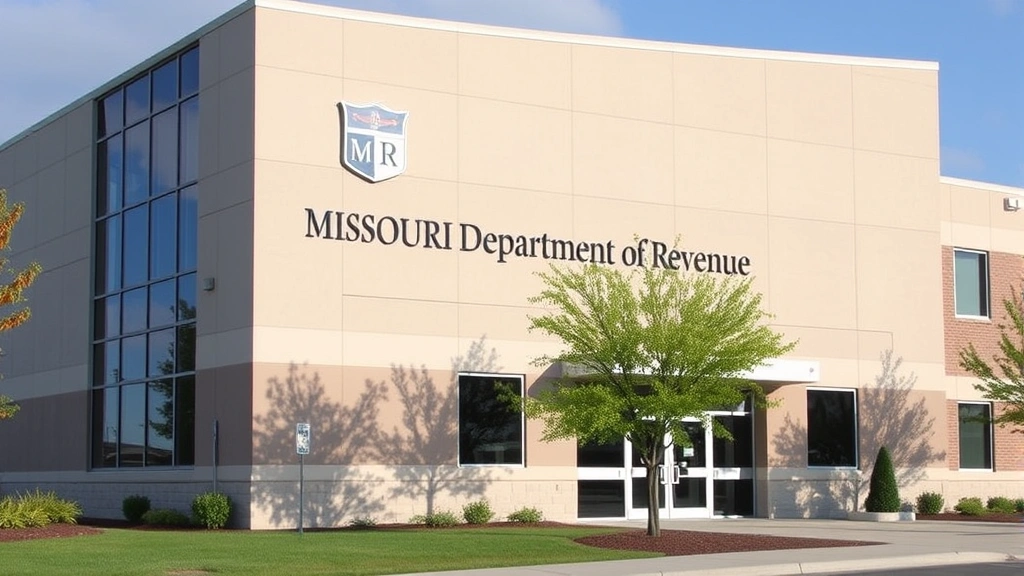
For private sales, you’ll need to handle the sales tax payment yourself at your local Missouri Department of Revenue office when you register the vehicle. Bring the bill of sale and proof of the agreed price.

Tax Exemptions Available
Most vehicle purchases are taxable in Missouri, but certain buyers qualify for exemptions. Understanding whether you fit these categories could mean zero tax on your purchase.
Non-profit organizations: If you’re buying on behalf of a registered 501(c)(3) non-profit, you can claim exemption with proper documentation.
Government entities: Federal, state, and local government agencies purchasing vehicles are exempt from sales tax.
Disabled veteran plates: Veterans with service-connected disabilities who receive special license plates may qualify for exemptions on vehicle purchases. Contact the Missouri Department of Revenue for current eligibility.

Farm use vehicles: If you’re buying a vehicle exclusively for agricultural business use, you might qualify for exemption. This requires specific documentation and the vehicle must be registered for farm use only.
The exemption process requires filing Form STL with the Missouri Department of Revenue along with your purchase documentation. Don’t assume you qualify—verify with the state before purchase.
Documentation You’ll Need
When you’re ready to buy, have these documents prepared to avoid delays and ensure you’re not paying tax on items you shouldn’t:
- Proof of residency: Driver’s license or utility bill showing your Missouri address
- Trade-in title: If trading in, bring the vehicle’s current title
- Bill of sale: For private purchases, get a signed bill of sale showing agreed price
- ID and proof of insurance: You’ll need these for registration anyway
- Financing documentation: If financing, bring pre-approval letters or loan documents
- Exemption certificates: If claiming any exemption, have Form STL completed and signed
At the dealership, carefully review the Buyers Order or sales contract before signing. Make sure the purchase price, trade-in value, and tax calculation are accurate. Dealers occasionally make “errors” that inflate your tax bill—catch them before you sign.
Common Mistakes to Avoid
After working with clients on auto purchases for years, I see the same mistakes repeatedly. Here’s how to sidestep them:
Mistake #1: Not negotiating the purchase price. Every dollar you negotiate off the price saves you roughly 7 cents in taxes (at 7% rate). A $2,000 price reduction saves $140 in tax. Yet many people focus only on monthly payments and ignore the purchase price.
Mistake #2: Accepting the dealer’s trade-in offer without question. Get an independent appraisal first. I’ve seen $1,000+ differences between dealer offers and market value. That directly impacts your tax base.
Mistake #3: Financing add-ons without understanding tax implications. Extended warranties and protection packages are taxable. A $1,500 add-on costs you an extra $105 in tax at 7%. Make sure you actually want these items.

Mistake #4: Buying at the wrong time of month. Dealers have the most flexibility at month-end. If you buy on the first day of the month, you’re negotiating from a position of weakness.
Mistake #5: Ignoring local tax rate variations. If you’re near a county border, buying in a lower-tax area can save hundreds. A $30,000 purchase at 5% tax versus 8% saves you $900.
Mistake #6: Not understanding what’s taxable. Documentation fees aren’t always taxable. Some dealer-installed items might not be either. Ask specifically what’s included in the taxable amount.
Frequently Asked Questions
Can I avoid Missouri auto sales tax by buying out of state?
No. If you register the vehicle in Missouri, you’ll owe Missouri sales tax at registration time. Some states have reciprocal agreements, but Missouri doesn’t give you an advantage here. You’ll pay tax either way—either at purchase (if buying from an out-of-state dealer) or at registration (if you buy privately out of state). The only exception is if you’re buying from a state with lower sales tax and the total still comes out ahead, but you’re still paying Missouri tax on registration.
Does Missouri tax apply to leased vehicles?
Yes, but differently. Lease payments are subject to sales tax in Missouri. The tax applies to the capitalized cost of the vehicle, which is typically the negotiated price minus residual value. This is one reason leases sometimes appear cheaper—the tax calculation differs from purchases. Consult with a tax professional if you’re trying to decide between leasing and buying from a tax perspective.
What if the dealer calculates my tax incorrectly?
Review the calculation immediately. Multiply the taxable amount by your local tax rate and verify it matches the contract. If there’s an error, ask the dealer to correct it before you sign. If you discover an error after purchase, contact the Missouri Department of Revenue within 60 days to request a refund. Keep all documentation.
Are electric vehicles taxed differently in Missouri?
No. EVs are subject to the same sales tax as traditional vehicles. Missouri doesn’t offer a sales tax exemption or reduction for electric vehicles, though this could change. Check current state incentives at the time of purchase, as federal tax credits may apply separately.
Can I deduct auto sales tax on my federal income tax?
Only if you itemize deductions on your federal return, and only sales taxes paid in that tax year. Most people take the standard deduction, making this irrelevant. Additionally, the SALT (State and Local Tax) deduction is capped at $10,000 annually across all state and local taxes combined, so vehicle sales tax would compete with property tax and income tax deductions. For most people, this doesn’t provide meaningful benefit.

What happens if I don’t pay the sales tax?
You won’t be able to register your vehicle in Missouri. The Department of Revenue won’t issue license plates until sales tax is paid. Additionally, unpaid taxes accrue interest and penalties. Just pay it—it’s non-negotiable and the penalties aren’t worth it.
Bottom Line Strategy
Understanding Missouri auto sales tax isn’t exciting, but it’s powerful. You can’t eliminate the tax, but you can minimize it through smart negotiation, strategic trade-in handling, and timing your purchase wisely. Even saving $500 on the purchase price reduces your tax bill by $35 at 7% rate—and that’s just the beginning of what strategic buying can accomplish.
For your next vehicle purchase, use these strategies: get your trade-in independently appraised, negotiate aggressively on the purchase price, time your buy for month-end, and verify every line item on your sales contract. These moves compound into real savings.
If you’re financing your vehicle, also check out our guide on smart Honda finance secrets to maximize your car budget and insider CarMax finance hacks to save thousands on your next car. Combined with tax strategy, these approaches give you a complete framework for a smarter purchase.
Remember: the sales tax is just one piece of the total cost equation. Focus on the purchase price first, let the tax savings follow naturally, and you’ll walk away from the dealership knowing you got a fair deal.


