

If you own a home in Minnesota, you’ve probably felt the sting of property taxes at some point. Here’s the real talk: Minnesota has some of the higher effective property tax rates in the country, averaging around 1.12% of home value annually. But here’s the good news—the state offers a Minnesota property tax rebate program that can put real money back in your pocket. Many homeowners don’t even know it exists, and even fewer understand how to maximize it. This guide walks you through everything you need to know about the MN property tax rebate, who qualifies, how much you could save, and exactly how to claim it.
What Is the Minnesota Property Tax Rebate?
Think of the Minnesota property tax rebate like a refund program designed to help lower and middle-income homeowners manage one of their biggest annual expenses. Minnesota’s Property Tax Refund (PTR) is a state tax credit that reduces your state income tax liability based on the property taxes you paid during the tax year. If your property tax burden is high relative to your income, the state essentially reimburses you a portion through this credit.
The program was created to address tax burden inequality—basically, to make sure that people who own modest homes aren’t crushed by property taxes while wealthier homeowners pay less as a percentage of their income. It’s progressive by design, meaning the benefit phases out as your income increases.
Here’s what makes it different from other tax credits: you don’t get a check automatically. You have to claim it on your Minnesota state income tax return (Form M1-PR, the Property Tax Refund form). Many Minnesotans leave thousands of dollars on the table simply because they don’t file this form.
Pro Tip: If you’re filing jointly with a spouse, only one spouse needs to meet the residency requirements, but both must have lived in Minnesota for the entire tax year to claim the credit together.
Who Qualifies for the MN Property Tax Rebate?
Not everyone can claim the Minnesota property tax rebate. The state has specific eligibility requirements, and you need to meet all of them.
Basic eligibility criteria:
- You must be a Minnesota resident for the entire tax year
- You must own or rent your primary residence in Minnesota
- You must have paid property taxes or rent (if renting) on that residence during the tax year
- Your household income must fall within the income limits (more on this below)
- You cannot claim the credit for a second home, vacation property, or investment rental
- If married, you must file jointly to claim the credit
One thing that trips people up: if you moved to Minnesota partway through the year, you don’t qualify. The residency requirement is strict—you need to have lived in the state for the entire calendar year. Similarly, if you sold your home mid-year and moved out of state, you can’t claim the rebate for that year.
For renters, there’s good news. You can also claim a property tax rebate, but instead of using actual property taxes paid, the state uses a formula that assumes a portion of your rent goes toward property taxes (typically calculated as 20% of your annual rent). This opens up the program to thousands of renters who don’t realize they qualify.
Income Limits and Eligibility Rules
Here’s where income becomes critical. The Minnesota property tax rebate has income thresholds that determine whether you qualify and how much you receive. For the 2023 tax year (filed in 2024), the income limits are:
- Single filers: $89,920 gross income
- Married filing jointly: $134,880 gross income
- Head of household: $112,400 gross income
These limits adjust slightly each year for inflation. If your income exceeds these thresholds, you don’t qualify for the rebate at all—there’s no partial credit. It’s an all-or-nothing program based on income.
But here’s what many people misunderstand: “gross income” for this purpose includes more than just your W-2 wages. It also includes:
- Self-employment income
- Interest and dividend income
- Capital gains
- Rental income
- Social Security benefits (in some cases)
- Pension and retirement distributions
If you’re close to the income limit, it’s worth reviewing what counts as gross income. Some income sources might be lower than you think, or you might have deductions that reduce your taxable income without affecting the rebate calculation.
Additionally, your property tax amount relative to your income matters. The rebate is calculated on a sliding scale—the lower your income relative to your property tax burden, the higher your rebate. Someone paying $4,000 in property taxes on a $30,000 income will receive a much larger rebate than someone paying $4,000 on a $70,000 income.
How Much Can You Get Back?
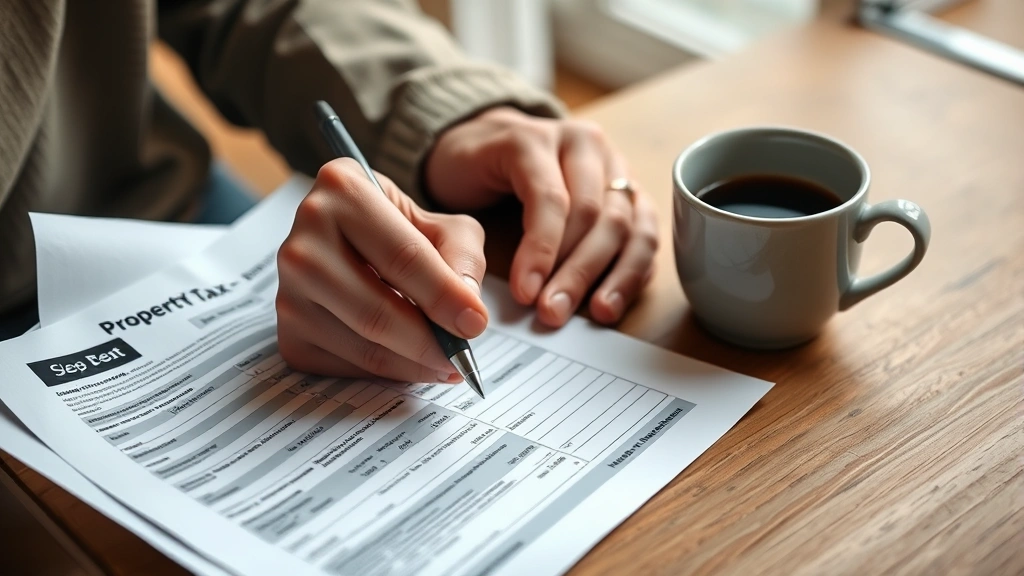
The amount of your Minnesota property tax rebate depends on several factors, and there’s no simple formula you can calculate in your head. However, understanding the general structure helps you estimate what to expect.
The rebate is calculated based on your household income and your property tax-to-income ratio. Generally:
- The maximum rebate is capped at $2,300 for most taxpayers
- The rebate phases out as your income approaches the limit
- Your property tax burden must exceed a certain percentage of your income to qualify
Here are some realistic examples:
- Single person, $25,000 income, $2,500 property tax: Likely receives $1,200–$1,500 rebate
- Married couple, $50,000 income, $3,000 property tax: Likely receives $600–$900 rebate
- Single person, $80,000 income, $3,500 property tax: Likely receives $100–$300 rebate (or possibly nothing if the ratio is too low)
The Minnesota Department of Revenue publishes detailed calculation worksheets, but most people use tax software or work with a tax professional to calculate the exact amount. The good news? If you file electronically, the software does the math for you.
One important note: if you’re expecting a refund, the property tax rebate gets added to it. If you owe taxes, the rebate reduces what you owe. Either way, you benefit financially.
How to Claim Your MN Property Tax Rebate
Claiming the Minnesota property tax rebate is straightforward if you know what to do. Here’s the step-by-step process:
Step 1: Gather Your Documentation
Before you file, collect:
- Your property tax statement from your county (shows total taxes paid)
- If you’re renting, your lease or rental agreement and proof of rent paid
- Your W-2 forms, 1099 forms, or other income documentation
- Your Minnesota driver’s license or state ID (for residency verification)
- If you sold your home mid-year, documentation of the sale date
Step 2: Complete Form M1-PR
This is Minnesota’s Property Tax Refund form. You can download it from the Minnesota Department of Revenue website. The form asks for:
- Your household income (all sources)
- Your property tax paid or rent paid
- Confirmation that you lived in Minnesota the entire year
- Your filing status
Step 3: File with Your State Return
Attach Form M1-PR to your Minnesota Form M1 (state income tax return). If you’re using tax software like TurboTax, H&R Block, or TaxAct, there’s usually a section specifically for the property tax rebate. Just answer the questions, and the software calculates your rebate automatically.
Step 4: Submit and Wait
If filing electronically, the form is transmitted with your return. If filing by mail, include the form with your paper return. Processing times vary, but refunds typically arrive within 4–6 weeks of filing.
Warning: Don’t forget to include Form M1-PR. The Minnesota Department of Revenue won’t automatically calculate it for you. If you file without it, you lose the rebate for that year. You can’t amend it later (well, you technically can file an amended return, but it’s a hassle).
Filing Deadline
The property tax rebate must be claimed on your Minnesota state return by the tax filing deadline (usually April 15). There’s no extension—even if you get an extension to file your federal return, you still need to file the Minnesota return by April 15 to claim the rebate.
Common Mistakes That Cost You Money
I’ve seen countless Minnesotans leave money on the table by making preventable errors. Here are the biggest mistakes:
Mistake 1: Forgetting to File Form M1-PR Entirely
This is the #1 reason people don’t get their rebate. They file their federal return, file their Minnesota return, but completely overlook the property tax rebate form. Result: zero rebate, even if they qualified for $1,500+. The fix is simple—always check the box or section in your tax software that asks about property taxes.
Mistake 2: Using the Wrong Property Tax Amount
Your property tax statement shows several numbers—sometimes the amount you paid, sometimes the amount assessed, sometimes the amount due. You need to use the amount you actually paid during the tax year, not the amount assessed or the amount due. If you paid property taxes in January for the previous year’s assessment, use the January payment date, not the assessment year.
Mistake 3: Including Non-Qualifying Income
Some people accidentally include income that shouldn’t be counted or exclude income that should be. For example, certain types of Social Security income are excluded, but others aren’t. Child support received is usually excluded, but alimony is included. If you’re uncertain, consult the IRS Publication 915 on Social Security benefits or work with a tax professional.
Mistake 4: Not Meeting the Residency Requirement
If you moved to Minnesota in July, you can’t claim the rebate for that year. Period. Some people try anyway and end up triggering an audit or losing the credit entirely. If you’re borderline on residency, document everything—moving receipts, lease agreements, driver’s license change dates.
Mistake 5: Claiming the Rebate for a Second Property
You can only claim the rebate for your primary residence. If you own a cabin, vacation home, or investment property, you cannot include those property taxes. Only your main home counts.
Mistake 6: Filing Too Early or Too Late
Some people file in January and don’t have all their property tax information yet. Others wait until April 14 and rush through the form, making errors. File when you have all documentation ready, ideally by mid-March to avoid last-minute stress.
To avoid these mistakes, use reputable tax software or hire a tax professional. The cost of professional help often pays for itself through the rebate you’d otherwise miss.
Now, if you’re looking to optimize your overall tax situation in Minnesota, consider reviewing your paycheck withholding. Many Minnesotans overpay taxes throughout the year, which reduces their refund. Check out our guide on paycheck hacks to boost your take-home pay—the strategies apply to Minnesota too. Similarly, if you’re considering major financial moves like leasing vs. financing a vehicle, that decision affects your taxable income, which could impact your property tax rebate eligibility. Our lease vs. finance guide breaks down the tax implications.
For homeowners in other states, property tax situations vary dramatically. If you’re curious how Minnesota compares, check out our Ohio property tax guide to see how different states handle tax relief. And if you’re moving between states or have multi-state income, understanding state-specific credits becomes even more critical.
Frequently Asked Questions
Can renters claim the Minnesota property tax rebate?
– Yes. Renters can claim the rebate using a formula that assumes 20% of annual rent is attributable to property taxes. So if you paid $12,000 in rent, $2,400 is counted as property tax for rebate purposes. You’ll need documentation of rent paid (lease, canceled checks, or landlord statement).
What if I sold my home partway through the year?
– You can claim the rebate for the property taxes paid up to the date of sale. However, if you didn’t live in Minnesota for the entire year (because you moved after selling), you don’t qualify. The residency requirement is absolute.
Do I have to file Form M1-PR if I use tax software?
– Not manually. If you use tax software, there’s usually a section for the property tax rebate. Answer the questions, and the software includes Form M1-PR automatically with your return. If filing by hand, you must complete and attach the form.
What’s the maximum rebate I can receive?
– The maximum is approximately $2,300, but most taxpayers receive less. The actual amount depends on your income, property tax paid, and the formula used by the state. Very few people hit the maximum.
Can I claim the rebate if I’m over the income limit?
– No. The income limits are strict cutoffs. If your household income exceeds the limit (even by $1), you don’t qualify. There’s no partial credit or phase-out—it’s all or nothing.
If I didn’t claim the rebate last year, can I go back and claim it?
– Yes, but you need to file an amended return (Form M1-X) for that year. You can typically go back three years. However, there’s a deadline—you generally have until three years after the original filing deadline. It’s better to claim it when you file your original return.
Does the property tax rebate affect my federal taxes?
– No. The Minnesota property tax rebate is a state credit only. It doesn’t appear on your federal return and doesn’t affect your federal tax liability. It’s purely a Minnesota benefit.
What if my property taxes were paid by my mortgage escrow account?
– It doesn’t matter who paid them. If property taxes were paid on your primary residence during the tax year (whether you paid directly or through escrow), you can claim them for the rebate. Your mortgage statement or property tax statement will show the amount.

Can married couples filing separately claim the rebate?
– No. Married couples must file jointly to claim the property tax rebate. If you file separately, neither spouse can claim it.
Is there a deadline to claim the rebate if I file an extension?
– Yes. Even if you get a federal extension (to October 15), your Minnesota return is still due April 15. The property tax rebate must be claimed by the April 15 deadline to be valid.


