

The Monongalia County tax office is your go-to resource for understanding property taxes, filing requirements, and smart strategies to keep more money in your pocket. Whether you’re a longtime resident of Morgantown or new to West Virginia, knowing how to work with your local tax office can save you thousands of dollars and eliminate unnecessary stress during tax season.
Table of Contents
- What is Monongalia County Tax Office?
- Services Offered by the Office
- Property Tax Basics Explained
- Filing Requirements and Deadlines
- Tax Credits and Deductions Available
- Money-Saving Strategies for Residents
- Contact Information and Hours
- Common Tax Mistakes to Avoid
- Helpful Resources and Links
- Frequently Asked Questions
What is Monongalia County Tax Office?
Located in the heart of West Virginia, the Monongalia County tax office serves as the central hub for all property tax matters in the county. This office is responsible for assessing property values, collecting taxes, and maintaining records for residential and commercial properties throughout the region. The staff here isn’t just processing paperwork—they’re the gatekeepers to understanding your tax obligations and finding legitimate ways to reduce what you owe.
The office operates under West Virginia state tax law while maintaining local jurisdiction over county-specific tax matters. Think of them as your local tax authority who understands the nuances of Monongalia County’s economic landscape, from the university town of Morgantown to rural properties in the surrounding areas.
Services Offered by the Office
The Monongalia County tax office provides far more than just tax collection. Here’s what you can expect:
- Property Assessments: Professional evaluation of your property’s market value for tax purposes
- Tax Payment Processing: Multiple methods to pay your property taxes conveniently
- Assessment Appeals: Formal process to challenge property valuations you believe are inaccurate
- Homestead Exemptions: Information on tax abatement programs and exemptions for eligible homeowners
- Senior Citizen Programs: Special tax relief for qualifying seniors
- Agricultural Exemptions: Tax breaks for working farmland and agricultural operations
- Records Access: Public records and historical tax information for research and verification
Property Tax Basics Explained
Understanding how property taxes work in Monongalia County is crucial for budgeting and planning. Property taxes are calculated by multiplying your property’s assessed value by the county’s millage rate. One mill equals $1 of tax per $1,000 of assessed property value.
West Virginia uses a system where property assessment values are typically 60% of fair market value. This means if your home is worth $200,000, it might be assessed at around $120,000 for tax purposes. The Monongalia County tax office conducts periodic reassessments to ensure fair valuations across the county. These reassessments can trigger changes in your tax bill, which is why staying informed matters.
Property taxes in West Virginia fund essential services including schools, emergency services, and infrastructure maintenance. Unlike some states, West Virginia doesn’t have a state income tax, making property taxes a significant revenue source for local government.

Filing Requirements and Deadlines
Deadlines aren’t suggestions—they’re hard stops that can cost you real money. Property taxes in Monongalia County are typically due in two installments: one in autumn and another in spring. Missing these deadlines results in penalties and interest charges that compound quickly.
If you own property in Monongalia County, you’re required to file a property tax return unless you’ve received a specific exemption. New property owners must register their properties with the tax office within a certain timeframe. Failure to do so can result in back taxes and penalties.
The exact dates vary year to year, so don’t rely on memory. Contact the Monongalia County tax office directly or check their official website for current-year deadlines. Many residents set calendar reminders three months before the due date to avoid last-minute scrambling.
Tax Credits and Deductions Available
West Virginia offers several tax credits and deductions that residents often overlook. The Homestead Property Tax Exemption is one of the most valuable—it provides a partial exemption from property taxes for primary residences. Eligibility depends on factors like age, disability status, and income level.
Senior citizens (typically 65 and older) may qualify for additional relief programs. The Disabled Person’s Tax Credit provides property tax relief for individuals with disabilities. Agricultural landowners can access tax abatement programs that reduce assessments on working farms.
Veterans may also qualify for special exemptions or credits. The key is knowing what you’re eligible for—the tax office staff can walk you through the application process, but it’s your responsibility to inquire and apply.
Money-Saving Strategies for Residents
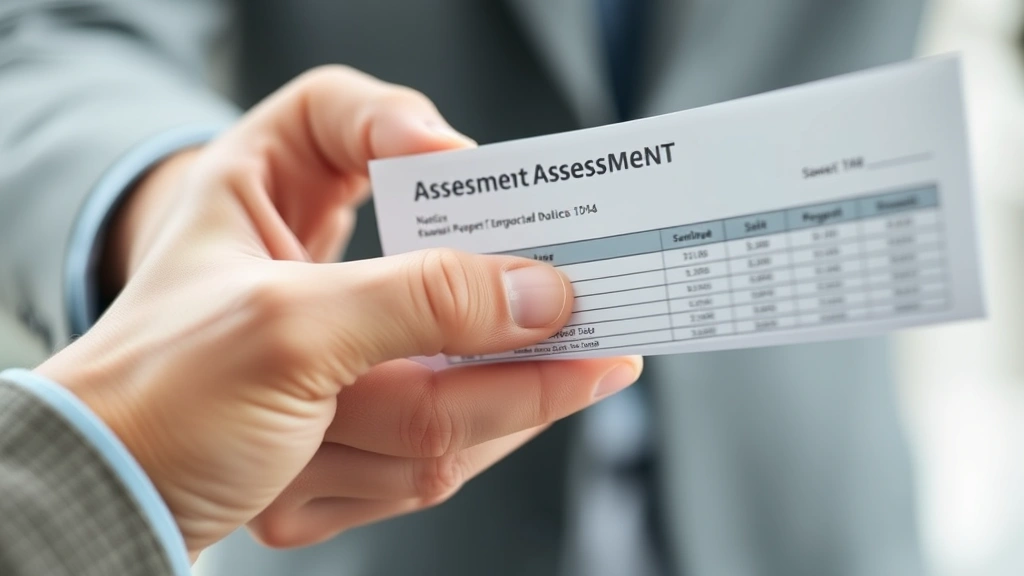
Now let’s talk about the real money-saving tactics. First, challenge your assessment if you believe it’s too high. You have the right to appeal your property’s assessed value. Gather comparable sales data from recent transactions in your neighborhood and present your case to the assessor’s office. Many successful appeals result in lower assessments and reduced tax bills.
Second, explore every exemption and credit available to you. Don’t assume you don’t qualify—apply anyway. The worst that happens is they say no. Homestead exemptions, senior exemptions, and disability credits can save thousands annually.
Third, understand how to find your average tax rate to benchmark your situation against county averages. If your rate seems disproportionately high, it might indicate an assessment error worth investigating.
Fourth, set up automatic payment plans if you struggle with lump-sum payments. Some properties allow installment payments, reducing the burden on your monthly budget. The tax office can explain payment options available for your situation.
Finally, stay informed about tax law changes. West Virginia legislature regularly updates tax codes and exemptions. What wasn’t available last year might be this year. Subscribe to county notifications or check their website quarterly.
Contact Information and Hours
The Monongalia County tax office is located in downtown Morgantown and serves the entire county. They maintain regular business hours, typically Monday through Friday, 8:30 AM to 4:30 PM. However, hours may vary seasonally, especially around tax deadlines when demand increases.

You can reach them by phone, email, or in-person visit. Many inquiries can be handled remotely, saving you a trip. If you need to appeal an assessment or discuss complex tax situations, scheduling an appointment ensures you get dedicated attention from a knowledgeable staff member.
For comparison on how other counties handle similar services, check out Hardin County Tax Office or Meriden CT Tax Collector to see best practices in tax administration.
Common Tax Mistakes to Avoid
Mistake #1: Ignoring assessment notices. When you receive your property assessment, review it carefully. Don’t assume it’s correct just because it’s official. Many property owners find errors—wrong square footage, missing lot information, or incorrect property classification.
Mistake #2: Missing appeal deadlines. You typically have a limited window (often 30-45 days) to appeal an assessment. Missing this deadline forfeits your right to challenge the valuation for that year. Mark your calendar the moment you receive an assessment notice.
Mistake #3: Not claiming exemptions you qualify for. The tax office won’t automatically apply exemptions—you must apply. If you’re a senior, veteran, or have a disability, investigate what’s available. Leaving money on the table is the most expensive mistake of all.
Mistake #4: Paying taxes late thinking penalties are minor. Late payment penalties and interest compound quickly. A $2,000 tax bill becomes $2,300 after penalties. Over multiple years, this adds up to serious money.
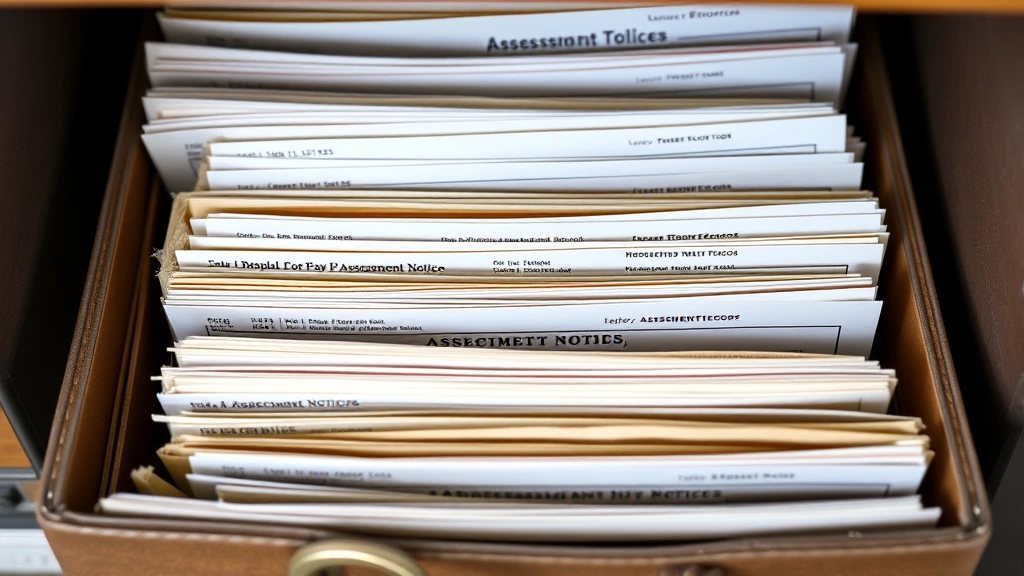
Mistake #5: Not keeping property records organized. Maintain documentation of property improvements, sales comparables, and assessment correspondence. This becomes invaluable if you need to appeal or resolve disputes.
Helpful Resources and Links
Beyond the Monongalia County tax office itself, several resources can enhance your tax knowledge. The West Virginia State Tax Department website provides statewide guidance on property tax law and exemptions. The IRS.gov site offers federal tax information relevant to property owners, especially regarding deductions and investment property considerations.
For comparison and best practices, explore Hamden CT Tax Collector services to see how other jurisdictions approach tax administration. Educational institutions like West Virginia University (located right in Morgantown) often provide community tax workshops and resources.
Investopedia and NerdWallet offer accessible explanations of property tax concepts and strategies. Bankrate.com provides calculators and tools for estimating tax impact on property purchases.
Frequently Asked Questions
How often does Monongalia County reassess properties?
West Virginia conducts statewide reassessments on a periodic cycle, typically every 4-6 years depending on county resources. Monongalia County follows state guidelines. Between reassessments, the assessed value may be adjusted for improvements or other factors. Contact the tax office for the exact schedule for your property.
Can I pay my property taxes online?
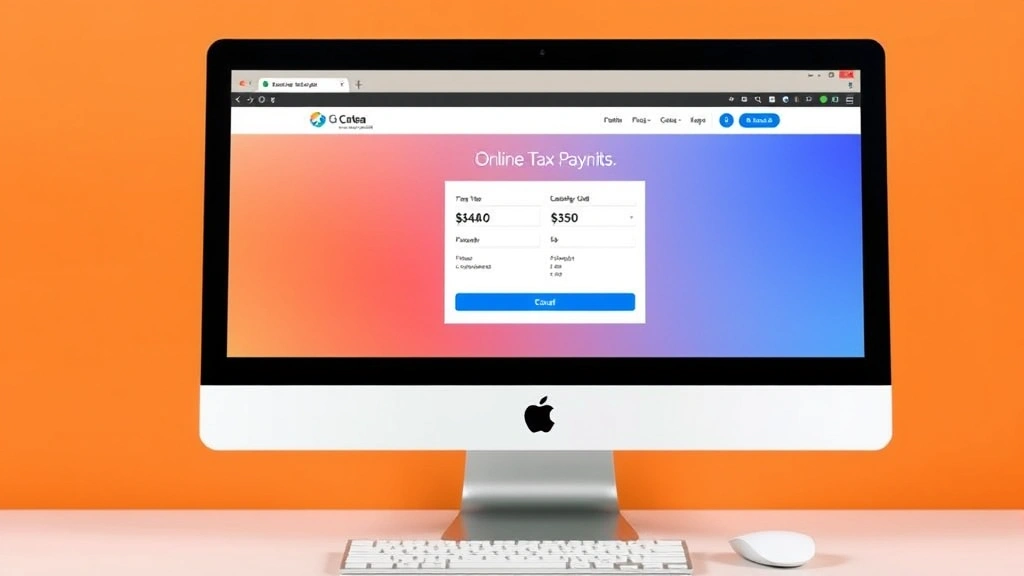
Most West Virginia counties, including Monongalia, offer online payment options through their official websites or third-party payment processors. Check the Monongalia County tax office website for current payment methods. Online payments are secure and provide immediate confirmation.
What happens if I don’t pay my property taxes?
Unpaid property taxes result in penalties, interest, and potential foreclosure proceedings. West Virginia allows the tax office to place a lien on your property and eventually sell it at a tax sale to recover unpaid taxes. If you’re struggling to pay, contact the tax office immediately to discuss payment plans or hardship options.
Are there tax breaks for first-time homebuyers?
West Virginia doesn’t offer a specific first-time homebuyer property tax credit, but new homeowners may qualify for the Homestead Property Tax Exemption if they meet income and residency requirements. Apply through the Monongalia County tax office during the application period.
How do I appeal my property assessment?
File a written appeal with the Monongalia County Assessor’s Office within the specified timeframe (usually 30-45 days of receiving your assessment notice). Include documentation supporting your claim, such as recent comparable sales or evidence of property condition issues. The assessor will review your appeal and respond with a decision.
What’s the difference between assessed value and market value?
Market value is what your property would sell for on the open market. Assessed value is the value used for tax purposes, typically 60% of market value in West Virginia. The tax office uses assessed value to calculate your tax bill, not the full market value.
Can seniors get property tax relief?
Yes. West Virginia offers the Senior Citizen Property Tax Credit for qualifying seniors (typically 65+) with limited income. The Monongalia County tax office can explain eligibility requirements and help you apply. This program can significantly reduce your annual tax bill.
What documents do I need for a property tax appeal?
Bring recent property assessment notices, documentation of comparable sales in your neighborhood, photos showing property condition, proof of any damage or needed repairs, and evidence of any errors in the assessment (wrong square footage, lot size, etc.). The more documentation you provide, the stronger your case.
Final Thoughts on Managing Your Monongalia County Taxes
Working effectively with the Monongalia County tax office isn’t complicated, but it does require attention and initiative. You’re not at the mercy of your property tax bill—there are legitimate strategies to reduce it, from appealing assessments to claiming exemptions you qualify for.
Start by understanding your current assessment and comparing it to similar properties in your area. If something seems off, don’t hesitate to reach out to the tax office. These professionals handle property tax questions daily and can often clarify confusing situations quickly.
Remember: every dollar saved on property taxes is money you keep. Whether it’s through a successful assessment appeal, a homestead exemption, or simply understanding your payment options, taking control of your tax situation pays real dividends. The effort you invest now in understanding the system will pay returns for years to come.


