

Let’s be real: the phrase “mud tax” probably made you pause. You might be wondering if this is some obscure tax you’ve never heard of, or if you’re already paying it without realizing. The truth? Understanding what mud tax means—and more importantly, how it fits into your overall financial picture—is crucial for protecting your money and making smarter decisions about property, investments, and long-term wealth.
Most people don’t think about tax efficiency until it’s too late. They see their paycheck shrink, watch property bills climb, and feel powerless. But here’s the good news: with the right knowledge, you can take control. Whether you’re dealing with property taxes, capital gains, or trying to figure out your regional tax obligations, this guide breaks down everything you need to know about mud tax and how it connects to your financial health.
The mud tax concept relates to local and regional tax assessments—particularly those tied to property ownership and land value. If you own real estate or are considering a purchase, knowing how these taxes work in your area is non-negotiable. Let’s dig in.
What Is Mud Tax and Why Should You Care?
Mud tax sounds like something out of a frontier tale, but it’s actually a modern financial reality for property owners in many regions. The term “mud tax” refers to taxes levied by Municipal Utility Districts (MUDs) or similar local governmental entities that manage infrastructure, drainage, water, and sewer systems. These aren’t your standard property taxes—they’re specialized assessments tied to the maintenance and development of local utilities and drainage systems.
Here’s why you should care: mud tax can add hundreds—sometimes thousands—of dollars to your annual property expenses. Many homeowners discover this tax only after closing on a property, which means they’re already locked in. The frustration is real because mud tax feels invisible until the bill arrives.
Think of mud tax like a membership fee for living in a district that maintains roads, drainage systems, and water infrastructure. You pay it whether you use the services heavily or not. It’s a hidden cost that can significantly impact your monthly housing expenses and long-term wealth building.
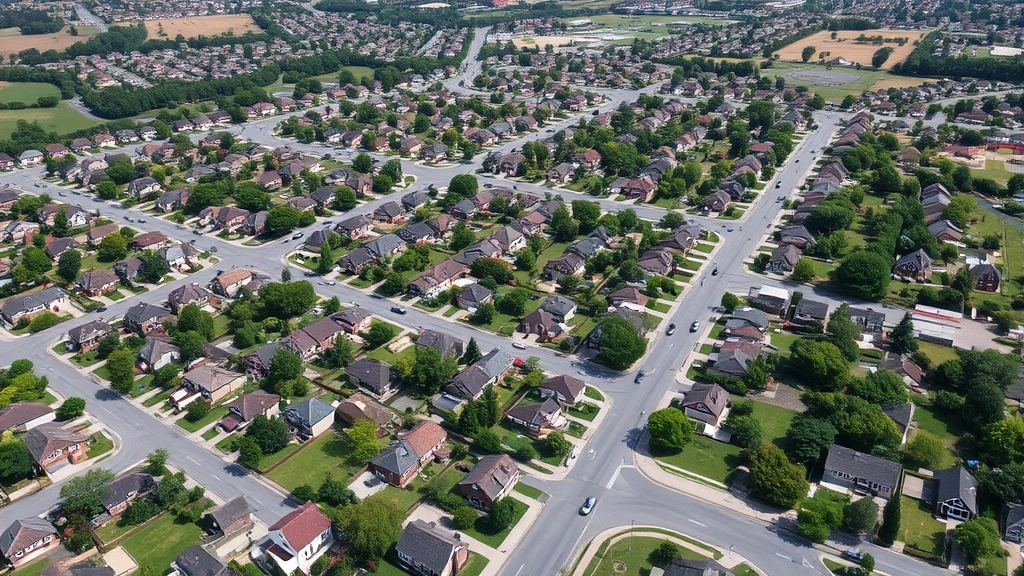
The mud tax concept is especially relevant in rapidly developing areas where infrastructure needs are high. Developers create these districts to fund growth, and property owners bear the cost. Understanding this upfront helps you make better decisions about where to buy and how much you can truly afford.
Pro Tip: Always ask your real estate agent or title company about MUD taxes before making an offer. Many buyers are shocked to discover these after closing, but you can negotiate them into your offer price or use them as a reason to walk away.
How Mud Tax Works: The Mechanics
Let’s break down the actual mechanics so you’re not confused when you see it on your tax bill. Mud tax is assessed as a property tax by local districts. The district board sets a tax rate (usually expressed as dollars per $100 of assessed property value), and your tax bill is calculated based on your property’s appraised value.
The money collected goes toward:
- Maintaining and upgrading water and sewer systems
- Drainage and flood control infrastructure
- Road maintenance within the district
- General district operations and administration
- Bond payments for infrastructure projects
Unlike income tax, which varies based on how much you earn, mud tax is relatively predictable—it’s tied to your property value. However, it can increase annually as the district reassesses property values or votes to increase the tax rate.
Here’s what happens in practice: Your county assessor determines your property’s value. The MUD district applies its tax rate to that value. You receive a bill (usually twice yearly) and pay it. If you have a mortgage, your lender might collect this as part of your escrow account, meaning it’s bundled into your monthly payment.
The tricky part? Different districts have wildly different rates. One neighborhood might charge $0.50 per $100 of value, while another charges $2.00 or more. That’s a massive difference on a $300,000 home. This is why location matters so much for long-term affordability.
Understanding your local regional income tax agency and how it coordinates with MUD districts helps you see the full tax picture. These agencies often work together to administer local tax collections.
Regional Variations and Local Rates
Here’s where mud tax gets complicated: rates vary dramatically by location. Texas, for example, has extensive MUD districts, and rates can range from under 1% to over 2% of property value annually. That same property in another state might have zero MUD tax.
Let’s look at specific regions:
Texas and the Southwest: MUD districts are incredibly common, especially in suburban areas around Houston, Dallas, and Austin. These regions have seen explosive growth, and MUDs were created to fund that expansion. Rates tend to be higher here than anywhere else in the country.
California: Property tax rates are capped at 1% under Proposition 13, but special assessments (similar to mud tax) can add significantly to your bill. Check your local Marin property tax situation if you’re in that region, as it’s a good example of how California’s system works.
Illinois: Counties like McHenry County property tax areas have complex assessment structures. Special districts add layers to your overall tax burden.
Virginia: Northern Virginia, particularly Fairfax County real estate tax assessment areas, uses different terminology but similar concepts. Understanding these local nuances is essential before buying.
Ohio: Ohio property taxes vary by county and municipality, with some areas having minimal special district assessments.
The key insight? Your mud tax burden depends entirely on where you buy. A $400,000 home in a low-MUD-tax area might cost $1,500 annually in these assessments, while the same home in a high-MUD-tax district could cost $8,000+. That’s a $6,500 annual difference—or $78,000 over a decade.
This is why comparing total cost of ownership across regions matters more than comparing home prices alone.
The Connection Between Mud Tax and Property Taxes
Here’s where confusion often sets in: mud tax is technically a property tax, but it’s separate from your regular property tax bill. Your total property tax burden includes:
- General property tax: Funds schools, roads, police, fire departments, and general county services
- Mud tax and other special assessments: Funds district-specific infrastructure and services
- School district taxes: Often the largest component of your property tax
When you see your property tax bill, it might look like a single number, but it’s actually the sum of multiple taxes. Mud tax is one line item on that bill.
The relationship matters because both are based on your property’s assessed value. If your home is reassessed and its value increases by 20%, both your general property tax and mud tax will increase proportionally (unless tax rates change, which they do).
This is why understanding property assessment is crucial. According to the IRS Publication 17, property taxes (including special assessments like mud tax) are generally deductible on your federal income tax return, subject to the $10,000 state and local tax (SALT) deduction cap. This is one of the few silver linings—you can deduct these taxes, which reduces your federal tax burden.
However, not all special assessments are deductible. Assessments for improvements that increase property value (like new sidewalks or utilities) are typically capitalized and added to your property’s cost basis rather than deducted. This affects your capital gains tax when you sell. Learn more about this with our capital gains tax calculator on sale of property.
Warning: Don’t assume all mud tax is deductible. If the assessment is for a new improvement (new drainage system, new roads), it might be capitalized instead. Talk to a tax professional before claiming the deduction.
How to Calculate Your Mud Tax Liability
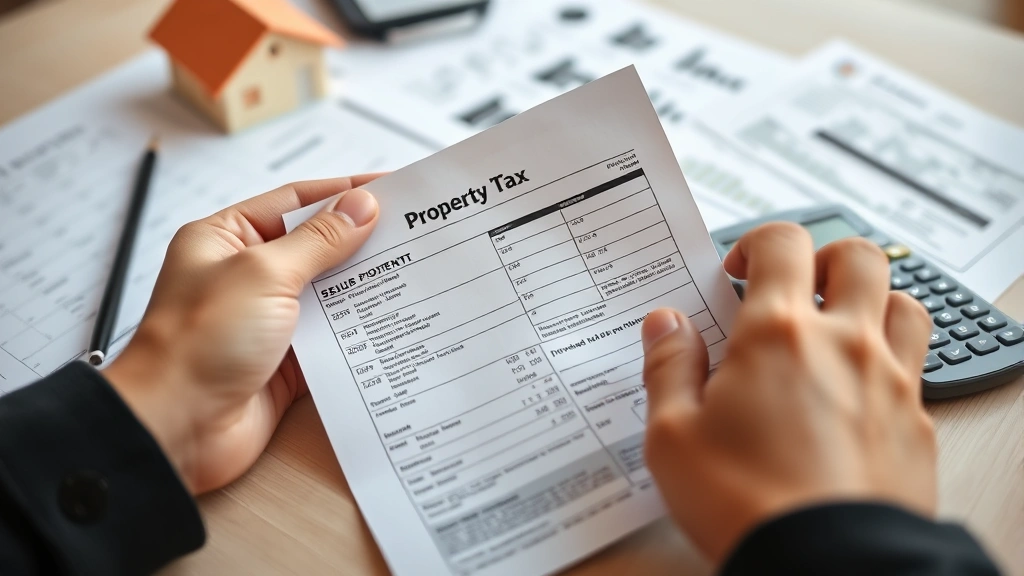
Ready to figure out what you actually owe? Here’s the formula:
Mud Tax = (Assessed Property Value ÷ 100) × Tax Rate
Example: Your home is assessed at $300,000. Your MUD district’s tax rate is $1.50 per $100 of value.
Calculation: ($300,000 ÷ 100) × $1.50 = $4,500 annually
That’s roughly $375 per month if you’re paying through your mortgage escrow. Over 30 years, that’s $135,000 in mud tax alone—money that doesn’t build equity.
Here’s how to find your actual rate:
- Visit your county appraisal district website. Search for your address and find the assessed value. This is public information.
- Look up your MUD district number. Your property deed or mortgage documents should list this, or you can call your county assessor.
- Find the tax rate. Go to your MUD district’s website or call their office. Ask for the current tax rate per $100 of value.
- Do the math. Use the formula above. If you’re not confident, your tax assessor’s office will calculate it for you.
- Check your property tax statement. This shows exactly what you’re paying, broken down by tax type.
Pro tip: Many county assessor websites now have online calculators that do this for you. Just enter your address and you’ll see a breakdown of all taxes and assessments.
Keep in mind that mud tax can change annually. Districts vote to increase rates, property values are reassessed, and bond payments change. Budget for a 3-5% annual increase as a conservative estimate.
Strategies to Reduce Your Mud Tax Burden
Can you eliminate mud tax? Usually not—if you own property in a MUD district, you pay it. But there are legitimate strategies to reduce your burden:
1. Challenge Your Property Assessment
If you believe your home is overvalued, you can file a protest with your county appraisal district. This is free and takes about an hour. Provide evidence like recent comparable sales, photos of needed repairs, or appraisals showing lower value. If successful, your assessed value drops, and so does your mud tax.
2. Look for Exemptions
Some property owners qualify for exemptions:
- Homestead exemptions (if you live in your primary residence)
- Agricultural exemptions (if you own farmland)
- Disabled veteran exemptions
- Senior citizen exemptions (age varies by location)
These reduce your assessed value, lowering your mud tax. Check with your county assessor about eligibility.
3. Buy in a Low-MUD-Tax Area
If you’re shopping for a home, this is your biggest lever. Compare total property tax burdens across neighborhoods before buying. A home that costs $50,000 less but sits in a lower-tax district might save you $100,000+ over 30 years.
4. Refinance Strategically
If your lender collects mud tax through escrow, refinancing might lower your monthly payment. A new appraisal could lower your assessed value, reducing future mud tax. This is a side benefit of refinancing, not the main reason to do it, but it’s worth considering.
5. Understand What You’re Paying For
Attend MUD district meetings and review their budgets. Sometimes districts are spending inefficiently. Public pressure can lead to better budget management and potentially lower tax rates. You have a voice in these decisions.
Pro Tip: If you’re selling a home with high mud tax, disclose this clearly to buyers. It affects the property’s true cost of ownership and could be a negotiation point.
Common Mistakes Homeowners Make
After years of handling real estate and tax questions, I’ve seen these mistakes repeatedly:
Mistake 1: Not Budgeting for Mud Tax Increases
You buy a home expecting $3,000 annual mud tax. Five years later, it’s $4,200. This surprises people because they didn’t account for rate increases and reassessments. Budget conservatively and you’ll never be caught off guard.
Mistake 2: Forgetting About Mud Tax When Calculating Affordability
Your mortgage broker says you can afford a $400,000 home. They calculate based on the mortgage payment alone. But mud tax adds $500-1,000+ monthly depending on location. Many people stretch too far and then struggle with the total housing payment.
Mistake 3: Not Factoring Mud Tax Into the Sale Decision
High mud tax doesn’t mean you should panic-sell, but it should influence your decision to buy in the first place. If you’re already stuck with high mud tax, focus on other ways to reduce your tax burden, like claiming deductions properly.
Mistake 4: Misunderstanding Tax Deductibility
Not all special assessments are deductible, and the SALT cap limits deductions to $10,000 annually. If your property taxes (including mud tax) exceed $10,000, you can’t deduct the excess. This is a federal limitation, not something you can negotiate away.
Mistake 5: Ignoring the Capitalization vs. Deduction Issue
Some mud tax assessments are capitalized (added to your property’s cost basis) rather than deducted. This affects your capital gains tax when you sell. Knowing the difference saves money at tax time. Check with a CPA if you’re unsure.
Mistake 6: Not Asking About Mud Tax Before Buying
This is the biggest one. Many buyers don’t even know mud tax exists until after closing. Ask your real estate agent, title company, and county assessor about MUD districts before making an offer. It’s a crucial part of due diligence.
If you want to understand the broader property tax landscape across different states, check out our guide on what states don’t have property tax. Some states have eliminated property tax entirely, which is worth considering if you’re planning to relocate.
The Big Picture: Mud Tax and Your Financial Plan
Here’s the reality: mud tax is one piece of your overall financial picture, but it’s a piece that many people ignore until it’s too late. When you’re evaluating a home purchase, a relocation, or your long-term wealth strategy, mud tax deserves serious consideration.
Think of it this way: over 30 years, mud tax could represent $100,000-$200,000+ of your housing costs. That’s money that doesn’t go toward paying down your mortgage or building equity. It’s a real expense that affects your financial flexibility.
But here’s the empowering part: knowing about mud tax puts you ahead of most people. You can:
- Make informed decisions about where to buy
- Negotiate better offers when you understand total cost of ownership
- Budget accurately for your housing expenses
- Claim appropriate tax deductions
- Plan for long-term wealth building with realistic numbers
Mud tax isn’t something to fear—it’s something to understand and plan for. Like any tax, the more you know, the better decisions you make.
Consider checking out our estate tax calculator if you’re thinking about long-term wealth transfer. Understanding how all taxes—including mud tax—affect your property’s value is crucial for estate planning.
Frequently Asked Questions
What exactly is mud tax, and is it the same as property tax?
– Mud tax is a special assessment levied by Municipal Utility Districts to fund local infrastructure like water, sewer, and drainage systems. While it’s technically a type of property tax, it’s separate from your general property tax bill. General property tax funds schools and county services, while mud tax is district-specific. Both appear on your property tax statement, but they’re calculated and managed separately.
Can I avoid mud tax by not buying in a MUD district?
– Yes, if you buy property outside a MUD district, you won’t pay mud tax. However, many desirable areas have MUD districts because they’ve experienced rapid development. You might avoid mud tax but live in an underdeveloped area with fewer amenities. The trade-off is usually not worth it. Instead, factor mud tax into your home-buying decision and budget accordingly.
Is mud tax deductible on my federal income taxes?
– Yes, mud tax is generally deductible as a property tax on your federal return, subject to the $10,000 SALT (state and local tax) deduction cap. However, if the assessment is for a capital improvement (new drainage system, new roads), it might be capitalized instead of deducted, which affects your cost basis. Consult a tax professional to ensure you’re handling this correctly.
How often does mud tax increase, and how much can it go up?
– Mud tax increases annually based on property reassessments and district rate changes. Rates can increase 3-10% per year depending on the district’s budget needs and bond obligations. Some districts increase more aggressively if they’re funding major infrastructure projects. Budget conservatively by assuming a 5% annual increase.
What happens to mud tax when I sell my home?
– Mud tax is typically prorated between buyer and seller at closing. You pay for the portion of the year you owned the property, and the buyer pays for their portion. The buyer assumes responsibility for future mud tax payments. Disclose the mud tax amount clearly to potential buyers, as it affects the property’s true cost of ownership.
Can I protest my mud tax assessment?
– You can protest your property’s assessed value through your county appraisal district, which would lower your mud tax. You cannot protest the mud tax rate itself—that’s set by the district board. However, you can attend district meetings and advocate for lower rates or better budget management. Some districts are more responsive to public input than others.
Does mud tax affect my mortgage approval or monthly payment?
– Yes. Lenders typically include mud tax (along with property taxes and insurance) in your debt-to-income ratio when approving your mortgage. They also collect it through your escrow account and include it in your monthly mortgage payment. This means a high mud tax reduces the loan amount you can qualify for, so it directly impacts affordability.
What’s the difference between mud tax and other special assessments?
– Mud tax is one type of special assessment, specifically for municipal utility districts. Other special assessments might be for homeowners associations, drainage improvement districts, or road improvement zones. Each has its own tax rate and purpose. Your property might be subject to multiple special assessments, so review your entire tax statement carefully.


