
If you’re a senior living in New Jersey, NJ property tax relief for seniors isn’t just a nice-to-have—it’s often the difference between staying in your home and being forced to downsize. Property taxes in New Jersey rank among the highest in the nation, and fixed incomes make that burden especially painful. The good news? New Jersey offers five essential programs designed specifically to help seniors keep more money in their pockets and stay in the communities they’ve built over decades.
Table of Contents
Homestead Property Tax Exemption
The Homestead Property Tax Exemption is New Jersey’s flagship program for property tax relief, and it’s a game you want to play. This program provides a deduction on your assessed property value, which directly reduces the taxes you owe each year. For seniors, this can mean savings of $500 to $2,000+ annually, depending on your home’s value and your municipality’s tax rate.
Here’s how it works: the state establishes a base deduction amount that gets applied to your home’s assessed value. If your home is assessed at $350,000 and the deduction is $50,000, you’re only taxed on $300,000. That difference adds up fast. The deduction amount varies by county and year, so it’s worth checking with your local assessor’s office to see the current figure for your area.
You’ll need to be a New Jersey resident, own your home, and occupy it as your primary residence. The income limits are generous—up to $250,000 in gross income for most seniors—so don’t assume you’re disqualified. Many homeowners who think they make too much money actually qualify. Check your Hunterdon County NJ real estate tax bill online to verify your assessed value and current tax burden.
Senior Property Tax Reimbursement Program
The Senior Property Tax Reimbursement Program is where things get really interesting for retirees and older homeowners. This program actually reimburses you for property taxes you’ve already paid, which means real cash back in your pocket. Unlike the homestead exemption that reduces future taxes, this program looks backward and gives you money for what you’ve already paid out.
To qualify, you typically need to be at least 65 years old, own your home, and have a household income below certain thresholds (usually around $150,000 to $200,000 depending on the year). The reimbursement amount is based on your income level and the property taxes you paid. Lower-income seniors receive higher reimbursements, which makes sense—this program is designed to help those who need it most.
The state processes these applications annually, usually with deadlines in October. If you’ve never applied, you might be eligible for back-year claims as well. That could mean discovering thousands of dollars in unclaimed refunds. Many seniors don’t realize they can claim previous years, so it’s worth asking your county tax assessor or the state about retroactive eligibility.

Property Tax Freeze Program Details
New Jersey’s Property Tax Freeze Program locks in your assessment at a specific level, preventing it from increasing even if your home’s market value skyrockets. This is particularly valuable if you live in an area experiencing rapid appreciation. Your tax bill stays frozen at the year you enrolled, providing predictability for your retirement budget.
The eligibility requirements are stricter than some other programs. You must be at least 65 years old, own your home for at least 10 years, and meet income limits (typically around $150,000). But if you qualify, the long-term savings can be substantial. Imagine your neighbors’ taxes doubling over 15 years while yours stay flat—that’s the power of this program.
One important note: the freeze applies to your assessment, not the tax rate itself. If your municipality raises its tax rate, your bill will increase proportionally. But at least your assessment—often the bigger variable—stays locked in. This provides real protection against runaway property tax increases.
Veterans Exemption and Senior Benefits
If you’re a military veteran, you’ve got additional tax relief options beyond the standard senior programs. New Jersey offers property tax exemptions specifically for disabled veterans and surviving spouses of veterans. The exemption amount varies based on your disability rating, but it can be substantial.
A 100% disabled veteran can receive a complete property tax exemption in some cases. Even partial disabilities qualify for proportional exemptions. The surviving spouse of a veteran who died from service-connected causes may also be eligible. These benefits stack with other relief programs, so you might qualify for both the homestead exemption and the veteran’s exemption simultaneously.
To claim veteran’s exemption, you’ll need documentation from the VA proving your service and disability rating. The application process goes through your county assessor’s office. Don’t leave this benefit on the table—many veterans don’t realize they qualify or simply haven’t applied.
Disabled Persons Property Tax Deduction
Beyond age-based programs, New Jersey offers a property tax deduction for disabled persons of any age who meet income and disability criteria. If you’re a senior with a documented disability, you might qualify for additional relief beyond age-based programs. This deduction reduces your taxable assessment similarly to the homestead exemption.
The disability must be documented through Social Security, veterans’ benefits, or other official sources. Income limits apply, and you must own and occupy your home. The deduction amount is determined by the state and applied to your assessed value. For many disabled seniors, this provides meaningful additional relief on top of other programs.
The key advantage here is flexibility. You don’t have to choose between disability-based relief and age-based relief—you can claim whichever provides greater benefit, or sometimes both. Work with your county assessor to understand which combination maximizes your savings.
Understanding Income Limits and Eligibility
Income limits are where many seniors get confused about eligibility. New Jersey’s programs use different thresholds, and they’re more generous than people assume. The homestead exemption has limits around $250,000, while reimbursement programs typically cap out around $150,000 to $200,000. Remember, these are household income figures, not individual income.
“Gross income” for these purposes includes Social Security, pensions, investment income, and rental income. It does NOT include certain items like capital gains from selling your primary home or distributions from certain retirement accounts in specific situations. The definition matters, so read the program guidelines carefully or consult with a tax professional.
If your income is right at the edge of the limit, it’s absolutely worth applying. Many programs have slight phase-out ranges where you might still qualify for partial relief. Additionally, income limits change annually, so if you were ineligible last year, you might qualify this year. Check every year rather than assuming your status hasn’t changed.

How to Apply for Property Tax Relief
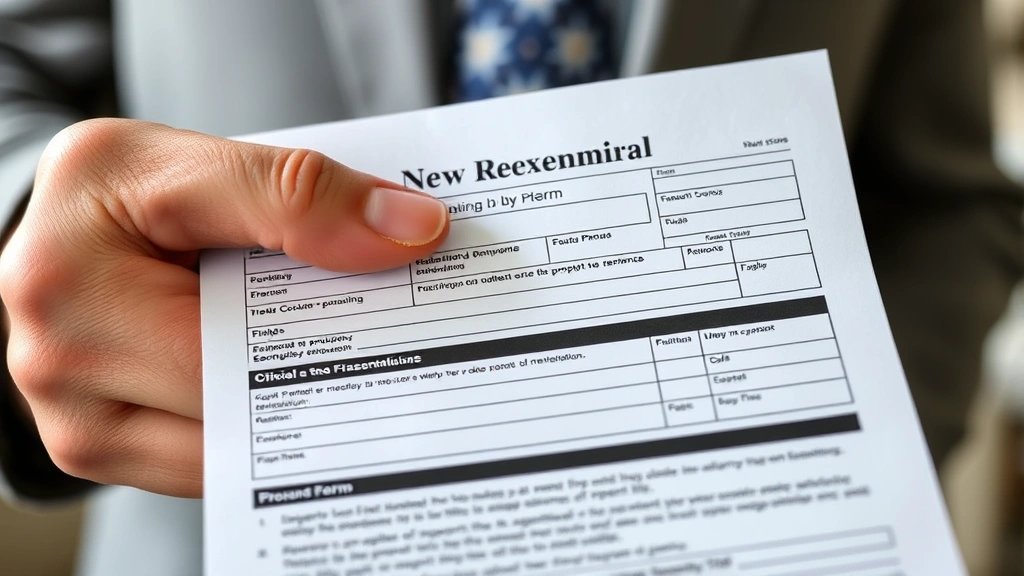
The application process varies slightly by program, but most applications go through your county assessor’s office. For the homestead exemption and freeze program, you’ll typically file Form 1A with your county. For the senior reimbursement program, you’ll file a separate application, often with the state directly or through your county.
Timing matters significantly. Most programs have application deadlines in October or November for that tax year’s relief. Missing the deadline means waiting until the next year to apply. Set a calendar reminder in September to ensure you don’t miss the window. Some counties allow applications year-round, but applying early ensures no processing delays.
You’ll need documentation including proof of residency, proof of age, income verification (tax returns or Social Security statements), and proof of ownership (deed or tax bill). Check your local tax assessor’s website for specific forms and requirements in your municipality. Many counties now offer online applications, making the process simpler.
If the application process feels overwhelming, don’t hesitate to ask your county assessor’s office for help. These professionals deal with property tax relief applications daily and can walk you through the requirements. Some senior centers and community organizations also offer free assistance with applications.
Maximizing Your Tax Relief Savings
Smart seniors don’t just apply for one program—they strategically combine programs to maximize total relief. The homestead exemption and freeze program can work together. The senior reimbursement program can stack with these. If you’re a disabled veteran, you’ve got even more options.
Here’s a practical strategy: first, apply for the homestead exemption (it’s available to most homeowners and provides immediate relief). Then apply for the senior reimbursement program if you meet income requirements—this gives you cash back for past taxes. Finally, explore whether you qualify for the freeze program to lock in your assessment long-term.

Consider also whether inheritance tax NJ implications affect your planning if you’re concerned about leaving property to heirs. Understanding the full tax picture helps you make informed decisions about holding versus selling.
Don’t overlook municipal property tax abatement programs. Some towns offer additional local relief programs beyond the state programs. Your county assessor can tell you if your municipality has supplemental programs. Some communities offer abatements for seniors who make home improvements or for certain types of properties.
Frequently Asked Questions
Can I get property tax relief if I’m still working?
Yes, absolutely. The programs don’t require you to be retired. They’re based on age (usually 65+) and income level, not employment status. If you’re 65 and still working but have income below the limits, you qualify. Even if you’re above the income limits, you might qualify for partial relief depending on the program.
What if I own my home with my spouse?
Both spouses don’t need to be 65 for most programs—typically, one spouse being 65 is sufficient. However, household income is calculated for both spouses combined. The good news is that married couples often have more flexibility in managing income for tax purposes, so consult with a tax professional about your specific situation.
Can I apply retroactively for past years?
Yes, for the senior reimbursement program, you can often claim back years if you didn’t apply previously. The lookback period varies, but many seniors discover they’re eligible for $2,000-$5,000 in unclaimed refunds from prior years. Contact your county assessor immediately to ask about retroactive claims.
Do I lose relief if my income increases?
Not necessarily. Most programs have income limits, but they also have phase-out ranges. You might receive reduced relief rather than nothing. Additionally, income limits increase annually with inflation, so an income increase might not push you over the limit. Check your eligibility each year rather than assuming disqualification.

What happens when I sell my home?
Your relief programs end when you sell. The homestead exemption, freeze program, and reimbursement benefits are tied to your ownership and occupancy. If you move to a new home, you can apply for relief on the new property if you meet the eligibility requirements. This is actually an important consideration in retirement planning.
Can renters get property tax relief?
Renters are not eligible for these programs—they’re specifically for homeowners. However, some states offer rent rebate programs for seniors. New Jersey doesn’t currently have a statewide rent rebate program, but it’s worth checking with your municipality about local assistance programs.
How long does the application process take?
Processing times vary by county, but typically expect 2-4 months from application to approval. Applications submitted early in the season process faster than those submitted near deadlines. The state reimbursement program can take 4-6 months. Don’t expect immediate relief—plan accordingly in your budget.
Summary
New Jersey’s five essential property tax relief programs—homestead exemption, senior reimbursement, property tax freeze, veterans exemption, and disability deduction—can save seniors thousands annually. The key is understanding which programs you qualify for and applying strategically. Start by contacting your county assessor’s office, gather your documentation, and don’t miss application deadlines. Many seniors leave substantial money on the table simply by not applying. Whether you’re looking for immediate relief through reimbursement or long-term protection through the freeze program, these programs exist specifically to help you stay in your home affordably.