The NJ senior property tax freeze is one of the most valuable tax relief programs available to older homeowners in New Jersey, potentially saving you thousands of dollars annually on property taxes. If you’re a senior homeowner struggling with rising property tax bills, this program might be your ticket to financial breathing room.
Table of Contents
What Is the NJ Senior Property Tax Freeze?
New Jersey’s Senior Freeze Program is a state-administered benefit that freezes your property tax assessment at a specific level, protecting you from future increases. Think of it as a cap on your property taxes—once you’re approved, your assessment stays locked in place, even if your home’s market value skyrockets.
Here’s how it works: When you qualify for the program, the state essentially says, “Your property tax assessment as of a certain date is now frozen.” If your property would normally be reassessed higher in future years, you don’t pay that increase. Instead, you pay taxes based on your frozen assessment amount. This is different from a rebate or exemption—it’s a permanent freeze on your assessment level.
The program was created specifically to help seniors on fixed incomes avoid the burden of escalating property taxes. Since many seniors live on pensions and Social Security, unexpected tax increases can force them out of their homes. New Jersey recognized this problem and created a solution that’s genuinely helpful.
Eligibility Requirements Explained
Not every senior qualifies for the NJ property tax relief for seniors freeze program. The state has specific criteria you must meet. Let’s break down what actually disqualifies you versus what doesn’t.
Age Requirement: You must be at least 65 years old as of October 1st of the year you apply. There’s no upper age limit—this program works for seniors in their 80s, 90s, and beyond.
Residency Requirement: You must own and live in your New Jersey home as your primary residence. If you own rental properties or vacation homes, those don’t qualify. Your principal residence is what matters here.
Ownership Duration: You need to have owned your home for at least 10 consecutive years before applying. This requirement exists to prevent people from buying homes specifically to claim the freeze benefit.
Income Limits: Your gross income must fall below specific thresholds set annually by the state. For 2024, these limits are relatively modest—we’ll cover exact numbers in the next section.

What Doesn’t Disqualify You: You can still apply if you’re receiving Social Security, pension income, or investment returns. You can own other property out of state. You can have adult children living with you (though their income may count). Being married doesn’t disqualify you—joint income is what matters.
Income Limits and Asset Rules
This is where many seniors get confused. The income limits for the Senior Freeze Program are surprisingly low by modern standards, which means many middle-class seniors don’t qualify.
For the 2024 tax year, the gross income limit is approximately $31,000 for single filers and $38,000 for joint filers. These numbers can vary slightly year to year, so always check the current year’s official limits with the New Jersey Department of Taxation.
“Gross income” includes Social Security benefits, pension payments, wages, interest, dividends, capital gains, rental income, and distributions from retirement accounts. It’s almost everything except certain disability benefits.
Asset Limits: New Jersey also imposes net asset limits (excluding your home). For 2024, your net assets cannot exceed approximately $289,000 for single filers or $365,000 for joint filers. Net assets include bank accounts, investment accounts, and other property—but NOT your primary residence.
Here’s the frustrating part: Many seniors who worked hard, saved responsibly, and accumulated modest retirement savings find themselves just over these limits. If you’re close to the threshold, it’s worth consulting with a tax professional about strategies to bring your income or assets below the limit.
How to Apply for Freeze
The application process for the NJ senior property tax freeze is straightforward, but timing matters. You can’t just apply whenever you feel like it—there’s a specific window.
Application Period: Applications are typically accepted from October 1st through December 15th each year. Mark these dates on your calendar. If you miss the deadline, you’ll have to wait until the next application period.
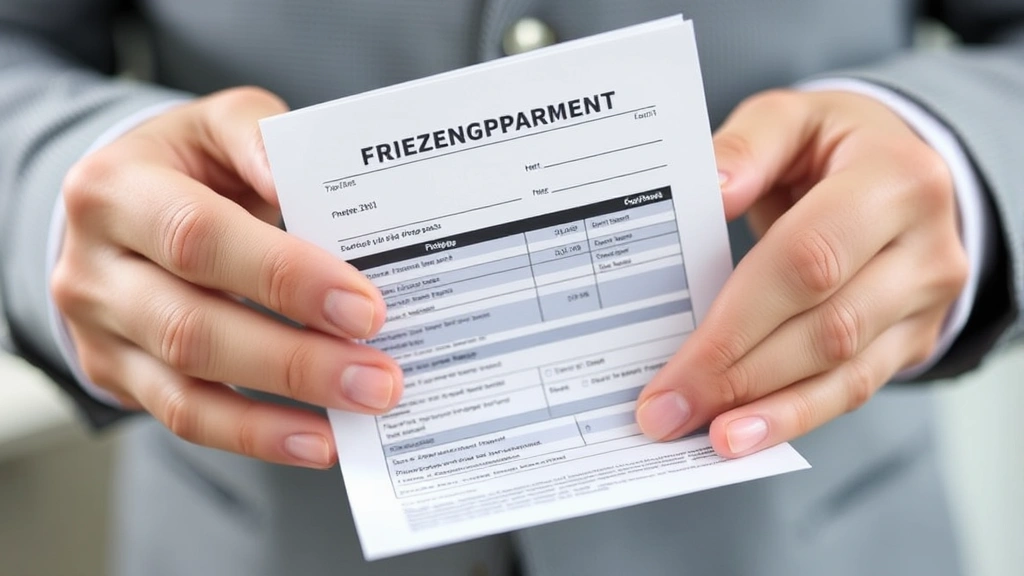
Required Documents: Gather these before you start:
- Proof of age (birth certificate or driver’s license)
- Proof of residency (utility bill or lease)
- Proof of home ownership (deed or property tax bill)
- Last two years of income documentation (tax returns, Social Security statements, pension statements)
- Bank statements showing net assets
- Copy of your property tax bill
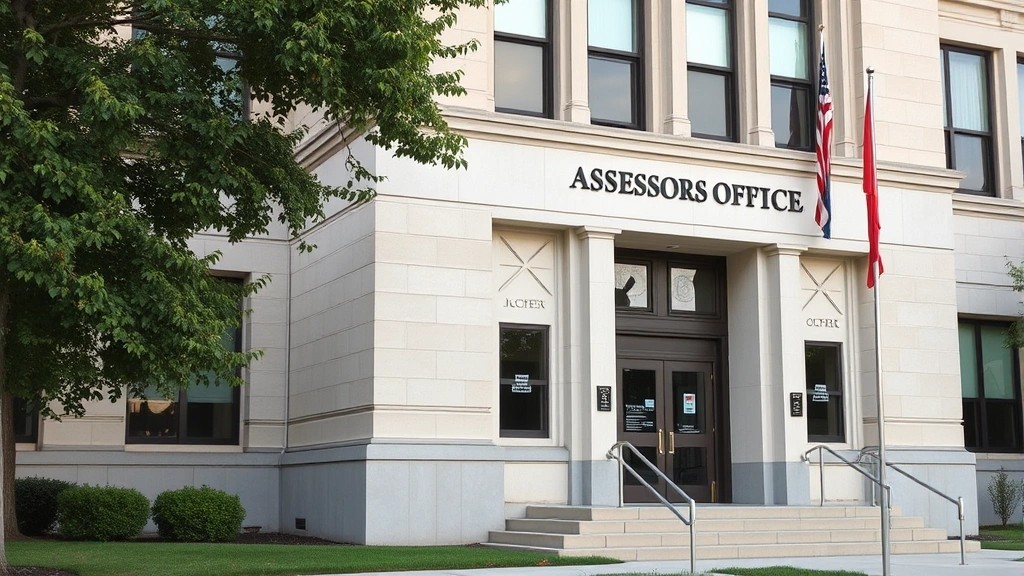
Where to Apply: Submit your application to your county assessor’s office. You can apply in person, by mail, or increasingly, online through New Jersey’s tax portal. Each county has its own office, so search for “[Your County] Assessor’s Office” to find contact information.
Processing Timeline: After submission, expect a decision within 3-4 months. The state will notify you by mail whether you’ve been approved or denied. If denied, you have the right to appeal within a specific timeframe.
Pro tip: Apply early in the October-December window rather than waiting until December. This gives the assessor’s office more time to process your application without the year-end rush.
Benefits You’ll Actually Receive
Let’s talk money. What does the freeze actually save you? The answer depends on your specific situation, but here’s the framework.
Once approved, your property tax assessment is frozen at the level it was when you applied. Future reassessments don’t affect you. If your home would normally be reassessed from $400,000 to $450,000 (a 12.5% increase), your assessment stays at $400,000.
In a state like New Jersey where property tax rates average around 0.8% of assessed value, a $50,000 assessment freeze could save you roughly $400 per year. Over a decade, that’s $4,000. Over 20 years, it’s $8,000. For seniors on fixed incomes, this compounds into real financial relief.
The Deferral Component: Here’s something many people don’t realize: The freeze program also allows you to defer property taxes beyond the frozen amount. If your property’s value increases and your tax bill rises due to rate increases (not assessment increases), you can defer paying those taxes. The state places a lien on your property, and the deferred taxes are paid from your estate when you sell or pass away.

This deferral option is powerful because it means you can stay in your home even if property taxes rise due to municipal budget increases. You’re not forced to sell because you can’t afford the tax bill.
Check the New Jersey property tax relief details for comprehensive information on all relief options available to you.
Common Application Mistakes
After years of helping seniors navigate tax relief programs, I’ve seen the same mistakes repeatedly. Avoid these and you’ll have a much smoother application experience.
Mistake #1: Misreporting Income Many seniors accidentally include income they shouldn’t count. Social Security is taxable income for this program, even though it’s not taxed federally if it’s your only income. Some people forget to include interest from savings accounts or gains from selling investments. Be thorough and conservative—it’s better to report too much income than too little.
Mistake #2: Including Your Home in Net Assets Your primary residence doesn’t count toward the asset limit. Some applicants mistakenly subtract their home value from their total assets, which actually makes their asset picture look better than it is. Don’t do this—report your net assets excluding your home.
Mistake #3: Missing the Deadline This seems obvious, but I can’t stress it enough. December 15th is a hard deadline. Applications received on December 16th are rejected. Set a reminder for early October to start gathering documents.
Mistake #4: Incomplete Documentation Submitting an application without all required documents wastes everyone’s time. The assessor’s office will request missing items, delaying your approval. Gather everything upfront.
Mistake #5: Not Understanding the Freeze Level Some seniors think the freeze means they pay no property taxes. It doesn’t. You still pay taxes—they’re just based on your frozen assessment, not future reassessments. Understand what you’re getting before you apply.
Alternative Tax Relief Programs
The Senior Freeze Program is excellent, but it’s not the only option. If you don’t qualify for the freeze, other programs might help.
Senior Homeowner Property Tax Deduction: This is different from the freeze. If you’re 65 or older and your income is below approximately $41,000 (single) or $51,000 (joint), you might qualify for a deduction on your state income tax return. This reduces your state income tax liability rather than your property tax bill, but it’s valuable money back in your pocket.
Homeowner’s Property Tax Exemption: Some municipalities offer exemptions for seniors. These vary by town, so check with your local assessor about what’s available in your area.
Tax Deferral Program (Without Freeze): Even if you don’t qualify for the freeze, you might qualify to defer property taxes. This allows you to stay in your home without paying the full tax bill each year, with the deferred amount becoming a lien on your property.
Out-of-State Alternatives: If you’re considering relocating, some states offer more generous senior property tax programs. Pennsylvania’s real estate tax rebate and other state programs might be worth exploring if you’re flexible about where you live.
The best approach is to consult with a tax professional who specializes in senior tax issues. They can review your specific situation and identify all programs you might qualify for.
Frequently Asked Questions
Can I apply for the Senior Freeze if I’m 64 but turning 65 before the freeze takes effect?
Yes. The requirement is that you be 65 as of October 1st of the application year. If you turn 65 by October 1st, you can apply during that year’s application period. You don’t have to wait until you’re already 65 when you apply.
What happens to my freeze if I sell my home?
The freeze is tied to you and your home. If you sell, the freeze ends. The new owner doesn’t inherit your frozen assessment. However, if you purchase another home in New Jersey and meet all eligibility requirements, you can apply for a new freeze on your new property.

Does the freeze apply to school property taxes?
Yes. The frozen assessment applies to your entire property tax bill, including school taxes, municipal taxes, and county taxes. The freeze covers all components of your property tax.
Can my spouse apply if I don’t meet the income requirement?
No. The freeze is based on household income. If you’re married and file taxes jointly, your combined income is what matters. Both spouses must meet age and residency requirements, but income is evaluated at the household level.
If I’m denied, can I appeal the decision?
Absolutely. You have 45 days from the denial notice to appeal to your county tax board. If you believe the decision was wrong, file an appeal. Many successful appeals involve documentation showing income or assets were miscalculated.
How long does the freeze last?
The freeze lasts as long as you own and occupy the home as your primary residence. If you move or sell, it ends. There’s no expiration date while you’re living there. This is a permanent benefit.
Will getting the freeze affect my Medicare or other benefits?
No. The Senior Freeze Program is a property tax program administered by the state tax department. It’s not a means-tested benefit like Medicaid or SSI, so it doesn’t count against income limits for other programs. You can receive the freeze without affecting Medicare, Medicaid, or other benefits.
Final Thoughts
The NJ senior property tax freeze is a genuine lifeline for eligible seniors. If you’re 65 or older, own your home, and meet the income and asset requirements, this program can provide meaningful financial relief for as long as you live in your home.
The key is understanding your eligibility, gathering proper documentation, and applying during the October-December window. Don’t put it off—thousands of New Jersey seniors benefit from this program every year, and you could be next.
If you’re close to the income or asset limits, explore whether you can adjust your situation to qualify. Sometimes strategic charitable giving, Roth conversions, or other tax planning moves can help. Work with a tax professional if needed—the cost of professional advice often pays for itself many times over through tax savings.
Property taxes are one of the largest expenses for homeowners, especially in New Jersey. Taking advantage of every available relief program is smart financial planning. Don’t leave money on the table.