

The NYC food tax is one of those hidden costs that catches New Yorkers off guard at the checkout counter. Unlike most states, New York has a quirky system where some foods are taxed and others aren’t—and the rules are more complicated than you’d think. Whether you’re buying groceries for the week or grabbing lunch, understanding what gets taxed in New York City can help you budget smarter and avoid surprises when the bill arrives.
Table of Contents
What Is NYC Food Tax?
New York State and New York City impose sales tax on certain food and beverage purchases, but not all. The NYC food tax system distinguishes between groceries (mostly tax-exempt) and prepared foods (typically taxed). This dual system exists because lawmakers traditionally exempt unprepared food items from sales tax, treating them as necessities. However, when food is prepared or ready-to-eat, it’s classified differently and subject to taxation.
The current combined sales tax rate in New York City is 8.875%, which includes state, city, and local taxes. However, this rate applies only to taxable items. Understanding which foods fall into each category can save you real money, especially if you’re feeding a family or managing a tight budget.
Taxable Food Items in NYC
Several categories of food purchases are subject to NYC sales tax. Knowing these helps you anticipate costs at checkout.
Prepared and ready-to-eat foods are the primary taxable category. This includes hot foods, foods sold by weight, foods in single servings, and items sold at food service establishments. Think rotisserie chicken, deli counter items, bakery items (when sold warm), and anything designed for immediate consumption.
Beverages are almost always taxed in NYC, with few exceptions. Soda, energy drinks, bottled water, coffee, juice, and alcoholic beverages all carry the full sales tax. The only exception is milk and certain plant-based milk alternatives, which are tax-exempt as grocery items.
Snack foods and candy purchased at retail also face taxation. This includes chips, cookies, crackers, chocolate bars, and similar items. The logic is that these are often consumed immediately rather than prepared as meals at home.
Hot food items are always taxed, even if purchased from a grocery store deli. If it’s heated for sale, it’s taxable. This applies to rotisserie chickens, hot pizza by the slice, warm sandwiches, and similar items.
Tax-Exempt Groceries
New York State’s tax-exempt food list is actually quite generous compared to other states. Most staple grocery items escape taxation, which is why your supermarket receipt often shows a lower tax burden than you’d expect.
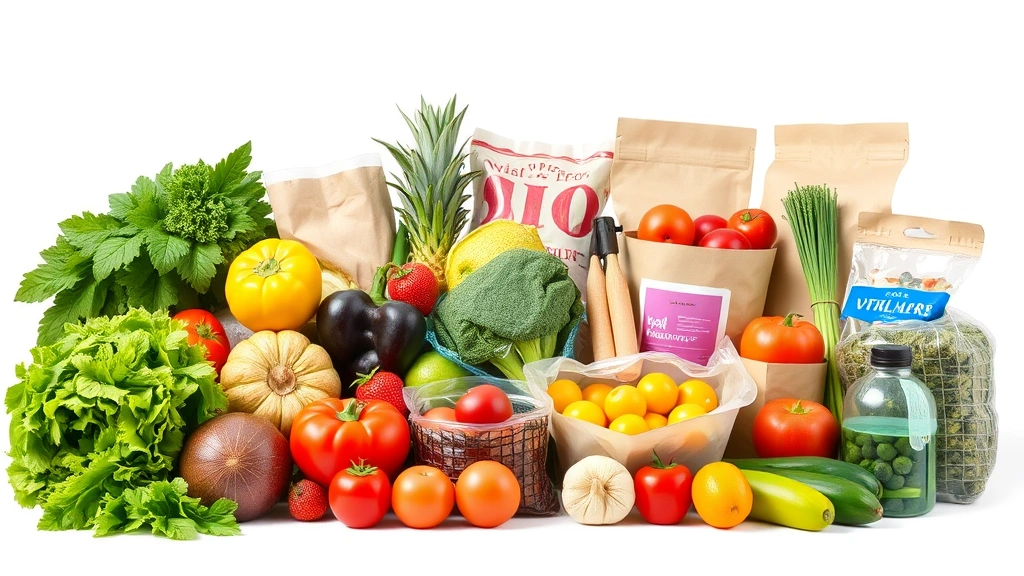
Uncooked and unprepared foods are generally tax-exempt. This includes raw vegetables, fruits, meat, poultry, fish, eggs, milk, bread, flour, sugar, oil, and most pantry staples. The key word is “unprepared”—if you’re buying ingredients to cook at home, you’re likely getting a tax break.
Frozen and canned foods are also exempt, as long as they’re not “ready-to-eat” or “heat-and-serve” items. A frozen vegetable medley is tax-free, but a frozen pizza is taxed. The distinction hinges on whether the food requires preparation or is ready for immediate consumption.
Bakery items sold cold avoid taxation. A bagel from the bakery counter is tax-free when sold cold, but that same bagel toasted and served warm becomes taxable. This is where the system gets genuinely confusing for shoppers.
Condiments and seasonings are tax-exempt when purchased uncooked. Salt, spices, vinegar, and similar items don’t carry sales tax.
Prepared Foods and Takeout Rules
The prepared foods category is where NYC’s food tax rules become tricky. The distinction between taxable prepared foods and tax-exempt groceries isn’t always obvious.
Foods sold hot are always taxable, regardless of where you buy them. A hot sandwich from a deli counter is taxed. A hot rotisserie chicken is taxed. If it’s heated for sale, expect to pay tax.
Foods sold in single servings designed for immediate consumption are taxable. This includes pre-made salads, sandwiches, wraps, and similar items sold ready-to-eat. However, a loaf of bread or unsliced deli meat remains tax-exempt because it’s not a prepared single serving.
Foods sold by weight from bulk bins or deli counters are typically taxed. The reasoning is that these are usually prepared for immediate consumption rather than stored for later use.

Delivery and takeout follow the same rules as in-store purchases. If the food would be taxed in the restaurant, it’s taxed when you order for delivery. Check your receipt—you’ll see the tax applied to prepared items.
Restaurant Dining and Full Taxes
Eating at a restaurant in NYC means paying the full 8.875% sales tax, plus tip. This applies to all restaurant meals, whether you dine in or take out.
Sit-down restaurants charge sales tax on the entire bill before tip. If your meal costs $50, you’ll pay $4.44 in tax. Tips are calculated on the pre-tax amount by most people, though some calculate on the after-tax total.
Quick-service and fast-casual restaurants apply the same tax rules. A $15 bowl from a fast-casual chain gets hit with the full 8.875% tax. This is why your actual cost often exceeds the menu price.
Bars and alcohol are fully taxed. Cocktails, beer, wine, and spirits all carry the 8.875% sales tax in addition to any alcohol-specific taxes. New York also has an additional layer of state taxes affecting your overall NYC finances, so understanding all tax implications helps with budgeting.
Coffee shops and cafes follow prepared food rules. A hot coffee is taxed. An iced coffee is also taxed (it’s still a prepared beverage). A pastry sold cold at the counter is tax-free, but that same pastry warmed up becomes taxable.
Current NYC Sales Tax Rates
New York City’s combined sales tax rate of 8.875% is composed of multiple layers:
State sales tax: 4%
City sales tax: 4.5%
Metropolitan Commuter Transportation District (MCTD) tax: 0.375%
This combined rate applies to all taxable items in NYC. It’s higher than many other states, so budgeting for food costs requires accounting for this tax on applicable purchases.
For comparison, other states like Maine have different tax structures, and some states offer tax-free shopping periods for certain items. NYC has no such exemption periods for food.
Money-Saving Strategies
Understanding NYC’s food tax rules opens up practical ways to reduce your food costs.
Buy unprepared ingredients instead of prepared foods. Raw chicken costs less and avoids tax; rotisserie chicken is convenient but taxed. Buying a head of lettuce and making salad at home saves both money and tax compared to pre-made salads.
Shop strategically at delis and bakeries. Ask for items cold if possible. A cold sandwich is tax-free; a warm one is taxed. Cold bakery items avoid tax, while warm items don’t.
Buy groceries instead of eating out. Even accounting for the convenience factor, prepared foods at restaurants or delis carry full tax plus markup. Your grocery bill’s tax burden is significantly lighter.
Use grocery delivery services wisely. Some services may bundle prepared and unprepared items. Reviewing your receipt helps you understand what was taxed and why.
Track your spending. If you’re on a tight budget, monitor whether you’re spending more on taxed items than you realize. Small changes in purchasing habits compound over time.
Special Circumstances and Exemptions
Certain situations create exceptions or special handling under NYC’s food tax rules.
WIC and SNAP benefits can only be used for tax-exempt food items. This means prepared foods and beverages don’t qualify. The program deliberately restricts purchases to unprepared groceries.
School meals are often exempt from sales tax, though this varies by program. Free and reduced-price school lunches don’t involve sales tax calculations.
Catering and bulk orders sometimes receive different treatment depending on how they’re classified. A single sandwich is taxed; catering for 50 people might be handled differently. Always ask about tax treatment when ordering in bulk.
Senior and disability discounts don’t affect sales tax; tax is calculated on the discounted price. If an item is taxable, it remains taxable even with a discount applied.
Non-profit and institutional food service may have special tax treatment, but this rarely applies to individual consumer purchases.
Frequently Asked Questions
Is pizza taxed in NYC?
Yes, pizza is taxed in NYC. Hot pizza by the slice or a whole pie is considered a prepared food and subject to the full 8.875% sales tax. Cold pizza that’s been sitting out also gets taxed because it’s sold as a prepared item.
Are groceries taxed in New York?
Most unprepared groceries are not taxed in New York. Raw vegetables, meat, bread, milk, canned goods, and frozen vegetables are tax-exempt. However, prepared foods, hot items, and certain snacks are taxed.

What about coffee and beverages?
All prepared beverages are taxed in NYC, including coffee, tea, juice, soda, and energy drinks. The only exception is milk and certain milk alternatives, which are grocery items and tax-exempt when purchased unprepared.
Do food delivery apps charge tax?
Yes, food delivery apps charge sales tax on all taxable items. The tax is applied based on whether the food is prepared or unprepared, following the same rules as in-person purchases. Additionally, delivery fees and service charges may have their own tax treatment.
Is tax included in menu prices?
No, menu prices in NYC restaurants do not include sales tax. The 8.875% tax is added at checkout. This is why your actual bill is higher than the menu price.
Can I get tax-free food with SNAP benefits?
Yes, SNAP (food stamps) benefits can only purchase tax-exempt food items. Prepared foods, hot items, and certain snacks don’t qualify. The program is designed to help people buy groceries, not prepared meals.
Conclusion
NYC’s food tax system rewards careful shopping and meal planning. While the rules seem confusing initially—taxing hot pizza but not cold bread, taxing beverages but not milk—they follow a logical principle: unprepared groceries are tax-exempt, while prepared and ready-to-eat foods are taxed.
By understanding which items carry the 8.875% sales tax, you can make smarter purchasing decisions that align with your budget. Buying ingredients and cooking at home saves both money and taxes compared to eating out or buying prepared foods. When you do buy prepared items, knowing the tax will be added helps you avoid sticker shock at checkout.
If you’re working on optimizing your overall finances in New York, remember that managing your paycheck and understanding all tax implications is equally important. Food costs are just one piece of your financial picture, but they’re an area where daily decisions add up quickly. Take time to understand these rules, and you’ll find real savings opportunities in your grocery budget.
For more information on New York tax topics and financial planning, visit the Paycheck Advisor blog for additional resources and insights.


