

If you work or do business in Ohio, understanding Ohio RITA taxes is essential to staying compliant and keeping more of your hard-earned money. RITA—the Regional Income Tax Agency—is a unique Ohio institution that collects income taxes on behalf of municipalities across the state. Unlike federal income tax, which goes straight to Washington, RITA taxes fund local services in your community, from police and fire departments to schools and infrastructure. But here’s the thing: most people have no idea how RITA works, what they actually owe, or how to minimize what they pay. That confusion costs Ohioans thousands annually.
Table of Contents
What Is RITA, Exactly?
RITA is Ohio’s Regional Income Tax Agency, established in 1971 to streamline tax collection for municipalities that don’t have the resources to manage income tax independently. Think of it as a middleman between you and your city or village. When you live or work in an Ohio municipality, a portion of your income tax goes to RITA, which then distributes it to your local government. This is separate from—and in addition to—your federal income tax and Ohio state income tax.
The key difference from other states? RITA is not a state agency. It’s a regional collection system run by and for participating municipalities. This means RITA tax rates, filing requirements, and rules vary depending on which Ohio city or village you’re in. Columbus, Cleveland, Cincinnati, and hundreds of smaller towns all have their own RITA arrangements. That’s why a blanket answer to “What are Ohio RITA taxes?” doesn’t exist—it depends on your location.
Who Pays RITA Taxes?
You owe RITA taxes if you live or work in an Ohio municipality that participates in RITA. The “or” is crucial here. Even if you live in a non-RITA community but commute to work in a RITA city, you typically owe taxes to that city. Conversely, if you live in a RITA city but work remotely or in a non-RITA area, you might owe taxes to your home municipality instead.
RITA taxes apply to:
- W-2 employees – Wages are subject to withholding by your employer
- Self-employed individuals – You pay estimated taxes quarterly or annually
- Gig workers – Income from side hustles, freelancing, and contract work
- Business owners – Net profit from pass-through entities (LLCs, S-corps, sole proprietorships)
- Retirees – Pension and retirement account distributions in some municipalities
If you’re a resident of a RITA municipality, you typically owe taxes on all income, regardless of where you earn it. This is called “resident tax” and it’s broader than just your local employment income. Non-residents working in a RITA city owe taxes only on income earned in that municipality.
RITA Tax Rates & Credits
Here’s where things get complicated. RITA tax rates are not uniform across Ohio. Most municipalities charge between 1% and 2.5% of taxable income, though rates vary significantly. Columbus, for example, has a 2.5% rate, while some smaller towns charge 1% or less. You need to know the specific rate for your municipality—it’s not a guessing game.
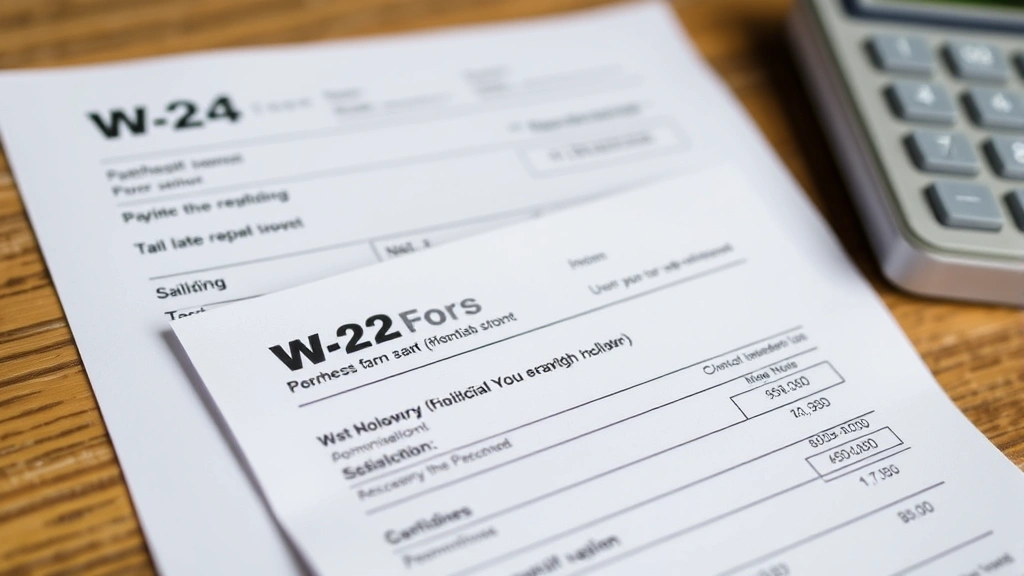
The good news? You typically get a tax credit for taxes paid to another municipality. If you work in Columbus (2.5% rate) but live in a suburb with a 1.5% rate, you don’t pay both in full. Instead, you pay the higher rate to Columbus and get a credit against your home municipality taxes. This prevents double taxation, which is a lifesaver for people who work and live in different RITA areas.
To find your specific RITA rate and rules, visit your municipality’s website or contact RITA directly at rita.org. They maintain an updated directory of all participating municipalities and their tax rates. Don’t rely on guesses or outdated information—rates change, and you need the current numbers.
Filing Deadlines & Requirements
RITA filing deadlines typically mirror federal tax deadlines: April 15th for the prior year’s taxes. However, some municipalities have different rules, and extensions are available if you file federal extensions. If you’re an employee with taxes withheld by your employer, you might not need to file a separate RITA return if your withholding was accurate. But if you’re self-employed, have side income, or underpaid during the year, you’ll need to file and pay any balance due.
The filing process varies by municipality. Some use RITA’s online system (rita.org), while others have their own portals. Most allow electronic filing, which is faster and more reliable than paper returns. If you’re owed a refund, filing electronically typically gets you your money faster—sometimes within 4-6 weeks instead of months.
Pro tip: If you work in multiple RITA municipalities, you might need to file returns in each location. This is where things get messy. You’ll want to track your income by municipality and ensure you’re claiming the right credits to avoid overpaying. Many people in this situation benefit from working with a tax professional—the cost is often worth the savings.
Working Multiple Jobs
Let’s say you work part-time in Columbus and part-time in a suburb. Or you have a day job in one city and a freelance client in another. This is where RITA taxes become genuinely confusing for most people. Here’s the rule: you owe taxes to each municipality where you earn income, at that municipality’s rate, on the income earned there.

The tax credit system helps prevent overpaying, but you need to file correctly to claim those credits. If you earn $40,000 in Columbus (2.5% rate) and $20,000 in a suburb (1.5% rate), you’d calculate taxes like this:
- Columbus: $40,000 × 2.5% = $1,000
- Suburb: $20,000 × 1.5% = $300
- Total owed: $1,300 (assuming no other credits apply)
But if your employer withheld taxes at the wrong rate, you might have overpaid and qualify for a refund. This is why tracking your income by source and municipality matters. Use a spreadsheet or accounting software to stay organized. Your future self (and your accountant) will thank you when tax time rolls around.
Getting RITA Refunds
If you overpaid RITA taxes during the year—because your employer withheld too much, you had a major life change, or you qualify for credits you didn’t claim—you’re entitled to a refund. The refund process is straightforward but requires you to file a return and claim your overpayment.
Common reasons for RITA overpayment include:
- Employer withheld at the wrong rate (you moved municipalities mid-year)
- You worked only part of the year but had withholding for the full year
- You qualify for a credit you didn’t claim (e.g., taxes paid to another state)
- Your income dropped significantly, and your withholding didn’t adjust
To claim a refund, file your RITA return showing the overpayment. Most municipalities process refunds within 4-8 weeks if you file electronically. Paper returns take longer—sometimes 2-3 months. If you’re owed a large refund, don’t delay filing. That’s your money sitting in a municipal account earning nothing for you.
One caveat: some municipalities have different calculation methods for tax rates, which can affect your refund amount. If you’re unsure whether you’re owed money, contact your municipality’s tax office directly. They can review your withholding and give you a clear answer.
Business Owners & RITA
If you own a business in Ohio, RITA taxes are part of your compliance picture. As a self-employed person or business owner, you’re responsible for calculating and paying RITA taxes on your net business income. This is different from W-2 employees, whose employers handle withholding.
Here’s what you need to do:
- Determine your net profit – This is your business revenue minus deductible expenses
- Identify your tax jurisdiction – Which RITA municipality(ies) apply to your business?
- Calculate estimated taxes – Most municipalities require quarterly estimated payments
- File your annual return – Reconcile your estimated payments with actual income
Many business owners overlook RITA taxes because they’re focused on federal and state obligations. But missing RITA payments can result in penalties, interest, and collection action just like federal taxes. If you operate in multiple municipalities—say, you have clients in Columbus and Cincinnati—you need to track income by location and pay accordingly.
Related to business taxation, understanding concepts like business privilege tax can help you navigate Ohio’s full tax landscape. Additionally, if you sell vehicles as part of your business, you’ll want to familiarize yourself with Ohio auto sales tax rules.
Avoiding RITA Mistakes
After years of helping clients navigate Ohio taxes, I’ve seen the same RITA mistakes repeatedly. Here are the biggest ones and how to avoid them:
Mistake #1: Not Knowing Your Rate – People often assume RITA rates are the same everywhere. They’re not. Find your municipality’s exact rate before filing. A 1% difference on a $50,000 income means $500 in unnecessary taxes.

Mistake #2: Forgetting Tax Credits – If you work in one municipality and live in another, you might qualify for credits that reduce your total tax burden. Don’t file without checking. Related to this, understanding concepts like Columbus Ohio sales tax structures can give you insight into how Ohio’s tax system works holistically.
Mistake #3: Not Filing When You Should – Even if your employer withheld taxes, you might need to file a RITA return to claim refunds or reconcile multiple-municipality income. Check with your municipality—don’t assume you’re off the hook.
Mistake #4: Mixing Up RITA and State Income Tax – These are separate. You owe both. Some people pay one and think they’re done. You’re not. Ohio state income tax is a separate liability.
Mistake #5: Ignoring Side Income – That freelance gig, rental income, or online business? It’s subject to RITA taxes too, if you’re in a RITA municipality. Report it. Many self-employed people underpay because they don’t realize side income triggers local tax obligations.
Frequently Asked Questions
Do I owe RITA taxes if I work remotely for an out-of-state company?
It depends on where you live. If you’re a resident of a RITA municipality, you typically owe taxes on all your income, regardless of where your employer is located. If you’re a non-resident working remotely for an out-of-state company, you likely don’t owe RITA taxes—but check your home municipality’s rules to be sure.
Can I deduct RITA taxes on my federal return?
Yes, RITA taxes are deductible as state and local taxes (SALT) on your federal return, subject to the $10,000 annual cap. This is one silver lining—your RITA burden reduces your federal taxable income, though the benefit is capped.

What happens if I don’t pay RITA taxes?
Your municipality can pursue collection action, including wage garnishment, bank levies, and liens on property. Penalties and interest accrue quickly. If you owe, it’s better to work out a payment plan than to ignore it. Contact your municipality’s tax office to discuss options.
Do retirees owe RITA taxes?
It depends on your municipality and the type of income. Some RITA municipalities tax pension and Social Security income, while others exempt it. Check your specific municipality’s rules. If you’re moving to Ohio in retirement, this should factor into your decision about where to live.
How do I file RITA taxes if I’m self-employed?
Visit your municipality’s website or rita.org to access the filing portal. You’ll report your net business income and pay any taxes owed. Most municipalities require quarterly estimated payments to avoid penalties. Keep detailed records of your income and expenses to support your filing.
Can I get an extension for RITA taxes?
Most municipalities allow extensions if you file a federal extension. However, you typically must still pay estimated taxes by the original deadline to avoid penalties. Contact your municipality for specific extension procedures.
Bottom Line
Ohio RITA taxes aren’t glamorous, but they’re a real obligation that affects your paycheck and bottom line. The key to managing them effectively is understanding your specific municipality’s rules, knowing your tax rate, tracking income by location if you work in multiple places, and filing on time. Don’t leave money on the table by missing refunds or overlooking credits. If you’re unsure about your RITA situation—especially if you’re self-employed or work across multiple municipalities—it’s worth consulting a tax professional. The cost of an hour with a CPA can easily pay for itself in taxes saved or refunds recovered. For broader context on Ohio’s tax environment, you might also explore related topics like Kentucky sales tax rate comparisons if you work near state borders, or understand how RITA compares to other regional tax systems like Delaware corporate franchise tax structures in other states. Bottom line: know your rate, file on time, and claim every credit you’re entitled to. That’s how you take control of your Ohio RITA taxes.


