
The Ohio sales tax holiday 2024 is one of the best-kept secrets for savvy shoppers looking to stretch their dollars further. If you live in Ohio or are planning to shop there, understanding when these tax-free periods occur and what items qualify can save you hundreds of dollars on back-to-school supplies, clothing, and other essentials.
Table of Contents
What Is Ohio Sales Tax Holiday?
Ohio’s sales tax holiday is a designated period when the state temporarily suspends sales tax on specific categories of merchandise. For most Ohioans, this means you can purchase qualifying items without paying the standard 5.75% state sales tax (plus any local taxes). It’s essentially free money back in your pocket, and it’s completely legal.
The state created this program to help families manage the financial burden of back-to-school shopping, which typically falls in late summer. Unlike some other states that offer multiple tax holidays throughout the year, Ohio has traditionally focused on one main event. Understanding the nuances of what qualifies and when the holiday runs is crucial to maximizing your savings.

2024 Holiday Dates & Schedule
In 2024, Ohio’s sales tax holiday runs for eight consecutive days, typically scheduled for early August. The exact dates for the upcoming year are critical to mark on your calendar. Most years, Ohio observes the holiday from the first Friday in August through the following Sunday, which in 2024 falls during the traditional back-to-school shopping rush.
During this window, qualifying purchases made in-store or online (if shipped to an Ohio address) are exempt from state sales tax. However, local sales taxes may still apply depending on your county and municipality. It’s worth checking with your local tax authority to understand your complete tax picture, especially if you live in a county with additional local sales tax rates.

Eligible Items & Restrictions
Not everything goes on sale tax-free during Ohio’s holiday. The state has specific guidelines about what qualifies. Generally, the following items are tax-exempt:
- Clothing and accessories under $75 per item (including shoes, socks, belts, hats)
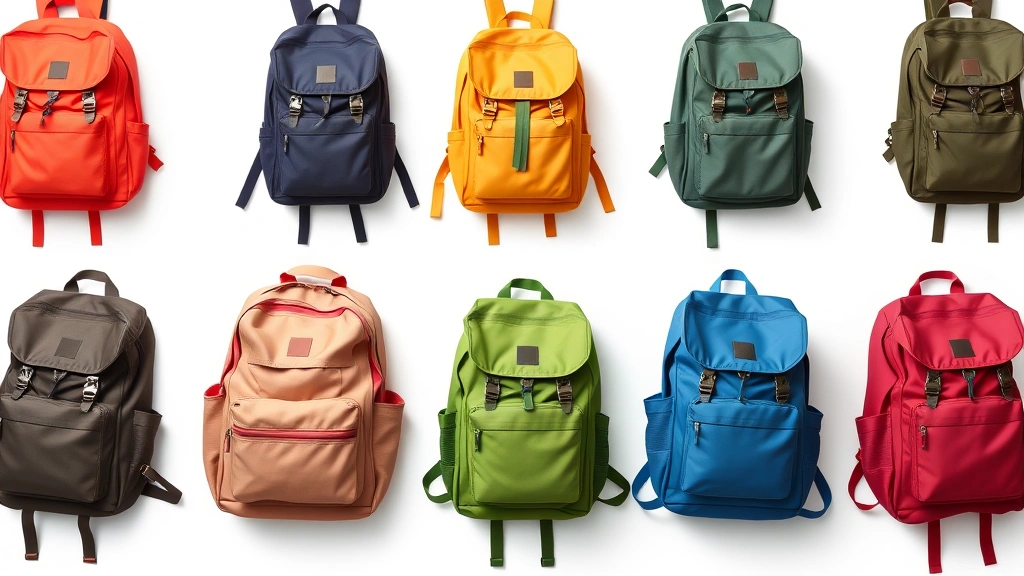
- School supplies such as notebooks, pens, pencils, folders, backpacks, and calculators
- School instructional materials like textbooks and workbooks
Items that do NOT qualify include:

- Clothing over $75 per item
- Protective equipment (helmets, goggles)
- Jewelry and watches
- Handbags and wallets (unless considered clothing accessories)
- Electronics like computers and tablets
- Furniture and office equipment
The $75 per-item cap is crucial. If you’re buying a designer coat for $150, only the first $75 is tax-exempt. The remainder is taxed at the full rate. This rule applies to individual items, not your total purchase, so strategic shopping can help you stay within limits.
Calculate Your Potential Savings
Let’s talk numbers. If you live in a county with a combined state and local sales tax of 7%, here’s what you could save:

- $200 in qualifying purchases: $14 saved
- $500 in qualifying purchases: $35 saved
- $1,000 in qualifying purchases: $70 saved
- $2,000 in qualifying purchases: $140 saved
For families with multiple children heading back to school, these savings add up quickly. A typical back-to-school budget for one child might range from $300-$800, depending on grade level and needs. Multiply that by two or three kids, and you’re looking at potential savings of $50-$200+ during that single eight-day window.
To calculate your specific savings, use this formula: (Total Qualifying Purchase Amount) × (Your Local Sales Tax Rate) = Tax Savings. You can also check our Ohio Paycheck Tax Calculator to understand your overall tax situation and budget accordingly.

Smart Shopping Strategy
Maximizing your tax holiday savings requires planning. Here’s a professional approach:
Plan Before You Shop: Make a detailed list of needed items with estimated prices. Know the $75 per-item cap and plan your purchases accordingly. If your child needs a winter coat that costs $120, you might delay that purchase until after the holiday to avoid splitting the tax treatment.

Shop Multiple Retailers: Different stores may have different inventory and pricing. Compare prices across retailers before the holiday begins. A $50 item on sale for $35 during the holiday is better than a $50 item at full price tax-free.
Online vs. In-Store: Online purchases shipped to an Ohio address qualify for the tax holiday. However, shipping dates matter—the purchase must be made during the holiday period. If you order on the last day of the holiday and it ships after, you may not qualify. Call the retailer to confirm their policy.
Track Your Purchases: Keep receipts organized. While you won’t need to claim anything on your taxes, having documentation helps if questions arise about what you purchased and when.
Don’t Overspend: The biggest mistake shoppers make is buying items they don’t need just because they’re tax-free. A $200 purchase you didn’t plan for costs $200, tax-free or not. Stick to your list and your budget.

How Ohio Compares Nationally
Ohio’s approach to sales tax holidays is fairly conservative compared to other states. Some states offer multiple tax holidays throughout the year, while others have none at all. Understanding how Ohio stacks up helps you appreciate what you have.
For perspective, consider that neighboring states have different policies. If you’re curious about sales tax rates in other regions, check out our guides on Denver CO Sales Tax Rate, Kansas City Sales Tax, and Sales Tax in Austin Texas to see how your state compares. Ohio’s single, focused holiday is designed to have maximum impact during the busiest back-to-school season.

Some states exempt food and medicine year-round, while Ohio has a more targeted approach. This means Ohio residents should be strategic about taking full advantage of the holiday window when it arrives.
Tax Implications for Businesses
If you own a retail business in Ohio, the sales tax holiday affects your operations and compliance requirements. You must properly identify and not charge sales tax on qualifying items during the designated period. Failure to do so can result in penalties and customer complaints.

Retailers should:
- Train staff on qualifying items and the $75 cap
- Update point-of-sale systems to automatically remove tax on eligible purchases
- Clearly communicate the holiday to customers through signage and advertising
- Understand how sales tax applies to vehicle purchases if you sell vehicles (different rules apply)
- Keep detailed records for tax reporting purposes
From a business perspective, the tax holiday often drives increased foot traffic and sales volume. Many retailers use it as a marketing opportunity to build customer loyalty and increase market share during a traditionally busy shopping season.

Frequently Asked Questions
When exactly does Ohio’s 2024 sales tax holiday start and end?
Ohio’s 2024 sales tax holiday typically runs for eight days in early August. The exact dates are announced by the Ohio Department of Taxation, usually in late spring. Check the official state website or contact your local tax authority for precise 2024 dates to avoid missing out.
Do online purchases qualify for the tax holiday?
Yes, online purchases qualify if they’re shipped to an Ohio address and the purchase is made during the holiday period. However, some retailers may have their own policies about when orders are considered “made.” Contact the retailer directly if you’re unsure about timing on orders placed near the holiday’s end.
What happens if an item costs exactly $75?
Items priced at exactly $75 or less are fully tax-exempt. The cap is $75 per item, so a $75 shirt is completely tax-free. Items priced above $75 have the excess amount taxed at your local rate.
Does local sales tax still apply during the holiday?
State sales tax (5.75%) is waived, but local sales taxes may still apply depending on your county and municipality. Check with your local tax authority to understand your specific situation. Some Ohio counties have local sales taxes ranging from 0.5% to 1.5% or more.
Can I return items purchased during the holiday after it ends?
Return policies are set by individual retailers and aren’t affected by the tax holiday. If you return an item purchased tax-free during the holiday, the retailer’s normal return policy applies. Some retailers may offer store credit or refunds in the original tax-free amount.
Are used items or clearance items eligible?
Generally, yes. The tax holiday applies to qualifying categories regardless of whether items are new, used, clearance, or discounted. The key is whether the item falls into an eligible category (clothing under $75, school supplies, etc.), not its condition or original price.
Final Takeaway
The Ohio sales tax holiday 2024 represents a genuine opportunity to save money on back-to-school essentials and other qualifying purchases. By understanding the dates, eligible items, and the $75 per-item cap, you can strategically plan your shopping to maximize tax savings.
Whether you’re a parent buying supplies for multiple children, a student preparing for college, or a budget-conscious shopper, the eight-day window deserves your attention. Plan your purchases in advance, track the exact dates, and stick to your list to avoid overspending.
Remember that while the tax savings are real, the best financial decision is buying only what you need at prices that fit your budget. Use the tax holiday as a bonus benefit on planned purchases, not as a reason to spend more money overall. With smart planning, you could easily save $50-$200+ during this year’s holiday period.