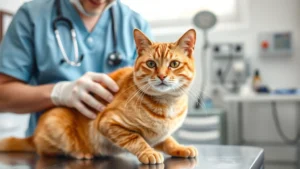
The Oregon cat tax is one of those quirky state-specific fees that catches pet owners off guard—literally and figuratively. If you’re a cat owner in Oregon, understanding how pet taxes work in your state can help you avoid surprise bills and make smarter financial decisions about cat ownership. Let’s break down what you need to know about Oregon’s approach to taxing our feline friends.
Table of Contents
What is the Oregon Cat Tax?
Oregon doesn’t technically call it a “tax”—it’s officially a pet licensing fee, but the end result is the same: you’re paying money to the state to legally own a cat. Unlike some states that only regulate dogs, Oregon requires licenses for cats too. This is actually more progressive than you might think; it helps fund animal control services and shelters that benefit the entire community.
The fee varies depending on whether your cat is spayed or neutered. If you’ve done the responsible thing and had your cat fixed, you’ll pay less. If your cat is intact (not spayed or neutered), the fee is higher—this is Oregon’s way of encouraging responsible pet ownership and reducing overpopulation in shelters.
How Oregon Pet Licensing Works
Pet licensing in Oregon is managed at the county level, which means the exact process and cost can vary slightly depending on where you live. Most Oregon counties require you to register your cat with the local animal control office or county clerk. You’ll need proof of a current rabies vaccination from a licensed veterinarian—this is non-negotiable and makes sense from a public health standpoint.
The registration process is straightforward: contact your county’s animal control department, provide proof of rabies vaccination, pay the fee, and you’ll receive a license tag. Some counties now offer online registration, which saves you a trip. Keep that license tag on your cat’s collar; it’s your proof of compliance and can help reunite you with your pet if they go missing.

2024 Cost Breakdown by County
Here’s where things get interesting. Oregon counties have autonomy in setting their licensing fees, so costs aren’t uniform across the state. As of 2024, here’s what you’re typically looking at:
- Spayed/Neutered Cats: $15–$25 per year (most common range)
- Intact Cats: $30–$50 per year (significantly higher)
- Senior Cats (age 7+): Some counties offer reduced rates, typically $10–$15
- Multiple Cats: A few progressive counties offer bulk discounts
Multnomah County (Portland area) and Marion County (Salem area) tend to be on the higher end of the spectrum, while rural counties sometimes charge less. It’s worth calling your specific county to get exact pricing. The difference between a spayed cat and an intact cat can be $15–$25 annually, which adds up over a cat’s lifetime.
Spay/Neuter Discounts Save Money
This is the biggest money-saving opportunity for Oregon cat owners. Spaying or neutering your cat isn’t just good for population control—it directly reduces your annual licensing fees. If you haven’t already done this, the upfront veterinary cost ($200–$500) will pay for itself in just a couple of years through reduced licensing fees alone.
Beyond the tax savings, spayed and neutered cats are healthier. They have lower rates of certain cancers, behavioral problems, and they won’t contribute to the feline overpopulation crisis that overwhelms Oregon shelters. Many animal welfare organizations offer low-cost spay/neuter clinics throughout Oregon if cost is a barrier. The Oregon Humane Society and local animal rescues frequently have resources to help.
Cat Registration Requirements
Oregon law requires that every cat over a certain age (typically 4–6 months, depending on your county) be licensed. You’ll need:
- Proof of current rabies vaccination (within 1–3 years, depending on vaccine type)
- Your cat’s age, color, and identifying marks
- Your name, address, and phone number
- Payment for the licensing fee
Licenses typically expire one year from the date of issue. You’ll need to renew annually—many counties send reminder notices, but it’s on you to keep track. Some people set a phone reminder or calendar alert to avoid late fees. Renewal is usually quick and can often be done by mail or online, saving you time.
What Happens if You Don’t Register
Skipping the cat tax might seem like a victimless way to save $20, but Oregon takes pet licensing seriously. Penalties for non-compliance include:
- Fines: $50–$200+ depending on your county
- Court costs: If the case escalates
- Animal impound: If animal control picks up your unregistered cat, impound fees apply
- Legal liability: If your unregistered cat bites or injures someone, you’re more exposed legally
Beyond the legal risk, unregistered cats are harder to reunite with owners if they’re lost. Animal shelters scan for microchips and check license databases first. An unregistered cat might spend time in a shelter waiting to be claimed, or worse, adopted out before you find them. The $20–$50 annual fee is cheap insurance.
How Oregon Compares to Other States
Oregon’s approach to cat taxation is actually pretty moderate. Some states don’t require cat licensing at all, while others are stricter. For context, Ohio’s tax structure includes different rules for pets, and Denver’s regulations similarly vary. States like California have use tax implications for pet purchases, while Nevada’s Reno area handles pet fees differently.
What makes Oregon interesting is that it treats cats and dogs equally—many states only license dogs. This is progressive animal policy, even if it costs you a few extra dollars. The fees fund animal control, shelters, and public health initiatives that benefit everyone.
Money-Saving Strategies for Cat Owners
Beyond the obvious spay/neuter discount, here are practical ways to minimize your Oregon cat tax burden:
- Microchip your cat: Some counties offer reduced licensing fees if your cat is microchipped, since it improves recovery rates
- Bundle multiple cats: Call your county to ask about multi-pet discounts; some offer them
- Senior cat rates: If your cat is 7+, ask if your county offers reduced rates
- Renew early: Some counties offer small discounts for early renewal
- Check for non-profit partnerships: Animal welfare organizations sometimes subsidize licensing fees for low-income residents
Another strategy is to factor pet costs into your overall budget. If you’re planning to get a cat, add $25–$50 annually to your pet care budget. Over a 15-year cat lifespan, that’s $375–$750 in licensing alone—manageable if you plan ahead.

Frequently Asked Questions
Do indoor-only cats need to be licensed in Oregon?
Yes. Oregon law requires all cats to be licensed, regardless of whether they’re indoor or outdoor cats. The licensing requirement is based on ownership, not lifestyle. However, indoor cats present lower public health risks, so some advocates argue the fee should be lower for indoor-only cats—but currently, Oregon doesn’t make this distinction.
What if my cat is not up to date on rabies vaccination?
You cannot legally license an unvaccinated cat in Oregon. You’ll need to take your cat to a veterinarian, get the rabies vaccine, and then apply for the license. If cost is a barrier, check with local animal welfare organizations about low-cost vaccination clinics.
Can I get a refund if my cat passes away mid-year?
Most Oregon counties do not offer refunds for unused portions of a license year. However, it’s worth asking your specific county—some have compassion policies for deceased pets. The fee is typically non-refundable, so plan accordingly.
How long does the registration process take?
If you apply in person with all required documents, you can usually get licensed same-day. By mail, expect 1–2 weeks. Online registration (where available) is instant. Plan ahead so you don’t accidentally operate without a valid license.

What if I move to a different Oregon county?
You’ll need to re-register with your new county. Some counties will honor licenses from other Oregon counties for a brief grace period, but you should register with your new county as soon as possible. Keep documentation of your move in case questions arise.
Are there exemptions for rescued or foster cats?
Some animal rescue organizations have exemptions or reduced rates for foster cats in their care. Contact your local rescue to ask about their policies. Licensed rescues often have agreements with county animal control that reduce licensing requirements.
Final Thoughts on Oregon Cat Ownership Costs
The Oregon cat tax isn’t a scam or a money grab—it’s a reasonable fee that funds important animal services. At $15–$50 annually depending on your cat’s status, it’s one of the smaller costs of cat ownership. The real money-savers are spaying or neutering your cat (which also improves their health) and renewing on time to avoid penalties.
If you’re a new cat owner in Oregon, budget for this fee as part of your annual pet care costs. If you’re already paying it, you’re doing the right thing by your cat and your community. And if you haven’t spayed or neutered yet, that’s your biggest opportunity to save money while also being a responsible pet owner.
Questions about your specific county’s requirements? Contact your local animal control office directly—they’re usually helpful and can answer questions about fees, discounts, and registration processes specific to your area.