
Osceola County property tax is one of the largest expenses Florida homeowners face, but understanding how it works is the first step toward reducing what you owe. Whether you’re a new resident in Kissimmee or a long-time property owner, navigating the assessment process, exemptions, and appeal options can save you thousands of dollars annually.
Table of Contents
- How Osceola Property Tax Is Calculated
- Current Tax Rates and Millage
- Homestead Exemptions and Benefits
- Challenging Your Property Assessment
- Available Tax Breaks for Homeowners
- Payment Deadlines and Options
- How Osceola Compares to Other Florida Counties
- Strategies to Reduce Your Annual Bill
- Frequently Asked Questions
How Osceola Property Tax Is Calculated
The math behind your Osceola County property tax bill isn’t mysterious—it’s actually straightforward once you understand the formula. Your annual tax obligation equals your property’s assessed value multiplied by the millage rate set by local taxing authorities.
Here’s where it gets real: the Osceola County Property Appraiser’s office determines your property’s assessed value every year, typically based on comparable sales in your neighborhood. This assessment happens whether the market is booming or busting. Unlike some states, Florida doesn’t use income or sales taxes, so property taxes fund schools, roads, emergency services, and county operations.
The millage rate—expressed in mills per $1,000 of assessed value—varies depending on which taxing districts serve your property. Your location matters enormously. A home in one part of Osceola County might have a different tax burden than an identical home five miles away if they’re in different school districts or special taxing zones.
Current Tax Rates and Millage
Osceola County’s millage rates fluctuate annually based on county budgets and voter-approved initiatives. For 2024, the countywide millage rate hovers around 8.5 mills, though this varies significantly by district. The Osceola County School District typically accounts for the largest portion—roughly 5 to 6 mills—while county government, municipalities, and special districts make up the remainder.
To find your exact millage rate, visit the Osceola County Property Appraiser’s website. Your property’s specific rate depends on your exact address and which jurisdictions levy taxes there. A home in Kissimmee proper will have different taxing entities than a property in an unincorporated area.
Understanding the breakdown matters because it shows you where your money goes. If you disagree with how much the school district is spending, you have a voice at school board meetings. If county services seem inadequate, that’s a conversation for county commissioners. Your property tax bill connects you directly to local governance.
Homestead Exemptions and Benefits
Here’s where Osceola County property tax relief actually begins: the homestead exemption. If you own your home and live there as your primary residence, Florida law allows you to exempt $50,000 of your property’s assessed value from taxation. For homeowners age 65 and older, or those who are disabled, additional exemptions may apply—potentially bringing total exemptions to $75,000 or more.
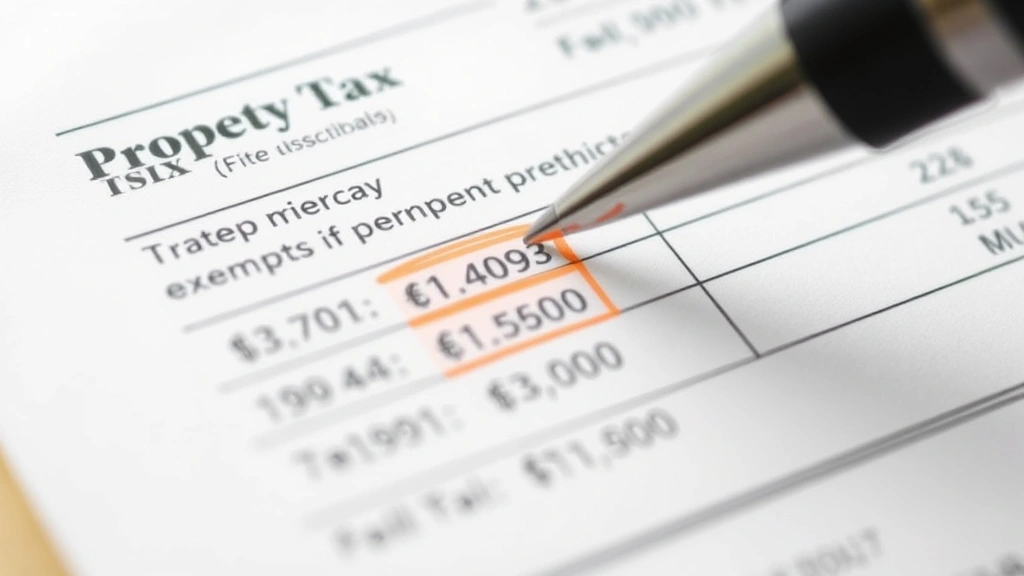
Let’s put numbers on this. If your home is assessed at $300,000 and you claim the standard $50,000 homestead exemption, you only pay taxes on $250,000. At an 8.5 mill rate, that’s a savings of $425 annually. Over a 20-year mortgage, that’s $8,500 in your pocket.
But here’s the catch: you must apply for the homestead exemption. It doesn’t happen automatically. The deadline is typically March 1st each year, though the Property Appraiser’s office accepts applications year-round if you’re a first-time applicant. If you’ve recently moved to Osceola County or inherited property, don’t assume you’re already enrolled.
Beyond the basic homestead exemption, seniors and disabled veterans may qualify for additional breaks. The Save Our Homes (SOH) amendment caps annual assessment increases at 3% for homesteaded properties, protecting you from sudden tax spikes when the market appreciates rapidly. This is a massive advantage if you’ve owned your home through a real estate boom.
Challenging Your Property Assessment
Your assessed value is not gospel. If you believe the Property Appraiser overvalued your home, you have the right to appeal. This is where many homeowners leave money on the table by doing nothing.
The appeal process in Osceola County happens in two stages. First, you can file a Petition for Adjustment with the Property Appraiser’s office, typically between January 1st and March 1st. Bring evidence: recent appraisals, photos of property damage, comparable sales data showing lower values in your neighborhood, or documentation of needed repairs. The Property Appraiser’s staff will review your petition and may adjust the value downward.
If you disagree with that decision, you can appeal to the Value Adjustment Board (VAB). This is a quasi-judicial hearing where you present your case before county officials. You don’t need a lawyer, though many people hire property tax attorneys or appraisers to strengthen their case. The VAB meets in spring, and decisions come down by summer.
What makes appeals worthwhile? A successful reduction of just $25,000 in assessed value saves you roughly $212 annually at current millage rates. If your home was genuinely overvalued by $50,000, you’re looking at $424 in annual savings—potentially $4,240 over a decade. That justifies hiring a professional appraiser in many cases.
Available Tax Breaks for Homeowners
Beyond homestead exemptions, Osceola County offers several other breaks for specific populations. Understanding which ones apply to you is crucial.
Disabled veterans with service-connected disabilities rated by the VA may qualify for a disability exemption. The amount varies based on disability rating, but it can be substantial—potentially exempting the entire assessed value for 100% disabled veterans. Surviving spouses of veterans who died in service also qualify.
Agricultural properties receive preferential assessment if they’re actively farmed. If you own land in Osceola County used for farming, ranching, or forestry, the assessment is based on agricultural use value rather than development potential. This can reduce your tax bill dramatically, though you must meet acreage minimums and actively use the land.
Nonprofit organizations and religious institutions may qualify for exemptions if their property is used for charitable or religious purposes. If you own property held in trust for such organizations, investigate whether exemptions apply.
Widow(er)s and persons age 65 and older receive an additional $25,000 exemption on top of the standard $50,000 homestead exemption in some cases. The exact rules depend on income and other factors, so check with the Property Appraiser’s office if you fall into these categories.
Payment Deadlines and Options
Osceola County property tax bills arrive in November, with payment due by March 31st of the following year. Missing this deadline triggers penalties and interest, so mark your calendar.
You have several payment options. The Osceola County Tax Collector’s office accepts payments online, by mail, in person, or by phone. Paying online is fastest and eliminates mail delays. If you have a mortgage, your lender may handle property tax payments through escrow, which means the amount is bundled into your monthly payment. This removes the burden of remembering the deadline but means you’re essentially pre-funding taxes throughout the year.

If you’re struggling financially, contact the Tax Collector’s office about payment plans. While not always available, some arrangements can be made for hardship situations. Ignoring the bill, however, leads to liens on your property and potential foreclosure, so reach out early if you’re having trouble.
Homeowners who pay early—before the deadline—receive a discount. Paying in November gives you a 4% discount. In December, it’s 3%. These discounts might seem small, but they reward prompt payment and can add up over years of ownership.
How Osceola Compares to Other Florida Counties
Florida’s property tax rates vary significantly by county, and Osceola sits in the middle of the pack. If you’re considering moving within Florida, understanding these differences helps with financial planning.
Osceola County’s effective property tax rate (taxes paid as a percentage of home value) averages around 0.85%, slightly below the state average. Compare this to Broward County property tax, which runs higher due to greater school funding needs and county services. Henry County property tax in Georgia offers different dynamics entirely, showing how state-level tax policy shapes local burdens.
What drives these differences? School district funding needs, county services, debt obligations, and voter-approved millage increases all factor in. Osceola County has benefited from population growth and development, which spreads the tax base across more properties. Older, declining counties sometimes have higher rates because fewer properties support the same service levels.
If you’re relocating to Osceola County from another state or Florida county, your property tax bill will likely change. Use the Property Appraiser’s online tools to estimate taxes on properties you’re considering. This prevents surprises after closing.
Strategies to Reduce Your Annual Bill
Now for the actionable stuff—concrete ways to lower what you owe each year.

Apply for all exemptions you qualify for. This is the easiest win. If you’re over 65, disabled, a veteran, or own agricultural land, file the paperwork. The Property Appraiser’s office has applications on their website. Waiting costs you money each year the exemption sits unclaimed.
Challenge inflated assessments. If your assessed value seems high compared to recent sales of similar homes, gather evidence and file an appeal. Even if you don’t win a full reduction, you might negotiate a partial one. The investment in an appraiser’s report ($300-500) pays for itself if it saves you $500+ annually.
Make capital improvements strategically. Major renovations increase assessed value, which increases taxes. That doesn’t mean you shouldn’t renovate—your home’s quality of life matters. But understand the tax consequence and factor it into your decision-making. Minor repairs and maintenance don’t trigger reassessment.
Monitor your property record for errors. The Property Appraiser’s database contains information about your home: square footage, number of bedrooms, lot size, condition. If these details are wrong—if they list your home as 3,000 square feet when it’s actually 2,200—that inflates the assessment. Review your property record annually and request corrections for inaccuracies.
Stay informed about millage rate votes. County commissioners and school boards periodically ask voters to approve millage increases. These directly raise your tax bill. Attend meetings, understand the proposals, and vote according to your priorities. Your voice matters at the ballot box.
Consider the timing of purchases and sales. Property is reassessed upon sale. If you’re selling, closing before the assessment date might allow the new owner to receive the benefit of the lower assessed value. If you’re buying, closing after assessment can mean inheriting a lower valuation—though this varies by year.
Frequently Asked Questions
How often does Osceola County reassess property values?
The Property Appraiser reassesses all properties annually. However, properties with homestead exemptions are protected by the Save Our Homes amendment, which caps increases at 3% per year. Non-homesteaded properties can see larger jumps if the market appreciates significantly.

Can I appeal my assessment more than once?
Yes. If your assessment is adjusted upward the following year, you can appeal again. Many homeowners file annual appeals during boom years when assessments spike. There’s no limit to how often you can challenge your valuation, though you must follow the proper procedures and deadlines each time.
What happens if I don’t pay my property taxes?
Unpaid taxes accrue penalties and interest. After a certain period, the county may place a lien on your property, and eventually foreclose. This is serious—your home is at risk. If you’re struggling, contact the Tax Collector’s office immediately to discuss options before the situation escalates.
Does renting out my home affect my property tax bill?
Yes. If you rent out your primary residence, you may lose the homestead exemption. The exemption requires that you occupy the property as your primary residence. If you move and rent the property, you’ll owe taxes on the full assessed value. Plan for this if you’re considering becoming a landlord.
Are there tax breaks for recently retired people?
Florida offers additional exemptions for people age 65 and older, but not specifically for recent retirees under 65. If you’re retiring and moving to Osceola County, you’ll qualify for senior exemptions once you reach 65. Until then, you’d receive the standard homestead exemption if applicable.
How do I find my property’s assessed value?
Visit the Osceola County Property Appraiser’s website and use their online property search tool. Enter your address or parcel number, and you’ll see the assessed value, exemptions applied, and tax estimate. This information updates annually in early summer.
Final Thoughts on Osceola County Property Tax
Your Osceola County property tax bill doesn’t have to feel like an immovable force. By understanding how assessments work, claiming every exemption you qualify for, and challenging inflated values when appropriate, you can meaningfully reduce what you owe year after year.
The key is staying informed and proactive. Review your property record annually. Meet the appeal deadline if your assessment seems high. Apply for exemptions before March 1st. Pay on time to capture early-payment discounts. These actions compound over decades of homeownership.
If you’re new to Osceola County or new to homeownership, take the time to understand your tax bill now. If you’ve been paying the same amount for years without reviewing your assessment, it’s time to investigate whether you’re overpaying. The money you save—whether it’s a few hundred dollars or several thousand—stays in your pocket and funds the life you want to build in Osceola County.
For broader context on Florida property taxation, explore how DeSantis property tax policies shape the landscape, or compare your situation to Kern County tax collector practices in other states. Understanding your local tax environment in the context of broader tax policy helps you make smarter financial decisions. Also consider reviewing 2026 tax brackets to understand how income taxes interact with property taxes in your overall financial picture, and explore regional income tax agency resources if you’re subject to local income taxes in addition to property taxes.