
Oswego county property tax is one of the largest expenses New York homeowners face each year, and understanding how it works is the first step toward reducing what you owe. Whether you’re a longtime resident or new to the area, property taxes in Oswego County can feel like a moving target—rates shift, assessments change, and suddenly you’re staring at a bill that’s hundreds or thousands of dollars higher than last year. The good news? You have more control over your tax burden than you might think.
Table of Contents
- How Oswego County Property Taxes Work
- Understanding Property Assessment
- Tax Rates and Breakdown
- Exemptions You Might Qualify For
- How to Challenge Your Assessment
- Senior and Disabled Relief Programs
- Agricultural Property Exemptions
- Smart Payment Strategies
- Appeal Deadlines and Timeline
- Frequently Asked Questions
How Oswego County Property Taxes Work
Let’s start with the basics. Your Oswego county property tax bill isn’t determined by some mysterious formula—it’s actually pretty straightforward once you break it down. Your property tax equals your assessed value multiplied by the local tax rate. Sounds simple, right? The complexity comes in understanding what affects that assessed value and which rates apply to your specific situation.
Oswego County includes multiple municipalities—the City of Oswego, towns like Fulton, Palermo, Mexico, and others—each with their own tax rates. Your bill is the sum of taxes owed to your town, the county, school district, and any special districts (like fire protection or water). That’s why two identical homes in different parts of the county might have wildly different tax bills. One homeowner might pay $3,500 annually while their neighbor across the town line pays $5,200 for the same property value.
Understanding Property Assessment
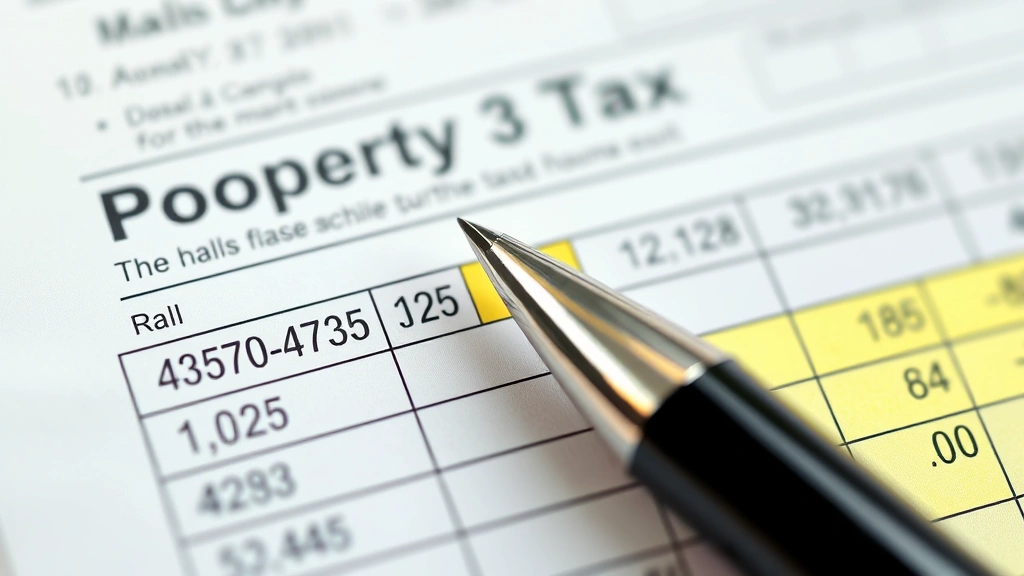
The assessment is the foundation of everything. The Oswego County Assessor’s office determines what your property is worth—this is called the assessed value. That value is what your tax rate gets applied to. If your home is assessed at $200,000 and your tax rate is 1.75%, you’re paying $3,500 in taxes (before exemptions). But here’s where people get frustrated: assessments don’t always reflect reality. A home could be assessed at $250,000 when it would actually sell for $180,000 in today’s market.
Assessments typically happen every 5-6 years in Oswego County, though some areas conduct them more frequently. During reassessment years, you might see significant jumps in your assessed value. This is when many property owners file grievances. The assessment process uses comparable sales data, property characteristics (square footage, lot size, condition), and market trends to determine value. If you haven’t updated your assessment information in years, you might be paying taxes on outdated assumptions about your property.
Tax Rates and Breakdown
Your property tax bill typically breaks down into several components. The largest portion usually goes to your school district—this is often 50-60% of your total bill. The town or city comes next, followed by the county, and then any special district taxes. Oswego County’s overall tax rates tend to be moderate compared to some other New York counties, but school district rates vary significantly depending on which district your property falls into.

For 2024, Oswego County’s county tax rate hovers around 4.5 per $1,000 of assessed value, though this fluctuates annually based on the county budget. School district rates are much higher—ranging from about 18 to 22 per $1,000 depending on the district. This is why a $200,000 home might generate a property tax bill of $4,500-$5,500 annually. Understanding this breakdown helps you see where your money is actually going and which entity you might appeal to if you have concerns.
Exemptions You Might Qualify For
This is where real savings happen. New York State offers several property tax exemptions that can dramatically reduce your bill. The most common is the Basic STAR (School Tax Relief) exemption, which provides a tax reduction for primary residences. If you’re over 65, you might qualify for an enhanced exemption. There’s also the Enhanced STAR exemption for eligible seniors, which can save $500-$1,000+ annually depending on your income and property value.
Agricultural exemptions are huge if you own farm property—they can reduce your assessment by 75% or more. If you have property used for agricultural purposes (crops, livestock, maple syrup production), you could be leaving serious money on the table if you haven’t applied. Veteran exemptions are available for service-connected disabilities. Clergy exemptions exist for certain religious leaders. The key is knowing which ones apply to you and getting your application filed before the deadline—typically March 1st each year for most exemptions.
How to Challenge Your Assessment
If you believe your assessment is too high, you can file a grievance. This is your formal challenge to the assessed value. In Oswego County, the grievance deadline is typically the first Tuesday in March, though you should verify the exact date with your town assessor’s office. You’ll need to provide evidence that your assessment is excessive—comparable sales data, recent appraisals, or documentation of property defects that reduce value.
The process involves submitting a formal grievance form to your town assessor, and then you may get a hearing before the Assessment Review Board. Bring documentation: recent property tax bills, comparable home sales in your area (sold within the last year for similar homes), photos of any defects or needed repairs, and an appraisal if you have one. Many homeowners successfully reduce their assessments by 5-15% through this process. Even a 10% reduction on a $250,000 assessment saves you roughly $400-$500 annually depending on your tax rate.
Senior and Disabled Relief Programs
New York State takes care of seniors and disabled property owners through several programs. The Enhanced STAR exemption for seniors (age 65+) with household incomes under $91,500 can save $500-$1,000+ per year. The Disabled Persons Exemption applies to those with service-connected disabilities rated by the VA. The Senior Citizens Homeowners’ Exemption provides additional relief for those 65+ with limited income.
There’s also the Property Tax Freeze for seniors—if you’re 65+ with a household income under $37,400, your property taxes can be frozen at the current level, with the state paying the difference as your home value increases. This is an incredible program if you qualify. You need to apply through your town assessor’s office, and income limits do apply. Don’t assume you don’t qualify based on age alone—these programs have specific income thresholds that vary.
Agricultural Property Exemptions
Oswego County has significant agricultural land, and if you own any, you’re potentially eligible for the Agricultural District exemption. This exemption can reduce your assessment by 75% for land actively used for farming. The definition is broad—it includes crop production, livestock, orchards, vineyards, and even maple syrup operations. You need at least 2 acres and must be generating farm income, but the savings are substantial.
To qualify, you typically need to enroll your property in the Agricultural District program through your town assessor. Once approved, your assessment drops dramatically because it’s based on agricultural value rather than development potential. This is especially valuable in areas where land values are rising due to development pressure. A 10-acre parcel might be assessed at $500,000 for development but only $125,000 for agricultural use—that’s a difference of roughly $6,500-$8,000 in annual taxes depending on your rate.
Smart Payment Strategies
Once you know what you owe, how you pay matters. Most Oswego County properties allow you to pay in two installments—typically due in early fall and early spring. Some municipalities offer small discounts (1-2%) for early payment or full payment upfront. It’s usually not enough to justify borrowing money, but if you have the cash available, it’s free savings.
Consider setting aside property tax money monthly—divide your annual bill by 12 and put that amount in a separate account. This prevents the shock of a large bill and ensures you’re never caught short. If you have a mortgage, your lender probably already does this through escrow. If you own outright, self-managing this reserve is smart. Also, keep excellent records of all property tax payments and exemption applications. If you ever need to challenge an assessment or prove payment history, documentation is invaluable.
Appeal Deadlines and Timeline
Timing is everything with property tax appeals. Most grievances must be filed by the first Tuesday in March. Mark this date in your calendar now. The Assessment Review Board typically meets in March and April to hear grievances. You’ll receive notice of your hearing date, and you should plan to attend in person if possible—it makes a difference.
If you’re unhappy with the Assessment Review Board’s decision, you can appeal to the State Supreme Court, but this requires legal representation and is expensive. That said, if your assessment is significantly off, it might be worth consulting a property tax attorney. Some charge contingency fees (they only get paid if you win), which makes it more accessible. The entire process from grievance filing to final determination typically takes 4-6 months.
Frequently Asked Questions
What’s the average property tax rate in Oswego County?
The average effective tax rate in Oswego County is approximately 1.6-1.8% of assessed property value, though this varies by municipality and school district. Some areas run as low as 1.4%, while others exceed 2.0%. Your specific rate depends on your town, school district, and any special districts serving your property.
Can I deduct property taxes on my federal return?
Yes, you can deduct property taxes (including Oswego county property tax) on your federal income tax return, but only if you itemize deductions. The SALT (State and Local Taxes) deduction is capped at $10,000 per year. If your property taxes exceed this, you can only deduct $10,000 unless you have other state and local taxes to count toward the cap. Many homeowners with high property taxes find itemizing beneficial, but consult a tax professional for your specific situation.

How often are properties reassessed in Oswego County?
Reassessment cycles vary by town, but most areas in Oswego County conduct full reassessments every 5-6 years. Some towns do annual adjustments to keep assessments current. You can check with your town assessor’s office to find out when your property was last assessed and when the next reassessment is scheduled.
What if I disagree with the Assessment Review Board’s decision?
You have the right to appeal to the State Supreme Court, but this requires filing within 30 days of the decision and typically involves attorney fees. It’s expensive but sometimes worthwhile if your assessment is significantly wrong. Consider getting a professional appraisal to strengthen your case before appealing.
Are there payment plans if I can’t pay my full bill?
Contact your town tax collector about payment arrangements. While formal payment plans aren’t always available, many collectors will work with you if you’re experiencing hardship. Paying late does result in interest penalties, so it’s better to arrange something than to ignore the bill. The Town of Oswego and other municipalities may have specific hardship programs.
How do I find my property’s assessed value?
Visit your town assessor’s office website or call directly. Most municipalities now have online property tax databases where you can search by address and see your assessed value, tax rate, and bill history. The Oswego County Assessor’s office can also direct you to the right town office.
How Oswego Compares to Other Counties
If you’re curious how your Oswego county property tax burden stacks up, the county ranks in the middle for New York State. It’s significantly lower than counties like Westchester or Nassau (Long Island), which have effective rates around 2.2-2.5%. It’s comparable to Cass County property tax rates and slightly lower than Waukesha property tax in Wisconsin. Franklin County property taxes in Massachusetts run higher, while York County tax map data shows rates comparable to Oswego. Town of Huntington property taxes on Long Island are noticeably higher than most Oswego municipalities.

Your Action Plan
Here’s what you should do this week: First, pull your latest property tax bill and identify all the components (town, county, school, special districts). Second, check if you qualify for any exemptions—especially STAR, senior relief, or agricultural exemptions. Third, if you haven’t challenged your assessment in the past 5 years, research comparable sales in your area and consider filing a grievance before the March deadline. Fourth, if you’re interested in optimizing your overall tax situation, including how property taxes interact with your federal return, check out our guide on 7 paycheck stub secrets that boost your take-home pay—understanding your full tax picture helps you make smarter decisions.
Final Thoughts
Oswego county property tax doesn’t have to be a source of stress. By understanding how assessments work, knowing which exemptions you qualify for, and being willing to challenge inflated assessments, you can meaningfully reduce your bill. The average homeowner who takes action can save $500-$1,500 annually through exemptions and successful grievances. That’s real money that stays in your pocket.
Start with the low-hanging fruit: verify you’re getting all exemptions you qualify for, and if your assessment seems high compared to recent sales in your area, file a grievance. These steps take a few hours of your time but can pay dividends for years to come. Your town assessor’s office is there to help—don’t hesitate to call with questions. And remember, you’re not alone in this. Thousands of Oswego County homeowners are working to reduce their tax burden. With the right information and a little persistence, you can too.