

If you live in or own property in Oyster Bay taxes can feel like a never-ending conversation—and honestly, you’re right to pay attention. Oyster Bay, located in Nassau County on Long Island, New York, carries some of the highest property tax burdens in the nation. We’re talking about effective tax rates that can reach 1.5% to 2% of your home’s assessed value annually. That’s real money out of your pocket every year, and unlike income taxes, there’s less federal relief available. The good news? You have more control over your tax bill than you might think, and this guide will show you exactly how.
Table of Contents
Understanding Oyster Bay Property Taxes
Oyster Bay is a town in Nassau County with over 300,000 residents spread across multiple communities including Hicksville, Plainview, Bethpage, and Old Westbury. The town’s tax structure is complex because it’s made up of several school districts, fire districts, and special taxing areas—each with their own levy rates. Your total property tax bill isn’t just one number; it’s a combination of town taxes, school district taxes, county taxes, and various special district charges.
The Nassau County assessment ratio sits around 6.5% of market value, which is relatively low compared to other counties. However, the tax rate applied to that assessed value is what makes the difference. When you combine all layers of taxation in Oyster Bay, homeowners often face effective rates that exceed what they’d pay in neighboring states or even other New York counties. Understanding this layered system is your first step toward reducing what you owe.
How Property Assessment Works Here
Your property tax bill starts with an assessment—essentially, the town’s official estimate of your home’s value. In Nassau County, properties are reassessed on a rolling basis, with full revaluation cycles happening every 6 years. This means your assessment might not reflect today’s market value, especially if your home has appreciated significantly or if you’ve made major improvements.
The assessor’s office uses comparable sales, income approach (for rental properties), and cost approach methods to determine value. Here’s what matters: the assessment is not the same as market value. A home worth $600,000 on the open market might be assessed at $39,000 (6.5% of value). That $39,000 figure is what gets multiplied by the tax rate to create your bill. If the town’s tax rate is $18.50 per $1,000 of assessed value, your annual tax would be around $7,215. Small changes in the assessed value create big changes in your bill.
Exemptions That Actually Save Money
New York State offers several property tax exemptions that Oyster Bay residents can claim. The most common is the Basic STAR (School Tax Relief) exemption, which provides a tax reduction for primary residences. If you qualify, STAR can reduce your school tax portion by hundreds of dollars annually. You must apply through the assessor’s office, and eligibility is based on income limits (currently around $250,000 for the Enhanced STAR program).
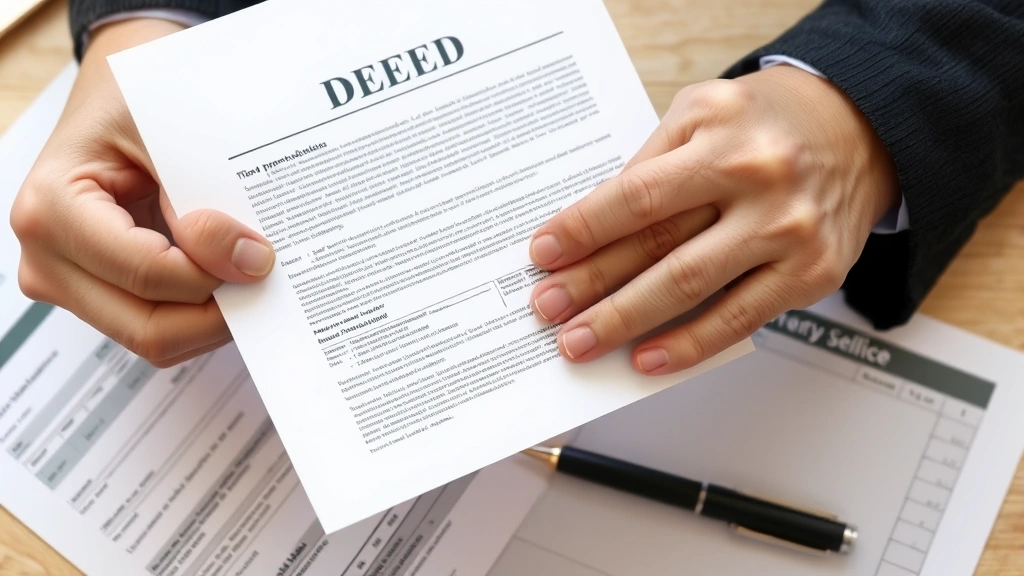
The Enhanced STAR exemption is available to homeowners aged 65 and older or those with disabilities, offering larger reductions than Basic STAR. There’s also the Agricultural District exemption if your property qualifies as farmland, and the Veterans’ exemption, which provides a $15,000 reduction in assessed value for eligible veterans. Don’t overlook the Disabled Persons exemption either—it’s often underutilized but can provide significant relief.
Many Oyster Bay residents miss out on exemptions simply because they don’t apply. The assessor’s office doesn’t automatically enroll you; you must submit applications by established deadlines. Missing a deadline can cost you an entire year of potential savings, so mark your calendar.
Senior and Veteran Tax Benefits
If you’re 65 or older, New York provides multiple pathways to tax relief. The Enhanced STAR exemption is your primary tool, but there’s also the Senior Citizen Homeowner Property Tax Exemption. This exemption reduces your assessed value by up to 50% if you meet income requirements (currently under $37,400 for most applicants). The reduction increases with age—those 75 and older get more relief than those 65-74.
For veterans, the exemption amount varies based on disability rating. A veteran with a 0% disability rating gets a $15,000 exemption; those with higher ratings receive larger exemptions. Surviving spouses of veterans who died in service or from service-related disabilities may also qualify. The application process requires documentation from your DD-214 or disability determination letter, so gather those documents now.
Don’t assume you don’t qualify. Many seniors think their income is too high, but the thresholds are more generous than people realize. Similarly, veterans often don’t realize their spouses retain exemption rights. Contact the Oyster Bay assessor’s office or visit the New York Department of Taxation and Finance website to confirm your eligibility.

Challenging Your Assessment
This is where real savings happen. If you believe your property’s assessed value is too high, you can file a grievance. Oyster Bay has a specific grievance period each year (typically March 1 through the third Tuesday in April). You must file during this window, or you lose your right to challenge that year’s assessment.
To build a strong case, gather comparable sales data. Look at similar homes in your neighborhood that sold recently and note their sale prices. If your home’s assessment implies a value significantly higher than comparable sales, you have ammunition. You can also hire a property tax consultant or attorney—many work on contingency, taking a percentage of your savings. For a $500-per-year reduction, that might cost $100-150 in legal fees, but it compounds over years.
The grievance process involves submitting evidence to the Assessment Review Board (ARB). You can present your case in person or by mail. Bring photos of your home’s condition, documentation of any defects or needed repairs, and your comparable sales analysis. The ARB has authority to reduce, maintain, or occasionally increase your assessment. Most homeowners who file grievances with solid evidence see some reduction.
Maximizing Your Deductions
Property taxes paid are deductible on your federal income tax return, but only up to $10,000 annually (combined with state and local income taxes) under current law. This SALT cap limits how much you can deduct, but it’s still worth tracking. If you’re in a high tax bracket (say, 32% federal), a $10,000 deduction saves you $3,200 in federal taxes.
Some high-net-worth individuals use strategies like bunching deductions in alternate years or establishing trusts to maximize SALT deductions, but these are complex and require professional guidance. For most Oyster Bay residents, simply ensuring you claim the full $10,000 SALT deduction is sufficient.
If you have a rental property in Oyster Bay, property taxes are fully deductible as a business expense—not subject to the $10,000 cap. This makes rental properties more tax-efficient from a property tax perspective. Homeowners should also track any property tax payments made during the year for accurate deduction reporting.
Comparing to Nearby Areas
Oyster Bay’s tax burden is high, but it’s worth context. If you’re considering relocating, compare total costs. New Haven taxes in Connecticut are lower in some cases, but Connecticut has state income tax. New Jersey has even higher property taxes in many areas. The real comparison should be total state and local tax burden, not just property taxes alone.
Within Nassau County, some areas have lower rates than Oyster Bay. Hamden tax collector information shows different rate structures. Similarly, Torrington tax collector details reveal variations in Connecticut. If you’re flexible on location, these comparisons matter.
Before deciding to move based on taxes alone, calculate your true total tax burden including income taxes, sales taxes, and property taxes. Sometimes the grass isn’t greener—it just looks different. Also consider quality of life factors: Oyster Bay schools are excellent, which partially justifies higher taxes. That said, if you’re retired and don’t benefit from schools, the calculus changes.
Frequently Asked Questions
When is the Oyster Bay property tax grievance period?
The grievance period typically runs from March 1 through the third Tuesday in April each year. You must file your grievance during this window with the Assessment Review Board. Check the official Oyster Bay Town website each year to confirm exact dates, as they can shift slightly.

Can I get a property tax exemption if I’m retired but not yet 65?
Most major exemptions in New York require age 65 or older. However, if you have a disability, you may qualify for the Disabled Persons exemption regardless of age. Additionally, if you own rental property, you might claim business deductions. Consult with a tax professional to explore your specific situation.
How much can STAR exemption reduce my taxes?
STAR exemptions vary based on your income and age. Basic STAR typically reduces school taxes by $200-400 annually, while Enhanced STAR (for seniors) can save $400-800+ per year. The exact amount depends on your school district’s tax rate and your assessed value. Contact your assessor’s office for a personalized estimate.
What documentation do I need for a Senior Citizen exemption?
You’ll need proof of age (birth certificate, driver’s license), proof of residency (utility bill, lease, deed), and income documentation (tax returns, Social Security statement, pension statements). Gather these before applying to speed up the process.
Is it worth hiring a tax consultant to challenge my assessment?
If your property is worth $400,000+, hiring a consultant is often worthwhile. They typically charge 10-25% of savings achieved. If they reduce your assessment by $50,000 (saving you $900+ annually), their $200-225 fee pays for itself in 3 months. For lower-value properties, DIY grievance filing might make more sense.
Can I deduct property taxes if I have a mortgage?
Yes, absolutely. Property tax deductibility is independent of mortgage status. You deduct actual property taxes paid, regardless of whether you own the home outright or have a mortgage. Both renters and owners benefit differently—owners deduct taxes, renters don’t.

Final Thoughts on Oyster Bay Taxes
Oyster Bay taxes are high, but they’re not immutable. By understanding the assessment process, claiming available exemptions, and challenging inflated assessments, you can reduce your burden meaningfully. Start by confirming you’re claiming all eligible exemptions—STAR, senior exemptions, or veteran benefits. These require minimal effort and deliver immediate savings.
Next, review your assessment. If it seems high relative to comparable sales, file a grievance during the annual window. Even a 5-10% reduction in assessed value saves hundreds annually. Over a 10-year period, that compounds to thousands of dollars in your pocket.
Finally, consider your broader tax picture. If you’re comparing Oyster Bay to other areas like City of Waterbury tax collector regions or exploring NJ new taxes, factor in all state and local taxes, not just property taxes. And if you’re interested in how tax incentives work elsewhere, Maryland tax free week 2025 shows different approaches to tax relief.
The bottom line: You have agency here. Oyster Bay taxes won’t disappear, but with informed action, you can reduce what you owe and keep more of your hard-earned money where it belongs—in your pocket.


