
If you own a home in Pennsylvania, the PA homeowners tax rebate could put real money back in your pocket—but only if you know it exists and how to claim it. As a CPA who’s helped hundreds of homeowners navigate Pennsylvania’s tax system, I can tell you that this rebate is one of the most underutilized tax breaks available to PA residents. Whether you’re a first-time homebuyer or a long-time property owner, understanding this program could mean hundreds or even thousands of dollars in tax relief.
Table of Contents
- What Is the PA Homeowners Tax Rebate?
- Eligibility Requirements Explained
- Property Tax Relief Programs
- Income Limits and Thresholds
- How to Apply for Relief
- Calculating Your Rebate Amount
- Mistakes to Avoid When Applying
- Important Dates and Deadlines
- Frequently Asked Questions
- Final Thoughts on Your Savings
What Is the PA Homeowners Tax Rebate?
Pennsylvania offers homeowners a property tax or rent rebate program designed to provide relief to low-income and moderate-income residents. This isn’t some obscure loophole—it’s an official state program that’s been around for decades. The rebate helps offset the burden of property taxes (or rent) for eligible homeowners and renters across the state.
Think of it this way: if you’re paying property taxes and your income falls within certain limits, Pennsylvania essentially says, “We see you’re being hit hard by property taxes. Let’s help.” The state then cuts you a check or applies a credit to reduce your tax burden. It’s one of the few programs where the government actually hands money back to taxpayers rather than asking for more.
The program comes in two main flavors: the Homeowners’ Property Tax Rebate (for homeowners) and the Rent Rebate (for renters). We’re focusing on homeowners here, but the concept is similar for both.
Eligibility Requirements Explained
Not everyone qualifies for the PA homeowners tax rebate, and that’s actually intentional. The program targets people who need it most. Here are the core requirements:
- Residency: You must be a Pennsylvania resident and own your primary residence in the state.
- Age or Disability: You must be age 65 or older, a widow/widower of any age with dependent children, or a person with a disability (any age).
- Income Limits: Your household income must fall below specified thresholds (more on this below).
- Property Ownership: You must own the home you’re claiming the rebate for.
- No Outstanding Debts: You can’t have any outstanding tax liabilities to the state.
This is where a lot of people get stuck. If you’re a working-age homeowner without a disability, you won’t qualify, even if property taxes are crushing your budget. The program is specifically designed for seniors, disabled individuals, and families with dependent children who’ve lost a spouse.
Property Tax Relief Programs
Pennsylvania actually offers several property tax relief options beyond the standard homeowners rebate. Understanding the full landscape helps you find the best fit for your situation.
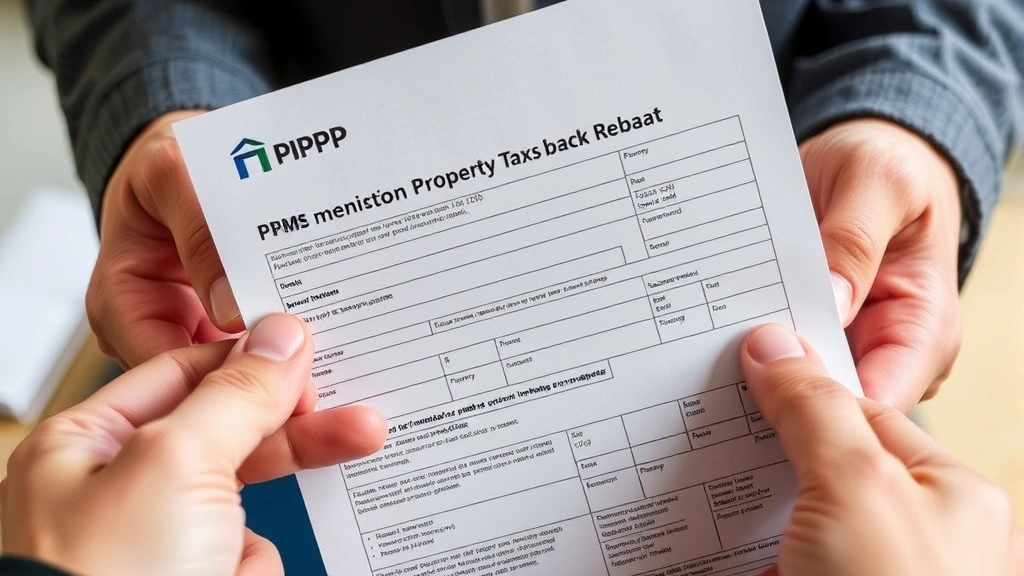
The primary program is the Property Tax/Rent Rebate, which we’ve been discussing. But there’s also the Homestead Property Tax Exemption in some municipalities, which reduces the assessed value of your primary residence. This varies by location, so check with your local assessor’s office.
Additionally, some Pennsylvania counties and municipalities offer their own property tax relief programs separate from the state program. These local initiatives might have different eligibility rules and benefit amounts. It’s worth calling your county tax assessor to ask what’s available in your area.
For context on how Pennsylvania’s property taxes compare to other states, understanding property tax structures in other regions can be helpful when planning your finances.
Income Limits and Thresholds
Here’s where the rubber meets the road. Pennsylvania sets income limits that determine who qualifies for the rebate and how much they receive. As of 2024, the income thresholds are:
- Single filers: Generally up to $35,000 in household income
- Married filing jointly: Generally up to $55,000 in household income
- Head of household: Generally up to $45,000 in household income
These limits change annually, so always check the current year’s guidelines on the Pennsylvania Department of Revenue website. Income includes wages, Social Security, pensions, investment income, and rental income—basically, any money coming into your household.
The rebate amount also depends on your income level. Higher income (but still within limits) typically means a smaller rebate. The calculation is progressive, meaning lower-income households get more relief. If you’re right at the cutoff, even a few hundred dollars of additional income could disqualify you entirely, so accuracy matters.

For comparison, understanding Pennsylvania’s local income tax structure gives you a fuller picture of the state’s tax environment and how property tax relief fits into the bigger system.
How to Apply for Relief
The application process is straightforward, but you need to know where to go and what documents to bring. Here’s the step-by-step:
- Gather your documents: You’ll need proof of residency, proof of property ownership (deed or tax bill), proof of income (tax returns, Social Security statements, pension statements), and proof of age or disability status.
- Complete Form PA-1000: This is the official Property Tax/Rent Rebate Application. You can download it from the Pennsylvania Department of Revenue website or pick it up at your county assessor’s office.
- Submit your application: You can mail it, submit it in person, or file electronically through the state’s portal. Early submission is smart—don’t wait until the deadline.
- Wait for processing: The state typically processes applications within 4-6 weeks, but during busy seasons, it can take longer.
- Receive your rebate: If approved, you’ll get a check or a credit applied to your property taxes.
Pro tip: Make copies of everything before you submit. If something goes wrong or the state needs clarification, you’ll want documentation on hand.
Calculating Your Rebate Amount
The rebate amount isn’t arbitrary—it follows a specific formula based on your income and property taxes paid. Here’s how it works:
Pennsylvania calculates your rebate as a percentage of your property taxes that exceeds a certain threshold. Essentially, the state says, “If your property taxes exceed X% of your income, we’ll rebate the excess.” The exact percentages and thresholds change annually.
For example, if you earn $25,000 annually and pay $3,000 in property taxes, and the threshold is set at 10% of income, your “excess” would be $500 ($3,000 minus $2,500). You’d be eligible for a rebate on that excess amount.

The maximum rebate amount is capped (currently around $650-$800, but check current limits). Even if your excess is larger, you won’t receive more than the cap.
This is why working with a tax professional can be valuable. The calculation isn’t complicated, but getting it wrong means leaving money on the table. I’ve seen homeowners receive rebates of $200-$600, which isn’t life-changing but is real money that could cover property tax installments.
Mistakes to Avoid When Applying
In my years as a CPA, I’ve seen people make preventable errors that cost them their rebates. Here are the biggest culprits:
- Underreporting income: Some people think hiding income helps them qualify. It doesn’t—it’s fraud, and audits happen. Report all income honestly.
- Missing the deadline: Pennsylvania has strict application deadlines (typically June 30th for the previous year). Miss it, and you’re out of luck for that year.
- Incomplete applications: Submitting forms without all required documentation causes delays or denials. Take time to include everything.
- Wrong property address: If your address doesn’t match your deed or tax bill exactly, the application gets flagged. Double-check this.
- Not updating for life changes: Got married? Had a child? Your eligibility or rebate amount might change. You need to reapply.
- Assuming you don’t qualify: Many people self-disqualify without checking. If you’re over 65, disabled, or a surviving spouse with dependents, apply. Let the state tell you no.
The most common mistake I see? People simply not knowing the program exists. You’re reading this, so you’re already ahead of most homeowners.
Important Dates and Deadlines
Timing is everything with the PA homeowners tax rebate. Here’s what you need to know:
- Application deadline: June 30th of the year following the tax year you’re claiming. So for 2023 property taxes, you’d apply by June 30, 2024.
- Processing time: Allow 4-8 weeks from submission to receive your rebate.
- Annual reapplication: You must reapply each year. The state doesn’t automatically renew your rebate.
- Property tax due dates: These vary by county. Know your local due dates so you can budget for taxes while waiting for your rebate.
My advice? Set a calendar reminder for May 1st each year to start gathering your documents. This gives you a full month to prepare before the June 30th deadline without rushing.
Frequently Asked Questions
Can renters get a PA homeowners tax rebate?
No, but renters have a separate Rent Rebate program with similar eligibility and income requirements. The concept is the same—relief for low-income residents—but the program is distinct. Check with the Pennsylvania Department of Revenue for Rent Rebate details if you’re a renter.
What if I own multiple properties in Pennsylvania?
You can only claim the rebate for your primary residence. If you own investment properties or vacation homes, they don’t qualify. The program is designed for primary owner-occupants.
Does the rebate affect my Social Security benefits?
No. The property tax rebate is not counted as income for federal benefit purposes like Social Security, Medicare, or Medicaid. It’s a tax relief program, not taxable income.
Can I claim the rebate if I’m behind on property taxes?
Generally, yes, but having outstanding tax debt might complicate things. You should still apply, but resolve any back taxes with your county tax assessor before or after claiming the rebate.
What happens if I sell my home mid-year?
Your eligibility depends on how long you owned the home during the tax year. If you owned it for the full year, you can claim the rebate based on the full year’s property taxes. If you sold partway through, you’d likely only claim for the months you owned it. Check with the Department of Revenue for specifics on your situation.
Is there a penalty if I claim the rebate incorrectly?
If it’s an honest mistake, the state will typically just deny that year’s application and ask you to reapply with correct information. Intentional fraud, however, is serious. Always report accurate information.
Final Thoughts on Your Savings
The PA homeowners tax rebate is a legitimate, government-sanctioned way to reduce your tax burden. If you’re a senior, disabled, or a surviving spouse with dependents in Pennsylvania, you owe it to yourself to explore this program. Hundreds of dollars in rebates go unclaimed every year simply because people don’t know about them.
The application process is manageable, the eligibility rules are clear, and the financial benefit is real. Yes, you have to reapply annually, and yes, you need to gather documents. But for the time invested, the return is solid.
If you’re unsure about any part of the process, reach out to your county assessor’s office or the Pennsylvania Department of Revenue directly. They have staff dedicated to answering these questions, and using them is free. You could also consult with a tax professional if your situation is complex—the cost of professional advice often pays for itself in a properly claimed rebate.
Don’t leave money on the table. Check your eligibility today, gather your documents this month, and submit your application well before the June 30th deadline. Your wallet will thank you.
For more context on Pennsylvania’s broader tax environment, including inheritance tax considerations, understanding the full state tax picture can help you plan your overall finances more effectively.