
Understanding PCMC property tax is essential for homeowners and investors looking to maximize their wealth and minimize unnecessary payments to local authorities. Whether you’re a first-time buyer or a seasoned property owner, navigating the complexities of property taxation in Pimpri-Chinchwad Municipal Corporation areas requires knowledge, strategy, and sometimes professional guidance.
Table of Contents
What Is PCMC Property Tax?
PCMC property tax represents the annual levy imposed by the Pimpri-Chinchwad Municipal Corporation on residential and commercial properties within its jurisdiction. This local tax funds essential services like road maintenance, water supply, waste management, and public safety. Unlike income tax, which is assessed by the central government, property tax is a local obligation that directly supports your community’s infrastructure.
The PCMC covers several areas in Maharashtra, including parts of Pune district. If you own property in this region, you’re required to pay property tax annually. The amount varies based on property value, location, and usage type. Understanding this obligation isn’t just about compliance—it’s about recognizing where your money goes and ensuring you’re not overpaying.
How Property Tax Is Calculated
Property tax calculation in PCMC follows a specific formula that considers multiple factors. The primary component is the annual rental value (ARV) of your property, which is determined by assessing comparable rental rates in your area. Your tax liability is then calculated as a percentage of this ARV, typically ranging from 10-15% depending on property classification.
The calculation process works like this: assessors evaluate your property’s characteristics—size, age, location, amenities, and condition—to determine its rental potential. They then apply a standardized percentage to arrive at your tax amount. For example, if your property’s ARV is determined to be ₹50,000 annually and the tax rate is 12%, you’d owe approximately ₹6,000 per year.
It’s important to note that property tax isn’t a fixed amount. As property values fluctuate and reassessments occur (typically every 5-7 years), your tax obligation changes. This is why staying informed about reassessment cycles helps you anticipate increases and plan accordingly. Many property owners are surprised by sudden jumps in their bills—often because they weren’t aware of reassessment notifications.
Understanding Property Assessment
The assessment process is where your property tax journey truly begins. PCMC conducts property assessments to determine the ARV, which forms the basis for your tax calculation. This process involves physical inspection, documentation review, and comparison with similar properties in your locality.

During assessment, municipal officials examine your property’s structural condition, built-up area, land area, and age. They also consider location factors like proximity to commercial areas, transportation, and amenities. The assessment report becomes your official record, and any errors here directly impact your tax bill.
One critical aspect many property owners overlook: you have the right to review your assessment and request corrections if you believe it’s inaccurate. If your property was assessed at ₹60,000 ARV but comparable properties in your area are valued at ₹40,000, you should challenge this. The difference could mean hundreds of rupees in annual savings. Documentation is key—gather comparable property details, recent valuations, and any improvements or depreciation factors that might affect assessment.
Payment Methods and Deadlines
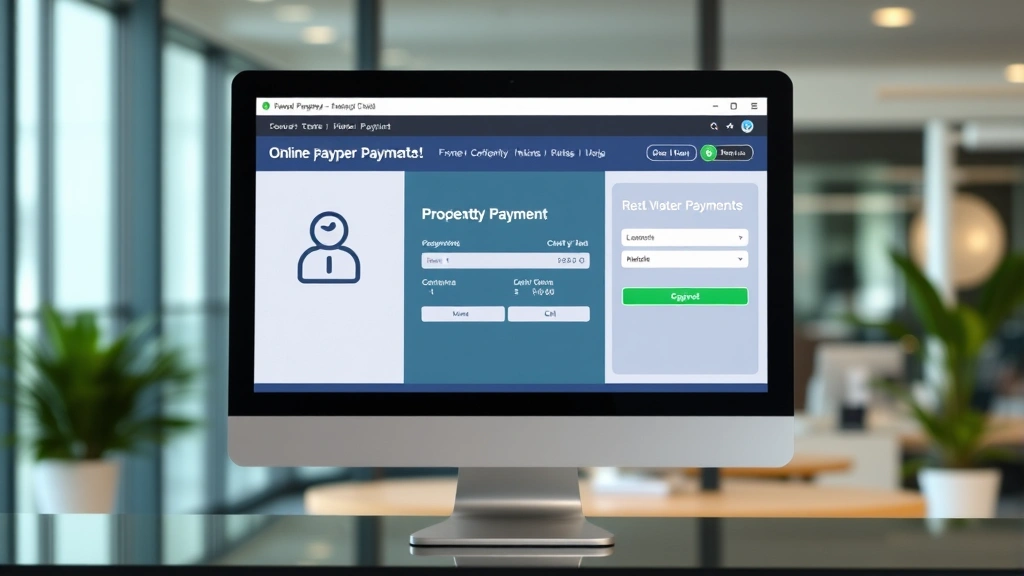
PCMC offers multiple payment channels to accommodate different preferences. You can pay property tax online through the official PCMC website, via bank transfers, at designated municipal offices, or through authorized collection centers. Online payment is the fastest and most convenient option, providing instant confirmation and reducing the risk of payment disputes.
Payment deadlines typically fall in June-July for the fiscal year, though PCMC issues bills with specific due dates. Missing the deadline triggers penalties and interest charges that compound monthly. A ₹5,000 unpaid bill can balloon to ₹6,500+ within a year due to accumulated penalties.
Pro tip: Set up automatic payments or calendar reminders two weeks before the due date. This simple action prevents costly oversights. If you face temporary financial hardship, contact PCMC’s revenue department to discuss payment plans. Many municipalities offer installment options for large bills, making it easier to manage cash flow without incurring penalties.
Exemptions and Deductions Available
Not all properties pay the same tax rate, and certain categories enjoy exemptions or reduced rates. Religious institutions, charitable organizations, and government-owned properties often qualify for full or partial exemptions. Understanding whether your property qualifies can result in significant savings.

Some PCMC areas offer tax reductions for properties meeting specific criteria. For instance, properties with rainwater harvesting systems or solar installations may qualify for environmental incentive deductions. Senior citizens might receive exemptions on properties they occupy as primary residences. Widows and disabled persons sometimes benefit from reduced tax rates.
The key is proactive inquiry. Don’t assume your property doesn’t qualify—review PCMC’s official exemption list and submit applications if applicable. Documentation requirements vary, but typically include proof of eligibility (age certificate, disability certificate, institution registration documents, etc.). Processing takes 30-60 days, so apply early in the fiscal year.
Challenging Your Tax Assessment
If you believe your property assessment is incorrect, you have the right to appeal. This is a formal process with specific timelines and procedures. You must file an appeal within 30 days of receiving your assessment notice, providing detailed reasons and supporting documentation.
Common grounds for appeal include: assessment errors (wrong property dimensions, misclassified property type), comparable property evidence showing lower valuations, structural defects affecting property value, or calculation mistakes. Gather evidence meticulously. Photographs, architect reports, recent independent valuations, and comparable property details strengthen your case significantly.
The appeal process involves submitting your objection to the Assessment Authority, who reviews your documentation and may conduct a re-inspection. If unsatisfied with their decision, you can escalate to the Municipal Commissioner’s office. While this process requires patience and documentation, successful appeals have saved property owners thousands of rupees in tax liability. Related to broader property tax considerations, you might find it helpful to review how other jurisdictions handle property tax assessments for comparative insights.
Money-Saving Strategies for 2024
Beyond exemptions and appeals, several strategic approaches reduce your PCMC property tax burden. First, maintain detailed property records. Document any improvements, repairs, or depreciation. If your property has structural issues or requires significant maintenance, this affects its rental value and can justify lower assessments.
Second, stay informed about reassessment cycles. PCMC typically reassesses properties every 5-7 years. As a reassessment approaches, gather comparable property data in your area. Properties with similar characteristics but lower assessed values provide excellent evidence for challenging your assessment before it’s finalized.
Third, explore tax-deductible improvements. Some municipalities offer reduced assessments for properties with energy-efficient upgrades, water conservation systems, or seismic safety improvements. Investing ₹50,000 in solar panels might reduce your annual tax by ₹1,000-2,000, paying for itself within 25-50 years while providing environmental benefits.
Fourth, consider property classification optimization. If your property is misclassified (e.g., classified as commercial when it’s primarily residential), correcting this can significantly lower your tax. Classification errors are surprisingly common and often go unnoticed by property owners.
Fifth, if you own multiple properties, analyze consolidation possibilities. Some municipalities offer reduced rates for consolidated properties, though rules vary. Consult with a local tax professional to evaluate whether consolidation benefits your situation. For comparison, understanding how other regions structure property tax can provide perspective on your local rates.
Common Mistakes to Avoid
Many property owners inadvertently increase their tax burden through preventable mistakes. The first major error: ignoring assessment notices. Some owners don’t realize they’ve received an assessment and miss the appeal window. By the time they discover the assessment, the appeal period has closed, locking them into inflated valuations for 5-7 years.
Second mistake: failing to update property records after improvements. If you add a room, renovate, or significantly improve your property, inform PCMC. While this might increase your assessment short-term, it prevents larger increases when the next reassessment occurs. Surprise reassessments after undisclosed improvements often result in retroactive bills and penalties.

Third error: not separating personal and investment property tax implications. If you rent out a property, it’s classified differently than owner-occupied property, affecting both tax rates and deduction possibilities. Understanding these distinctions helps optimize your overall tax position.
Fourth: missing payment deadlines repeatedly. One late payment is forgivable; repeated lateness triggers escalating penalties and potential legal action. Worse, it can affect your credit rating and future borrowing capacity.
Fifth: not seeking professional help when needed. Property tax law is complex, and a ₹3,000-5,000 consultation with a tax professional or property tax specialist often saves ₹10,000-50,000 in unnecessary payments. This is especially true for commercial properties or portfolios with multiple holdings.
Frequently Asked Questions
What happens if I don’t pay my PCMC property tax?
Non-payment triggers penalties (typically 2-5% monthly) and interest charges. After 2-3 years of non-payment, PCMC can initiate legal proceedings, potentially leading to property attachment or forced sale. Additionally, unpaid property tax can prevent property transfers or mortgages. It’s far better to contact PCMC about payment plans than to ignore bills.
Can I claim property tax as a deduction on my income tax return?
Property tax paid on rental properties is deductible as a business expense, reducing your taxable rental income. However, property tax on your primary residence isn’t directly deductible under current Indian tax law. If you have a home loan, you can deduct home loan interest under Section 24, which often provides greater tax relief than property tax deductions.
How often does PCMC reassess property values?
PCMC typically conducts reassessments every 5-7 years, though this can vary. You should receive notification before reassessment. During this period, gather comparable property data and documentation to support your position if you believe the new assessment is unfair.
Are there senior citizen exemptions for PCMC property tax?
Many PCMC zones offer partial or full exemptions for senior citizens on owner-occupied primary residences. Eligibility criteria and exemption percentages vary by specific PCMC ward. Contact your local PCMC office with proof of age to inquire about available exemptions.
What’s the difference between property tax and municipal property tax?
Property tax and municipal property tax are essentially the same thing in the PCMC context. Both refer to the annual tax levied by the municipal corporation on properties within its jurisdiction. The terms are used interchangeably.
Can I pay property tax in installments?
Most PCMC offices offer installment payment options for large bills, especially if you request them before the due date. Contact your local PCMC revenue office to discuss installment plans. Paying in installments avoids penalties for non-payment, though you must adhere to the agreed schedule.
How do I find my property tax assessment online?
Visit the official PCMC website and navigate to the property tax portal. You’ll need your property reference number or address to access your assessment details, tax history, and payment status. If you can’t locate your property online, visit the PCMC office with property documents.
Conclusion
PCMC property tax is a manageable obligation when you understand the system and take proactive steps to optimize your position. From comprehending how assessments work to exploring exemptions and challenging inflated valuations, knowledge is your most powerful tool. The strategies outlined here—staying informed about reassessments, documenting property improvements, meeting payment deadlines, and seeking professional advice when needed—can save you thousands of rupees over your property ownership tenure.
Remember that property tax supports essential community services. While paying fairly is important, overpaying due to assessment errors or missed exemptions helps neither you nor your community. Take time to review your assessment, understand your tax bill, and explore legitimate savings opportunities. For additional perspectives on property tax management in other jurisdictions, understanding how other counties approach property taxation can provide useful benchmarking. Your financial health depends on making informed decisions about every significant expense—and property tax certainly qualifies as significant.