

The Philadelphia Board of Revision of Taxes (BRT) is your formal pathway to challenge property tax assessments in Philadelphia. If you believe your property has been over-assessed, this independent board can review your case and potentially lower your tax bill—saving you thousands of dollars. Understanding how to navigate this appeals process is crucial for homeowners and investors alike.
Table of Contents
What is the Board of Revision?
The Philadelphia Board of Revision of Taxes is an independent quasi-judicial body established to hear appeals from property owners who dispute their property tax assessments. Think of it as your formal court for property tax grievances—it’s separate from the assessor’s office, which means you get a fresh, impartial review of your case.
This board has the authority to review assessed values, determine fair market value, and ultimately reduce (or occasionally increase) your property’s assessed valuation. The BRT consists of three members appointed by the Mayor, and they hear cases throughout the year. Unlike going back to the assessor’s office with a complaint, filing with the BRT is a formal legal proceeding with specific rules and deadlines.
Why Appeal Your Assessment?
Property tax assessments in Philadelphia aren’t always accurate. Common reasons your property might be over-assessed include:
- The assessor used outdated comparable sales data
- Your property has physical defects or deferred maintenance not reflected in the assessment
- The square footage was miscalculated
- Recent market declines weren’t factored into the valuation
- Your property is in a neighborhood experiencing declining values
A successful appeal could mean significant annual savings. If your assessment is reduced by $50,000, that could translate to $1,500-$2,000 in annual tax savings (depending on your tax rate). Over ten years, that’s real money. Many property owners simply accept their assessments without realizing they have recourse—don’t be one of them.
If you’re dealing with PA property tax rebates or other state programs, reducing your assessed value can also improve your eligibility for additional relief programs.
Eligibility Requirements
Not everyone can appeal to the BRT, and not every property qualifies. Here’s what you need to know:
- Property Ownership: You must be the property owner or have a legal interest in the property (tenant with a lease, for example)
- Property Type: Single-family homes, multi-unit residential, commercial, and industrial properties are all eligible
- Tax Year: You can only appeal the current tax year’s assessment or the immediately preceding tax year
- Prior Action: Some cases require you to have first filed a complaint with the assessor’s office (though this isn’t always mandatory)
One common misconception: you don’t need to be a Philadelphia resident to own and appeal a property here. Out-of-state owners have the same appeal rights as local residents.
Filing Deadlines Matter
This is where many property owners slip up. The BRT has strict filing deadlines, and missing them means losing your right to appeal entirely—no exceptions, no extensions.
- For Current Year Assessments: File between January 1 and March 31 of the assessment year
- For Prior Year Assessments: File within one year of the assessment date
- Holiday Rule: If the deadline falls on a weekend or holiday, you have until the next business day
Mark your calendar now. If you’re reading this and your deadline is approaching, don’t delay. Many property owners procrastinate, thinking they have plenty of time, only to realize the deadline has passed. File early to avoid this costly mistake.
Preparing Your Appeal Case
A successful appeal requires solid preparation. You’re essentially building a case to prove your property is worth less than the assessor claims. Here’s your roadmap:
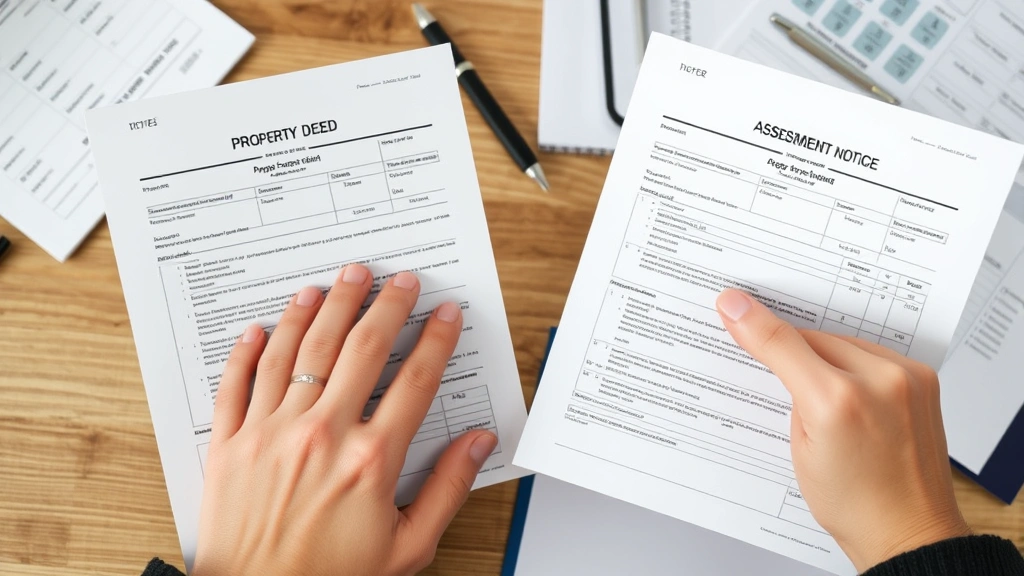
Step 1: Gather Your Property Information Collect your deed, recent mortgage documents, property tax bills, and any home improvement records. These documents establish your ownership and provide baseline information about your property.
Step 2: Research Comparable Sales This is the foundation of your appeal. Find 3-5 similar properties in your neighborhood that sold recently (within the last 6-12 months). These “comparables” should be as similar as possible to your property in terms of size, age, condition, and location. Real estate websites like Zillow, Redfin, and the Philadelphia County Recorder of Deeds are good starting points.

Step 3: Document Property Defects If your property has issues—roof damage, outdated systems, structural problems—document them with photos and get repair estimates. These defects reduce value and strengthen your case. A professional property inspection ($300-500) can be worthwhile if you’re appealing a high-value property.
Step 4: Understand the Assessment Formula The assessor uses a formula based on comparable sales, income approach (for rentals), and cost approach. Understanding which method applies to your property helps you build a targeted argument.
Documentation and Evidence
The BRT won’t just take your word for it—you need evidence. Here’s what carries weight:
- Comparable Sales Data: MLS sheets, deed recordings, and sales prices for similar properties
- Professional Appraisals: A formal appraisal from a certified appraiser is powerful evidence (cost: $400-600)
- Property Inspections: Professional reports documenting defects and needed repairs
- Market Analysis: Data showing declining values in your neighborhood or market conditions
- Photos: Clear photos of property condition, defects, and comparable properties
- Tax Records: Your own property tax history and assessment trends
Don’t submit emotional arguments or vague complaints. The BRT wants hard data. If you’re unsure about your documentation, consulting with a tax professional or real estate appraiser is worthwhile. The average cost of tax preparation by CPA includes some assessment review services, though specialized appraisers may be more appropriate here.
The Hearing Process Explained
Once you file your appeal, here’s what happens:
Initial Review: The BRT staff reviews your submission to ensure it’s complete. If something’s missing, they’ll request additional documentation within a specific timeframe.
Scheduling: You’ll receive a hearing date. This is typically 2-4 months after filing. The BRT operates on a first-come, first-served basis, so earlier filers get earlier hearings.
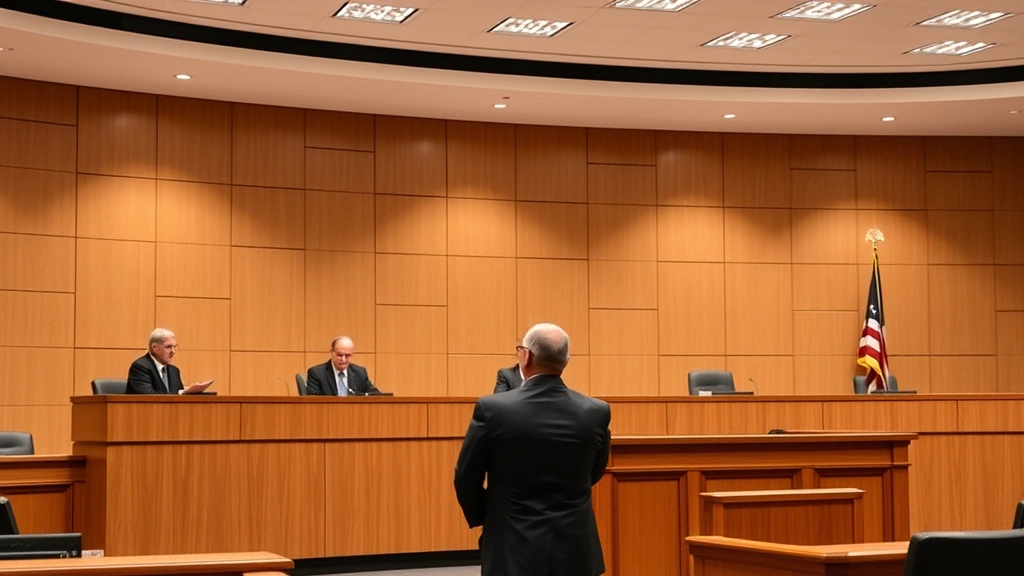
The Hearing: You appear before one or three board members (depending on the case complexity and value). You’ll present your evidence, explain why you believe the assessment is too high, and answer questions. The assessor’s office presents their position. This isn’t a casual conversation—it’s a formal proceeding where you need to be clear, organized, and evidence-based.
Decision Timeline: The BRT typically issues decisions within 30-60 days of the hearing. You’ll receive a written decision explaining their reasoning.
Pro tip: If your property is worth less than $500,000, you can request an “expedited hearing” which moves faster. For properties over $500,000 or complex cases, standard hearings are more common.
What Happens After Decision
The BRT’s decision isn’t necessarily final. Here are your options:
If You Win: Your assessment is reduced, and your property tax bill decreases immediately (usually effective the next tax year). The reduction applies going forward, potentially saving you thousands.

If You Lose: You have 30 days to file an appeal with Philadelphia Court of Common Pleas. This is a formal legal appeal and typically requires an attorney. It’s more expensive but possible if you believe the BRT made an error.
If You Partially Win: The BRT may reduce your assessment but not to the level you requested. You can accept this reduction or appeal further.
Most property owners who lose at the BRT don’t pursue further appeals—the legal costs (attorney fees typically $2,000-$5,000+) often exceed the potential savings. However, if your property is high-value or the assessment is significantly wrong, further appeal may be justified.
Common Appeal Mistakes
I’ve seen property owners sabotage their own cases. Here’s what to avoid:
- Missing Deadlines: This is the #1 killer. There are no exceptions. If you miss the March 31 deadline, your appeal is dead.
- Weak Comparables: Using properties that aren’t actually comparable (different neighborhood, much larger, different condition) weakens your case significantly.
- Emotional Arguments: “I can’t afford my taxes” or “the assessment is unfair” don’t persuade the BRT. Stick to data and market evidence.
- Incomplete Documentation: Submitting vague claims without supporting evidence. Every assertion needs proof.
- Appearing Unprepared: Showing up to your hearing without organized materials, clear arguments, or knowledge of your property’s details looks bad.
- Hiring Unqualified Help: Not all “tax consultants” understand property assessment appeals. Stick with appraisers, real estate professionals, or attorneys experienced in BRT appeals.
- Ignoring the Assessor’s Response: The assessor will submit their own evidence. You need to address their arguments, not just present your own.
Frequently Asked Questions
Do I need an attorney to appeal to the Philadelphia Board of Revision of Taxes?
No, you can represent yourself. However, an attorney or experienced tax professional can strengthen your case, especially for higher-value properties. The cost ($1,000-$3,000) is often justified if your property is worth over $500,000 or if the assessment is significantly inflated.
How long does the BRT appeal process take?
From filing to decision typically takes 4-6 months. Expedited hearings (for properties under $500,000) can be faster. Appeals beyond the BRT take significantly longer—often 1-2 years through the court system.

Can I appeal if I’m behind on property taxes?
Yes. Your appeal rights aren’t affected by tax payment status. However, you’re still responsible for paying current taxes while your appeal is pending.
What’s the success rate for BRT appeals?
Roughly 30-40% of appeals result in some reduction. Well-prepared cases with strong comparable sales data have much higher success rates (50%+). Poorly prepared cases rarely succeed.
If my assessment is reduced, when do I see the savings?
Usually the next tax year. So if your appeal is decided in June 2024, the reduced assessment typically applies to your 2025 tax bill.
Can I appeal the same property multiple years?
Yes, you can appeal each year’s assessment separately. However, if you’ve already appealed and lost, appealing again the next year with the same arguments and evidence is unlikely to succeed unless market conditions have significantly changed.
What if the BRT increases my assessment?
This is rare but possible. If you believe the increase is wrong, you can appeal to the court. However, if you filed an appeal and presented weak evidence, the BRT might adjust upward. This is why strong preparation matters.
Does filing an appeal trigger an audit of my entire property file?
No. The BRT only reviews the specific assessment you’re appealing. They won’t suddenly reassess other aspects of your property unless you raise them in your appeal.
Final Thoughts: The Philadelphia Board of Revision of Taxes exists to ensure fair assessments. If you believe your property is over-assessed, don’t leave money on the table. The process is straightforward if you’re organized and evidence-focused. Start by gathering comparable sales data, meet your deadline, and present a clear case. Whether you handle it yourself or hire professional help, taking action beats accepting an inflated assessment. For additional context on Pennsylvania property taxes, explore how to avoid Pennsylvania inheritance tax and other state-specific tax strategies that might affect your overall tax picture.


