
Prince William personal property tax is a critical financial obligation for residents and business owners in Prince William County, Virginia. Understanding how these taxes work—and where you can legally reduce them—can save you thousands of dollars annually. Whether you own vehicles, equipment, or business assets, this guide walks you through everything you need to know to optimize your tax situation.
Table of Contents
- What Is Personal Property Tax?
- Prince William County Tax Rates
- What Gets Taxed in PW County
- Exemptions and Deductions
- Filing Deadlines and Requirements
- Payment Methods and Options
- Business Personal Property Considerations
- Avoid These Common Mistakes
- Smart Strategies to Lower Your Bill
- Frequently Asked Questions
What Is Personal Property Tax?
Personal property tax differs from real estate property tax. While real estate tax applies to land and buildings, personal property tax applies to movable assets you own. In Prince William County, this includes vehicles, boats, recreational equipment, and business assets.
Think of it this way: if you own a car, motorcycle, or trailer, the county assesses its value and taxes it annually. Businesses face similar treatment on equipment, machinery, and inventory. The tax is straightforward in concept but can get complex when you’re determining fair market value and identifying what actually qualifies.
The county’s assessor office maintains records of all taxable personal property. You’re typically required to file a declaration listing your assets, and the assessor uses that information to calculate your tax bill. Unlike income tax, personal property tax is asset-based, not income-based.
Prince William County Tax Rates
Prince William personal property tax rates vary depending on the asset type. For vehicles, the standard rate is typically $4.50 per $100 of assessed value, though this can fluctuate based on county budget needs. Boats and recreational vehicles may have different rates.
The assessed value isn’t always the market value you’d get selling privately. The county uses standardized valuation guides (often NADA Guides for vehicles) to determine assessed value. A 2020 sedan worth $15,000 in private sale might be assessed lower by the county.
Rates can change annually. The Prince William County Board of Supervisors adjusts the tax rate each fiscal year during budget approval. It’s worth checking the county’s official website or local government resources for the most current rates, as they’re updated each July 1st.
What Gets Taxed in PW County
Understanding exactly what’s taxable helps you avoid surprises on your bill. In Prince William County, the following items are generally subject to personal property tax:
- Vehicles: Cars, trucks, motorcycles, mopeds, and trailers registered in Virginia
- Recreational Equipment: Boats, jet skis, campers, and RVs
- Business Equipment: Machinery, tools, computers, and fixtures used in business operations
- Inventory: Stock held for sale (applies to retail and wholesale businesses)
- Leased Equipment: Items you lease for business use
Some items are exempt. For example, household furniture and personal clothing are generally not taxed. Agricultural equipment used on farms may qualify for exemptions. If you’re unsure whether a specific asset is taxable, contact the Prince William County Assessor’s office directly—they’ll give you a definitive answer.
Exemptions and Deductions Available
Virginia law provides several exemptions that can significantly reduce or eliminate your personal property tax liability. Understanding these exemptions is where real savings happen.
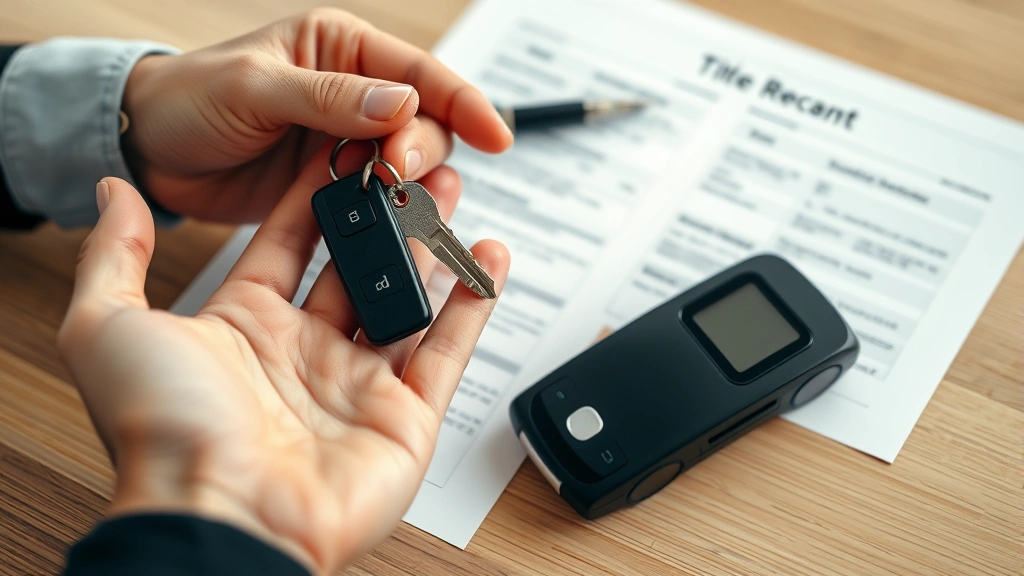
Vehicle Exemptions: The first $20,000 of assessed value on a single vehicle is exempt from taxation in Virginia. This means if your car is worth $25,000, only $5,000 is taxed. This exemption applies to one vehicle per household.
Age-Based Exemptions: Vehicles 20+ years old may qualify for exemptions in some localities. Older recreational equipment can also qualify.
Business Exemptions: Manufacturers’ equipment, certain agricultural machinery, and equipment used in specific industries may be exempt. If you operate a manufacturing business, this could be substantial.
Disabled Veteran Exemptions: Disabled veterans may qualify for exemptions on one vehicle. You’ll need to provide military discharge papers and proof of disability rating.
To claim exemptions, you typically file a Form PP-3 (Personal Property Tax Return) with the county assessor. The deadline is usually March 1st, though extensions are sometimes available.
Filing Deadlines and Requirements
Missing filing deadlines can result in penalties and interest charges. Prince William County requires personal property tax declarations by March 1st each year. This applies to all taxable personal property you own as of January 1st.
You’ll file Form PP-3 (Personal Property Tax Return) with the county assessor. This form requires you to list:

- Complete description of each asset (year, make, model for vehicles)
- Assessed value or cost basis
- Date acquired
- Current condition
Extensions may be available if you have a legitimate reason. Contact the assessor’s office before the deadline to request one. Late filings typically incur a 10% penalty, plus interest accrues on unpaid taxes.
The county sends tax bills in late summer, typically due by December 5th. You can pay in full or request an installment plan if the amount is substantial.
Payment Methods and Options
Prince William County offers multiple ways to pay your personal property tax bill, making it convenient to stay current. You can pay online through the county’s website using a credit card or bank transfer, though there may be a processing fee for credit card payments.
In-person payments are accepted at the county assessor’s office during business hours. Mail-in payments are also available—just send your payment to the address shown on your tax bill. Some residents set up automatic payments through their bank to ensure they never miss a deadline.
If your bill is large, you may qualify for an installment plan. Contact the assessor’s office to discuss options. Paying late results in interest charges (typically 10% per annum), so it’s worth prioritizing this payment.
Business Personal Property Considerations
Business owners face more complex personal property tax situations than individual vehicle owners. If you operate a business in Prince William County, you’re likely responsible for declaring all business personal property—equipment, machinery, inventory, and leased assets.
The good news: many business assets qualify for exemptions or reduced valuations. Manufacturing equipment often qualifies for exemptions under Virginia law. Equipment used in agriculture, forestry, or certain industries may also be exempt.
For comparison, check how neighboring jurisdictions handle business property tax. Jackson County personal property tax and Benton County property tax structures differ, which matters if you operate in multiple locations.

Inventory valuation is particularly important. The county assesses inventory based on average inventory during the tax year, not peak inventory. Keeping detailed inventory records helps you prove a lower average value, reducing your tax bill.
Avoid These Common Mistakes
People make predictable errors with personal property tax that cost them money. Here are the biggest ones:
Not Filing a Return: Some people assume the county knows what they own. Wrong. If you don’t file, the assessor estimates your property value—usually higher than reality. Always file, even if you think nothing is taxable.
Overstating Asset Values: When filling out your return, use realistic assessed values, not inflated amounts. The county cross-references your declaration with title records and valuation guides. Dishonesty gets caught.
Missing Exemptions: The biggest mistake is not claiming exemptions you qualify for. That $20,000 vehicle exemption saves hundreds annually. Disabled veteran exemptions save even more. Review all available exemptions before filing.
Ignoring Deadline Extensions: If you can’t meet the March 1st deadline, request an extension before the deadline passes. Late requests are often denied, triggering penalties.
Not Updating After Vehicle Sale: Sell your car? You must notify the county. Continuing to receive tax bills on a vehicle you no longer own indicates you haven’t properly closed it out. This creates confusion and potential liability issues.
Smart Strategies to Lower Your Bill
Beyond claiming exemptions, several strategies legitimately reduce your personal property tax burden:
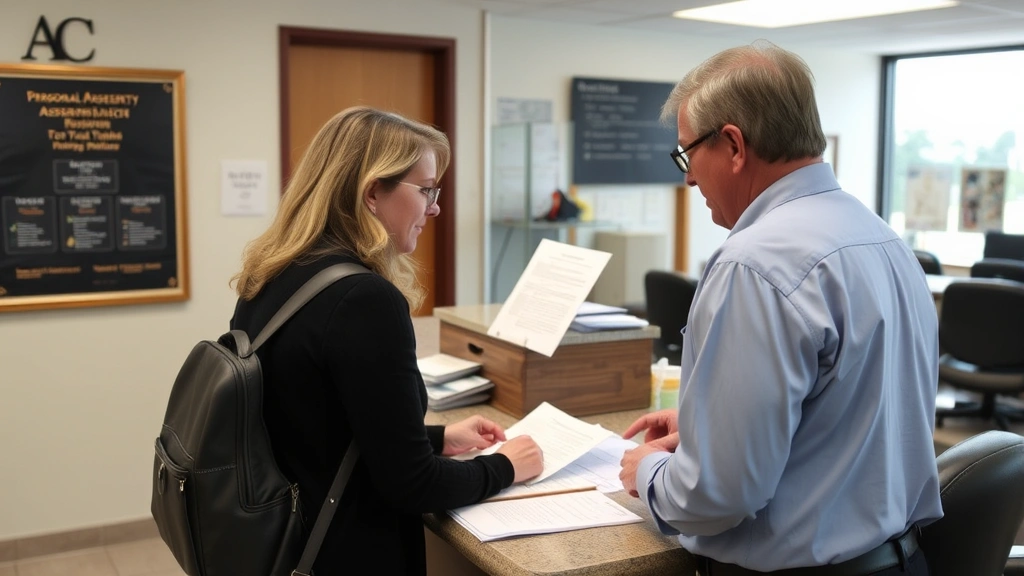
Trade Down Vehicles: If you own multiple vehicles, the $20,000 exemption applies to one. Consider keeping one lower-value vehicle and selling higher-value ones. A $30,000 vehicle costs more to tax than a $15,000 one.
Document Fair Market Value: If you believe the county’s assessed value is too high, provide documentation. Recent appraisals, repair estimates showing poor condition, or comparable sales data support lower valuations. File a Form PP-4 (Personal Property Tax Return Adjustment) if the assessment seems wrong.
Time Major Purchases: If you’re buying a vehicle, timing matters. Property tax is based on ownership as of January 1st. Buying after January 1st means you won’t be taxed until the following year. This isn’t tax evasion—it’s smart planning.
Utilize Business Exemptions: If you’re self-employed or own a business, ensure you’re claiming all available exemptions. Manufacturing equipment, agricultural machinery, and certain tools may be fully exempt. Work with a tax professional to identify these opportunities.
Review Assessed Values Annually: Vehicle values depreciate. If your car was assessed at $20,000 three years ago, it’s likely worth less now. Request a reassessment if values have changed significantly. The county must use current fair market value.
For additional context on how other jurisdictions handle property tax, review Detroit property taxes or Ohio property tax structures—understanding regional variations helps you appreciate your own situation.
Frequently Asked Questions
Is personal property tax the same as property tax?
No. Personal property tax applies to movable assets (vehicles, equipment, boats). Real estate property tax applies to land and buildings. Prince William County assesses both separately, and they’re billed differently.
What happens if I don’t file a personal property tax return?
The county assessor will estimate your property value, usually higher than actual value. You’ll owe taxes on the inflated estimate plus potential penalties. Always file, even if you believe nothing is taxable.
Can I appeal my personal property tax assessment?
Yes. If you believe the assessed value is incorrect, file a Form PP-4 (Personal Property Tax Return Adjustment) with supporting documentation. The deadline is usually March 1st. Include appraisals, repair estimates, or comparable sales data to support your claim.
Do I pay personal property tax on leased vehicles?
This depends on the lease terms. If you lease a vehicle, the lessor (financing company) typically pays the tax, not you. However, if you lease business equipment you own, you’re responsible. Check your lease agreement and contact the assessor if unsure.
How is business inventory valued for tax purposes?
The county uses average inventory value during the tax year, not peak value. Keep detailed inventory records throughout the year to document an accurate average. Lower average inventory means lower tax bills.
Are there exemptions for disabled veterans?
Yes. Disabled veterans may qualify for exemptions on one vehicle. You’ll need military discharge papers and proof of disability rating from the VA. Contact the assessor’s office for specific requirements.
When is my personal property tax bill due?
Tax bills are typically issued in late August or September and due by December 5th. Installment plans may be available for large amounts. Check your bill for exact due dates and payment options.
Can I deduct personal property tax on my federal income tax return?
Yes, but with limits. Starting in 2018, the total deduction for state and local taxes (SALT) is capped at $10,000 annually. If you itemize deductions, you can include personal property tax as part of this limit. Consult a tax professional about your specific situation.
Bottom Line: Prince William personal property tax is manageable when you understand the rules and claim available exemptions. File your return on time, document fair market values accurately, and review exemptions annually. The $20,000 vehicle exemption alone saves most residents hundreds of dollars yearly. If you own business equipment or multiple assets, work with a tax professional to ensure you’re not overpaying. For context on how other areas handle similar taxes, explore WV tax information or contractor tax forms to understand regional variations. Stay proactive, and you’ll keep more money in your pocket.