A property tax estimator Florida tool is your best friend when you’re buying a home, refinancing, or just trying to understand what you’ll owe come tax season. Whether you’re a first-time homebuyer in Tampa or a seasoned investor in Miami, knowing how to estimate your property taxes can save you thousands of dollars and eliminate nasty surprises at closing.
Table of Contents
How Florida Calculates Property Taxes
Florida’s property tax system isn’t complicated once you break it down. The basic formula is simple: Assessed Value × Millage Rate = Annual Property Tax. But here’s where most people get confused—Florida uses something called “just value” to assess your home, which is supposed to represent its fair market value. Your county property appraiser determines this value, and it’s the foundation for everything else.
The state of Florida actually has no state income tax, which is a huge draw for retirees and wealthy individuals. However, the state makes up for it through property taxes, which fund schools, emergency services, and local infrastructure. Understanding this trade-off helps you see the bigger picture when comparing Florida to other states.
One thing that catches people off guard: your property tax bill includes more than just the county’s cut. You might also owe school district taxes, municipal taxes, and special district assessments. It’s all bundled together on one bill, which makes it look scarier than it actually is.
Understanding Assessment Value Explained
The assessed value is not the same as your home’s market value, even though they should theoretically be close. Your county property appraiser uses sales data, comparable properties, and property characteristics to estimate what your home is worth. This happens every year, and the value can change even if you haven’t touched your house.
Here’s the frustrating part: if your home appreciates 10% in value, your assessed value typically increases too—meaning your tax bill goes up. However, Florida has a property tax cap called “Save Our Homes” (SOH) that limits how much your assessed value can increase each year to 3% or the rate of inflation, whichever is lower. This is huge for long-term homeowners.

You can challenge your assessed value if you believe it’s too high. Most counties allow formal appeals during a specific window each year. If you’ve done recent renovations or your home has damage, you might have grounds for an appeal. It’s worth the effort—even a small reduction in assessed value saves you money annually.
Tax Rate & Millage Rates Breakdown
This is where the math gets real. Millage rates are expressed as dollars per $1,000 of assessed value. So if your home is assessed at $300,000 and the millage rate is 10 mills, you’d owe $3,000 in annual property taxes (before exemptions).
Here’s the catch: millage rates vary wildly by county and even by municipality within counties. A home in Miami-Dade County might have a different millage rate than one in Broward County, even though they’re just miles apart. School district taxes, county taxes, and municipal taxes all have separate millage rates that get added together.
You can find your specific millage rates on your county property appraiser’s website or your tax bill. Most counties publish this information publicly, and many offer tools to help you understand the breakdown of real estate tax versus property tax. Don’t be shy about calling your county appraiser’s office—they’re used to answering these questions.
Homestead Exemption Benefits Explained
If you’re a Florida resident and your primary residence qualifies, the homestead exemption is your golden ticket to lower property taxes. This exemption reduces your assessed value by $50,000, which directly lowers your tax bill. For someone in a 10-mill county, that’s a $500 annual savings—and it compounds year after year.
To qualify, you must own the property, live there as your primary residence, and be a Florida resident. You need to file for the exemption with your county property appraiser, usually by March 1st to take effect that tax year. Many people don’t realize they qualify, so if you haven’t claimed it, get on it immediately.
The homestead exemption also includes additional exemptions for seniors (65+) and disabled individuals. Seniors can get an extra $25,000 to $50,000 exemption depending on their income, and disabled homeowners have similar benefits. These stack on top of the base $50,000 exemption, which is why some long-time Florida residents have incredibly low property tax bills.
Using Online Estimator Tools Effectively
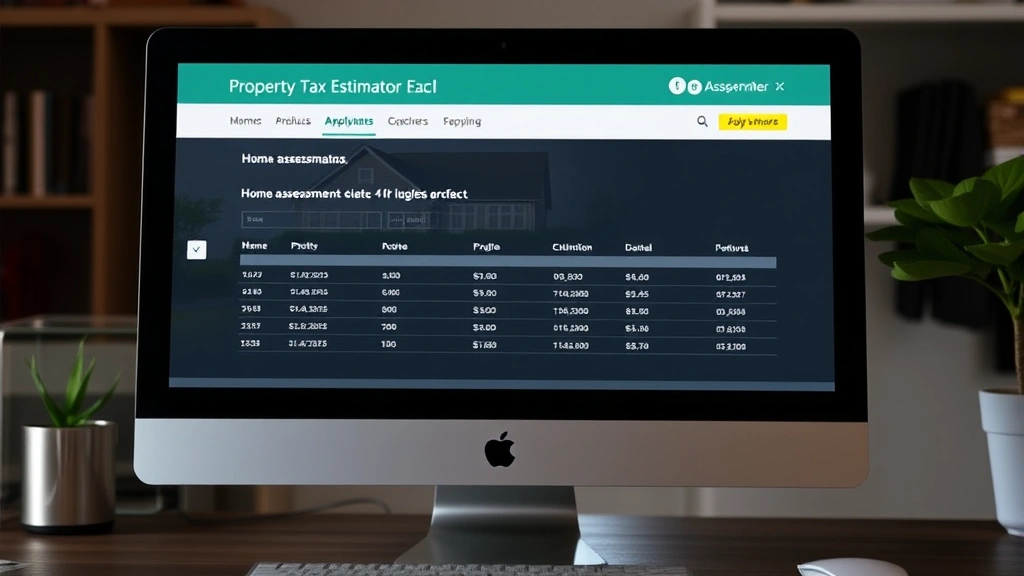
Most Florida counties offer free online property tax estimators on their property appraiser websites. These tools are surprisingly accurate if you have the right information. You’ll typically need your parcel number (found on your tax bill or deed) and your home’s assessed value.
To use a property tax estimator Florida tool:
- Visit your county property appraiser’s website
- Look for “Property Search” or “Tax Estimator” tools
- Enter your parcel number or address
- Review your assessed value and current exemptions
- The tool will calculate your estimated tax bill
Some third-party sites like Zillow and Redfin also offer tax estimates, but they’re often less accurate than official county tools. The official sources have the most current millage rates and exemption information. If you’re considering buying a property, request a Preliminary Title Report and Property Tax Certificate from your title company—these documents show exactly what the current owner pays.

Real estate agents can also pull tax estimates for you, and they’re usually pretty good at it since they deal with this constantly. Don’t hesitate to ask them to run numbers on multiple properties you’re considering.
County-by-County Variations Explored
Florida’s 67 counties each set their own millage rates, which creates huge variations in property tax bills. A $400,000 home in Alachua County might cost $4,200 annually in property taxes, while the same home in Nassau County could cost $3,600. Over a 30-year mortgage, that’s a $18,000 difference.
The wealthiest counties (Miami-Dade, Broward, Palm Beach) tend to have lower millage rates because property values are so high. Rural counties often have higher millage rates because they have fewer high-value properties to spread the tax burden across. This is important to know if you’re relocating within Florida.
School district funding also varies significantly. Counties with strong property values and high tax bases can fund schools better, which affects both property values and long-term desirability. If you have kids, this is worth researching before you move. Some families specifically choose counties with better schools, knowing their property taxes will be higher but their home values will appreciate faster.
Hidden Costs & Fees Beyond Taxes
Here’s what most people miss: your property tax bill isn’t your only annual cost. Many Florida properties have special assessments for things like drainage improvements, road maintenance, or community infrastructure. These show up on your tax bill but aren’t technically “property taxes.”

If you’re buying in a community with a homeowners association (HOA), you’ll also pay HOA fees, which can range from $50 to $500+ monthly depending on amenities. HOA fees aren’t property taxes, but they’re a real cost that should factor into your affordability calculation.
Some properties have tax increment financing (TIF) districts, which redirect a portion of property tax increases to fund development projects. These are usually disclosed during the closing process, but it’s worth asking your title company about them. Flood insurance is another consideration—if your property is in a flood zone, you’ll need flood insurance (required by lenders), which can add $500-$2,000+ annually depending on risk level.
Reducing Your Tax Burden Strategically
Beyond the homestead exemption, there are legitimate ways to reduce your property tax burden. First, make sure you’re claiming every exemption you qualify for. Disabled veteran exemptions, widow/widower exemptions, and agricultural exemptions can significantly reduce your bill if you meet the criteria.
Second, stay on top of your home’s condition. If you make major improvements, your assessed value might increase. Document any damage or needed repairs—your property appraiser considers these when assessing value. If your roof is failing or you have foundation issues, that legitimately reduces your home’s value and should be reflected in the assessment.
Third, consider appealing your assessment if you believe it’s inflated. You don’t need a lawyer—many homeowners successfully appeal on their own by gathering comparable sales data and presenting it to the value adjustment board. The process typically costs nothing and takes a few hours of your time.
Finally, understand how inheritance and property transfers work in Florida if you’re planning to pass property to heirs. Proper estate planning can minimize tax burdens across generations.
Frequently Asked Questions
What’s the average property tax rate in Florida?
Florida’s average effective property tax rate is around 0.71% of home value, which is lower than the national average of 0.84%. However, this varies significantly by county. Some counties are as low as 0.5% while others exceed 1.0%. Use your specific county’s property tax estimator to get accurate numbers.
Can I deduct Florida property taxes on my federal return?
Yes, you can deduct property taxes on your federal income tax return, but there’s a catch. The SALT (State and Local Taxes) deduction is capped at $10,000 annually. If you live in a high-tax state or have multiple properties, this cap might affect your deduction. Consult with a tax professional about your specific situation.
How often does my assessed value change?
Your assessed value is reviewed annually by your county property appraiser. However, due to the “Save Our Homes” cap, it can only increase by 3% or the inflation rate (whichever is lower) each year, unless you make improvements or transfer ownership. If you sell your home, the new owner’s assessed value resets to the new purchase price.
What happens if I don’t pay my property taxes?
Florida takes property taxes seriously. If you don’t pay, the county can place a lien on your property, charge penalties and interest, and eventually foreclose. The process typically takes a couple of years, but it’s serious. If you’re struggling to pay, contact your county tax collector about payment plans or hardship programs.
Do I need a property tax estimator before buying?
Absolutely. Using a property tax estimator Florida tool before making an offer helps you understand your true housing costs. Many buyers get sticker shock when they realize property taxes are higher than they expected. Run the numbers on every property you’re seriously considering—it takes 10 minutes and could save you thousands.