
The Pueblo County tax assessor plays a crucial role in determining your property tax bill, and understanding how this office works can save you thousands of dollars. Whether you’re a homeowner, investor, or business owner in Colorado’s Pueblo County, knowing how to navigate the assessment process and challenge unfair valuations is essential to protecting your wallet.
Table of Contents
What the Assessor Actually Does
The Pueblo County tax assessor’s office is responsible for identifying all taxable property within the county, determining its value, and maintaining accurate records. This isn’t just busywork—it directly impacts how much you pay in property taxes each year. The assessor’s valuation becomes the foundation for calculating your ad valorem tax, which is the primary funding source for schools, fire departments, and local government services.
Think of the assessor as the gatekeeper between you and your tax bill. They’re tasked with finding every piece of property (residential, commercial, agricultural, industrial) and assigning it a fair market value. The challenge? Fair market value is subjective, which is exactly why property owners often have legitimate reasons to dispute their assessments.
The office also maintains property records, processes exemption applications, and handles appeals. If you’ve never interacted with this department, you’re likely leaving money on the table.
How Property Values Are Determined
Pueblo County assessors use three primary approaches to value property: the sales comparison approach, the cost approach, and the income approach. Understanding which method applies to your property helps you prepare a stronger appeal if needed.
Sales Comparison Approach: This is the most common method for residential properties. The assessor looks at recent sales of similar properties in your area—same size, age, condition, location. If your home was valued at $250,000 but comparable homes nearby sold for $200,000, you have evidence to challenge the assessment.
Cost Approach: The assessor calculates the cost to rebuild your property from scratch, then subtracts depreciation. This method works well for newer construction but can overvalue older homes that have significant character value beyond their replacement cost.
Income Approach: For rental properties and commercial real estate, the assessor estimates annual rental income and capitalizes it into a property value. If your rental income has declined, this approach might overstate your property’s value.
The assessor also considers factors like location desirability, zoning, utilities, and market conditions. However, they often rely on outdated sales data or incomplete information about your specific property’s condition.
Challenging Your Assessment
You have the right to challenge your assessment if you believe it’s inaccurate. This isn’t confrontational—it’s a normal part of the system. Thousands of Pueblo County property owners successfully reduce their tax bills each year through formal appeals.

The first step is reviewing your assessment notice carefully. Look for errors in property description (square footage, number of bedrooms, lot size, condition). These factual mistakes are the easiest to challenge and often result in immediate value reductions. Many assessments contain errors—missing recent renovations, incorrect building dimensions, or outdated condition ratings.
Next, gather evidence. Pull recent appraisals, inspection reports, and comparable sales data. If you’re hiring a professional appraiser, expect to pay $400-$800, but this investment often pays for itself through tax savings. Real estate agents can also provide market analysis reports showing recent sales in your neighborhood.
Document any property defects or deferred maintenance. Cracked foundations, roof damage, outdated electrical systems, or poor drainage all reduce value. Take photos and get written estimates for repairs. The assessor may not have visited your property in years, so this evidence is critical.
Exemptions and Abatements Available
Beyond challenging your assessment value, Pueblo County offers several exemptions that can reduce or eliminate your property tax liability. These are separate from assessment reductions and can provide significant savings.
Homestead Exemption: Owner-occupied residential properties may qualify for a homestead exemption, which reduces the assessed value used for tax calculations. This is one of the most valuable exemptions available and applies automatically in many cases, though you should verify your status with the assessor’s office.
Senior and Disabled Exemptions: Colorado offers additional exemptions for seniors (typically age 65+) and disabled individuals. These can reduce your property tax bill by 50% or more, depending on income limits and other factors.
Agricultural Exemptions: If you own agricultural land in Pueblo County, you may qualify for agricultural use exemptions that value the land based on its use for farming or ranching rather than its potential development value. This can result in dramatic tax reductions.
Tax Abatement Programs: Pueblo County and the City of Pueblo occasionally offer tax abatement programs to encourage development or redevelopment in certain areas. These programs temporarily reduce or eliminate taxes for qualifying properties, typically for 5-15 years.
Applying for exemptions requires submitting applications by specific deadlines. Missing these dates can cost you a year’s worth of tax savings, so mark your calendar and follow up with the assessor’s office.

Assessment Cycle Timeline
Understanding the assessment cycle helps you know when to take action. In Pueblo County, assessments typically occur on January 1st each year, and the cycle includes several critical dates you shouldn’t miss.
January-May: The assessor’s office sends out preliminary assessment notices. This is your first opportunity to review the valuation. Many people ignore these notices—don’t be one of them. This is when you should identify errors or begin gathering appeal evidence.
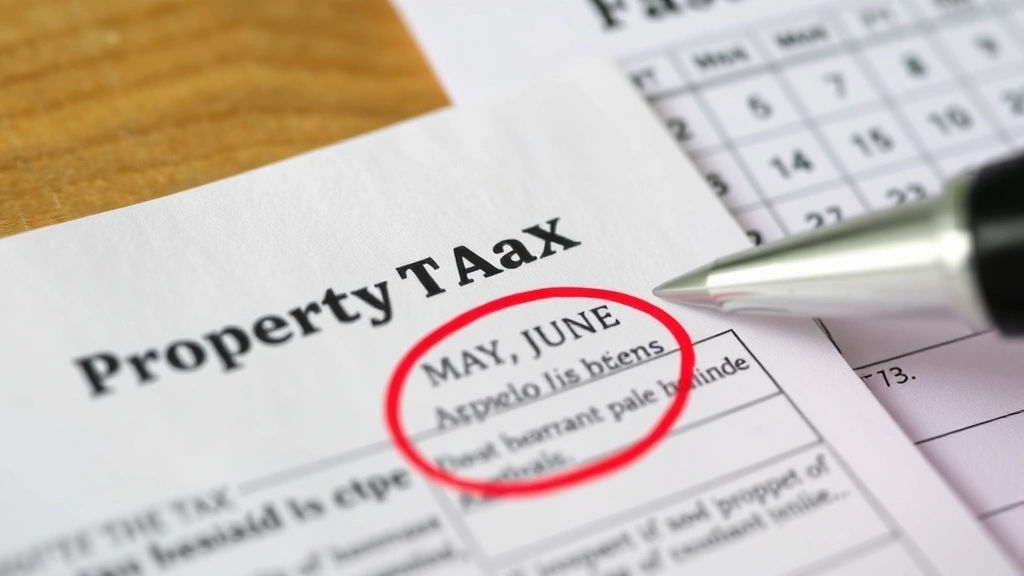
May-June: The Board of Assessment Appeals accepts appeals. In Colorado, you typically have 30 days from the notice date to file an appeal. Missing this deadline means waiting another full year to challenge your assessment.
July-August: The Board of Assessment Appeals holds hearings. If you’ve filed an appeal, you’ll present your case here. Many appeals are resolved without a hearing if you submit compelling evidence.
September: Final assessed values are certified and sent to the county assessor and taxing jurisdictions.
October-November: Tax bills are mailed based on the certified assessments.
Mark these dates on your calendar. The May-June appeal window is your golden opportunity to reduce your taxes. If you miss it, you’re locked in for another year.
Common Valuation Mistakes
Assessors are human, and their offices handle thousands of properties annually. Mistakes happen more often than you’d think. Here are the most common errors that lead to overstated property values:
Incorrect Square Footage: The assessor might record 2,500 square feet when your home is actually 2,200. This directly inflates your value. Check your assessment notice against your deed, appraisal, or builder’s plans.
Missing Deductions for Condition: Your roof might be 15 years old and nearing replacement, but the assessor still values the property as if it has a new roof. Structural issues, outdated systems, or significant deferred maintenance should reduce value but often don’t.
Outdated Sales Comparables: If the assessor used sales data from 2021 in a declining market, the valuation is too high. Current comparable sales are more relevant than older ones.
Incorrect Property Classification: Sometimes properties are misclassified (residential vs. commercial, improved vs. unimproved). This affects the assessment methodology and can result in incorrect valuations.
Failure to Account for Zoning Restrictions: A property zoned for single-family residential shouldn’t be valued as if it could be developed commercially. Zoning limitations should be reflected in the valuation.
Missing Exemptions: Some property owners simply aren’t aware they qualify for exemptions. The assessor’s office won’t volunteer this information—you have to ask.
Appeal Process Step-by-Step
Filing an appeal with the Board of Assessment Appeals is straightforward, but preparation is key. Here’s exactly what to do:
Step 1: Gather Documentation Collect your assessment notice, property deed, recent appraisals, comparable sales data, photos of any property defects, repair estimates, and any other evidence supporting your position. This is your arsenal for the appeal.
Step 2: File the Appeal Form Contact the Pueblo County Board of Assessment Appeals (or check their website) and obtain the appeal form. File it before the deadline—typically 30 days from your assessment notice date. Include a brief statement explaining why you believe the assessment is incorrect.
Step 3: Submit Supporting Evidence Include copies of comparables, appraisals, property photos, and documentation of defects. Be organized and clear. The appeals board reviews hundreds of cases; make yours easy to understand.

Step 4: Attend the Hearing (if required) Some appeals are resolved on the documents alone. If a hearing is scheduled, attend prepared. Bring your evidence, be professional, and stick to facts. Emotional arguments rarely win appeals.
Step 5: Receive the Decision The appeals board will issue a written decision. If you disagree, you have the right to appeal to Colorado’s State Board of Assessment Appeals, though this is less common.
Many property owners successfully reduce their assessments by 5-15% through this process. Some achieve even greater reductions when errors are significant.
Strategies to Reduce Your Taxes
Beyond the appeal process, several strategies can lower your overall property tax burden in Pueblo County:
Monitor Your Assessment Annually Don’t assume your assessment stays the same year to year. Review your notice each year and challenge it if values have increased disproportionately. In strong real estate markets, assessments often jump significantly—sometimes incorrectly.
Document Property Improvements Properly When you make improvements, maintain records and permits. However, be strategic: major renovations can increase your assessed value. Discuss this with the assessor before starting major projects.
Understand how your tax rate is calculated Your property tax bill equals assessed value times the mill levy rate. While you can’t control the mill levy, understanding how it’s determined helps you plan. Check with your county assessor’s office about current rates.
Explore 1031 Exchanges for Investors If you own investment property, a 1031 exchange allows you to defer capital gains taxes by reinvesting proceeds into like-kind property. This doesn’t directly reduce property taxes, but it preserves capital for reinvestment.
Consider Timing for Property Sales If you’re selling property, understand how the assessment date affects the buyer’s first tax bill. Properties assessed on January 1st are taxed based on ownership on that date. This can influence negotiation strategy.

Stay Informed About Changes Colorado’s property tax laws change periodically. The Pueblo County assessor’s office website provides updates on rate changes, new exemptions, and deadline extensions. Subscribe to their notifications or check quarterly.
Frequently Asked Questions
How often can I appeal my property assessment in Pueblo County?
You can appeal your assessment every year if you believe it’s inaccurate. However, each appeal must be filed during the designated appeal period (typically May-June). Annual appeals make sense if your property value has changed significantly or if you’ve identified errors the previous year.
What if I disagree with the Board of Assessment Appeals decision?
You have the right to appeal to Colorado’s State Board of Assessment Appeals within 30 days of the local board’s decision. This is a more formal process and involves additional filing fees, but it’s available if you believe an error was made. Success rates are lower at the state level, but it’s an option for significant disputes.
Do I need a lawyer or appraiser to appeal my assessment?
No, you can represent yourself and present your own evidence. However, professional appraisers or real estate attorneys can strengthen your case, particularly for complex properties or large value disputes. For most residential properties, well-organized comparable sales data and property documentation are sufficient.
How does the Pueblo County tax assessor determine value for new construction?
New construction is typically valued using the cost approach (replacement cost minus depreciation) until comparable sales data becomes available. Once several similar properties have sold, the assessor shifts to the sales comparison approach. If you’ve recently built, your first assessment might be high; appeals in subsequent years often succeed as market data becomes available.
Are there income limits for property tax exemptions in Colorado?
Yes, many exemptions (senior, disabled, etc.) have income limits. These limits change annually and vary by exemption type. Contact the Pueblo County assessor’s office for current limits. Some exemptions are based on property value rather than owner income.
What happens if I don’t pay my property taxes in Pueblo County?
Unpaid property taxes accumulate interest and penalties. After several years of non-payment, the county can foreclose on the property and sell it at a tax sale. This is a serious consequence. If you’re struggling to pay, contact the county treasurer about payment plans or the assessor about exemptions you might qualify for.
Can I appeal an assessment increase caused by neighborhood appreciation?
Yes, if you believe the increase is disproportionate to actual market conditions. If similar homes in your neighborhood appreciated 3% but yours increased 8%, that’s worth challenging. Gather comparable sales data showing the actual market trend and present it in your appeal.
How does the assessor know about property improvements I’ve made?
The assessor discovers improvements through permit records, aerial photography, neighborhood inspections, and property owner disclosures. If you’ve made improvements without permits, the assessor might not know—but don’t rely on this. Permitted work is discoverable, and attempting to hide it can create legal issues.