
The Puerto Vallarta tourist tax is a lodging tax that visitors need to understand before booking their Mexican beach getaway. If you’re planning a trip to this popular Pacific resort destination, knowing what this tax covers, how much you’ll pay, and what to expect will help you budget accurately and avoid surprises at checkout.
Table of Contents
What Is Puerto Vallarta Tourist Tax?
Puerto Vallarta’s tourist tax, officially known as the Impuesto Turístico or lodging tax, is a municipal fee charged on overnight accommodations in the destination. This tax applies to hotels, vacation rentals, resorts, and other short-term lodging properties throughout the Puerto Vallarta area, including the surrounding municipalities of Bahía de Banderas.
Think of it like a hotel occupancy tax you’d find in many U.S. cities—it’s a local government revenue source designed to fund tourism infrastructure, beach maintenance, and destination marketing. The tax is separate from Mexico’s standard VAT (Impuesto al Valor Agregado), which is typically 16%.
Unlike some tax situations where you might have flexibility, this one is straightforward: if you’re staying overnight in Puerto Vallarta, you’re paying it. There’s no way around it, and honestly, that’s not a bad thing—the revenue helps keep the destination appealing for future visits.
Current Tax Rates for 2024
As of 2024, Puerto Vallarta’s tourist tax sits at 3% of your nightly room rate. This rate has remained relatively stable, though it’s worth confirming with your specific property since rates can occasionally vary or change.
Here’s what this looks like in practice: if your hotel room costs $150 per night, you’ll add $4.50 in tourist tax per night. For a week-long stay, that’s about $31.50 in additional charges. On a $300-per-night luxury resort, you’re looking at $9 per night, or roughly $63 for a week.
The tax calculation is usually straightforward—it applies to the base room rate before VAT is added. So your final bill might look like this:
- Room rate: $150
- Tourist tax (3%): $4.50
- VAT (16%): $24.72
- Total per night: $179.22
Always ask your hotel or rental property to break down charges clearly so you know exactly what you’re paying and why.

Who Pays This Tax?
Every visitor staying overnight in Puerto Vallarta pays the tourist tax—there are no exemptions based on nationality, age, or length of stay. Whether you’re an American, Canadian, European, or Mexican citizen from another state, you’ll pay the same rate.
The only people who don’t pay are day-trippers who don’t stay overnight. If you’re visiting Puerto Vallarta for the day and sleeping elsewhere, you’re off the hook. But the moment you book a hotel room, condo, or vacation rental for the night, the tax applies.
Property owners and managers are responsible for collecting the tax from guests and remitting it to the municipal government. Most legitimate accommodations build this into your final bill automatically. If a property claims they don’t charge tourist tax, that’s a red flag—they may not be properly registered or operating legally.
What’s Included and Excluded
The 3% tourist tax applies to all overnight lodging accommodations in Puerto Vallarta. This includes:
- Hotel rooms at all-inclusive resorts
- Vacation rental condos and homes
- Boutique hotels and smaller properties
- Airbnb and similar short-term rentals
- Beachfront villas
- Timeshare accommodations
The tax is calculated on the nightly room rate itself. It’s separate from:
- VAT (16% value-added tax)
- Resort fees or facility charges
- Parking fees
- Service charges or tips
- Food and beverage purchases
Meals, activities, tours, and other services you purchase during your stay have their own VAT but aren’t subject to the additional 3% tourist tax. Only the lodging itself triggers this specific charge.
How Payment Works
In most cases, you won’t need to do anything special—the property will automatically add the tourist tax to your bill. Here’s how the process typically works:
Online Booking: When you book through hotels.com, Expedia, Airbnb, or directly with the property, the tax may or may not be shown separately in the initial quote. Always read the fine print. Some platforms show it upfront; others add it at checkout.
At Check-In: The hotel or property manager will present your final bill with all charges itemized. This is where you’ll see the tourist tax broken out. Ask for clarification if anything seems unclear.
Payment Methods: Most properties accept credit cards, debit cards, and cash. Some may require a credit card at booking to secure the reservation, then you can pay the full amount (including tax) at check-in or checkout.
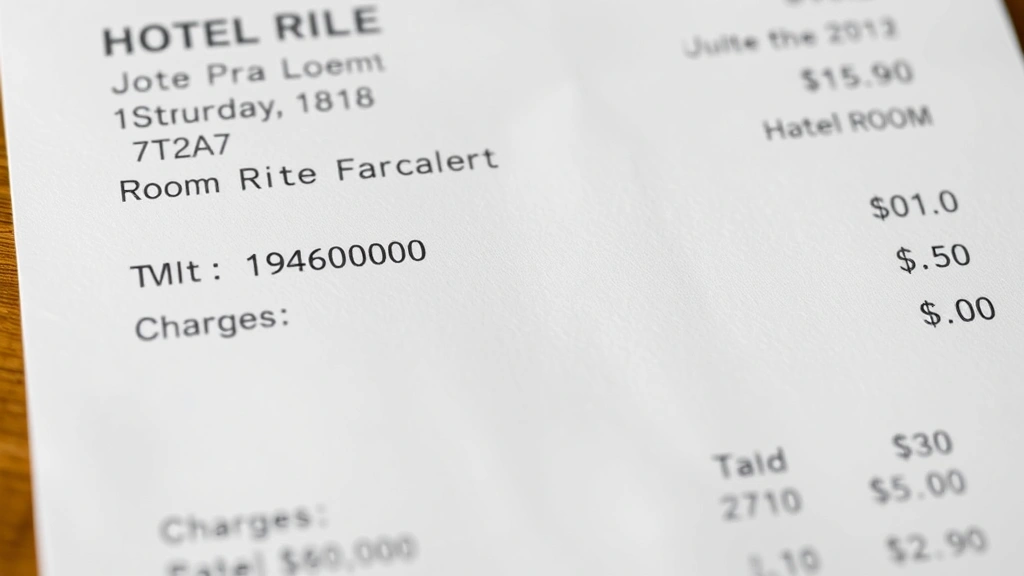
Receipts: Always request an itemized receipt showing the room rate, tourist tax, VAT, and any other charges. This documentation is helpful if you need to dispute any charges later or if you’re tracking travel expenses for business purposes.
If you’re concerned about how to report tax fraud, note that legitimate properties will always collect and display this tax transparently. If a property is hiding charges or not itemizing them, that’s worth investigating.
Budget Planning Tips
Smart travelers factor the tourist tax into their overall vacation budget from day one. Here’s how to do it right:
Calculate the True Nightly Cost: When comparing hotels, don’t just look at the advertised room rate. Multiply the nightly rate by 1.03 (to add the 3% tourist tax) and by 1.16 (to add VAT). This gives you the true out-of-pocket cost per night.

Use a Spreadsheet: If you’re comparing multiple properties, create a simple spreadsheet with columns for base rate, tourist tax, VAT, and total. This makes it easy to see which property actually offers the best value.
Book Direct When Possible: Sometimes booking directly with the hotel (rather than through a third-party site) results in lower rates or waived resort fees, which can offset the tourist tax impact. Always call and ask.
Consider Longer Stays: Some properties offer weekly or monthly discounts on the base room rate. Since the tourist tax is calculated on the discounted rate, longer stays can reduce your per-night tax burden.
Account for All Taxes: Remember that you’re paying both the 3% tourist tax AND 16% VAT. Combined, that’s roughly 19.5% in taxes on top of your room rate. Budget accordingly.
Avoiding Tax Fraud Issues
While the Puerto Vallarta tourist tax is straightforward, it’s worth understanding the broader context of tax compliance when traveling internationally. If you’re running a business or have significant travel expenses, proper documentation matters.
Some travelers wonder if they can claim vacation rental expenses as business deductions. The answer is: only if the property is legitimately used for business purposes. A beach vacation is not deductible. A working vacation where you’re conducting business might be, but you’d need solid documentation and a clear business purpose. This is where understanding how to report tax fraud becomes relevant—if you’re tempted to mischaracterize personal expenses as business expenses, don’t. The IRS takes this seriously, and the penalties aren’t worth it.
For legitimate business travel to Puerto Vallarta, keep all receipts, including the itemized hotel bills showing the tourist tax separately. Your accountant will appreciate the clear documentation when it comes time to file.
If you notice a property isn’t charging the tourist tax at all, that’s a compliance red flag. While it might save you money short-term, you’re essentially supporting tax evasion. Legitimate properties charge it; it’s part of doing business in Puerto Vallarta.
Regional Tax Comparison
How does Puerto Vallarta’s 3% tourist tax stack up against other Mexican beach destinations and international resorts? Let’s compare:
- Cancún: 3% tourist tax (similar to Puerto Vallarta)
- Los Cabos: 3% tourist tax
- Playa del Carmen: 3% tourist tax
- U.S. Beach Destinations: Hotel taxes typically range from 6-15% depending on the city
- Caribbean Islands: Resort taxes often 5-12%
Puerto Vallarta’s rate is actually quite reasonable compared to many U.S. beach towns. For context, if you were staying in Miami Beach, you’d pay roughly 12.5% in hotel taxes. Los Angeles charges about 14.3%. So while the tourist tax adds to your bill, Mexico’s overall approach is more visitor-friendly than many American destinations.
This doesn’t mean you should ignore the tax when budgeting—it still adds up over a week-long stay. But it does mean Puerto Vallarta remains an excellent value for beach vacations, especially when you factor in lower accommodation rates compared to U.S. resorts.
Frequently Asked Questions
Is the 3% tourist tax mandatory for all accommodations?
Yes, the 3% Puerto Vallarta tourist tax applies to all overnight lodging in the destination, regardless of property type or booking method. Every legitimate accommodation charges it. If a property claims otherwise, they’re operating outside legal requirements.
Can I get the tourist tax refunded?
No, the tourist tax is not refundable. It’s a municipal fee, not a service charge. However, if you’re charged more than 3% and can prove it, contact the property manager and request clarification. Errors do happen, though they’re rare with reputable properties.
Does the tourist tax apply to timeshare stays?
Yes, if you’re staying in a timeshare accommodation in Puerto Vallarta, the 3% tourist tax applies to your nightly cost, even if you own the timeshare. You’re still occupying lodging in the municipality, so the tax applies.

What if I’m staying with friends and not paying for a room?
If you’re not paying for lodging—you’re a guest in someone’s personal home or staying with friends—the tourist tax doesn’t apply to you. The tax is charged to the person paying for the accommodation.
Is VAT (16%) separate from the tourist tax?
Yes, completely separate. The 3% tourist tax and 16% VAT are two different charges. Your total tax burden on lodging is approximately 19.5% when both are combined.
Do I need to report the tourist tax on my U.S. tax return?
No. The Puerto Vallarta tourist tax is a foreign tax paid to a Mexican municipality. It’s not deductible on your U.S. return unless the stay qualifies as legitimate business travel, in which case you’d deduct the entire lodging expense (including the tax) as a business expense.
Can travel insurance cover the tourist tax?
Travel insurance typically doesn’t cover taxes—they’re considered normal travel expenses. However, if you cancel your trip and lose your prepaid reservation, you might recover the full amount (including tax) depending on your policy terms. Check your specific coverage.
Final Takeaway
The Puerto Vallarta tourist tax is a straightforward 3% charge on nightly lodging rates that every visitor needs to budget for. It’s not hidden, it’s not excessive compared to international standards, and it funds legitimate municipal services that keep the destination appealing.
When planning your trip, remember to factor in both the 3% tourist tax and 16% VAT when calculating your true lodging costs. Always request itemized receipts, book through legitimate properties, and ask questions if charges seem unclear. The tax is non-negotiable, but transparent properties will always explain it upfront.
Puerto Vallarta remains an excellent value destination for beach vacations, and the modest tourist tax is a small price for access to world-class beaches, resorts, and amenities. Plan accordingly, and you’ll have a fantastic trip without any financial surprises.