
Understanding Richland County property tax South Carolina doesn’t have to feel like decoding ancient hieroglyphics. Whether you’re a first-time homebuyer, a seasoned property owner, or someone considering a move to Columbia, knowing how property taxes work in Richland County can save you thousands of dollars and plenty of headaches.
Table of Contents
How Property Values Are Assessed
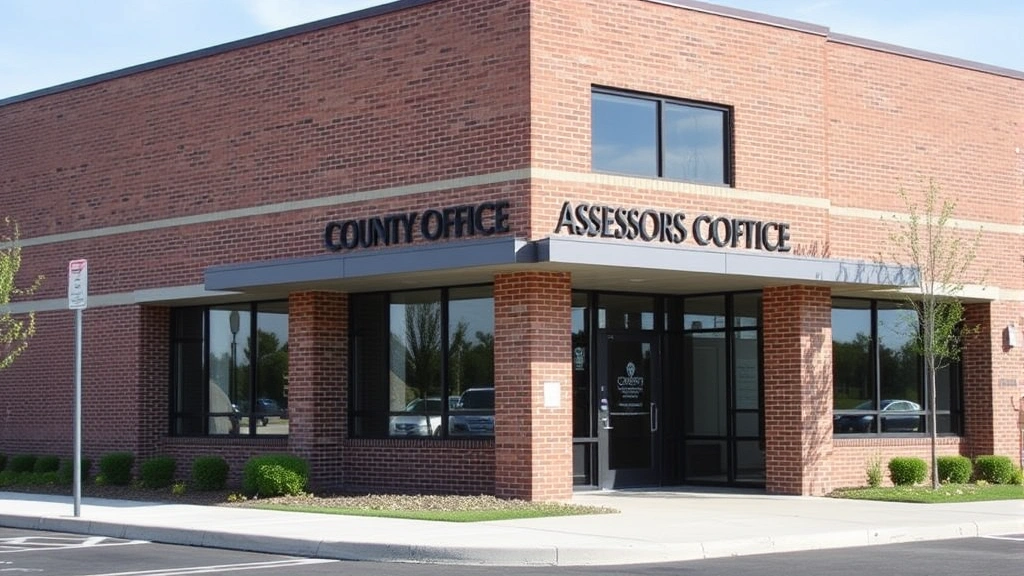
The Richland County Assessor’s Office is responsible for determining the fair market value of every property in the county. This process happens through a systematic approach that considers comparable sales, property characteristics, and current market conditions. The assessor doesn’t just pull numbers from thin air—they’re using established appraisal methods that real estate professionals recognize.
Every four years, Richland County conducts a countywide revaluation. This means your property gets a fresh look based on recent market activity. Between revaluations, the assessor may adjust values based on new construction, renovations, or significant changes to your property. If you’ve added a deck, finished a basement, or made other improvements, expect your assessed value to reflect those upgrades.
The assessment process starts with data collection. The county uses aerial photography, property records, and field inspections to gather information. They’re looking at square footage, lot size, condition, age, and features like fireplaces, pools, or garages. This is why it’s critical to ensure your property record is accurate—errors here directly impact your tax bill.
Understanding Richland County Tax Rates
Property tax rates in Richland County vary depending on which municipality your property falls within. The unincorporated area of Richland County has one rate, while cities like Columbia, Irmo, Forest Acres, and Arcadia Lakes each set their own rates. This is an important distinction—two identical homes on opposite sides of a municipal boundary could have different tax bills.
For 2024, Richland County’s millage rate for unincorporated areas sits around 4.5 to 5.0 mills per dollar of assessed value, though this varies by specific district. One mill equals one-tenth of one percent. So if your home is assessed at $300,000 and the rate is 4.8 mills, you’d owe $1,440 in county taxes (before exemptions and other adjustments).
Understanding how real estate tax differs from other property tax obligations helps you budget more effectively. School district taxes are often rolled into your property tax bill, making up a significant portion of what you owe. The Richland County School District One and School District Two levy their own millage rates on top of county and municipal taxes.
Don’t forget about special districts either. If your property is in a fire district, stormwater management district, or other special taxing entity, those millage rates get added to your total bill. Your tax notice will break all of this down, but it’s worth understanding the components.
How Your Tax Bill Gets Calculated
The formula is straightforward once you understand the pieces: Assessed Value × Millage Rate = Property Tax Owed. But the assessed value is where things get interesting. In South Carolina, property is assessed at 4% of its fair market value for ad valorem tax purposes. This is similar to how ad valorem taxes work in Georgia, though the specific percentages and rates differ.
Here’s a practical example: Your home’s fair market value is estimated at $400,000. The assessor applies the 4% assessment ratio, giving you an assessed value of $16,000. If your county and municipal millage rates total 5.0 mills, you’d owe $80 in county property tax (before school taxes and other districts). School taxes might add another $100-150 depending on your district’s rates.
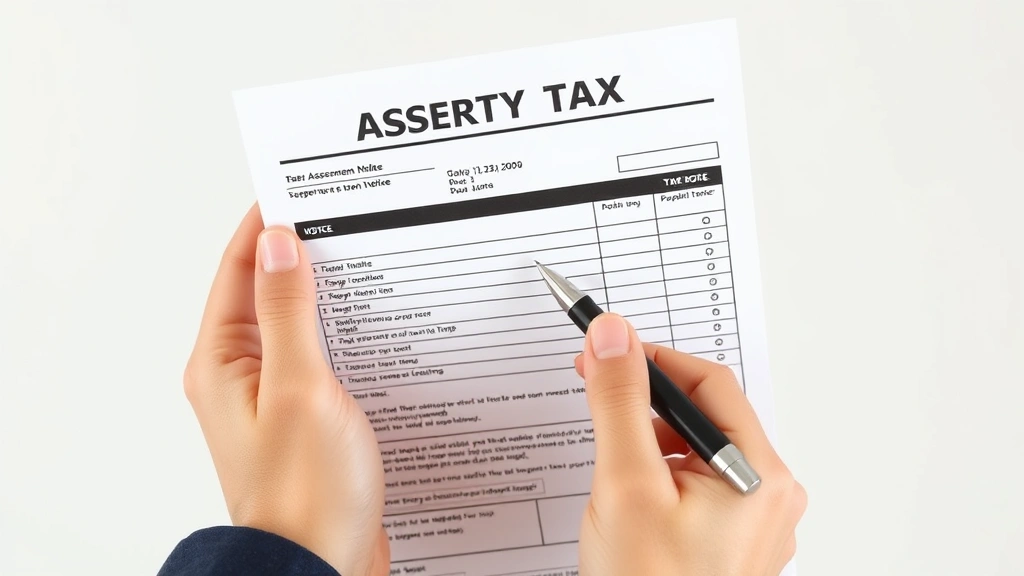
The county sends out property tax notices annually, usually in December for taxes due the following year. Your bill will itemize each taxing district’s portion. Review this carefully—if something looks wrong, you have the right to appeal. Many property owners skip this step, but it’s worth your time if you spot discrepancies.
Keep in mind that if you have a mortgage, your lender likely requires you to pay property taxes through escrow. Your monthly mortgage payment includes a portion set aside for taxes and insurance. The lender pays the county on your behalf, but you’re ultimately responsible if those funds fall short.
Homestead Exemptions Explained
South Carolina offers homestead exemptions that can significantly reduce your property tax burden. If your home is your primary residence, you may qualify for an exemption on a portion of your home’s value. This is one of the best tax breaks available to homeowners, and many people leave money on the table by not applying.
The homestead exemption in South Carolina provides a $50,000 exemption on the fair market value of your home for property tax purposes. This means if your home is worth $400,000, you’re only taxed on $350,000. At a 4% assessment ratio and 5.0 mill rate, that exemption saves you about $100 annually—and often more when school taxes are included.
To claim the homestead exemption, you must file an application with the Richland County Assessor’s Office. You’ll need to prove that the property is your primary residence—typically with a driver’s license, voter registration, or utility bill showing your address. The application is usually free, and once approved, the exemption typically carries forward automatically each year.
There’s also a special exemption for senior citizens (age 65+) and disabled persons. South Carolina allows an additional $50,000 exemption for these groups, potentially doubling your tax savings. You’ll need to apply for this separately and provide proof of age or disability status.
Payment Deadlines and Procedures
Property taxes in Richland County are due by December 31st of the year shown on the tax bill. If you miss this deadline, penalties and interest start accruing immediately. The penalty is 3% of the unpaid tax, plus interest at 0.583% per month (essentially 7% annually). These add up quickly, so paying on time is crucial.
You can pay your property taxes several ways: online through the Richland County Treasurer’s website, by mail, in person at the Treasurer’s office, or through an automatic payment arrangement with your bank. Online payment is convenient and provides instant confirmation. If you’re paying by check, mail it early enough to arrive before December 31st—the postmark date doesn’t count; it’s the received date that matters.
If you’re struggling to pay, contact the Richland County Treasurer’s office immediately. They may work with you on a payment plan, especially if you have a legitimate hardship. Waiting until after the deadline and then trying to negotiate is much harder than being proactive.
For those with mortgages, your lender handles payment through escrow. However, you should still monitor your tax bill to ensure the escrow amount is adequate. If property values jump significantly, your escrow may not cover the full bill, and you could owe a shortfall.
Challenging Your Assessment
If you believe your property has been assessed too high, you have the right to appeal. This is a formal process, but it’s manageable and worth pursuing if you have solid evidence supporting a lower value. Many property owners win appeals simply because they’re willing to do the work.
The first step is filing a formal written appeal with the Richland County Assessor’s Office. You must do this within a specific timeframe—usually by March 15th following the tax year in question, though you should verify current deadlines. Your appeal should explain why you believe the assessment is incorrect and provide supporting documentation.
Evidence that strengthens your appeal includes recent appraisals, comparable sales data for similar homes in your area, property condition issues (foundation problems, roof damage, etc.), and documentation of any errors in the property record (square footage miscalculations, missing information about condition). If you have a recent appraisal from a mortgage refinance or home sale, that’s gold in an appeal.
If the assessor denies your appeal, you can escalate to the South Carolina Board of Appeals. This involves a more formal hearing process, and many people hire appraisers or attorneys at this stage. The cost of professional help should be weighed against potential tax savings—if your appeal could save you $500+ annually, it’s probably worth the investment.
Senior and Disabled Relief Programs
South Carolina recognizes that property taxes can become burdensome for seniors and disabled individuals on fixed incomes. Beyond the homestead exemptions mentioned earlier, there are additional relief programs available. Understanding these can make a real difference in your retirement budget.
The Homestead Property Tax Exemption for Senior Citizens and Disabled Persons provides up to a $50,000 exemption for those 65 and older or permanently disabled. Combined with the standard $50,000 homestead exemption available to all primary residence owners, eligible seniors can exempt up to $100,000 of their home’s fair market value. This can save $200-400+ annually depending on your county’s millage rates.
Additionally, South Carolina has a Deferral Program that allows seniors (62+) and disabled persons to defer property taxes on their primary residence. This means you don’t pay the taxes during your lifetime, but the debt is satisfied from your estate after you pass away or if you sell the property. This program is helpful if you’re asset-rich but cash-poor—a common situation for long-time homeowners.
To qualify for these programs, you’ll need to apply with the Richland County Assessor’s Office. Bring documentation proving your age, disability status (if applicable), and primary residence. Once approved, these benefits typically continue automatically, though the county may periodically verify your eligibility.
Recent Changes and Updates
Property tax laws and rates change periodically, and staying informed helps you plan ahead. In recent years, South Carolina has seen increased property values, particularly in growing areas like Richland County, which includes the state capital. This has pushed up assessed values and, consequently, tax bills for many homeowners.

The 2024 tax year brought revaluation updates in many areas of the county, meaning properties received new assessed values reflecting current market conditions. If your assessment jumped significantly, this is likely why. The good news: higher property values often mean your home’s market value has increased, which is beneficial if you’re planning to sell. The bad news: your tax bill probably increased too.
South Carolina lawmakers have discussed property tax reform, including potential changes to exemptions and assessment ratios. While nothing dramatic has passed recently, it’s worth monitoring the South Carolina General Assembly’s website for proposed legislation that might affect your taxes. Changes that seem minor in the bill can have major impacts on homeowners’ bills.
The county also continues to update its property database and assessment technology. This means fewer errors in property records and more consistent assessments across similar properties. If you’ve been meaning to correct an error in your property record (wrong square footage, missing room, etc.), now is a good time to contact the assessor about corrections.
Frequently Asked Questions
What’s the difference between fair market value and assessed value?
Fair market value is what your home would sell for in an open market. Assessed value is the value the county uses for tax purposes, calculated by applying South Carolina’s 4% assessment ratio to the fair market value. So a $400,000 home has an assessed value of $16,000 for property tax purposes. This lower assessed value is why your property tax bill isn’t astronomical—you’re taxed on 4% of the value, not 100%.
Can I get my property taxes lowered?
Yes, through several methods. First, ensure you’re claiming all available exemptions (homestead, senior, disabled person). Second, challenge your assessment if you believe it’s too high. Third, look into deferral programs if you qualify. Finally, some counties offer tax abatement programs for certain improvements—check with Richland County about incentives for energy efficiency upgrades or historic preservation.
What happens if I don’t pay my property taxes?
The county will assess penalties and interest, and eventually, your property can be sold at a tax sale to satisfy the debt. This is serious—don’t ignore a tax bill. If you’re struggling to pay, contact the Treasurer’s office immediately to discuss options. Many counties will work with you on payment plans or hardship situations.
How often is property reassessed in Richland County?
Richland County conducts a full revaluation every four years. Between revaluations, the assessor may adjust values for new construction or significant property changes. You can request a reassessment if you believe your value is incorrect, but the formal countywide revaluation happens on the four-year cycle.

Are property taxes deductible on my federal income tax?
Yes, you can deduct state and local property taxes (SALT) on your federal return, up to $10,000 per year. This deduction is capped at $10,000 regardless of how much you actually pay, so high-tax-state residents often hit this limit. Consult a tax professional to ensure you’re claiming this correctly on your return.
How do I find my property’s assessed value?
Visit the Richland County Assessor’s website or call their office. You can search by address or parcel number to view your property record, assessed value, and recent assessment history. This information is public record, so you can also look up neighbors’ values for comparison purposes.
What if I recently bought my home—will my taxes change?
Your assessed value won’t change immediately just because you bought the home at a different price. The assessor uses the purchase price as evidence of fair market value during the next revaluation cycle. Until then, you’re taxed on the previous owner’s assessed value. However, if you made significant improvements, the assessor may adjust the value sooner.
Bottom Line: Staying on Top of Richland County Property Taxes
Property taxes are one of the largest ongoing expenses of homeownership, and in Richland County, understanding how they work puts you in control. You now know how assessments are determined, how rates are applied, what exemptions you might qualify for, and how to challenge an assessment if needed.
The key takeaway: don’t be passive about your property taxes. Review your annual tax bill carefully, claim every exemption you’re eligible for, and don’t hesitate to appeal if your assessment seems too high. These actions can save you hundreds or thousands of dollars over the years you own your home.
If you’re new to Richland County or to homeownership, reach out to the Assessor’s Office or Treasurer’s Office—they’re there to help. And if you’re dealing with complex tax situations, consulting with a tax professional or CPA familiar with South Carolina property tax law can provide valuable guidance tailored to your specific circumstances.
For comparison, you might also want to review how property taxes work in other areas like Ann Arbor or Solano County to understand regional variations. And if you’re considering personal property taxes, Missouri’s approach to personal property tax offers interesting contrasts to South Carolina’s system.