
Richland County taxes can feel overwhelming, but understanding how they work is your first step toward keeping more money in your pocket. Whether you’re dealing with property taxes, income taxes, or sales taxes in Richland County, this guide breaks down everything you need to know to reduce your tax burden in 2024.
Table of Contents
Richland County Tax Overview
Richland County, South Carolina encompasses Columbia and surrounding areas, making it one of the state’s most significant tax jurisdictions. The county collects taxes at multiple levels: federal, state, and local. Understanding this three-tier system is essential because each level affects your overall tax liability differently.
As a Richland County resident or property owner, you’ll encounter property taxes, income taxes, and sales taxes. The good news? Each has specific rules and opportunities for savings. Many people don’t realize they’re overpaying simply because they haven’t explored available deductions or credits.
Understanding Property Taxes
Property taxes represent one of the largest expenses for Richland County homeowners. The county assessor determines your property’s value, and that assessment directly impacts what you owe. South Carolina’s property tax system uses assessed value at 4% of fair market value, which is lower than many states—but still significant.
Your annual property tax bill includes the county millage rate plus any municipal rates if you’re in Columbia or another incorporated area. In Richland County, the millage rate typically ranges from 375 to 425 mills, depending on your specific location. One mill equals $1 in taxes per $1,000 of assessed value.
Here’s what many homeowners miss: you can challenge your property assessment if you believe it’s too high. The Richland County Assessor’s office conducts assessments every five years, but you have appeal rights if your property was recently reassessed and the value jumped unexpectedly.
Understanding the difference between real estate taxes and property taxes helps clarify your obligations. While these terms are often used interchangeably, property taxes encompass all real property in the county, including land and structures. If you own rental property in Richland County, your property taxes are deductible on your federal return as a business expense.
South Carolina Income Tax Rates
South Carolina’s income tax system is progressive, meaning higher earners pay higher rates. For 2024, the state income tax ranges from 0% on the first portion of income up to 7% on income exceeding $15,000 for single filers. Richland County residents pay these state rates plus federal income tax.
The state offers several deductions that can reduce your taxable income. If you’re over 65, you get an additional exemption. Military retirement income receives special treatment under South Carolina law. Educators, first responders, and healthcare workers may qualify for specific deductions.
One commonly overlooked opportunity: if you contribute to a traditional IRA or 401(k), those contributions reduce your South Carolina taxable income. The state allows deductions up to $3,000 annually for IRA contributions and unlimited deductions for 401(k) contributions. Maximize this benefit if you’re self-employed or have access to a retirement plan.
Federal income tax withholding should be reviewed annually. Many people claim too many allowances and end up owing at tax time, or claim too few and give the government an interest-free loan. Adjust your W-4 form with your employer if your situation changed in 2024.
Sales Tax in Richland County
Richland County’s combined sales tax rate is 8.5%, consisting of the state rate (6%) plus local rates. This makes South Carolina’s sales tax one of the highest in the nation. While you can’t avoid sales tax on most purchases, you can be strategic about what you buy and when.
Groceries and prescription medications are exempt from South Carolina sales tax, which provides some relief for everyday expenses. Services like haircuts, repairs, and professional services are also generally exempt. However, prepared foods and restaurant meals are taxable.
For business owners, understanding sales tax nexus is critical. If you sell products in Richland County, you must collect and remit sales tax. The South Carolina Department of Revenue requires registration for any business with sales tax obligations. Failure to remit collected sales tax creates serious penalties.
If you’re making significant purchases for business use, ensure you’re not paying sales tax on items that should be tax-exempt. Keep detailed records of business purchases because sales tax paid on business items can sometimes be recovered or credited.

Deductions and Tax Credits
Tax deductions and credits are different tools, but both reduce what you owe. A deduction reduces your taxable income, while a credit directly reduces your tax liability. Credits are generally more valuable because they provide dollar-for-dollar reductions.
South Carolina offers several credits worth investigating. The Earned Income Tax Credit (EITC) benefits low-to-moderate income workers. If you have children, the Child Tax Credit provides up to $2,000 per child. Education credits like the American Opportunity Credit can save up to $2,500 annually if you’re paying for higher education.
Homeowners in Richland County can deduct mortgage interest and property taxes on their federal return if they itemize. For 2024, the standard deduction is $13,850 for single filers and $27,700 for married filing jointly. Calculate whether itemizing makes sense for your situation—many people benefit from itemizing when they have significant property taxes and mortgage interest.
Charitable contributions are deductible if you itemize. If you donate to qualified organizations in Richland County, keep detailed records. Donations of non-cash items require documentation of fair market value at the time of donation.
Business Taxes and Self-Employment
If you’re self-employed in Richland County, you face self-employment tax (15.3% on 92.35% of net earnings) plus income tax. This is higher than many realize. However, you can deduct half of your self-employment tax on your federal return, which provides some relief.
Business owners should maintain meticulous records of income and expenses. Home office deductions, equipment purchases, vehicle expenses, and professional services are all potentially deductible. The IRS allows either a simplified method ($5 per square foot of home office) or actual expense method for home office deductions.
S-Corps and LLCs taxed as S-Corps can sometimes reduce self-employment tax compared to sole proprietorships. This strategy requires careful planning and professional guidance, but the potential savings can be substantial for profitable businesses.

Quarterly estimated tax payments are required if you expect to owe $1,000 or more in taxes. Missing these deadlines results in penalties and interest. Use Form 1040-ES to calculate your estimated payments, and submit them by the IRS deadlines.
Property Assessment and Appeals
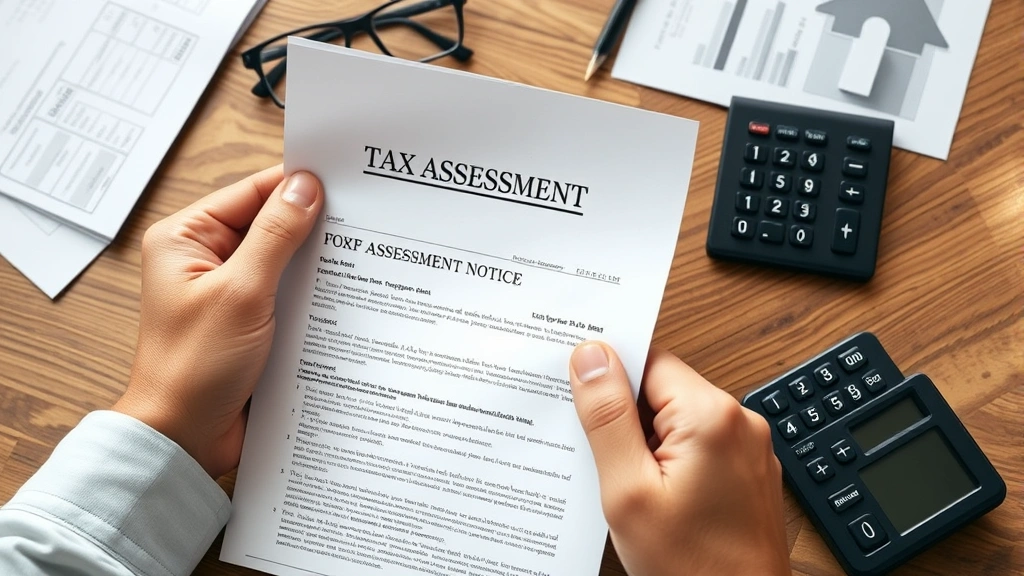
The Richland County Assessor’s office conducts periodic assessments to determine property values. If you believe your assessment is incorrect or higher than comparable properties, you have the right to appeal. This process can save you thousands in property taxes over time.
File an appeal within 30 days of receiving your assessment notice. You’ll need comparable sales data for similar properties in your area. Real estate agents can provide recent sales information, or you can research public records. The appeal process typically involves submitting documentation to the Assessor’s office and potentially attending a hearing.
Many successful appeals result from showing that the assessed value exceeds fair market value. If your property was recently reassessed and the value increased significantly, investigate whether the assessor made errors in square footage, condition assessment, or comparable property selection.
Understanding tax deed states and auction processes helps you understand the stakes of property tax delinquency. While South Carolina has specific tax deed procedures, the best strategy is staying current on payments and appealing assessments you believe are unfair.
Tax Payment Deadlines
Missing tax deadlines creates penalties and interest that compound quickly. For Richland County property taxes, the payment deadline is typically December 31st for the current year’s taxes. Paying early avoids penalties and ensures your payment is processed correctly.
Federal income tax returns are due April 15th unless you file for an extension. An extension gives you until October 15th to file, but it doesn’t extend your payment deadline. If you owe taxes, pay by April 15th to avoid penalties, even if you file an extension.

Quarterly estimated tax payments for self-employed individuals are due April 15th, June 15th, September 15th, and January 15th (of the following year). Missing these deadlines results in penalties proportional to the amount owed and the time it was late.
South Carolina state income tax returns follow the federal deadline. If you owe state taxes, pay by April 15th. The state charges penalties of 5% per month for late payment, plus interest at the current rate (typically 8% annually).
Money-Saving Tax Strategies
Effective tax planning requires thinking beyond just filing your return. Year-round strategies can significantly reduce your tax burden. Start by maximizing retirement contributions—whether through 401(k)s, IRAs, or SEP-IRAs if you’re self-employed. These contributions reduce current-year taxable income while building wealth.
Bunching deductions is a strategy where you accelerate charitable contributions or medical expenses into one year to exceed the standard deduction threshold. This works particularly well if you’re close to itemizing. For example, if you’re $2,000 short of itemizing, making a $2,000 charitable contribution in December could allow you to itemize that year.
Tax-loss harvesting applies to investment accounts. If you have stocks or funds that declined in value, selling them creates a capital loss that offsets capital gains. You can deduct up to $3,000 in net capital losses annually against ordinary income, with excess losses carrying forward indefinitely.
Timing income and expenses strategically matters for self-employed individuals and business owners. Deferring income to the following year or accelerating deductible expenses into the current year can reduce current-year taxes. However, avoid aggressive strategies that trigger audit risk—work with a qualified tax professional.
Health Savings Accounts (HSAs) offer triple tax advantages: contributions are deductible, growth is tax-free, and qualified withdrawals are tax-free. If you have a high-deductible health plan, maximizing HSA contributions is one of the most efficient tax strategies available.
Frequently Asked Questions
What is Richland County’s property tax rate?
Richland County’s millage rate varies by location but typically ranges from 375 to 425 mills. The exact rate depends on whether you’re in an incorporated area like Columbia, which has its own municipal millage. Check your property tax bill or contact the Richland County Assessor’s office for your specific rate.
Can I deduct property taxes in Richland County?
Yes, if you itemize deductions on your federal tax return. However, there’s a $10,000 annual cap on deducting state and local taxes (SALT) combined, including property taxes, income taxes, and sales taxes. This cap applies to federal returns through 2025 unless Congress extends it.
How do I find my property assessment in Richland County?
Visit the Richland County Assessor’s website or contact their office directly. You can search by property address or parcel number. Your property tax bill also shows the assessed value. If you believe the assessment is incorrect, you have 30 days from receiving the notice to file an appeal.
What is South Carolina’s state income tax rate?
South Carolina uses a progressive tax system with rates ranging from 0% to 7% depending on income level. For 2024, the top rate of 7% applies to income exceeding $15,000 for single filers and $30,000 for married couples filing jointly.
Are groceries taxed in Richland County?
No, groceries and unprepared food items are exempt from South Carolina sales tax. However, prepared foods, restaurant meals, and non-food items purchased at grocery stores are taxable. This exemption helps reduce the sales tax burden on essential items.
Do I need to file a South Carolina state return?
If you’re a South Carolina resident with income, you must file a state return if your income exceeds the filing threshold. For 2024, that’s generally $12,550 for single filers and $25,100 for married couples filing jointly. Even if you don’t owe taxes, filing may be necessary to claim refundable credits.
What is the sales tax rate in Richland County?
The combined sales tax rate is 8.5%, consisting of the state rate (6%) plus local rates. This is one of the highest sales tax rates in the nation, so being strategic about major purchases can save money.
Can I appeal my property tax assessment?
Yes, you have the right to appeal within 30 days of receiving your assessment notice. File your appeal with the Richland County Assessor’s office and provide evidence such as comparable sales, recent appraisals, or documentation of property condition issues that affect value.
Conclusion
Managing Richland County taxes effectively requires understanding multiple tax types and actively seeking opportunities to reduce your burden. From property tax appeals to maximizing deductions and credits, numerous strategies exist to keep more money in your pocket. Start by reviewing your property assessment, calculating whether you should itemize deductions, and ensuring you’re taking advantage of all available credits. Consider working with a qualified tax professional who understands South Carolina’s specific rules and Richland County’s local requirements. The time you invest in tax planning now pays dividends throughout the year and beyond. Remember that tax laws change regularly, so staying informed about updates ensures you’re always optimizing your tax situation for 2024 and beyond.