
Richmond personal property tax is a yearly obligation that catches many residents off guard. Whether you own vehicles, boats, or business equipment in Richmond, Virginia, understanding how this tax works can help you avoid penalties and potentially reduce what you owe. As a CPA who’s helped countless clients navigate local tax requirements, I’ll walk you through everything you need to know.
Table of Contents
What Is Personal Property Tax?
Personal property tax differs from real estate tax. While real estate tax applies to land and buildings, personal property tax targets movable assets you own. In Richmond, this includes vehicles, motorcycles, boats, RVs, and business equipment. The city assesses these items annually and charges a percentage of their assessed value.
Think of it this way: if you own a car worth $20,000, Richmond’s assessor determines the tax based on that value. Unlike federal income tax, this is a local obligation that varies significantly by locality. Many people overlook this tax because it’s not withheld from paychecks—you receive a bill and must pay it directly.
Richmond Tax Rates Explained
Richmond’s personal property tax rate typically falls around $4.50 per $100 of assessed value, though rates can fluctuate annually based on city budget needs. This means a vehicle assessed at $15,000 would generate roughly $675 in annual taxes. The rate applies consistently across most personal property categories, though some items may receive different treatment.
The city reassesses property values regularly, which means your tax bill can increase or decrease year to year even if you own the same items. For comparison, if you’re familiar with Richland County SC tax structures, you’ll notice Virginia’s approach emphasizes regular reassessment rather than static valuations.
What Items Are Taxable
Not everything you own gets taxed. Richmond’s personal property tax focuses on specific categories:
- Vehicles: Cars, trucks, motorcycles registered in Virginia
- Recreational Equipment: Boats, jet skis, RVs, trailers
- Business Property: Equipment, machinery, inventory for business use
- Household Goods: In some cases, though primary residences receive exemptions
- Farm Equipment: Agricultural machinery and tools
Importantly, personal items like clothing, furniture for personal use, and household goods in your primary residence typically aren’t taxed. The key distinction is whether the property is used for business or commercial purposes versus personal enjoyment.
Finding Available Exemptions
Richmond offers several exemptions that can significantly reduce your tax burden. Seniors (typically age 65+) may qualify for partial exemptions on personal property. Veterans, particularly disabled veterans, often receive substantial tax relief. If you’re a business owner, certain equipment used exclusively for manufacturing might qualify for exemption.

The catch? You must apply for these exemptions—they don’t happen automatically. Many people miss out simply because they don’t know to request them. Contact Richmond’s Commissioner of the Revenue office before your bill arrives to inquire about eligibility. The application process usually takes 30-60 days, so don’t wait until the last minute.
Similar to how St. Charles County MO personal property tax requires proactive exemption requests, Richmond requires you to take initiative.
How Property Gets Valued
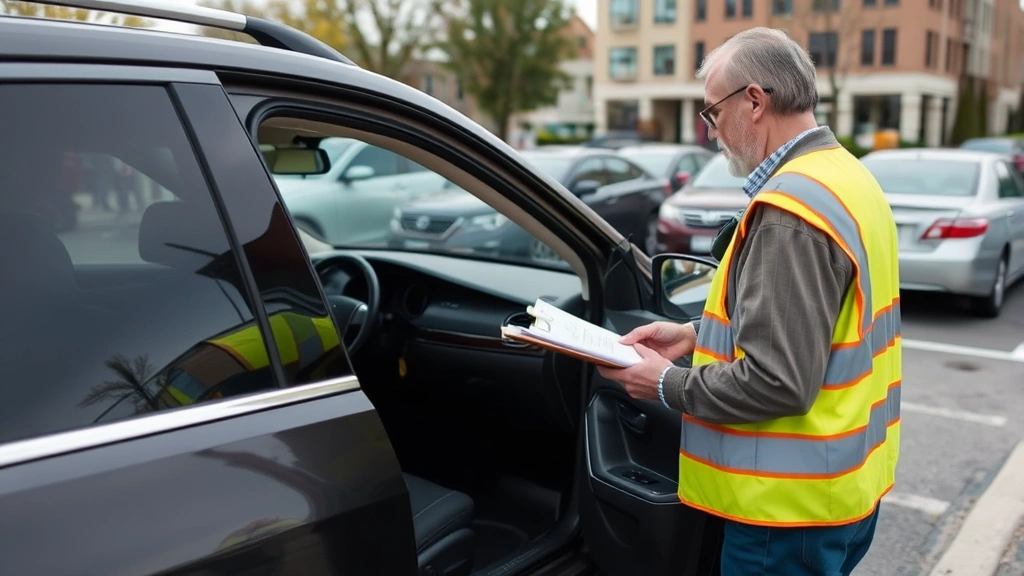
Richmond’s assessor determines value using several methods. For vehicles, they typically reference market guides like NADA or Kelley Blue Book. The assessed value often reflects the vehicle’s age, condition, and current market price. For boats and specialty equipment, assessors may use manufacturer specifications and comparable sales data.
Here’s where many people miss opportunities: if you believe your property is overvalued, you can challenge the assessment. I’ve seen clients successfully argue that their vehicle’s assessed value exceeded actual market value, resulting in lower taxes. Keep documentation of your property’s condition, maintenance records, and comparable sales in your area.
The assessment process isn’t perfect, and assessors appreciate when property owners provide accurate information upfront.
Payment Deadlines Matter
Missing Richmond personal property tax deadlines carries real consequences. The tax bill typically comes in May, with payment due by June 5th. Late payments incur penalties and interest—usually around 10% penalty plus monthly interest charges. These penalties compound quickly, turning a manageable bill into a financial headache.
Set calendar reminders now. Better yet, consider automatic payment through Richmond’s online system. Some people set up bill pay through their bank to ensure payment reaches the city on time. If you anticipate difficulty paying, contact the Commissioner of the Revenue office before the deadline—they sometimes work with taxpayers on payment arrangements.
Appealing Your Assessment
Disagree with your assessment? Richmond provides an appeal process. You typically have 30-45 days from receiving your bill to file a formal protest. The appeal requires documentation supporting your claim that the assessed value is incorrect.
When appealing, gather evidence: recent purchase receipts, maintenance records showing significant wear, comparable property sales, or independent appraisals. Present your case professionally and factually. I’ve found that assessors are often willing to adjust values when presented with credible evidence. The appeal process costs nothing, so it’s worth pursuing if you believe your assessment is unfair.
Business Property Considerations
If you operate a business in Richmond, personal property tax applies to equipment, machinery, and inventory. Business owners often overlook depreciation—as equipment ages, its assessed value should decrease. However, assessors don’t always account for this automatically.
Track your business equipment carefully. Maintain an inventory list with purchase dates and current condition. When equipment becomes obsolete or non-functional, remove it from your property list. For businesses similar to those discussed in MO Jackson County personal property tax scenarios, keeping meticulous records separates successful tax management from costly oversights.
Additionally, certain business equipment may qualify for exemptions or abatements if it’s used for manufacturing or export purposes. Consult with a tax professional to ensure you’re claiming all available business property tax benefits.
Money-Saving Strategies
Beyond exemptions and appeals, several strategies reduce your Richmond personal property tax burden:
1. Timing Vehicle Purchases Wisely
Vehicles registered after certain dates in the tax year may not be assessed until the following year. Purchasing strategically can delay your first tax bill.

2. Document Everything
Keep receipts, maintenance records, and appraisals. This documentation supports exemption applications and appeals.
3. Review Annual Assessments
Don’t assume your assessment is correct. Compare it against market values each year. As vehicles age, assessed values should decline proportionally.
4. Explore Charitable Donations
If you donate a vehicle to charity, you eliminate future personal property tax obligations on that asset. This works particularly well for aging vehicles with minimal remaining value.
5. Consolidate Holdings
If you own multiple vehicles but only need one, selling extras reduces your overall tax burden. The savings might surprise you.
6. Stay Informed About Rate Changes
Richmond’s tax rates occasionally change. Understanding how these changes affect you helps with budgeting and planning.
For additional context on property tax strategies, explore Delaware County property taxes resources, which often discuss similar approaches to tax reduction.
Common Mistakes to Avoid
After working with numerous Richmond residents, I’ve noticed patterns in how people mishandle personal property tax:

Ignoring Bills: Some people don’t pay because they disagree with the assessment. This is backwards—pay the bill and appeal simultaneously. Interest and penalties make the problem worse.
Forgetting Registration Changes: When you sell a vehicle, immediately notify the assessor. Continuing to pay tax on property you no longer own is throwing money away.
Not Claiming Exemptions: Seniors and veterans often don’t realize they qualify. Missing exemptions costs hundreds annually.
Assuming Assessments Are Accurate: They’re not always correct. Challenge inflated valuations rather than accepting them passively.
If you’re a real estate professional managing properties, understanding these rules also helps with overall tax planning—much like the strategies discussed in real estate agent tax deductions guides.
Frequently Asked Questions
When is Richmond personal property tax due?
Richmond personal property tax bills typically arrive in May, with payment due by June 5th. Late payments incur penalties and interest charges. Check your specific bill for exact dates, as they can occasionally vary.
Can I deduct personal property tax on my federal return?
Personal property tax is generally not deductible on federal income taxes. However, if the property is used for business purposes, you may be able to deduct it as a business expense. Consult a tax professional about your specific situation.

What happens if I don’t pay my personal property tax bill?
Unpaid bills accumulate penalties (typically 10%) and monthly interest. The city can place a lien on your property or suspend vehicle registration. Ignoring the bill makes the problem exponentially worse.
How is a vehicle’s assessed value determined?
Richmond uses market guides like NADA and Kelley Blue Book to determine vehicle values. The assessed value reflects the vehicle’s year, make, model, mileage, and condition. You can appeal if you believe the valuation is incorrect.
Do I pay personal property tax if I lease a vehicle?
No. The leasing company is responsible for personal property tax on leased vehicles. You only pay tax on vehicles you own.
Can I get a property tax exemption for a donated vehicle?
Yes. Donating a vehicle to a qualified charity eliminates future personal property tax obligations on that asset. Ensure the charity is qualified and obtain proper documentation for your records.
What if I move out of Richmond?
You’re only responsible for personal property tax in the jurisdiction where your property is registered. When you move, update your vehicle registration with your new address, and notify Richmond’s assessor.
How do I file an appeal for my assessment?
Contact Richmond’s Commissioner of the Revenue office for appeal procedures and deadlines. You typically have 30-45 days from receiving your bill. Provide documentation supporting your claim that the assessment is incorrect.
Final Thoughts on Richmond Personal Property Tax
Richmond personal property tax isn’t glamorous, but understanding it saves real money. The key is treating it seriously: pay on time, claim available exemptions, challenge inflated assessments, and stay organized. Many people overlook opportunities to reduce their burden simply because they don’t understand the rules.
Start by reviewing your most recent bill. If you received one, check whether you qualify for any exemptions. If you’re new to Richmond, register your property promptly and understand the assessment process. If you believe your valuation is incorrect, gather documentation and file an appeal—it costs nothing and often succeeds.
Personal property tax isn’t optional, but how much you pay is partially within your control. Take action, stay informed, and don’t hesitate to reach out to Richmond’s assessor’s office with questions. They’re there to help, and most are happy to clarify how the system works.