
If you’re buying a car in Massachusetts, sales tax for cars in MA is one of the biggest hidden costs most buyers overlook until they’re sitting at the dealer’s desk. Massachusetts charges a 6.25% sales tax on vehicle purchases, which can easily add $1,500 to $3,000+ to your total bill depending on the car’s price. The good news? There are legitimate strategies to reduce what you owe, and understanding how MA’s tax system works puts you in control of your wallet.
Table of Contents
Massachusetts Sales Tax Rate Explained
Massachusetts applies a flat 6.25% sales tax on all vehicle purchases. This rate applies uniformly across the state—no county or local additions like you’d find in some states. Unlike Phoenix AZ sales tax, which varies by location, Massachusetts keeps it simple and consistent.
Here’s what that means in real dollars: On a $30,000 car, you’re looking at $1,875 in sales tax alone. On a $50,000 vehicle, that’s $3,125. The state doesn’t differentiate between new and used vehicles—both face the same 6.25% rate. This is important because many buyers mistakenly think used cars escape sales tax. They don’t in Massachusetts.
The tax applies to the vehicle’s purchase price, and it’s collected by the dealer at the point of sale. You’ll see it itemized on your bill of sale and payment agreement. Understanding this upfront helps you budget accurately and spot opportunities to reduce the taxable amount.
How Sales Tax Gets Calculated
The calculation seems straightforward: purchase price × 6.25% = sales tax owed. But there’s a critical detail that changes everything—what counts as the “purchase price.”
In Massachusetts, the taxable amount is the vehicle’s sale price minus any trade-in allowance. This is your first major opportunity to reduce your tax bill. If you’re trading in a car worth $8,000 and buying a $30,000 vehicle, you only pay tax on $22,000 ($30,000 – $8,000). That saves you $500 in taxes right there ($8,000 × 6.25%).
The state also excludes the value of manufacturer rebates and incentives from the taxable base in certain situations. If you’re getting a $2,000 rebate, that amount typically doesn’t count toward the sales tax calculation. Always ask your dealer to confirm how rebates are being applied to your specific deal.
Documentation matters here. The Registry of Motor Vehicles requires dealers to report the actual purchase price and any credits. Getting this right on your paperwork ensures you’re not overpaying at tax time.
Trade-In Credits Lower Your Bill
This is where most people leave money on the table. Your trade-in allowance directly reduces the taxable purchase price, and negotiating that trade-in value aggressively is one of the smartest moves you can make.
Let’s say you’re buying a $35,000 sedan and trading in your old car. The dealer initially offers $6,000 for your trade-in. That means you pay tax on $29,000. But if you negotiate that trade-in up to $8,000, you now pay tax on only $27,000—saving you $125 in sales tax alone (the difference of $2,000 × 6.25%).
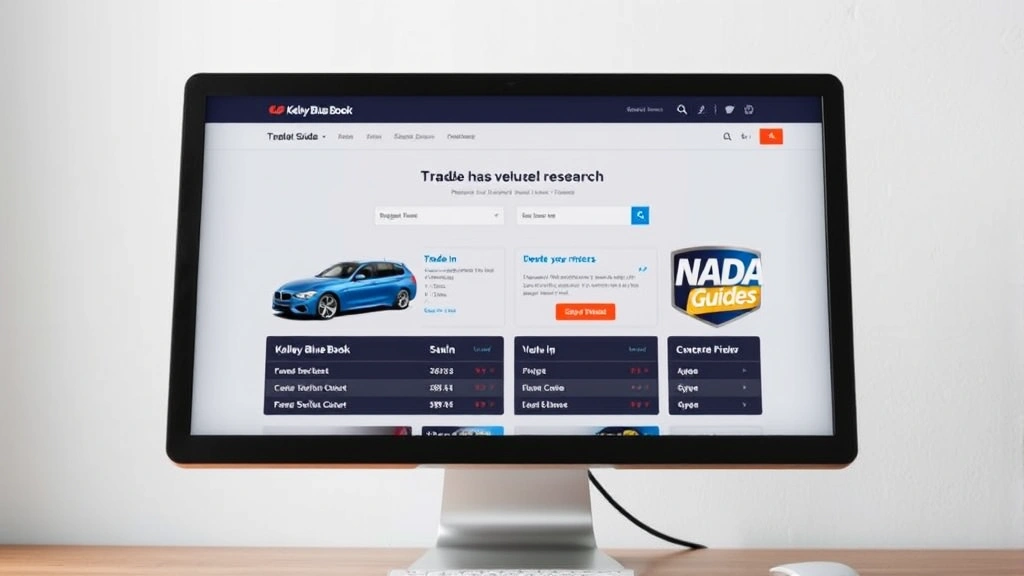
Here’s a pro tip: Get your trade-in appraised independently before walking into the dealership. Use Kelley Blue Book, NADA Guides, or Edmunds to know your car’s actual market value. Dealers count on buyers not knowing this number, and they’ll lowball you if you let them. Armed with data, you can push back and secure a better trade-in value, which directly cuts your tax bill.
Some dealers also offer gap insurance or extended warranties as part of the deal. These typically aren’t subject to sales tax if structured correctly, so ask your dealer to separate them from the vehicle purchase price on your paperwork.
Private Party Sales Rules
Buying from a private seller in Massachusetts? The sales tax still applies. You can’t escape it by going the private route, unlike in some states.
When you purchase from an individual, you’re responsible for paying the sales tax directly to the Registry of Motor Vehicles when you register the vehicle. You’ll need to provide documentation of the purchase price (bill of sale) and pay 6.25% on that amount. This is actually more transparent than dealer sales because there’s no negotiation about what the “taxable amount” is—it’s whatever you paid.
The advantage of private sales is that you might negotiate a lower purchase price overall, which proportionally reduces your tax. If you buy a $25,000 car from a dealer, you pay $1,562.50 in tax. If you buy the same car from a private seller for $23,000 (because you negotiated hard), you only pay $1,437.50 in tax—a $125 savings just from the lower purchase price.

Keep your bill of sale documentation safe. You’ll need it when you register the vehicle at the RMV, and it serves as proof of the price you paid if there’s ever a dispute about the tax amount owed.
Tax Exemptions and Loopholes
Massachusetts has limited sales tax exemptions for vehicles, but they’re worth knowing about because they could apply to your situation.
Non-profit organizations may qualify for exemptions on vehicle purchases if they meet specific criteria. If you’re buying on behalf of a qualifying non-profit, you’ll need to provide documentation to the dealer proving your organization’s status.
Vehicles for disabled individuals may qualify for exemptions or reduced rates in limited circumstances. If you’re purchasing adaptive equipment or a vehicle specifically modified for accessibility, talk to the Registry of Motor Vehicles about potential relief.
Here’s what doesn’t work as an exemption: buying a vehicle “for business use” doesn’t exempt you from sales tax. Business owners still pay the full 6.25%, though they may be able to deduct it as a business expense on their taxes. That’s a different benefit—it reduces your income tax liability, not your sales tax bill.
Another common misconception: “I’m buying out of state, so I don’t pay MA tax.” Wrong. If you’re a Massachusetts resident registering the vehicle in Massachusetts, you owe MA sales tax regardless of where you bought it. Some states have reciprocal agreements, but Massachusetts isn’t particularly lenient here.
Timing Strategies for Savings
While you can’t avoid sales tax, strategic timing can reduce your overall purchase cost, which indirectly affects your tax burden.

End-of-month and end-of-quarter timing: Dealers have sales quotas. At the end of the month or quarter, they’re often more willing to negotiate aggressively on price to hit their numbers. A lower purchase price means lower sales tax. If you can wait until the 25th-31st of a month, you might secure a better deal.
Model year transitions: When new model years arrive (usually late summer/early fall), dealers discount the previous year’s inventory heavily. A $35,000 current model year car might sell for $31,000 as a model year closeout. That $4,000 price difference saves you $250 in sales tax.
Seasonal considerations: Winter is typically slower for car sales (people don’t like car shopping in the cold). This means more negotiating power for you. Summer, especially June and July, sees more competition among buyers, which means less room to negotiate.
The key principle: Every dollar you negotiate off the purchase price saves you 6.25 cents in sales tax. So aggressively negotiating the vehicle price is a dual benefit—you’re reducing both the base cost and the tax.
Dealer vs. Private: Tax Differences
There’s a common misconception that buying from a private party saves you sales tax. It doesn’t—you still owe the full 6.25% in Massachusetts. But there are other tax and financial differences worth understanding.
Dealer sales: The dealer collects sales tax at the point of sale and remits it to the state. You see it itemized on your paperwork. The advantage is convenience—it’s all handled at the dealership. The disadvantage is that dealers sometimes inflate the “selling price” to increase their margin, which increases your tax.
Private sales: You pay tax to the RMV when you register the vehicle. This is actually more transparent because there’s no dealer markup involved. The purchase price is what you negotiated, period. However, you have to handle the tax payment yourself, which requires a trip to the RMV.
From a pure tax perspective, private sales often result in lower overall costs because there’s no dealer markup. But the convenience of a dealer sale (warranty, service, financing options) might justify paying slightly more. Compare the total cost-of-ownership, not just the sales tax.
If you’re exploring financing options, check out resources like Smart Honda Finance Secrets and Surprising Ford Financing Deals to understand how financing impacts your overall purchase cost beyond just sales tax.
Registration Fees Beyond Tax
Sales tax isn’t the only state charge you’ll face. Massachusetts also has registration and title fees that add to your total cost of ownership.
Registration fees are based on the vehicle’s value and are calculated separately from sales tax. For most vehicles, registration runs $75-$150 for the initial registration. This is a flat fee, not a percentage, so it’s far less painful than sales tax.
Title fees are typically $50-$75 for a new Massachusetts title. If you’re transferring a title from out of state, there may be additional fees.
Inspection stickers cost $35 and are required annually in Massachusetts. This isn’t a sales-tax-related cost, but it’s important to budget for it in your first year of ownership.
The total of these fees typically ranges from $160-$260 on top of your sales tax. It’s not insignificant, but it’s predictable and non-negotiable. Factor it into your total purchase budget.
Frequently Asked Questions
Can I avoid Massachusetts sales tax by buying out of state?
No. If you’re a Massachusetts resident registering the vehicle in Massachusetts, you owe MA sales tax regardless of where you purchased it. Some states have use tax agreements, but Massachusetts requires you to pay tax based on your state of residence and registration.
Do I pay sales tax on a leased vehicle?
No. Leasing is structured differently—you’re paying for the use of the vehicle, not purchasing it. Sales tax doesn’t apply to lease payments. However, if you lease-to-own and eventually purchase the vehicle, you’ll owe sales tax on the purchase portion at that time.
What if I buy a used car from a dealer?
You pay the same 6.25% sales tax on used vehicles as you do on new ones. The age or mileage of the vehicle doesn’t affect the tax rate. The only variable is the purchase price and any trade-in credit.
Does sales tax apply to add-ons like floor mats or warranty?
Yes, typically. Add-ons and extended warranties are usually subject to the 6.25% sales tax if they’re included in the vehicle purchase agreement. Ask your dealer to itemize these separately so you can see exactly what’s being taxed.
Can I deduct vehicle sales tax on my federal income tax return?
Not directly. Sales tax on vehicle purchases isn’t deductible on your federal return. However, if you’re self-employed and purchase a vehicle for business use, you can deduct it as a business expense (or depreciate it). That’s different from deducting the sales tax itself.
What’s the difference between sales tax and use tax?
Sales tax is paid when you purchase a vehicle in Massachusetts. Use tax applies if you buy a vehicle out of state and bring it into Massachusetts without paying sales tax. Essentially, use tax ensures you can’t escape the 6.25% by purchasing out of state. You still owe 6.25% to Massachusetts, just under a different name.
Final Thoughts: Take Control of Your Tax Bill
Sales tax for cars in MA is unavoidable, but it’s not unmanageable. By understanding how the 6.25% tax is calculated, leveraging trade-in credits, negotiating aggressively on purchase price, and timing your purchase strategically, you can meaningfully reduce what you owe.
The math is simple: every dollar you negotiate off the purchase price saves you 6.25 cents in sales tax. Focus your energy there. Get your trade-in appraised independently, shop around for the best deal, and don’t accept the dealer’s first offer. These steps reduce your tax burden while improving your overall deal.
For more information on state tax systems and how they affect your finances, explore resources like Nevada sales tax to understand how other states structure vehicle taxes differently. Understanding the broader tax landscape helps you make informed decisions wherever you’re buying.
When you’re ready to purchase, bring this guide with you. Know your numbers, understand the tax calculation, and don’t let the dealer rush you through the paperwork. Your wallet will thank you.