Understanding sales tax in SF is essential for any business operating in San Francisco, whether you’re a small online retailer or a brick-and-mortar shop. The Golden City’s sales tax landscape is more complex than many realize, with rates, exemptions, and filing requirements that can trip up even experienced entrepreneurs. In this guide, we’ll break down everything you need to know to stay compliant and avoid costly penalties.
Table of Contents
Current SF Sales Tax Rates
San Francisco’s combined sales tax rate for 2024 is 8.625%. This breaks down into the California state rate of 7.25% plus San Francisco’s local rate of 1.25%. However, it’s crucial to understand that this rate can vary depending on the specific location within San Francisco and the type of product or service being sold.
The state portion (7.25%) is consistent across California, but the local portion is where things get tricky. San Francisco’s 1.25% local rate includes contributions to various city funds and services. If you’re selling in multiple California locations, you’ll need to track different rates for each jurisdiction—this is why many businesses use tax software to avoid mistakes.
Keep in mind that sales tax in Santa Ana and other California cities may differ slightly, so don’t assume your SF rate applies elsewhere.
Who Must Collect Sales Tax
Not every business in San Francisco is required to collect sales tax, but most are. Generally, if you’re selling tangible personal property (physical goods), you must collect and remit sales tax. This includes:
- Retail stores selling merchandise
- Restaurants and food services
- E-commerce businesses shipping products to SF customers
- Service providers in certain categories (like repair services)
The key question is whether you have sales tax nexus in San Francisco. If you have a physical presence—an office, warehouse, employees, or even a pop-up shop—you definitely owe sales tax. But the rules have expanded significantly in recent years, especially for online sellers.
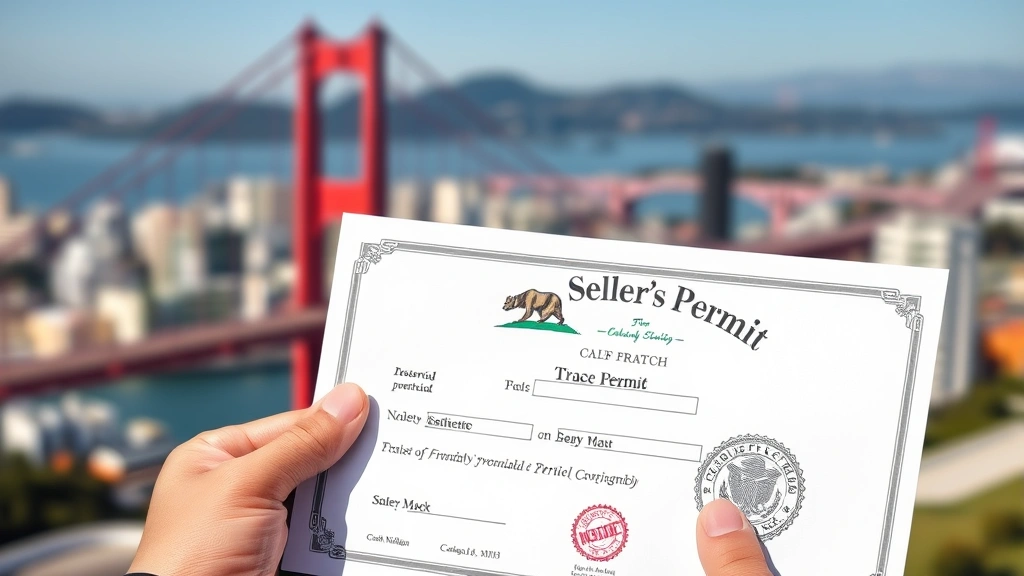
As a general rule, if you’re making sales to San Francisco customers, you likely need to register for a seller’s permit with the California Department of Tax and Fee Administration (CDTFA). Failing to register is one of the most common mistakes we see, and it can lead to serious consequences.
Common Tax Exemptions
While most sales are taxable, San Francisco and California do provide several important exemptions that can save your business money:
- Groceries: Most unprepared food items are exempt, though prepared foods remain taxable
- Prescription medications: Completely tax-free
- Medical devices: Certain qualifying devices may be exempt
- Nonprofit sales: Some nonprofit organizations can make exempt sales
- Resale certificates: Wholesalers and retailers can purchase inventory without paying tax if they provide a resale certificate
The exemption landscape is nuanced. For example, a coffee shop selling a bagel faces taxation, but a grocery store selling the same bagel to a customer might not—it depends on whether the bagel is prepared or unprepared. This is where professional guidance becomes invaluable.
Sales Tax Nexus Rules
Nexus is the legal connection between your business and San Francisco that triggers a sales tax collection obligation. You have nexus if you:
- Have a physical location (office, store, warehouse)
- Employ people in San Francisco
- Own or lease property in the city
- Make sales to SF customers (this is the big one for remote businesses)
The Supreme Court’s 2018 South Dakota v. Wayfair decision fundamentally changed nexus rules. Now, even if you have no physical presence in San Francisco, you may still be required to collect sales tax if you exceed certain sales thresholds. For California, if you’ve made sales to California customers, you generally need to register and collect tax.
This means an online business based in New York selling to San Francisco customers is still required to collect SF sales tax. It’s a common surprise for remote sellers, and it’s why understanding California use tax is equally important for your business operations.
Filing Deadlines and Schedules
San Francisco businesses must file sales tax returns with the CDTFA on a regular schedule. The frequency depends on your sales volume:
- Monthly filers: Most businesses file monthly, with returns due by the last day of the following month
- Quarterly filers: Businesses with lower sales volumes may qualify for quarterly filing
- Annual filers: Very small businesses might file annually, though this is rare
Missing a filing deadline triggers penalties and interest charges that compound quickly. The CDTFA doesn’t look kindly on late payments, and we’ve seen small businesses face penalties exceeding their actual tax liability due to late fees.
Pro tip: Set up automatic reminders or use accounting software that tracks your filing deadlines. Many businesses use the CDTFA’s online system, which sends reminders and allows for electronic filing and payment. This reduces errors and gives you a clear audit trail.
Remote Sellers and Online Sales
If you’re selling online to San Francisco customers, you’re in the crosshairs of sales tax requirements. The rules are clear: if you’re making sales to SF residents, you must collect and remit sales tax, regardless of where your business is located.
This applies to:
- Amazon sellers shipping to SF addresses
- Dropshippers fulfilling orders in the city
- Digital products (though some are exempt)
- Services performed for SF customers
Many online sellers use marketplace facilitators (like Amazon, eBay, or Shopify) that handle tax collection on their behalf. However, you’re still responsible for verifying that the correct tax is being collected. Don’t assume the platform is handling everything correctly—we’ve seen situations where the wrong rate was applied, creating compliance issues.
If you’re managing your own e-commerce platform, you’ll need to configure your system to collect the correct SF rate. This is where integration with tax software becomes essential to avoid manual errors.
Penalties for Non-Compliance
The CDTFA takes sales tax compliance seriously, and the penalties can be steep. Here’s what you might face:
- Late payment penalties: 10% of unpaid tax, plus interest
- Failure to file: 5-10% penalty depending on circumstances
- Fraud penalties: Up to 75% if willful underreporting is discovered
- Interest: Compounds monthly on unpaid taxes
These penalties aren’t theoretical—we’ve worked with businesses that owed $50,000 in penalties on a $30,000 tax liability because they didn’t file for three years. The lesson? Compliance now is infinitely cheaper than penalties later.
If you’ve made mistakes, the CDTFA does have amnesty programs and installment payment options. But you have to reach out proactively. Ignoring the problem only makes it worse.
Understanding Use Tax Obligations
Here’s where many SF business owners get caught off guard: use tax is the flip side of sales tax. If you purchase items for business use without paying sales tax (because the seller didn’t collect it), you owe use tax instead.
For example, if you buy office supplies from an out-of-state vendor that doesn’t charge sales tax, you owe San Francisco use tax on that purchase. It’s essentially a backstop to prevent tax avoidance.
Use tax applies to:

- Out-of-state purchases brought into SF
- Items purchased tax-free for resale but ultimately used in the business
- Equipment and fixtures for your business location
Many businesses overlook use tax because it’s not as visible as sales tax collection. But the CDTFA actively audits use tax compliance, and the penalties are the same as for sales tax violations. When you file your sales tax return, you’ll report use tax liability in a separate section.
Record-Keeping Requirements
The CDTFA requires businesses to maintain detailed records for at least four years. These records must include:
- Sales invoices and receipts
- Purchase orders and supplier documentation
- Tax returns filed with the CDTFA
- Resale certificates from customers
- Bank statements and payment records
- Records showing which sales were taxable vs. exempt
In an audit, these records are your defense. We’ve seen businesses face massive assessments because they couldn’t document their sales or prove that certain items were exempt. Digital record-keeping is your friend here—cloud-based accounting systems automatically organize and preserve this documentation.
If you’re ever audited, the CDTFA will examine your records to verify that you collected and remitted the correct amount of tax. Sloppy record-keeping doesn’t just make audits harder; it can actually increase your audit risk because it signals compliance problems.
Frequently Asked Questions
Do I need a seller’s permit to collect sales tax in San Francisco?
Yes, absolutely. You must register with the California Department of Tax and Fee Administration and obtain a seller’s permit before collecting sales tax. You can apply online at the CDTFA website. Operating without a permit is illegal and can result in fines and criminal charges.
What’s the difference between sales tax and use tax?
Sales tax is collected by the seller from the buyer at the point of sale. Use tax is paid by the buyer (or collected by the seller) when sales tax wasn’t collected on a purchase. They serve the same purpose—ensuring San Francisco gets its tax revenue—but are triggered in different scenarios.
Are digital products subject to sales tax in SF?
Generally, digital products like e-books, software, and streaming services are not subject to sales tax in California. However, if you’re providing digital services that are considered taxable, or if you’re bundling digital products with physical goods, taxation can apply. This is an area where specifics matter, so consult the CDTFA’s guidance or a tax professional for your particular product.
Can I claim a credit for sales tax I’ve already paid?
No, sales tax isn’t creditable like income tax. If you’ve overpaid sales tax in a prior period, you can file an amended return requesting a refund. The CDTFA will review your claim, and if approved, you’ll receive a refund or credit toward future tax liability.
What happens if I make a mistake on my sales tax return?
File an amended return (Form 588-V) as soon as you discover the error. The sooner you correct it, the less interest and penalties you’ll owe. The CDTFA is generally more forgiving of honest mistakes than willful violations, so don’t delay in making corrections.
Do I need to collect sales tax on shipping charges?
Yes, in California, shipping charges are generally taxable when they’re separately stated. This applies whether you’re shipping physical goods or providing delivery services. Make sure your e-commerce system is configured to tax shipping appropriately.
Final Thoughts on SF Sales Tax
Navigating sales tax in SF doesn’t have to be overwhelming, but it does require attention to detail and ongoing education. Tax laws change, nexus rules evolve, and the CDTFA regularly updates guidance. What worked for your business last year might need adjustment this year.
The best approach is to stay organized from day one. Register for your seller’s permit, set up proper accounting systems, file on time, and keep meticulous records. If you’re unsure about any aspect—whether it’s nexus determination, exemption eligibility, or filing frequency—reach out to a tax professional. The cost of professional guidance is trivial compared to the cost of penalties and interest.
For additional context on how SF sales tax compares to other jurisdictions, check out resources on sales tax in Reno or Portland Oregon sales tax. Understanding regional differences helps you scale your business confidently.
Remember, compliance isn’t a one-time event—it’s an ongoing responsibility. But with the right systems and knowledge, you can manage your SF sales tax obligations efficiently and focus on growing your business.