

Understanding sales tax in Vegas is essential if you live in or frequently visit Nevada’s largest city. Unlike many states, Nevada has no state income tax, but it does have a sales tax that can catch visitors and residents off guard. Whether you’re buying a new car, grabbing groceries, or shopping on the Strip, knowing how much you’ll actually pay at checkout matters for your wallet.
Table of Contents
Current Vegas Sales Tax Rate
As of 2024, the combined sales tax rate in Las Vegas is 8.375%. This consists of Nevada’s state sales tax of 4.6% plus Clark County’s local sales tax of 3.775%. It’s one of the higher sales tax rates in the country, so every purchase adds up quickly.
This rate has fluctuated over the years. Nevada increased its state sales tax in 2019 to help fund education, which is why you might remember a lower rate if you haven’t been paying attention for a few years. The local portion can also change based on county initiatives and voter-approved measures.
For comparison, if you’re familiar with sales tax in San Francisco, you’ll find Vegas is slightly lower (SF is 8.625%). However, the key difference is that Nevada has zero income tax, which changes the overall tax burden significantly.
How Sales Tax Works in Vegas
Sales tax in Vegas is added at the point of sale—meaning it’s calculated on top of the listed price. Unlike some states where tax is sometimes included in the displayed price, Nevada retailers show the pre-tax amount, and you pay the tax at checkout. This surprises many visitors who budget based on the sticker price.
The tax applies to the sale of tangible personal property and certain services. It’s collected by the retailer and sent to Nevada’s Department of Taxation. Understanding how it’s calculated helps you budget more accurately and avoid sticker shock at the register.
One important note: the tax rate can vary slightly depending on your exact location within Clark County, though most of Las Vegas proper uses the 8.375% rate. Some unincorporated areas might have slightly different rates.
What’s Actually Taxable
Not everything you buy in Vegas is subject to sales tax. Understanding what is and isn’t taxable can help you save money and plan your budget better. The general rule is that tangible personal property is taxable, but there are many exceptions.
Services are typically not subject to sales tax in Nevada, though there are important exceptions. Labor services, repairs, and installations generally aren’t taxed. However, if you’re buying a product as part of a service (like materials for a repair), those materials might be taxable.
Clothing and accessories are fully taxable. Medicine and medical equipment have specific rules—over-the-counter medications are taxable, but prescription medications are not. This distinction matters significantly if you’re buying health supplies regularly.
Groceries and Food Items
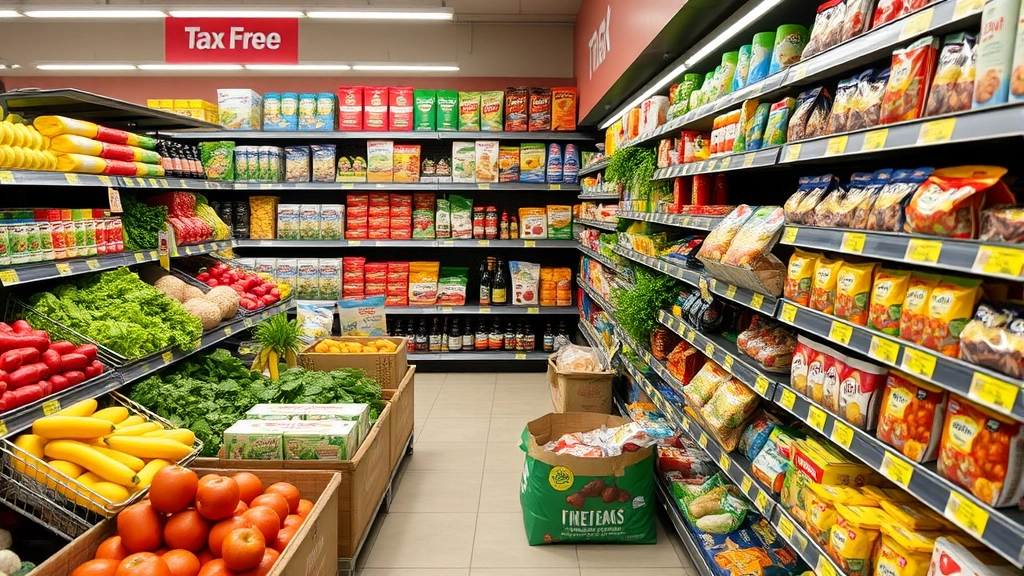
Here’s where Vegas gets interesting: unprepared food is exempt from sales tax. This means groceries you buy at the supermarket—fresh produce, meat, dairy, and canned goods—are tax-free. This is one of the biggest ways residents save money compared to states that tax groceries.
However, prepared food is taxable. Restaurant meals, hot food from a deli counter, and ready-to-eat items are subject to the full 8.375% sales tax. This distinction encourages home cooking and meal prep if you’re budget-conscious.
Beverages are taxed unless they’re milk-based. Soda, juice, coffee, and alcohol are all subject to sales tax. Milk, plant-based milk alternatives, and milk-based drinks are exempt. It’s a quirk of Nevada tax law that rewards dairy purchases.

If you’re comparing Vegas to other cities, understanding these rules helps. The Palo Alto California sales tax applies differently to groceries, so knowing the Vegas rules gives you a real advantage for budgeting.
Cars and Vehicle Purchases
Buying a car in Vegas? Sales tax applies to the purchase price of vehicles, which can be substantial. If you buy a $30,000 car, you’re looking at about $2,512.50 in sales tax alone. This is one of the largest single sales tax expenses most people encounter.
The tax is calculated on the vehicle’s purchase price, not its book value. Trade-in allowances reduce the taxable amount, so trading in your old vehicle can lower your tax bill. This is an important negotiation point when buying a car.
For more detailed information about vehicle purchases and taxes, check out Arizona sales tax on automobiles to compare how neighboring states handle vehicle taxation. Nevada’s approach is relatively straightforward compared to some states.
Registration and title fees are separate from sales tax and are handled through the Nevada Department of Motor Vehicles. Don’t confuse these with sales tax—they’re additional costs on top of the 8.375% you’ll pay at purchase.
Service Tax Rules
Nevada has specific rules about which services are taxable. Most personal services—haircuts, dry cleaning, legal advice, accounting services—are not subject to sales tax. This is good news if you need professional services regularly.

However, certain services are taxable. Telecommunications services, utilities, and some recreational activities are subject to tax. Hotel and lodging services in Clark County have a special tax structure (room tax), which is separate from sales tax.
If you’re running a business, understanding service tax rules is crucial. The Nevada Modified Business Tax applies to certain service businesses and has different rules than standard sales tax. This is why many service providers in Vegas operate under different tax structures.
Money-Saving Strategies
Since you can’t avoid sales tax entirely, here are practical ways to minimize its impact on your budget:
Buy groceries instead of eating out. This is the biggest opportunity. Unprepared food is tax-free, but restaurant meals are taxed. Meal prepping at home can save you thousands annually in both food costs and taxes.
Time large purchases strategically. If you’re buying a car or major appliance, you can’t avoid the tax, but knowing the exact amount helps with budgeting. Some retailers offer sales that reduce the pre-tax price, which also reduces your tax bill proportionally.
Consider online purchases carefully. Nevada requires sales tax collection on most online purchases now. You can’t escape tax by shopping online, and you may owe use tax if the retailer doesn’t collect it (though this is rarely enforced for individuals).
Use tax-free items strategically. Prioritize buying non-taxable items when possible. For example, prescription medications are tax-free, while over-the-counter alternatives are taxed. If you have a choice, the prescription option saves you money.
Keep receipts for business expenses. If you’re self-employed or a business owner, sales tax on business purchases might be deductible or recoverable. This is especially relevant if you’re subject to the Nevada Modified Business Tax.
Out-of-State Shopping Considerations
Some Vegas residents strategically shop in neighboring states with lower sales tax rates. California (8.625% in most areas) and Arizona vary by location, but neither offers significant savings over Vegas’s 8.375% rate. For most people, the time and gas cost of traveling out of state isn’t worth the minimal tax savings.
However, if you’re buying high-ticket items and live near the state border, it might be worth comparing. Check the what is North Carolina sales tax article for comparison—even though NC is far away, understanding how other states structure their taxes gives you perspective on whether Vegas is competitive.
Online shopping from out-of-state retailers doesn’t help anymore. Nevada law requires out-of-state retailers to collect and remit sales tax, so you’re paying Vegas tax regardless of where you order from. The days of avoiding tax through online shopping are long gone.
One exception: if you’re buying items for use outside Nevada, you might not owe Nevada tax. For example, if you’re buying supplies for a business located in California, you might be able to avoid Nevada tax with proper documentation. This is rare for individual consumers but worth understanding if applicable.

Frequently Asked Questions
Is Nevada sales tax really 8.375% everywhere in Vegas?
The standard rate in Las Vegas is 8.375%, but some unincorporated areas of Clark County might have slightly different rates. Most of the city proper uses 8.375%. If you’re in a specific location, you can verify the exact rate on the Nevada Department of Taxation website.
Do I pay sales tax on online purchases from Vegas retailers?
Yes. Nevada law requires all retailers (in-state and out-of-state) to collect and remit sales tax on purchases by Nevada residents. This applies whether you shop in person, online, or by phone.
Are groceries really tax-free in Vegas?
Unprepared food is tax-free. This includes raw produce, meat, dairy, canned goods, and most grocery store items. Prepared food, hot items from deli counters, and restaurant meals are taxed. The key word is “unprepared.”
What’s the difference between sales tax and use tax?
Sales tax is collected at the point of sale. Use tax applies to items you purchase out of state and bring into Nevada without paying sales tax. In practice, use tax is rarely enforced for individuals, but it technically applies.
Can I get a sales tax refund as a tourist?
No. Nevada does not offer sales tax refunds for tourists like some countries do. You pay the full tax on all purchases, and there’s no mechanism to recover it.
Does Nevada have income tax that offsets the sales tax?
No state income tax. This is why Nevada can afford higher sales tax—residents don’t pay state income tax. For many people, this trade-off is favorable compared to high-income-tax states.


