

Understanding sales tax on a car in MO is crucial before you drive off the lot—because Missouri’s tax rules can significantly impact your final purchase price. Whether you’re buying new or used, in-state or out-of-state, knowing the rates, exemptions, and strategies to minimize what you owe could save you hundreds of dollars.
Table of Contents
Missouri’s Current Sales Tax Rate
Missouri imposes a state sales tax of 4.225% on vehicle purchases. However—and this is important—local jurisdictions can add their own sales taxes on top of the state rate. Depending on where you buy, your total sales tax can range from 4.225% to over 8.5%. St. Louis City, for example, adds an additional 1.5%, bringing the combined rate to 5.725%. Kansas City adds 1.5% as well, resulting in a 5.725% total rate.
This means a $25,000 car purchase could cost you between $1,056 and $2,125 in sales tax alone, depending on your location. That’s a significant difference worth understanding before you sign paperwork.
How Sales Tax Gets Calculated
The calculation itself is straightforward: Purchase Price × Tax Rate = Sales Tax Owed. But the devil’s in the details. Most dealers calculate sales tax on the final negotiated price after any dealer discounts are applied. So if you negotiate a $2,000 discount on that $25,000 car, you’re paying sales tax on $23,000 instead.
The state Department of Revenue requires dealers to collect and remit this tax. You’ll see it listed separately on your bill of sale, which is helpful for tracking and potential deductions if you use the vehicle for business purposes. Keep that documentation—it matters come tax time.
Trade-In Value Considerations
Here’s where many buyers leave money on the table: Missouri allows you to deduct your trade-in vehicle’s value from the purchase price before calculating sales tax. This is called the “trade-in allowance” and it’s a legitimate way to reduce your tax burden.
If you’re buying a $30,000 car and trading in a vehicle worth $8,000, you only pay sales tax on $22,000 (the net amount). On an 8% combined rate, that saves you $640 right there. The key is getting an accurate appraisal of your trade-in. Don’t accept the dealer’s first offer without checking resources like Kelley Blue Book or NADA Guides. A fair trade-in valuation directly reduces your tax obligation.
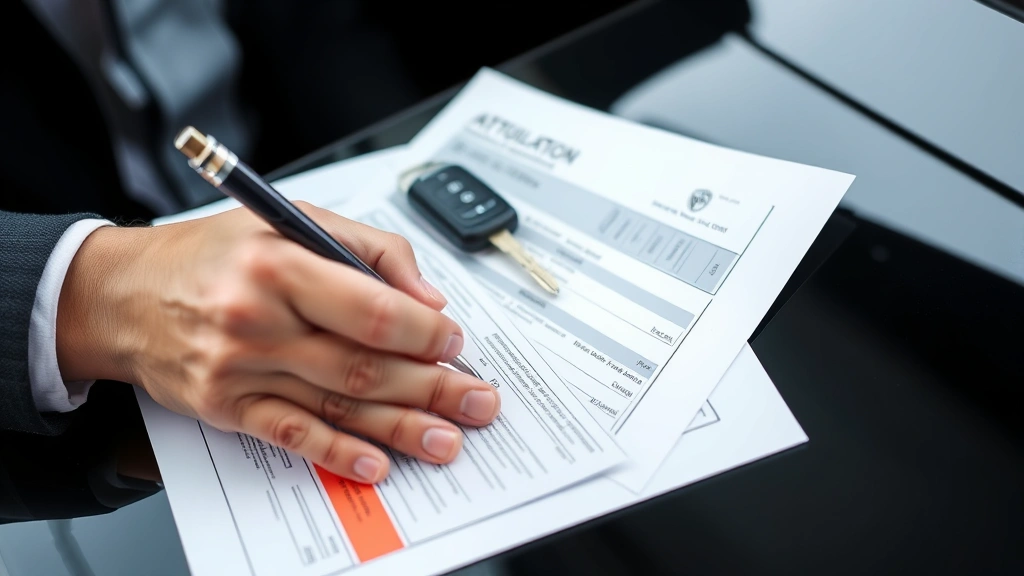
One tactical note: some dealers separate the trade-in transaction from the purchase to avoid giving you this tax benefit. Always ask your dealer explicitly whether they’re calculating tax on the net amount (purchase price minus trade-in) or the gross purchase price. It’s a standard practice to use the net amount, so push back if they suggest otherwise.
Exemptions and Special Discounts
Missouri does offer limited exemptions on vehicle purchases, though they’re narrower than many states. Nonprofit organizations and government entities may qualify for exemptions, but individual consumer exemptions are rare. You won’t get a break just because you’re a first-time buyer or a senior citizen.
However, there are workarounds. If you’re purchasing a vehicle for commercial use—say, a truck for your business—you might be eligible for a resale certificate, which exempts you from sales tax. You’d then owe use tax instead, which is typically the same rate but handled differently. Consult a tax professional before claiming this, as misuse can trigger audits.
Electric vehicle tax credits exist at the federal level (up to $7,500), but these don’t reduce Missouri state sales tax. They’re separate incentives that come through your federal tax return. Still worth considering when you’re evaluating the true cost of an EV purchase.
Buying Out-of-State Vehicles
Planning to buy a car in Kansas, Iowa, or Illinois to dodge Missouri sales tax? Not so fast. Missouri has a “use tax” that applies to vehicles purchased out-of-state and brought into Missouri. The use tax rate matches the sales tax rate where you register the vehicle.
So if you buy a car in Kansas (which has a lower sales tax) and register it in Missouri, you owe Missouri use tax on the difference. The state has gotten aggressive about collecting this, especially with online vehicle purchases and auctions. When you go to register your out-of-state vehicle with the Missouri Department of Revenue, they’ll ask about the purchase price and where it was bought. Honesty is the best policy here—getting caught evading use tax results in penalties and interest.

The exception: if you purchased the vehicle in another state and paid that state’s sales tax, Missouri will typically give you a credit for taxes already paid. So if you bought in Indiana (see our Indiana Vehicle Sales Tax guide) and paid their rate, you’d only owe the difference in Missouri. Check with the Missouri Department of Revenue for specifics on your situation.
Registration Fees vs. Sales Tax
Don’t confuse sales tax with registration fees—they’re separate costs. Missouri registration fees are based on the vehicle’s age and weight, not its purchase price. A new car costs more to register initially, but the fee structure is fixed by the state.
Registration is not tax-deductible for personal vehicle use, but if you use the car for business, registration fees may be deductible. Sales tax, however, is generally not deductible unless the vehicle is used 100% for business purposes, and even then, you’d need to itemize deductions, which most people don’t do anymore under current tax law.
The total cost of ownership includes both: sales tax (one-time, at purchase) plus annual registration fees (recurring). Budget for both when calculating your true car-buying expense.
Timing Strategies to Save
Timing your purchase can save money, though not always in the way you’d expect. End-of-month and end-of-year sales events often feature bigger discounts, which directly reduce your sales tax liability. A $3,000 discount saves you $240 in sales tax on an 8% rate—that’s real money.
Some buyers consider waiting until after a state tax rate change, but Missouri’s rates are relatively stable. Local rates do shift occasionally when municipalities adjust their levies, so if you’re in a borderline area, checking whether a local rate change is coming might be worth it.
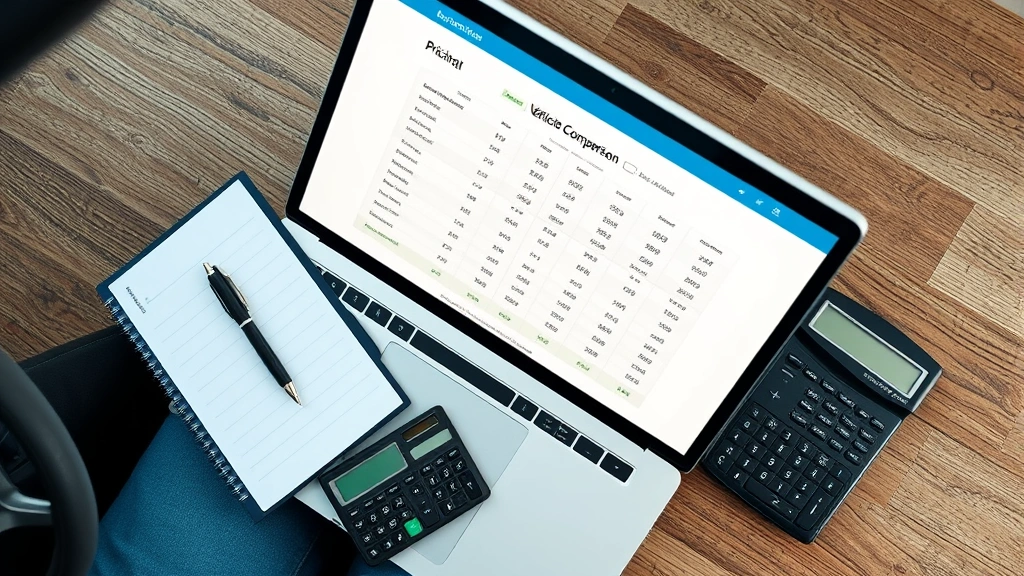
One strategy that actually works: buying in November or December when dealers are clearing inventory often yields larger discounts than spring shopping. The discount savings typically outweigh any benefit from delaying the purchase.
Negotiating With Dealers
Your dealer is counting on you not understanding how sales tax impacts the bottom line. Here’s how to use that knowledge in negotiations:
1. Negotiate the net price, not the monthly payment. Dealers love focusing on monthly payments because they obscure the actual price and tax. Know the car’s market value before you walk in.
2. Get your trade-in appraised independently. Use that appraisal to negotiate the trade-in value. Every dollar you gain on trade-in value reduces your taxable purchase price.
3. Ask about documentation fees separately. Some dealers bundle taxes and fees to hide the true cost. Get an itemized breakdown showing purchase price, trade-in credit, sales tax, registration, and documentation fees as separate line items.
4. Consider the total tax burden. If you’re comparing two dealers, the one offering a $1,000 bigger discount saves you more than $1,000 because you also pay less sales tax. Don’t just compare sticker prices.
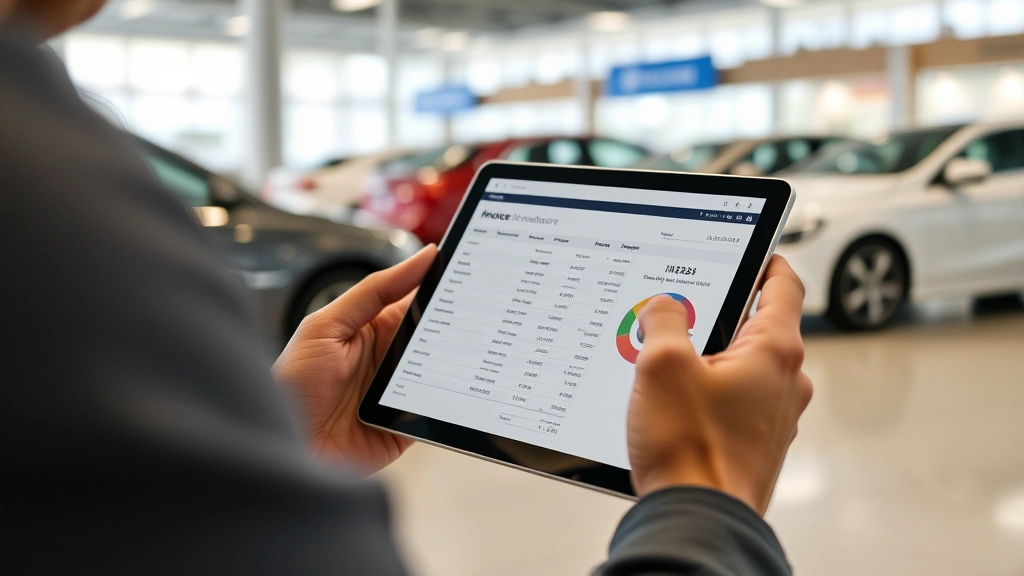
Dealers are required to disclose the sales tax amount on your bill of sale. If something seems off—like tax calculated on the gross price when you traded in a vehicle—speak up immediately. You have the right to an accurate calculation.
Frequently Asked Questions
What’s the exact sales tax rate in my Missouri city?
Missouri’s state rate is 4.225%, but local rates vary. Check the Missouri Department of Revenue website or ask your dealer for the combined rate in your jurisdiction. Major cities like St. Louis and Kansas City add 1.5% on top of the state rate.
Can I deduct car sales tax on my Missouri state return?
No, not directly. Missouri doesn’t allow a sales tax deduction for personal vehicle purchases. However, if you use the vehicle for business, you may be able to depreciate it or claim mileage deductions, which can offset costs. Consult a tax professional about your specific situation, especially if you’re self-employed.
Do I pay sales tax on a used car in Missouri?
Yes. Missouri charges sales tax on both new and used vehicles at the same rate. The only difference is that used cars may have a lower purchase price, which reduces the absolute dollar amount of tax owed.
What if I buy a car from a private seller?
You still owe use tax to Missouri when you register the vehicle. The rate is the same as the sales tax rate in your county. You’ll pay it to the Department of Revenue when you title and register the car. Have documentation of the purchase price ready.
Are there any vehicle types exempt from Missouri sales tax?
Nonprofit organizations and government entities may qualify for exemptions. Individual buyers don’t get exemptions based on vehicle type, though commercial-use vehicles have different tax treatment. Consult the Department of Revenue if you believe you qualify for an exemption.

How do I know if I was charged the correct sales tax?
Review your bill of sale carefully. The sales tax should be calculated on: (Purchase Price – Trade-In Value) × Local Tax Rate. If you see tax calculated on the full purchase price despite trading in a vehicle, request a correction immediately.
Can I negotiate the sales tax amount?
No, the tax rate is set by law and non-negotiable. However, you can reduce your tax burden by negotiating a lower purchase price or maximizing your trade-in value, both of which reduce the taxable amount.
Is there a sales tax difference between new and used cars?
The tax rate is identical for new and used vehicles. The difference is the purchase price—used cars typically cost less, so the absolute tax amount is lower, but the percentage rate remains the same.
What about buying from a dealer vs. private party?
Dealers collect and remit sales tax automatically. Private sellers don’t collect tax, but you owe use tax to Missouri when you register the vehicle. The net tax cost is essentially the same either way.
Do I pay sales tax when I buy a car online?
If you buy from a Missouri dealer online, they’ll collect sales tax. If you buy from an out-of-state dealer, you owe Missouri use tax when you register the vehicle in Missouri. The rates are similar, so there’s no real tax advantage to buying out-of-state.
Final Thoughts on Missouri Car Sales Tax
Understanding sales tax on a car in MO puts you in control of your purchase. You can’t eliminate the tax, but you can minimize it through smart negotiating, maximizing trade-in value, and timing your purchase strategically. The difference between a buyer who understands these rules and one who doesn’t can easily exceed $500 on a typical car purchase.
Before you sign paperwork, verify the tax rate in your jurisdiction, confirm your trade-in is being credited correctly, and get an itemized breakdown of all charges. If something doesn’t add up, ask questions. Dealers expect informed buyers, and they’ll respect you more for understanding the math.
For comparison, check out how other states handle vehicle taxes. Kansas has different rules, as does Massachusetts. Understanding the broader landscape helps you appreciate Missouri’s structure and make better financial decisions wherever you buy.


