

Understanding sales tax in Pasadena, California is essential whether you’re a resident, business owner, or frequent shopper in this vibrant city. As of 2024, Pasadena’s sales tax rate sits at 9.5%, which combines the California state rate with local additions. This guide breaks down everything you need to know about how sales tax works in Pasadena, what’s taxable, and how it impacts your wallet.
Table of Contents
Current Sales Tax Rate
Pasadena’s current combined sales tax rate is 9.5% as of 2024. This rate applies to most retail transactions within city limits. However, it’s crucial to understand that this isn’t a flat, unchanging number—it’s composed of multiple layers of taxation that fund different government services.
The 9.5% rate has remained stable in recent years, but California’s tax structure means rates can shift if local measures pass or state laws change. If you’re planning a major purchase or running a business, knowing this rate helps you budget accurately and avoid surprises at checkout.
Tax Rate Breakdown
The 9.5% sales tax in Pasadena breaks down as follows:
- California State Sales Tax: 7.25% (baseline for all California)
- Los Angeles County Local Tax: 0.25%
- City of Pasadena Local Tax: 2.0%
This layered approach means that when you make a purchase in Pasadena, you’re funding state programs, county services, and city-specific initiatives. The local portions help fund Pasadena’s schools, infrastructure, and public services. Understanding this breakdown is particularly helpful if you’re comparing costs across different California cities—rates vary significantly depending on local tax measures.
What’s Taxable in Pasadena
Most tangible goods sold in Pasadena are subject to sales tax. Here’s what typically gets taxed:
- Clothing and accessories (with rare exceptions)
- Electronics (phones, laptops, tablets)
- Furniture and home goods
- Groceries at prepared food counters (hot foods)
- Restaurant meals and takeout
- Vehicle purchases (including cars, motorcycles, and RVs)
- Gas and fuel
- Prescription medications (in some cases)
- Personal care items (shampoo, soap, deodorant)
If you’re a business owner or seller, understanding taxable items is critical for compliance. The California Department of Tax and Fee Administration (CDTFA) provides detailed guidance on what constitutes a taxable transaction. When in doubt, it’s safer to assume an item is taxable unless you have clear documentation otherwise.
Tax-Exempt Items
Not everything you buy in Pasadena gets hit with sales tax. Several categories are exempt, which can help you save money if you know where to look:
- Unprepared groceries (raw vegetables, fruits, uncooked meats, bread)
- Prescription medications (though some OTC drugs may be taxed)
- Medical equipment (hearing aids, prosthetics, wheelchairs)
- Certain services (haircuts, massages, professional services)
- Educational materials (textbooks in some contexts)
- Newspapers and periodicals
The distinction between taxable and exempt items often comes down to whether something is a tangible good or a service. For example, buying a sandwich at a deli counter is taxed (prepared food), but buying bread and deli meat at a grocery store is not (unprepared food). This distinction matters when you’re shopping and budgeting.
For Business Sellers
If you operate a business in Pasadena—whether it’s a brick-and-mortar store, online shop, or service-based operation—you have specific sales tax obligations. Here’s what you need to know:
Sales Tax Permit: Most retailers must obtain a seller’s permit from the CDTFA before conducting business. This permit allows you to collect sales tax from customers and remit it to the state.
Collection Responsibility: You’re responsible for collecting the correct amount of sales tax from customers. If you undercharge or fail to collect, you’re still liable for the difference—it doesn’t fall on the customer.
Reporting and Filing: Depending on your sales volume, you may need to file monthly, quarterly, or annually. Most small businesses file quarterly. You’ll report your gross sales, taxable sales, and the tax you collected to the CDTFA.
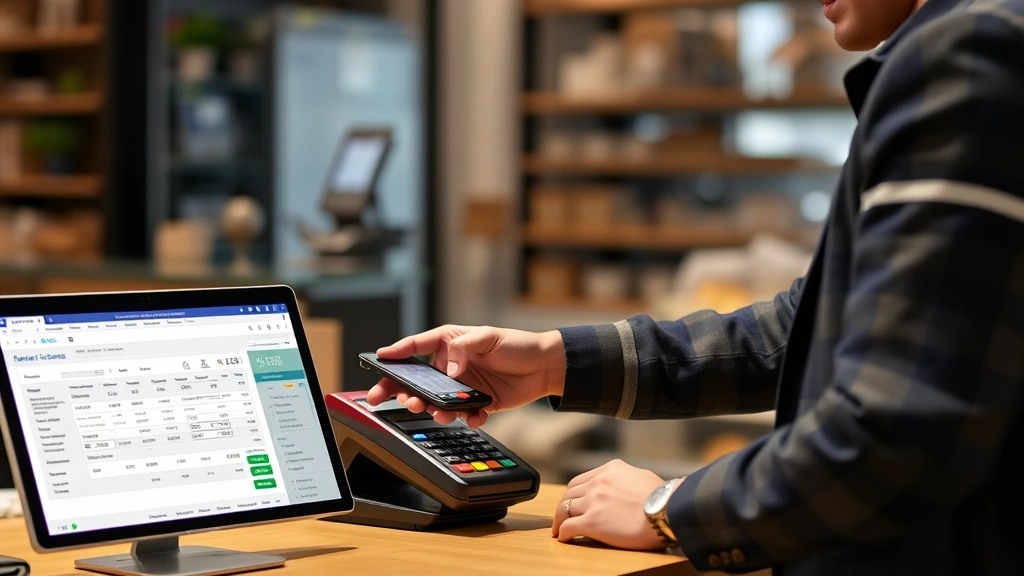
Record Keeping: Maintain detailed records of all sales, exemptions, and tax collected. The CDTFA can audit your records, so documentation is essential. Many business owners use point-of-sale systems that automatically calculate and track sales tax.
For those selling online or across state lines, rules become more complex. If you have nexus (a business presence) in multiple states, you may owe sales tax in those jurisdictions too. This is where consulting a tax professional becomes valuable.
Online Shopping Rules
One of the most confusing aspects of modern sales tax is how it applies to online purchases. The rules have evolved significantly, especially after the Supreme Court’s 2018 South Dakota v. Wayfair decision.
California Online Sales: If you buy from an online retailer and have it shipped to Pasadena, you owe California sales tax—even if the retailer is out of state. Most major online retailers (Amazon, Walmart, Target) now collect this automatically.
Out-of-State Purchases: If you buy from a retailer with no California presence and they don’t collect sales tax, you technically owe “use tax” on that purchase. Use tax is essentially sales tax’s sibling—it’s what you owe on items you purchase outside California but use within the state. Most people don’t report use tax, but it’s technically a legal obligation.
Marketplace Facilitators: Platforms like eBay, Etsy, and Amazon Marketplace are required to collect and remit sales tax on behalf of third-party sellers. This means you’ll see tax added at checkout even from small sellers.

For business owners selling online, you need to understand where you have sales tax obligations. If you have customers in Pasadena and you’re based elsewhere, you likely need to collect California sales tax. This is where tools like TaxJar or Avalara can simplify compliance.
Filing Requirements
Whether you’re a business owner or individual, understanding filing requirements keeps you compliant and avoids penalties.
For Business Owners: The CDTFA requires sellers to file sales tax returns based on their filing frequency. Most businesses file quarterly, but high-volume retailers might file monthly. You’ll report:
- Total gross sales
- Taxable sales (broken down by category if applicable)
- Tax collected
- Any allowable deductions or credits
Due Dates: Quarterly returns are typically due one month after the quarter ends (April 30, July 31, October 31, January 31). Late filing results in penalties and interest charges that compound quickly.
Payment Methods: The CDTFA accepts online payments through their website, which is the fastest and most secure method. You can also pay by check or electronic funds withdrawal.
For Individuals: Most consumers don’t file separate sales tax returns—the tax is collected at point of sale. However, if you’re self-employed or run a small business, you need to understand your obligations. Consulting with a tax professional like a CPA ensures you’re meeting all requirements.

Local Resources
Pasadena and California offer several resources to help you understand and comply with sales tax obligations:
- California Department of Tax and Fee Administration (CDTFA): www.cdtfa.ca.gov is your primary source for state-level guidance, forms, and filing.
- City of Pasadena: The city’s finance department provides local tax information and can answer questions specific to Pasadena.
- Pasadena Chamber of Commerce: Offers resources for local business owners navigating tax obligations.
- Small Business Administration (SBA): www.sba.gov provides free guidance on sales tax for entrepreneurs.
- Professional Tax Services: CPAs and enrolled agents specializing in California tax law can provide personalized guidance.
If you’re starting a business in Pasadena, visiting the CDTFA website and obtaining your seller’s permit should be among your first steps. The process is straightforward and can be completed online.
Frequently Asked Questions
What is the exact sales tax rate in Pasadena, California for 2024?
The combined sales tax rate in Pasadena is 9.5% as of 2024. This includes the 7.25% California state rate, plus 0.25% Los Angeles County tax, plus 2.0% Pasadena city tax. Always verify current rates with the CDTFA, as local measures can occasionally adjust these percentages.
Do I have to pay sales tax on groceries in Pasadena?
It depends on the type of groceries. Unprepared foods like raw vegetables, fruits, uncooked meats, and bread are not subject to sales tax. However, prepared foods (hot deli items, restaurant meals, items from food counters) are taxed at the full 9.5% rate. This distinction is important when budgeting your grocery bill.
Is sales tax charged on online purchases shipped to Pasadena?
Yes, in most cases. Major online retailers are required to collect California sales tax on items shipped to Pasadena. However, if a smaller retailer doesn’t collect tax, you technically owe “use tax” on that purchase. While enforcement is minimal for individual consumers, it’s the legal requirement.
How often do businesses in Pasadena file sales tax returns?
Most Pasadena businesses file quarterly sales tax returns. However, high-volume retailers may file monthly, and very small businesses might file annually. Your filing frequency is determined by the CDTFA based on your sales volume. You’ll receive notice of your assigned filing schedule.
Can I get a sales tax exemption for my Pasadena business?
Certain organizations (nonprofits, government agencies, religious institutions) may qualify for sales tax exemptions. You must obtain an exemption certificate from the CDTFA and provide it to your vendors. Resellers can also get exemptions on inventory purchases if they provide a resale certificate. Consult the CDTFA for your specific situation.
What happens if I don’t collect or pay sales tax in Pasadena?
Failure to collect or pay sales tax can result in significant penalties. The CDTFA can assess penalties of up to 10% of unpaid tax, plus interest that accrues monthly. Additionally, if you’re operating without a permit, you could face criminal charges. It’s always better to comply from the start or seek professional help if you’ve fallen behind.
How does sales tax in Pasadena compare to nearby cities?
Pasadena’s 9.5% rate is fairly typical for the Los Angeles area. However, rates vary by city. For comparison, you might check nearby regions or other states like Arizona or Ohio, which have different tax structures entirely. If you’re making a large purchase, the difference can add up.
Final Thoughts
Sales tax in Pasadena, California at 9.5% is a reality of living and doing business in this city. While the rate might seem high compared to other states, understanding what’s taxable, what’s exempt, and how to file correctly can help you manage your finances better. Whether you’re a resident calculating the true cost of purchases, a business owner meeting compliance obligations, or an online seller navigating multi-state tax rules, the information in this guide provides a solid foundation.
The key takeaway: stay informed, keep records, and when in doubt, consult the CDTFA or a tax professional. Sales tax might not be exciting, but getting it right protects your wallet and your business. If you’re comparing tax situations across different regions, exploring guides on car sales tax in other states can provide helpful perspective on how Pasadena’s rates stack up nationally.


