

Understanding sales tax Phoenix is one of the smartest financial moves you can make as an Arizona resident or business owner. Whether you’re buying a car, furnishing your home, or running a retail operation, knowing how Phoenix’s sales tax works—and where you can legally reduce your burden—can put real money back in your pocket.
Table of Contents
Phoenix Sales Tax Rate Breakdown
Let’s start with the number that matters most: what you actually pay. Phoenix’s combined sales tax rate for 2024 sits at 8.6%. That’s higher than the Arizona state rate alone (5.6%), and here’s why: you’re paying layers of tax.
The breakdown looks like this:
- Arizona State Tax: 5.6%
- Maricopa County Tax: 0.7%
- Phoenix City Tax: 2.3%
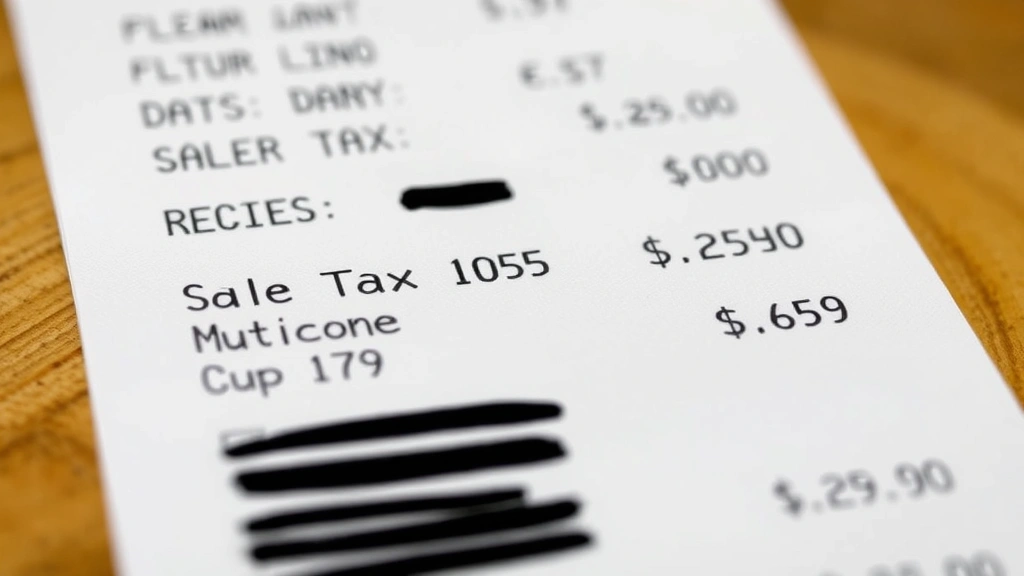
That 8.6% combined rate means on a $100 purchase, you’re paying $8.60 in sales tax. On a $5,000 car down payment? That’s $430. On a $20,000 vehicle? You’re looking at $1,720 in sales tax alone. These numbers add up fast, which is why understanding what you can control matters.
Compared to nearby areas, Phoenix sits in the middle. Scottsdale sales tax runs slightly different due to its municipal rate, and if you’re comparing across states, Salt Lake City sales tax offers a useful benchmark at 6.85%.
State vs. Local Tax Components
Understanding where your sales tax goes helps you appreciate why Phoenix’s rate is what it is. The state of Arizona collects 5.6%, but that’s just the foundation.
Maricopa County adds 0.7% for county services—roads, public health, emergency services. Phoenix city government adds another 2.3% to fund local infrastructure, police, fire, parks, and city services. That local portion is significant and explains why Phoenix’s rate exceeds the state average.
If you live in Phoenix but shop in unincorporated Maricopa County areas, your rate might be lower (around 7.65%). If you cross into Scottsdale or another municipality, the rate shifts again. This is why location matters when you’re making big purchases.
The city also levies temporary tax increases for specific projects. As of 2024, Phoenix has approved various local measures, so always verify the current rate before assuming it hasn’t changed. The City of Phoenix official website maintains current rates.
What Gets Taxed in Phoenix
Not everything you buy is subject to sales tax in Phoenix—and that’s your first opportunity to save.
Items that ARE taxed:
- Tangible goods (clothing, electronics, furniture, appliances)
- Vehicle purchases and repairs
- Restaurant meals and prepared food
- Rental cars and equipment
- Certain services (labor on repairs, installation)
- Alcoholic beverages
Items that are NOT taxed:
- Unprepared groceries and food items
- Prescription medications
- Medical devices and equipment
- Most services (haircuts, legal advice, accounting)
- Resale items (when you have a resale certificate)
Here’s where it gets interesting: the difference between “prepared” and “unprepared” food matters. A rotisserie chicken from the grocery store? Taxed. Raw chicken breasts? Not taxed. A sandwich from a deli counter? Taxed. A loaf of bread? Not taxed. This distinction can actually influence where and how you shop if you’re strategic about it.
Tax Exemptions & Deductions
Arizona and Phoenix offer several legitimate exemptions that can significantly reduce your sales tax burden. Understanding these is critical for both consumers and business owners.
Resale Exemption: If you’re a business purchasing items to resell, you can provide a resale certificate to avoid paying sales tax. You’ll only pay tax when your customer buys the final product. This is essential for retailers, wholesalers, and anyone in the supply chain.
Nonprofit Exemption: Qualified nonprofits can purchase items tax-free if they have proper documentation. This applies to educational institutions, charities, and religious organizations.
Agricultural Exemption: Farmers and agricultural businesses have specific exemptions on equipment and supplies used directly in production.
Manufacturing Equipment: Businesses purchasing machinery for manufacturing may qualify for exemptions on certain equipment purchases.
The key with all exemptions: you need proper documentation. The Arizona Department of Revenue maintains detailed guidelines, and claiming exemptions without qualifying puts you at risk for audits and penalties. If you’re unsure whether you qualify, consult a tax professional or visit the Arizona Department of Revenue website.

Related to broader tax strategy, understanding tax planning strategies can help you structure purchases and business operations to minimize total tax burden.
Business Sales Tax Obligations
If you own a business in Phoenix, you have specific sales tax responsibilities—and getting this wrong can be expensive.
Sales Tax License: Most businesses need to register for a sales tax license with the Arizona Department of Revenue. This happens before you start collecting tax from customers.
Collection & Remittance: You collect sales tax from customers, then remit it to the state. The frequency depends on your sales volume: small businesses might file quarterly, while high-volume retailers file monthly or even weekly.
Record Keeping: You must maintain detailed records of all sales, exemptions claimed, and tax collected. The IRS and state can audit these records, so accuracy matters.
Nexus Rules: Even if you don’t have a physical location in Phoenix, you might owe sales tax if you have “nexus”—a connection to Arizona. This includes employees, property, or significant sales activity. Remote sellers now face increasingly strict nexus requirements.

Penalties for Non-Compliance: Failing to collect or remit sales tax correctly results in penalties, interest, and potential criminal liability. The state takes this seriously, so if you’re unsure about your obligations, get professional guidance.
Online Shopping & Remote Sales
The online sales tax landscape has shifted dramatically. You can no longer assume that buying from an out-of-state retailer means avoiding Phoenix sales tax.
The Current Rule: As of 2021, most online retailers are required to collect and remit sales tax on purchases shipped to Arizona, including Phoenix. This applies regardless of where the retailer is located. Major platforms like Amazon, eBay, and Walmart already collect tax on most purchases.
What This Means for You: When you buy online and have items shipped to a Phoenix address, you’ll likely see sales tax added at checkout. Some smaller retailers still don’t comply, but the burden is increasingly on them, not you.
Use Tax: If you somehow purchase something online without sales tax being collected, you technically owe “use tax” to Arizona. This is a self-reporting requirement that most people don’t follow, but it exists. The good news: for most consumer purchases, this isn’t a practical concern.
Out-of-State Purchases: If you travel to another state and buy something there, you don’t pay Phoenix sales tax on that purchase. However, some states have reciprocal agreements, and certain items might trigger tax when brought back to Arizona.

Practical Money-Saving Strategies
Now for the actionable stuff—how to actually keep more money in your pocket.
1. Buy Unprepared Groceries Strategically
Shift your grocery shopping toward unprepared items. Buying raw ingredients instead of prepared meals saves you the 8.6% tax plus often saves money on the product itself. A rotisserie chicken costs more than buying a whole raw chicken and cooking it.
2. Time Large Purchases Carefully
If you’re buying a car or major appliance, timing matters. Some states and municipalities run tax holidays or temporary reductions. While Phoenix doesn’t have formal sales tax holidays like some states, staying aware of any temporary changes can help.
3. Use Resale Certificates if You Qualify

If you operate any kind of business—even a side hustle—you might qualify for resale exemptions. Don’t pay tax on items you’ll resell.
4. Consider Tax-Advantaged Accounts**
While not directly about sales tax, maximizing contributions to HSAs (Health Savings Accounts) for medical expenses means you’re buying medical items with pre-tax dollars, effectively reducing your total tax burden.
5. Document Everything for Business Deductions
If you own a business, every sales tax payment is deductible. Work with an accountant to ensure you’re claiming all business-related purchases properly. This doesn’t reduce sales tax itself, but it reduces your income tax, which offsets the burden.
6. Shop in Lower-Tax Jurisdictions (When Practical)

Unincorporated Maricopa County has a lower rate than Phoenix proper. If you’re near the boundary and making a major purchase, the location matters. However, don’t let gas costs negate the savings.
Common Mistakes to Avoid
After years of working with clients on tax issues, I’ve seen these mistakes repeatedly. Learn from others’ errors.
Mistake #1: Assuming Online = No Tax
This is outdated thinking. Most online retailers now collect Phoenix sales tax. Don’t be surprised when you see it at checkout.
Mistake #2: Mixing Personal and Business Purchases
If you claim a business resale exemption, you can’t use it for personal items. Mixing these up triggers audits. Keep them separate.

Mistake #3: Not Keeping Receipts**
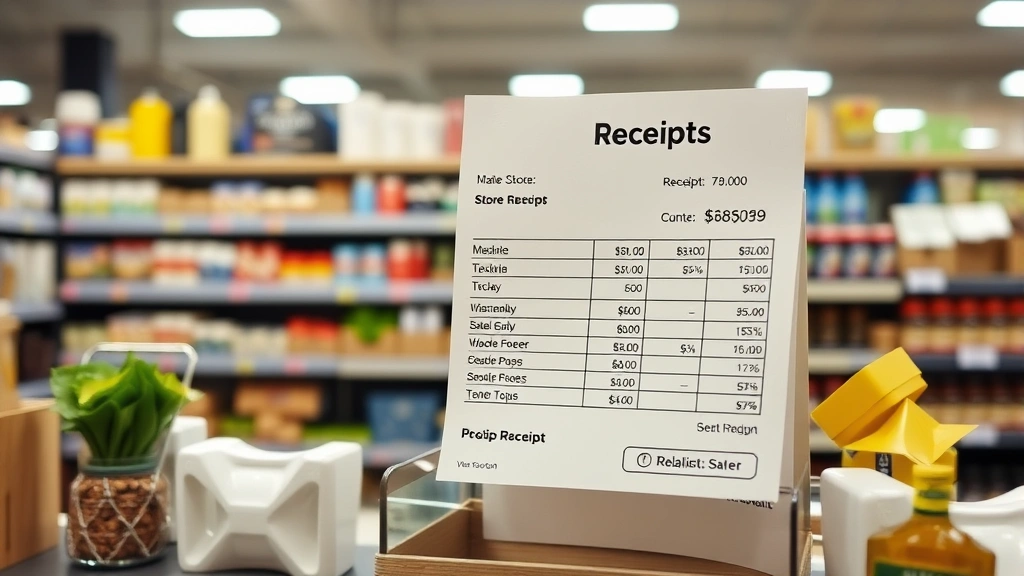
If you ever need to prove you paid sales tax or claim exemptions, you need documentation. Keep receipts for major purchases.
Mistake #4: Forgetting About Use Tax**
While uncommon for individuals, businesses sometimes forget they owe use tax on items purchased without sales tax. This creates audit risk.
Mistake #5: Ignoring Rate Changes**
Phoenix’s rate can change due to local ballot measures. Not staying current means you might not budget correctly or might overpay.

Frequently Asked Questions
Is Phoenix sales tax higher than other Arizona cities?
Yes, Phoenix’s 8.6% rate is among the highest in Arizona. Unincorporated Maricopa County is lower at 7.65%, and some smaller towns have lower rates. However, Phoenix’s rate funds significant local services, so the comparison isn’t purely financial—it’s about what services you receive.
Do I pay sales tax on groceries in Phoenix?
Only on prepared foods. Unprepared groceries—raw fruits, vegetables, meat, dairy, and packaged foods meant to be cooked at home—are not taxed. This is why the deli counter chicken is taxed but the raw chicken in the case isn’t.
Can I deduct sales tax on my federal income tax return?
Not anymore. The federal deduction for sales tax expired in 2017. You can only deduct state income tax (up to $10,000 combined with property taxes) or sales tax if you itemize deductions and live in a state without income tax, which Arizona isn’t.
Do I owe sales tax on a used car purchase in Phoenix?
Yes, if you buy from a dealer. Private sales between individuals don’t technically require sales tax collection, but you still owe use tax to Arizona (though enforcement is minimal for individuals). Dealer sales always include sales tax.
How do I get a resale certificate for my business?
Contact the Arizona Department of Revenue or apply online through their website. You’ll need an Arizona business license and tax ID. The process takes a few days to a few weeks. Once approved, you can provide your resale certificate to suppliers to avoid paying sales tax on inventory.
What happens if a business doesn’t collect sales tax?
The state can assess the business for back taxes, penalties (typically 25-50% of the unpaid tax), and interest. They can also pursue criminal charges in cases of intentional evasion. It’s not worth the risk.
Do I pay Phoenix sales tax if I buy something online from out of state?
If the retailer collects tax (which most major ones do now), yes. If they don’t, you technically owe use tax to Arizona, though it’s rarely enforced for individuals. For businesses, this is tracked more carefully.
Final Thoughts
Understanding sales tax Phoenix isn’t glamorous, but it’s practical. That 8.6% rate touches nearly every purchase you make, and over a year, it adds up to hundreds or thousands of dollars. The strategies in this guide—buying unprepared groceries, timing major purchases, using exemptions if you qualify, and staying informed about rate changes—aren’t revolutionary, but they’re effective.
The emotional side of sales tax is real too. Nobody enjoys watching their purchase total jump by 8.6% at checkout. But once you understand the system, you stop feeling blindsided and start making smarter choices. That’s the real win.
If you own a business or make significant purchases, consider working with a tax professional or CPA who understands Phoenix’s specific rules. The cost of professional guidance often pays for itself through proper tax planning and compliance. And if you’re curious about how sales tax compares across regions, check out our guides on sales tax Orange County and other major markets.
Stay informed, keep good records, and remember: every dollar you save on taxes is a dollar you keep. In Phoenix’s 8.6% environment, that matters.


