

Let’s be real: property taxes are one of those bills that make homeowners groan. If you own property in San Joaquin County, California, you’re probably looking at a chunk of change every year. The good news? You’re not powerless here. Understanding how San Joaquin property taxes work—and knowing which deductions and exemptions you actually qualify for—can put real money back in your pocket. This isn’t about dodging taxes; it’s about paying what you owe and nothing more.
San Joaquin County sits in California’s Central Valley, home to Stockton and thousands of property owners who are tired of overpaying. Whether you’re a first-time homebuyer, a long-time resident, or an investor, navigating San Joaquin property taxes can feel overwhelming. But here’s the thing: most people leave money on the table simply because they don’t know the rules. We’re going to walk through the system, show you where savings hide, and give you actionable steps to reduce your tax burden legally.
How San Joaquin Property Taxes Work
San Joaquin property taxes aren’t calculated like your income tax. Instead, they’re based on your property’s assessed value, which the county assessor determines. Here’s the basic formula: Assessed Value × Tax Rate = Your Annual Bill.
The San Joaquin County Assessor’s Office evaluates your property every year. They look at comparable sales, property condition, square footage, and location. Once they assign a value, that becomes your assessed value. The county then applies a tax rate (usually around 0.76% to 1.25% depending on local bonds and special assessments) to calculate what you owe.
Here’s what catches most people off guard: your property tax bill includes more than just the base county tax. It also covers school districts, fire districts, water agencies, and other local services. That’s why two homes with similar assessed values can have wildly different bills. The location determines which special districts apply.
The county treasurer handles collections, and they send bills twice yearly—typically in December and April. Miss a payment? Penalties and interest kick in fast. We’ll talk about that later, but the key takeaway is: San Joaquin property taxes are predictable if you understand the system.
Pro Tip: Request your property’s assessment details from the San Joaquin County Assessor’s Office online. You can see exactly what value they assigned and what factors they used. This is your starting point for any potential appeal.
Proposition 13: Your Best Friend in California
Proposition 13, passed way back in 1978, is the reason California property taxes are lower than most states. Here’s the magic: your assessed value can only increase by a maximum of 2% per year, no matter how much your home’s market value actually rises. This is huge.
Imagine you bought your San Joaquin home for $300,000 in 2010. Even if it’s worth $600,000 today, your assessed value can’t jump to match that. Instead, it grew at 2% annually. That’s a massive savings compared to states that reassess property annually at current market value.
But here’s the catch: Prop 13 resets when you sell or transfer the property. The new owner gets reassessed at current market value. That’s why it’s sometimes called a “locked-in” benefit—you benefit as long as you own it, but it transfers at full value.
There are some exceptions where Prop 13 doesn’t reset. Parent-to-child transfers of primary residences (up to $1 million in value) can avoid reassessment under Prop 19 rules, but this gets complicated. The point: San Joaquin property taxes benefit enormously from Prop 13 if you’ve owned your home for years. Don’t take that for granted.
For a deeper dive into California’s unique tax structure, check out California paycheck tax secrets, which covers the broader tax landscape in the state.
Homeowner Exemptions & Credits You’re Probably Missing
California offers a homeowner exemption that reduces your assessed value by $7,000 (as of recent years—this can change). That might not sound like much, but on a 1% tax rate, it saves you $70 per year. Over 20 years, that’s $1,400 you keep instead of sending to the county.
To claim it, you must:
- Own the property as your primary residence
- Occupy it as your main home
- File a Homeowner’s Exemption Application (typically before the lien date)
Most homeowners file this when they buy, but if you’re a long-time owner and never claimed it, you can backfile. The county assessor’s office will walk you through it—call or visit their website.
Beyond the homeowner exemption, look into the Senior Citizen’s Property Tax Assistance Program if you’re over 65 with limited income. This isn’t an exemption; it’s a deferral. You can defer your property taxes until you sell or your estate is settled. That can free up cash flow in retirement, which matters.
If you’re a veteran, you might qualify for a disabled veteran’s exemption. The amount varies, but it can be substantial. Check with the assessor’s office—many vets don’t realize they qualify.
Warning: Exemptions require you to apply. The county won’t automatically give them to you. Missing the deadline (usually the lien date in early July) means waiting until next year. Don’t procrastinate on this.
Special Exemptions for Seniors & Disabled Property Owners
If you’re 65 or older, or permanently and totally disabled, California has your back—but only if you claim it. The Senior Citizen’s Property Tax Deferral Program lets you defer property taxes instead of paying them annually. Your taxes become a lien against your property and are paid from your estate when you sell or pass away.
This is a game-changer for retirees on fixed incomes. Instead of writing a $3,000 check every year, you keep that money in your pocket and pay it back later (with interest, but at a low rate).
To qualify, you must:
- Be at least 65 years old (or disabled)
- Own your primary residence
- Have a household income below a certain threshold (usually around $43,000–$50,000, but verify with San Joaquin County)
The disabled veteran’s exemption is separate and can be more generous. If you served in the military and have a service-connected disability rated by the VA, you might exempt up to $200,000 of your home’s value from taxes. That’s life-changing money.
For comparison, check how other counties handle similar programs. The Ventura County property tax structure and Marin property tax rules have their own variations, but California’s framework is consistent.
Challenging Your San Joaquin Property Tax Assessment
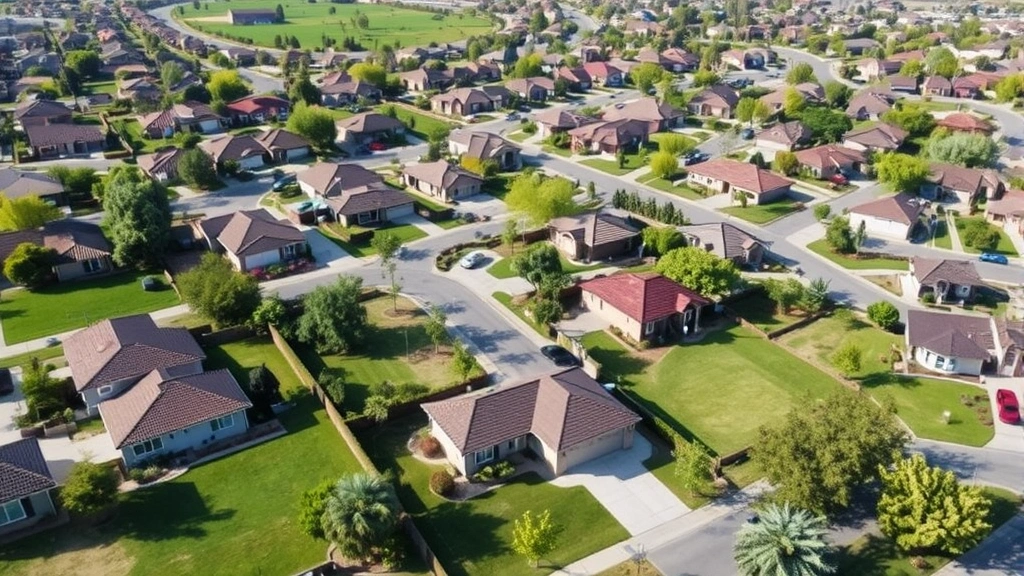
Here’s something that surprises people: you can challenge your property’s assessed value. If you think the assessor overvalued your home, you have a right to appeal. This is especially important if your property suffered damage, the market dropped, or comparable homes sold for less.
The appeal process has strict deadlines. In San Joaquin County, you typically have until the lien date (usually July 1) to file an appeal for the current year. Miss that, and you’re waiting until next year.
Here’s how to do it:
- Gather evidence: Collect recent appraisals, comparable sales data, photos of damage or deferred maintenance, and any factors that reduce value.
- File a Proposition 8 application: This is the formal appeal for properties that have declined in value.
- Attend the hearing: Present your case to the Assessor’s Parcel Number (APN) review panel or the Assessment Appeals Board.
- Wait for the decision: The board will rule on your appeal, and if approved, your assessed value drops for that year.
The San Joaquin County Assessor’s Office has forms and instructions on their website. You can also hire a tax professional or appraiser to help, but it’s not required. Many successful appeals happen because homeowners simply show up with solid evidence.
Pro Tip: If your home’s market value dropped significantly during a recession or after a natural disaster, file immediately. These appeals are most successful when there’s clear evidence of value decline.
Payment Deadlines, Penalties & How to Avoid Them
San Joaquin property tax bills arrive twice yearly. The first installment is usually due December 10, and the second is due April 10. Pay late, and penalties start immediately.
Here’s the penalty structure:
- 10% penalty if you pay after the due date but before August 31
- Additional 1.5% monthly penalty for months after August 31
- Interest at 10% annually starts accruing immediately after the due date
A $2,000 property tax bill paid just one month late can cost you an extra $200 in penalties and interest. Over several years, that adds up. The lesson: set calendar reminders and pay on time.
If you’re struggling to pay, contact the San Joaquin County Tax Collector’s office. They sometimes work with homeowners on payment plans, especially if you’re facing hardship. It’s better to call and arrange something than ignore the bill and rack up penalties.
You can pay online through the county website, by mail, or in person. Some people set up automatic payments through their bank to ensure they never miss a deadline. That’s smart.
For context on how property taxes vary by region, check out Snohomish County property tax rules to see how other states handle collections differently.
Smart Tax Planning Strategies for San Joaquin Homeowners
Beyond the obvious (paying on time, claiming exemptions), here are some strategies to reduce your San Joaquin property taxes:
1. Understand Your Special Assessment Districts
Your property tax bill includes charges from multiple districts: school, fire, water, flood control, etc. Some of these are bond-funded, meaning they’re temporary and expire. Ask the assessor when your bonds expire—you might see a tax decrease in a few years. It’s not something you can change, but knowing it helps with planning.
2. Consider a 1031 Exchange (For Investors)
If you own investment property in San Joaquin, a 1031 exchange lets you defer capital gains taxes by swapping one property for another. This doesn’t directly reduce property taxes, but it keeps more money invested, which compounds over time. Consult a tax professional on this—it’s complex but powerful.
3. Document Home Improvements Carefully
Here’s a trap: some home improvements trigger a reassessment. A new roof? Usually not. A new addition? The assessor might increase your value. Know the difference. Routine maintenance and repairs don’t trigger reassessment, but structural additions do. Talk to the assessor before major work to understand the implications.
4. Monitor Your Assessed Value Annually
Check your assessment every year, especially in the first few years after purchase. Assessor errors happen. If your home is valued higher than similar properties nearby, that’s grounds for an appeal. Many people file appeals successfully just by comparing their assessment to neighbors’ properties.
5. Coordinate with Your Overall Tax Plan
Property taxes aren’t deductible federally anymore (thanks to the 2017 tax changes capping SALT deductions at $10,000), but they still matter for California state taxes. Work with a CPA to see how your property taxes fit into your overall tax picture, especially if you have rental properties or business income.
Pro Tip: Keep detailed records of property tax payments. If you ever refinance or appeal, you’ll need documentation. Digital copies stored in the cloud are safer than paper.
For broader California tax strategies, explore smart California paycheck tax calculator hacks to understand how property taxes fit into your overall state tax burden.
Frequently Asked Questions
What’s the average property tax rate in San Joaquin County?
– The base property tax rate is 1% of assessed value, but special assessments (school bonds, fire districts, water agencies) typically add another 0.25% to 0.75%, bringing the total to roughly 1.25% to 1.75%. Your exact rate depends on which districts your property falls into.
Can I appeal my assessment if I just bought my home?
– Yes, but timing matters. You can appeal within 30 days of receiving your notice of assessment. If the assessor reassessed your property higher than you expected after purchase, file a Proposition 8 appeal with evidence (appraisals, comparable sales) showing the overvaluation.
What happens if I don’t pay my property taxes on time?
– Penalties start immediately: 10% if paid after the due date but before August 31, then 1.5% monthly after that, plus 10% annual interest. After five years of non-payment, the county can foreclose on your property. Don’t let this happen—contact the tax collector if you’re struggling.
Do I automatically get the homeowner exemption?
– No. You must apply. File a Homeowner’s Exemption Application before the lien date (usually July 1). If you’ve never filed, you can backfile, but you’ll only receive the exemption going forward, not retroactively.
How often is my property reassessed?
– Your assessed value increases by a maximum of 2% annually under Proposition 13, regardless of actual market value. A full reassessment only happens when you sell or transfer the property to a new owner (with some exceptions for parent-to-child transfers).
Can I deduct my San Joaquin property taxes on my federal return?
– Only if you itemize deductions and your total state and local taxes (SALT) don’t exceed $10,000 per year. Most homeowners hit this cap, so the deduction is limited. Check with a CPA to see if itemizing makes sense for you.
What’s the difference between a property tax deferral and an exemption?
– An exemption reduces your assessed value, so you pay less tax each year. A deferral lets you postpone paying taxes entirely until you sell or pass away. Deferrals are great for seniors on fixed incomes; exemptions benefit everyone.
How do I find comparable sales to challenge my assessment?
– The San Joaquin County Assessor’s Office website has a searchable database of property values and sales. You can also use Zillow, Redfin, or MLS data. Look for homes similar in size, condition, and location that sold recently. If they sold for less than your assessed value, that’s evidence for an appeal.
Can I pay my property taxes monthly instead of twice yearly?
– Not through the county directly, but you can set up automatic transfers through your bank to divide your annual bill into monthly payments. Some mortgage servicers also handle property taxes through escrow accounts, paying them automatically.
What if I own multiple properties in San Joaquin County?
– Each property gets its own assessment and bill. Only your primary residence qualifies for the homeowner exemption. Investment properties don’t get exemptions, but they do follow Prop 13’s 2% annual increase cap (until reassessment). Appeal each property separately if needed.
Are there tax breaks for green energy or solar panels?
– California’s solar exclusion exempts solar panels from property tax assessment increases. If you install solar, your home’s assessed value doesn’t increase by the installation cost. That’s a huge incentive. Check with the assessor’s office for details on filing.
For additional context on how property taxes work in neighboring regions, explore homestead tax credit programs (which shows how other states approach similar relief) and tax collector operations in other counties to see how San Joaquin’s system compares.
Final Thoughts: Take Control of Your San Joaquin Property Taxes
Property taxes aren’t fun, but they’re manageable once you understand the rules. San Joaquin County benefits from Proposition 13, which keeps taxes lower than most of the country. That’s a huge advantage—don’t waste it by overpaying or missing exemptions and appeals.
Here’s your action plan:
- Claim the homeowner exemption if you haven’t already.
- Check your assessed value against comparable homes in your area.
- If it’s too high, file a Proposition 8 appeal before the deadline.
- Set calendar reminders for payment deadlines.
- Review your bill annually for accuracy.
- If you’re a senior, disabled vet, or have limited income, explore deferral programs.
The money you save by being proactive on San Joaquin property taxes stays in your pocket. That’s real money—money you earned and deserve to keep. Take an hour, do the research, and make the calls. Your future self will thank you.
For more insights into California’s tax system, check the IRS guidance on property taxes and Investopedia’s property tax overview for federal context. And if you’re managing multiple tax obligations, NerdWallet’s property tax deduction guide breaks down the federal implications clearly.


