

If you own property in Sangamon County, Illinois, understanding sangamon property tax is essential to managing your finances effectively. Property taxes are often the largest ongoing expense for homeowners, and without proper knowledge, you could be overpaying significantly each year. This guide walks you through everything you need to know about Sangamon County property taxes—from how they’re calculated to proven strategies for reducing your bill.
Table of Contents
- How Sangamon Property Taxes Work
- The Assessment Process Explained
- Calculating Your Property Tax Bill
- Exemptions and Credits Available
- How to Appeal Your Assessment
- Proven Strategies to Lower Taxes
- Sangamon vs. Other Illinois Counties
- Mistakes Homeowners Make
- Frequently Asked Questions
- Final Thoughts
How Sangamon Property Taxes Work
Sangamon County property taxes operate on a straightforward but multi-layered system. Your annual tax bill is determined by multiplying your property’s assessed value by the local tax rate. However, the actual calculation involves contributions from multiple taxing bodies—the county, school district, municipality, and special districts like fire protection or library services.
Unlike some states that use market value, Illinois (including Sangamon County) assesses property at a percentage of fair market value. Currently, residential properties are assessed at 33.33% of their fair market value. This means if your home is worth $300,000, the assessed value used for tax calculations would be $100,000. Understanding this distinction is critical because it affects how you interpret your assessment notice.
The Sangamon County Assessor’s office is responsible for determining these assessed values. They conduct periodic reassessments, typically every four years for residential properties, though this can vary. When you receive your assessment notice, it’s your opportunity to verify the information is accurate—and potentially challenge it if something seems off.
The Assessment Process Explained
The assessment process is where your property tax journey begins. Assessors evaluate your property based on several factors: square footage, age, condition, location, recent sales of comparable properties, and any improvements you’ve made. They use computer-assisted mass appraisal (CAMA) systems to standardize evaluations across thousands of properties.
In Sangamon County, assessments are cyclical. Your property might be reassessed every four years, meaning you could see significant changes between cycles if the market shifts or if you’ve made substantial improvements. The assessor’s office typically sends out assessment notices in late winter or early spring, giving you a window to review and challenge the valuation if necessary.
One common misconception: your assessment should reflect fair market value at the assessment date, not current market conditions. If the market has shifted significantly since your last assessment, you might have grounds for an appeal. Keep documentation of any major renovations, additions, or damage to your property—these directly impact assessed value.
Calculating Your Property Tax Bill
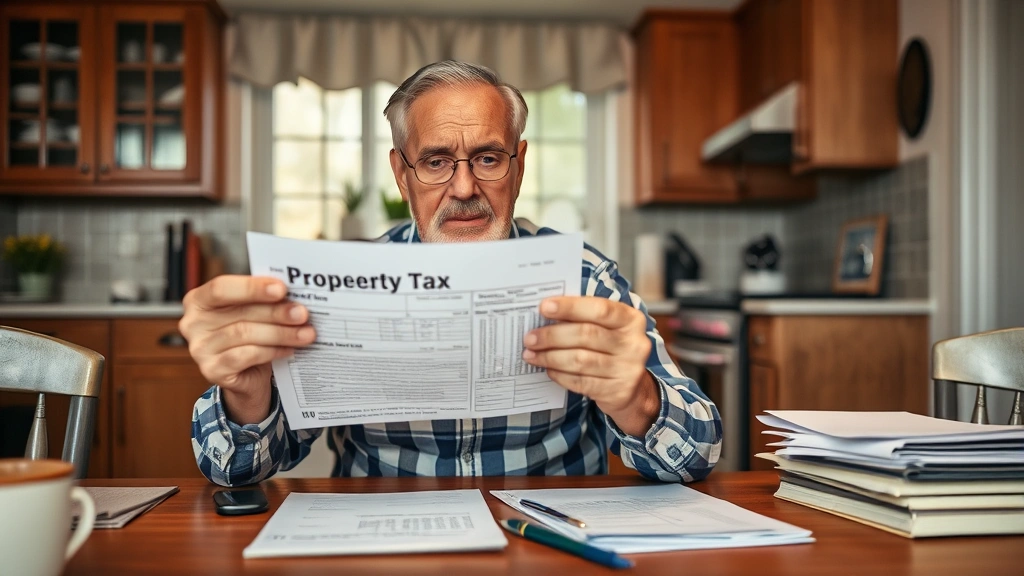
Once your property is assessed, calculating your actual tax bill involves several steps. Here’s the formula: Assessed Value × Tax Rate = Annual Property Tax. But that tax rate isn’t a single number—it’s the sum of multiple rates from different taxing bodies.
In Sangamon County, your bill typically includes contributions to:
- County government (general operations, roads, services)
- School district (usually the largest portion, 40-50% of your bill)
- City or village (if applicable)
- Special districts (fire, library, park, or drainage)
For example, if your assessed value is $100,000 and the combined tax rate is 2.5%, your annual bill would be $2,500. However, if you qualify for exemptions (homestead exemptions, senior exemptions, etc.), your assessed value might be reduced before this calculation, lowering your bill accordingly.
The Sangamon County Treasurer handles collection and distribution of these funds. Bills are typically due in two installments—usually June and September—though the exact dates can vary by municipality.
Exemptions and Credits Available
Illinois law provides several exemptions that can significantly reduce your sangamon property tax burden. Understanding which ones you qualify for is essential to avoiding overpayment.
Homestead Exemption: If you own and occupy your home as your primary residence, you may qualify for the homestead exemption, which reduces your assessed value by up to $6,000 (though this varies and can be higher in some cases). This is one of the most common and valuable exemptions.
Senior Citizen Exemption: Homeowners aged 65 and older may qualify for additional exemptions. Sangamon County offers exemptions for seniors with limited income—typically those earning less than $65,000 annually (amounts vary yearly).
Disability Exemption: If you’re disabled and own your home, you may qualify for an exemption. Documentation from the VA or Social Security is typically required.
Veteran Exemption: Disabled veterans may qualify for exemptions ranging from partial to full tax relief, depending on the disability rating.
Agricultural Exemption: If your property is used for farming, you may qualify for preferential assessment as agricultural land rather than residential.
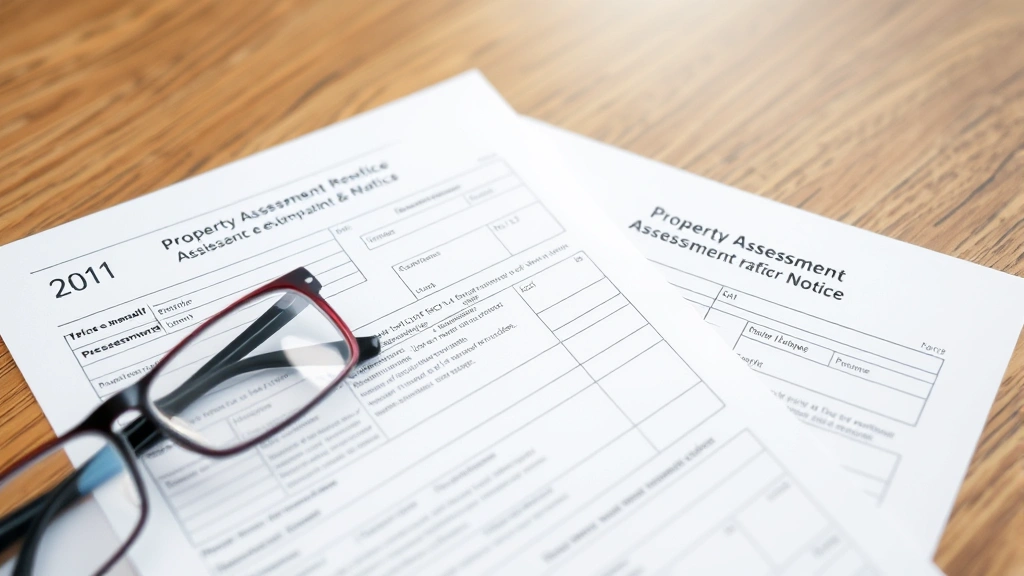
To claim these exemptions, you must file an application with the Sangamon County Assessor’s office. Don’t assume you’re automatically enrolled—most exemptions require affirmative action on your part. Missing deadlines can cost you years of tax savings.
How to Appeal Your Assessment
If you believe your assessment is inaccurate, you have the right to appeal. The appeal process in Sangamon County typically involves two stages: an informal review and, if necessary, a formal appeal to the Board of Review.
Informal Review: Start by contacting the Sangamon County Assessor’s office directly. Bring documentation supporting your position—recent appraisals, comparable sales data, photos of property condition, or evidence of damage or defects. Many overassessments are corrected at this stage without formal proceedings.
Formal Appeal: If the assessor won’t adjust the valuation, you can file a formal appeal with the Sangamon County Board of Review. This must typically be done by a specific deadline (usually late spring). You’ll present your case, often with supporting documentation or expert testimony.
Document Everything: Keep records of your property’s condition, any damage, recent repairs, or improvements. If comparable homes in your area sold for less than your assessed value, that’s powerful evidence. Real estate websites like Zillow or Redfin can help you find comparables, though professional appraisals carry more weight in appeals.
The appeal process is free, and even if you don’t win a full reduction, partial adjustments are common. Many homeowners skip this step, leaving money on the table year after year.
Proven Strategies to Lower Taxes
Beyond exemptions and appeals, several strategies can help reduce your sangamon property tax burden:
1. Claim All Available Exemptions: As mentioned, homestead, senior, and disability exemptions can save thousands. Review your eligibility annually—circumstances change.

2. Challenge Inflated Assessments: If your assessed value seems high compared to recent sales of similar homes, file an appeal. This is especially important if the market has declined since your last assessment.
3. Document Property Defects: If your home has structural issues, foundation problems, or other defects, these reduce value and justify lower assessments. Get a professional inspection and provide photos.
4. Monitor Assessment Notices Carefully: Errors happen—wrong square footage, incorrect number of bedrooms, or misclassified property type. Verify all details when you receive your notice.
5. Consider Tax-Loss Harvesting in Investment Accounts: While this doesn’t directly reduce property taxes, offsetting investment losses against gains can free up cash for other expenses, indirectly helping your overall financial picture.
6. Explore Special Assessment Districts: In some cases, opting out of special assessment districts (if allowed) can reduce your bill, though you lose those services.
7. Refinance if Possible: While not a direct tax reduction, refinancing to a lower mortgage rate frees up cash flow to handle property tax payments more comfortably.
Sangamon vs. Other Illinois Counties
Sangamon County’s property tax rates are moderate compared to other Illinois counties, but it’s worth understanding where you stand. For comparison, check out our guides on Cook County property tax and Cass County property tax to see how rates vary across the state.
Cook County, home to Chicago, has some of the highest property tax rates in the nation, while rural counties like Carver County typically have lower rates. Sangamon County falls somewhere in the middle, making it relatively affordable for Illinois homeowners.
If you’re considering moving within Illinois, property tax rates should be part of your decision. A home that costs $300,000 in Sangamon County might cost significantly more in property taxes than the same home in a lower-tax county. Use the Alameda County property taxes guide as a reference for understanding how different regions approach assessment and taxation.
For those interested in other states, Fairfax County personal property tax and homestead tax credit Maryland offer insights into how neighboring and distant states handle property taxation differently.
Mistakes Homeowners Make
Over years of working with clients, I’ve seen predictable patterns in how homeowners mishandle their property taxes:
Mistake #1: Ignoring Assessment Notices: Many people file these away without reading them. That notice is your opportunity to catch errors and challenge inflated valuations. Treat it like a tax return—review it carefully.
Mistake #2: Not Applying for Exemptions: Homeowners leave thousands on the table by not filing for exemptions they qualify for. If you’re over 65, disabled, or a veteran, check your eligibility immediately.
Mistake #3: Assuming You Can’t Appeal: Many believe property tax assessments are final and unchangeable. They’re not. Appeals are free and surprisingly effective, especially if you have solid comparable sales data.
Mistake #4: Underestimating Property Taxes in Your Budget: First-time homebuyers often shock themselves with property tax bills. Factor in the full annual amount when calculating your affordable home price.
Mistake #5: Not Keeping Records of Improvements: If you add a room, finish a basement, or make major upgrades, document it. The assessor will eventually know, but having your own records helps you negotiate a fair value increase.

Mistake #6: Missing Appeal Deadlines: The appeal window is limited—usually 30 days from receiving your assessment notice. Mark your calendar and act quickly if you plan to challenge your valuation.
Frequently Asked Questions
What is the current property tax rate in Sangamon County?
Sangamon County’s property tax rate varies by municipality and school district, typically ranging from 2.0% to 2.8% of assessed value. Your specific rate depends on which taxing bodies serve your property. Check your assessment notice or contact the Sangamon County Assessor’s office for your exact rate.
How often is property reassessed in Sangamon County?
Residential properties in Sangamon County are typically reassessed every four years. However, if you make significant improvements or if the assessor discovers errors, your property may be reassessed outside the normal cycle.
Can I appeal my property tax assessment online?
The Sangamon County Board of Review accepts appeals, but the process typically requires submitting forms and documentation. Contact the assessor’s office for current procedures—some counties now offer online filing, while others still require in-person or mail submissions.
What documents do I need to appeal my assessment?
Bring recent appraisals, comparable sales data for similar homes, photos of property condition, documentation of defects or damage, and any evidence of assessment errors (wrong square footage, incorrect property details, etc.). Professional appraisals carry more weight than online estimates.
Am I eligible for the homestead exemption?
If you own and occupy your home as your primary residence in Sangamon County, you likely qualify for the homestead exemption. You must file an application with the assessor’s office—it’s not automatic. Income limits may apply for some exemptions.
What happens if I don’t pay my property taxes on time?
Late payments incur penalties and interest. If taxes remain unpaid for several years, the county may place a tax lien on your property or, in extreme cases, initiate foreclosure proceedings. Contact the Sangamon County Treasurer immediately if you’re having difficulty paying.
Can I deduct property taxes on my federal income tax return?
Yes, you can deduct up to $10,000 in state and local taxes (including property taxes) on your federal return if you itemize deductions. This limit applies to the combined total of state income tax, sales tax, and property taxes.
Final Thoughts
Understanding sangamon property tax doesn’t have to be overwhelming. At its core, it’s about three things: knowing how your bill is calculated, claiming every exemption you’re entitled to, and challenging assessments that are inaccurate. Homeowners who take these steps typically save thousands over the life of their ownership.
Start by reviewing your most recent assessment notice. Look for errors, verify you’re claiming all applicable exemptions, and research comparable sales in your area. If your assessed value seems high, don’t hesitate to appeal—the process is free and often successful.
Property taxes are a significant expense, but they’re also one of the few financial obligations where you have some control. By staying informed and proactive, you can ensure you’re paying a fair amount—not a penny more. If you have questions specific to your situation, contact the Sangamon County Assessor’s office or consult with a local tax professional. Your wallet will thank you.


