
SDI Tax: Essential Guide for Safe and Profitable Management

Did you know that State Disability Insurance (SDI) tax reduces your take-home pay by up to 1.1% annually, yet most workers don’t understand what they’re paying for? State Disability Insurance, commonly referred to as SDI tax, is a mandatory payroll deduction in select states that provides temporary income replacement when you’re unable to work due to non-work-related illness or injury. Unlike federal taxes, SDI tax operates at the state level and serves as a critical safety net for millions of American workers. Understanding how SDI tax works, who pays it, and how to manage it effectively can help you optimize your finances and ensure you’re receiving all benefits you’re entitled to claim.
What Is SDI Tax and How Does It Work?
State Disability Insurance (SDI) tax is a mandatory payroll withholding system designed to provide temporary income replacement benefits to workers who become unable to work due to disability, illness, or pregnancy-related conditions. The SDI tax system operates independently from federal Social Security and Medicare taxes, though it serves a complementary purpose in the broader social insurance landscape. When you work in a state with SDI tax requirements, your employer automatically deducts a percentage of your wages and remits these funds to the state’s disability insurance program.
The mechanics of SDI tax are straightforward: employees contribute a portion of their gross wages, which accumulates in a state-managed trust fund. When eligible workers experience a qualifying disability or medical condition, they can file a claim to receive weekly benefits that replace a portion of their lost wages. This system differs fundamentally from workers’ compensation insurance, which covers work-related injuries and illnesses. SDI tax is broader in scope, covering any condition that prevents you from working, whether it occurs at work or during personal time.
As an employee, you bear the full cost of SDI tax contributions in most states, though some jurisdictions require employer contributions as well. The state manages these funds through a dedicated account, and benefits are paid directly to eligible claimants during their period of disability. Understanding this mechanism is essential for decoding paycheck stub abbreviations and recognizing where your money goes each pay period.
Which States Require SDI Tax?
Currently, only five states and Puerto Rico mandate State Disability Insurance programs: California, Hawaii, New Jersey, New York, and Rhode Island. Each state operates its program with distinct rules, contribution rates, and benefit structures. California’s program is the largest and most comprehensive, covering millions of workers and providing some of the most generous benefit levels in the nation. New York recently expanded its program significantly, while Hawaii, New Jersey, and Rhode Island maintain smaller but equally important programs for their residents.
If you work in any of these five states or Puerto Rico, you’re required to contribute to SDI tax unless you fall into a specific exemption category. Some states allow certain groups—such as government employees, railroad workers covered by federal programs, or self-employed individuals—to opt out of SDI tax contributions. However, most private-sector employees have no choice but to participate. If you relocate from one state to another, your SDI tax obligations change accordingly, which is why understanding your current state’s requirements is crucial for accurate paycheck management.
The geographic limitation of SDI tax means that workers in the remaining 45 states have no state-mandated disability insurance program. These workers often purchase private disability insurance through their employers or independently to protect their income. For those in SDI states, the mandatory contribution essentially provides automatic coverage without the need for individual policy purchases.
SDI Tax Rates and Wage Bases for 2024-2025
SDI tax rates vary significantly by state and are adjusted annually based on claims experience and fund solvency. According to IRS guidelines and state labor department regulations, here’s what workers can expect in 2024-2025:
- California: 1.0% employee contribution on wages up to $153,164 (2024 wage base)
- Hawaii: 0.5% employee contribution on wages up to $67,800 (2024 wage base)
- New Jersey: 0.28% employee contribution on wages up to $35,900 (2024 wage base)
- New York: 0.5% employee contribution on wages up to $246,000 (2024 wage base)
- Rhode Island: 1.2% employee contribution on wages up to $34,000 (2024 wage base)
These rates are progressive and subject to annual adjustments. California and Rhode Island typically have the highest employee contribution rates, while New Jersey maintains the lowest. The wage base—the maximum amount of annual income subject to SDI tax—also increases yearly to account for inflation and wage growth. Once you earn above your state’s wage base, no additional SDI tax is withheld for the remainder of that calendar year.
Understanding these rates helps you calculate your annual SDI tax burden and plan your budget accordingly. For example, a California employee earning $160,000 annually would pay approximately $1,531.64 in SDI tax (1.0% on $153,164), while the remaining income above the wage base is not subject to SDI tax. This wage base cap is similar to Social Security’s OASDI withholding structure, making it important to track your year-to-date earnings.
Understanding SDI Benefits and Eligibility
To qualify for State Disability Insurance benefits, you must meet specific eligibility criteria established by your state’s labor department. Generally, you must have earned sufficient wages during a base period (typically the 12 months preceding your claim), have a qualifying medical condition documented by a healthcare provider, and be unable to perform your regular job duties. The definition of disability varies slightly by state, but most require that your condition prevent you from performing substantial gainful activity.
Qualifying conditions for SDI tax benefits include pregnancy and childbirth, serious illness, surgery recovery, accidents, and temporary disabilities from any cause. Many states now include mental health conditions, substance abuse treatment, and bonding time with a new child as qualifying disabilities. The key distinction is that the disability must prevent you from working—not necessarily from all work, but from your usual occupation.
Benefit amounts are calculated as a percentage of your average weekly wage, typically ranging from 50% to 70% depending on your state. Maximum weekly benefit amounts also vary: California offers up to $1,540 per week (2024), while other states provide lower maximums. Benefits are usually paid for a maximum duration ranging from 26 to 52 weeks, depending on your state and the nature of your disability. As reported by NerdWallet’s disability insurance analysis, understanding your state’s benefit structure is essential for financial planning during periods of disability.
How to Calculate Your SDI Tax Withholding
Calculating your SDI tax withholding is a straightforward process once you know your state’s rate and wage base. The formula is simple: Gross Wages × SDI Tax Rate = SDI Tax Withholding. However, you must account for the wage base cap to ensure accuracy. Let’s work through an example for a California employee earning $4,000 biweekly:
- Biweekly gross wage: $4,000
- California SDI tax rate: 1.0%
- Biweekly SDI tax: $4,000 × 0.01 = $40
- Annual SDI tax (if no wage base cap applied): $40 × 26 pay periods = $1,040
- However, with the 2024 wage base of $153,164: Maximum annual SDI tax = $153,164 × 0.01 = $1,531.64
Once you reach the wage base threshold during the calendar year, your employer should stop withholding SDI tax for the remainder of that year. This is similar to how Social Security tax withholding works. If you change employers mid-year, both employers will withhold SDI tax until the combined wages exceed the wage base, potentially resulting in over-withholding. In such cases, you may claim a credit on your state tax return.
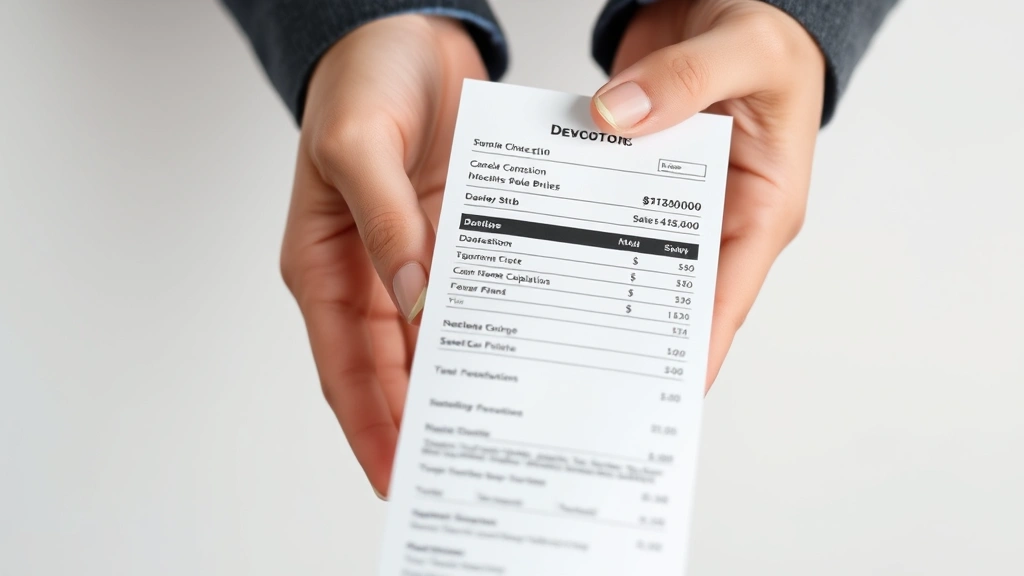
Your paycheck stub should clearly show SDI tax withholding as a separate line item, making it easy to track your contributions throughout the year. If you notice discrepancies or believe you’ve been over-withheld, contact your state’s labor department or your employer’s payroll department immediately. Keeping detailed paycheck records helps you verify accurate withholding and supports any claims for refunds or credits.
Managing SDI Tax for Maximum Profitability
While you cannot avoid SDI tax contributions in states where they’re mandatory, you can manage them strategically to optimize your overall financial situation. First, ensure your payroll deductions are accurate by reviewing your paycheck stubs regularly. Verify that your employer is withholding the correct percentage and stopping withholding once you reach the wage base threshold. Errors in withholding can result in either overpayment (reducing your take-home pay) or underpayment (creating tax liabilities).
For self-employed individuals and business owners in SDI states, the situation is more nuanced. Some states allow self-employed workers to opt into SDI tax programs, while others exclude them entirely. California, for example, allows self-employed individuals to voluntarily contribute to its SDI program, providing them with disability coverage they wouldn’t otherwise have. Evaluating whether to opt in requires analyzing your personal risk tolerance, existing disability insurance coverage, and financial situation.
If you’re planning to change jobs or anticipate a significant income change, consider how this affects your SDI tax withholding. High earners who exceed the wage base early in the year should ensure they’re not over-withholding, while those with variable income should track their year-to-date earnings carefully. Additionally, understanding your state’s SDI tax benefits helps you appreciate the value of your contributions and plan for potential disability scenarios. This proactive approach aligns with broader smart paycheck solutions for maximizing income.
For those working in multiple states during a calendar year, SDI tax management becomes more complex. Each state’s wage base is tracked independently, so you could theoretically exceed multiple wage bases and over-withhold significantly. Keeping meticulous records and consulting with a tax professional can help you claim appropriate credits and recover over-withheld amounts.
Filing SDI Claims: A Step-by-Step Guide
Filing an SDI claim requires careful attention to detail and timely submission to ensure uninterrupted benefit payments. The process varies slightly by state, but the general framework is consistent. First, you must obtain a claim form from your state’s labor department—most states now offer online filing through their official websites. You’ll need to provide personal information, employment details, and medical documentation supporting your disability claim.
Medical certification is critical to SDI tax claim approval. Your healthcare provider must complete the medical portion of the claim form, documenting your condition, treatment, and expected duration of disability. The state’s medical reviewer will evaluate this documentation to determine if your condition qualifies for benefits under state law. Incomplete or insufficient medical documentation is the leading cause of claim denials, so ensure your provider submits comprehensive information.
Once you submit your claim, the state typically processes it within 7-14 days, though complex cases may take longer. You’ll receive a determination letter outlining whether your claim is approved, conditionally approved, or denied. If approved, benefits begin after a waiting period (typically 7 days in most states) and are paid weekly via direct deposit or debit card. If denied, you have the right to appeal the decision, usually within 30 days of receiving the denial notice.
During your disability period, you may be required to submit periodic reports confirming your continued disability status. Some states require monthly certifications, while others use random sampling. Failing to respond to these requests can result in benefit termination, so maintain communication with your state’s disability insurance office throughout your claim period. As you return to work, report your earnings promptly, as partial earnings may affect your benefit amounts.
If you’re also receiving workers’ compensation benefits, your SDI tax benefits may be reduced or eliminated under coordination of benefits rules. Understanding how different income replacement programs interact is essential for maximizing your total benefits. Consulting with your state’s labor department or a benefits counselor can clarify how your specific situation affects your entitlements.
Frequently Asked Questions About SDI Tax
Q: Can I opt out of SDI tax contributions?
A: In most cases, no. If you work in a state with mandatory SDI tax, you must contribute unless you fall into a specific exemption category (such as government employees or railroad workers). Some states allow self-employed individuals to opt in voluntarily, but opting out is generally not permitted for employees.
Q: What happens if I work in multiple SDI states during the same year?
A: Each state tracks its wage base independently. If you work in California and New York during the same year, you’ll contribute to both states’ programs up to each state’s respective wage base. This could result in over-withholding, which you can recover through state tax return credits.
Q: Is SDI tax deductible on my federal income tax return?
A: No. SDI tax is not deductible as a federal income tax expense. However, some states allow SDI tax deductions on state income tax returns. Check your state’s tax guidelines for specific rules.
Q: How long do SDI benefits last?
A: Benefit duration varies by state and typically ranges from 26 to 52 weeks. Some states offer extended benefits for specific conditions. Check your state’s labor department website for exact duration limits.
Q: Can I receive SDI benefits while on unpaid leave or sabbatical?
A: Generally, no. SDI tax benefits are designed for individuals who are unable to work due to a qualifying disability. If you’re on voluntary unpaid leave without a medical condition preventing work, you typically wouldn’t qualify for benefits. However, if your leave is medically necessary, you may qualify.
Q: What’s the difference between SDI and workers’ compensation?
A: SDI tax covers non-work-related disabilities, while workers’ compensation covers work-related injuries and illnesses. Both provide income replacement, but workers’ compensation typically offers higher benefits and may include medical cost coverage.
Q: Do I need to report SDI benefits as income?
A: SDI benefits are generally not taxable income for federal tax purposes. However, some states may tax SDI benefits, and if you receive other income simultaneously, it could affect your overall tax liability. Consult a tax professional for your specific situation.
Q: Can my employer retaliate against me for filing an SDI claim?
A: No. Federal and state laws prohibit employers from retaliating against employees for filing legitimate disability claims. If you experience retaliation, you may have legal recourse through your state’s labor department or civil court.
Understanding SDI tax is essential for workers in California, Hawaii, New Jersey, New York, and Rhode Island. These mandatory contributions provide valuable disability insurance coverage that protects your income during periods when you’re unable to work. By mastering the mechanics of SDI tax withholding, calculating your obligations accurately, and knowing how to file claims when needed, you can maximize the value of this important social insurance program. Regularly review your paycheck stubs, stay informed about rate and wage base changes, and don’t hesitate to contact your state’s labor department with questions. For additional insights into payroll management, explore resources on creditable withholding tax and biweekly pay secrets to develop a comprehensive understanding of your total compensation and deductions.
As reported by Bloomberg, state disability insurance programs have become increasingly important as more workers face health challenges and seek income protection. According to MarketWatch, understanding all components of your payroll withholding—including SDI tax—is crucial for effective financial planning. For comprehensive information about tax brackets and how they interact with SDI tax, review our guide on 2026 tax brackets. Finally, consult CNBC for current updates on state-level tax and benefits policy changes that may affect your SDI tax obligations.