

Understanding Sherburne County property tax is one of the smartest financial moves you can make as a homeowner in Minnesota. Property taxes fund schools, roads, and emergency services—but that doesn’t mean you should pay more than you owe. Whether you’re a longtime resident or new to the area, this guide will walk you through how taxes are calculated, what you can do to reduce your burden, and where to find help when things get complicated.
Table of Contents
How Sherburne County Calculates Taxes
Your property tax bill in Sherburne County comes down to a straightforward formula: assessed value times the tax rate equals your bill. But here’s where it gets tricky—the assessed value isn’t necessarily what you paid for your home or what it’s worth today. The Sherburne County Assessor’s Office determines this value every year, and it’s based on comparable sales in your area, property condition, and recent market trends.
The county uses a classification system that assigns different rates depending on your property type. Residential properties, commercial buildings, agricultural land, and vacant land all get taxed differently. Understanding which classification applies to your property is the first step in figuring out whether you’re getting a fair shake.
Minnesota’s property tax system is designed to be equitable, but that doesn’t mean errors don’t happen. The Assessor’s Office processes thousands of properties annually, and mistakes in measurement, condition rating, or comparable sales analysis can push your assessment higher than it should be.
Understanding Property Assessment
The assessment process in Sherburne County happens every year, though your property isn’t physically inspected every single year. Instead, the Assessor uses a cycle system where properties are inspected periodically (usually every 4-8 years) and updated annually based on market data and any changes you’ve made to your property.
When the Assessor does inspect your home, they’re looking at square footage, age, condition, improvements, and lot size. They note things like roof condition, foundation type, number of bathrooms, and whether you have a garage. All of this feeds into their valuation model. If you’ve recently added a deck, finished a basement, or made other improvements, that will increase your assessed value.
The key thing to remember: the assessed value is supposed to reflect your property’s market value as of January 2nd each year. If the market has declined or if you believe your home was overvalued, you have the right to challenge it. More on that later.
You’ll receive a property tax statement in December showing your assessed value and the tax amount due. This statement is your most important document for understanding your tax bill. Keep it safe and review it carefully.
Tax Rates and Levies Explained
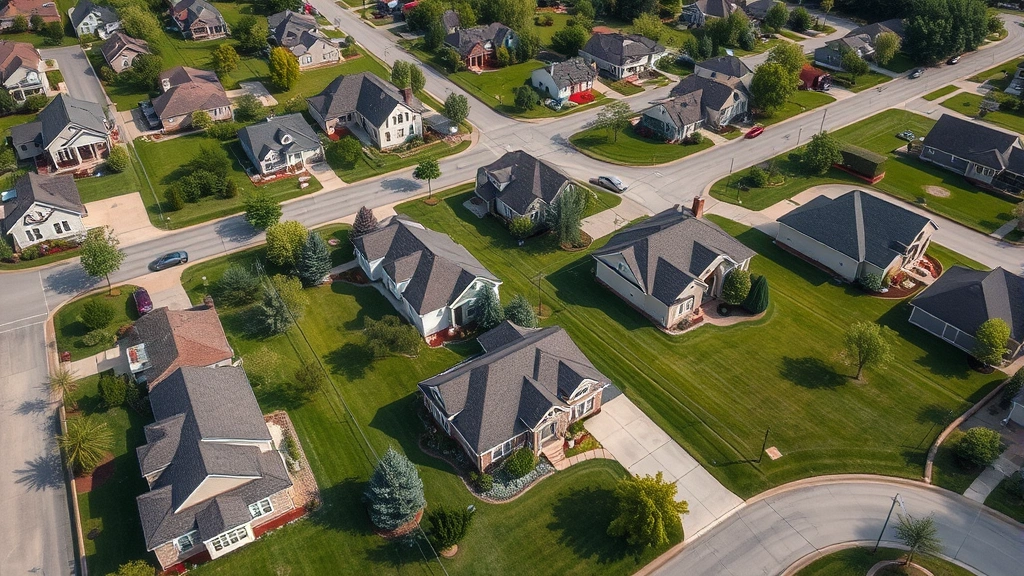
Your Sherburne County property tax rate isn’t a single number—it’s actually a combination of rates from multiple entities that serve your property. Your school district, city or township, county government, and special taxing districts (like watershed districts) all add their levies on top of each other.
In Minnesota, the statewide property tax rate for residential homestead property is capped at 1.12% of assessed value, but you’ll also pay rates for schools, which can add significantly to your bill. A typical homeowner in Sherburne County might see an effective tax rate between 1.0% and 1.3% depending on their specific location and local levies.
The good news is that Minnesota has property tax relief programs specifically designed to help lower-income homeowners and seniors. If you’re over 65, disabled, or have a household income below certain thresholds, you may qualify for property tax relief programs that can significantly reduce your burden.
Homestead Exemptions Available
If you own and occupy your home as your primary residence in Sherburne County, you automatically qualify for the homestead exemption. This is huge—it means your property is taxed at a lower rate than investment properties or vacation homes.
The homestead exemption reduces your taxable value by a percentage set by Minnesota law. For the 2024 tax year, homestead properties receive preferential treatment compared to non-homestead properties. You don’t need to apply for this—it’s automatic if you claim your home as your primary residence.
However, you do need to make sure the county has you correctly classified as a homestead property. If you’ve recently moved, purchased a property, or had a life change (like a divorce or death in the family), double-check with the Assessor’s Office to confirm your homestead status. Misclassification could cost you hundreds of dollars annually.
Agricultural Property Exemptions
If you own agricultural land in Sherburne County, you may qualify for agricultural exemptions that significantly lower your tax burden. Minnesota’s agricultural exemption applies to land actively used for farming, and the tax rate for agricultural property is considerably lower than residential or commercial rates.

To qualify, your land must meet specific criteria: it needs to be at least 10 acres (with some exceptions for smaller parcels), actively farmed, and generating agricultural income. You’ll need to apply for the agricultural exemption through the Assessor’s Office, and you may need to provide documentation of your farming operation.
The agricultural exemption is one of the most valuable tax breaks available in Minnesota. If you’re farming land that’s being assessed as residential, you could be overpaying significantly. Contact the Sherburne County Assessor immediately to explore this option.
How to Appeal Your Assessment
This is where you fight back against an inflated assessment. If you believe your property has been assessed too high, you have the right to appeal. The process in Sherburne County involves two main steps: the informal review and the formal appeal.
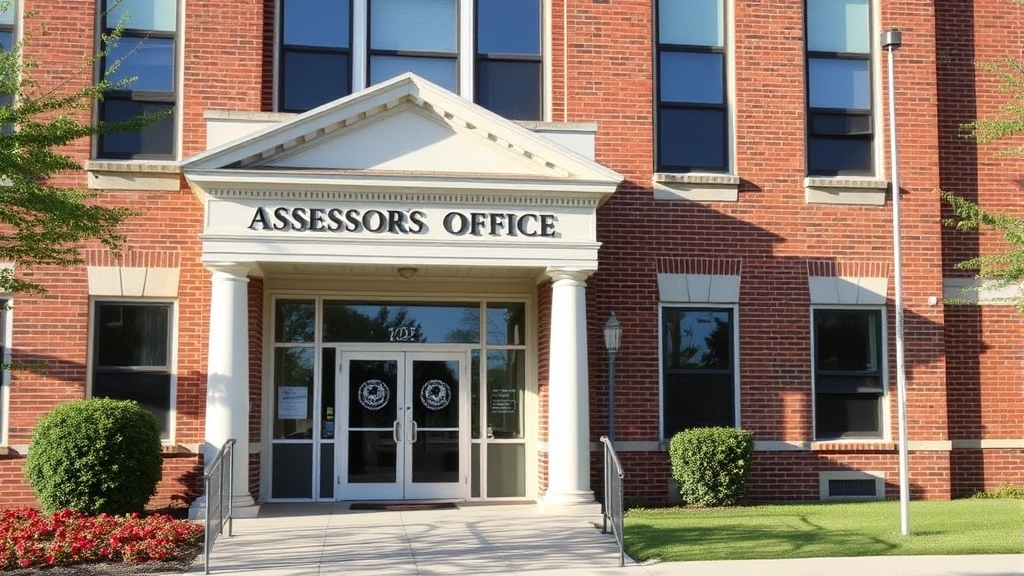
The informal review happens first. You contact the Assessor’s Office and request a meeting to discuss your assessment. Bring comparable sales data, photos of your property’s condition, and any documentation showing why you believe the assessment is too high. Many assessors will adjust assessments during this informal process if you make a compelling case.
If you’re not satisfied with the informal review, you can file a formal appeal with the Sherburne County Board of Review. This typically happens in March or April each year. You’ll present your case to the board, which has the authority to adjust your assessment. Some homeowners hire appraisers or tax professionals to strengthen their appeals, especially for high-value properties or commercial buildings.
The deadline for filing an appeal is usually around April 1st, so mark your calendar. Missing this deadline means you’re stuck with the assessment for another year.
Property Tax Relief Programs
Minnesota offers several property tax relief programs beyond the basic homestead exemption. The Property Tax Refund (PTR) program provides refunds to low-income homeowners and renters. If your household income is below certain thresholds and you own or rent a home in Minnesota, you might qualify for a refund of a portion of your property taxes or rent.
The Senior Homestead Property Tax Deferral program allows homeowners age 65 and older to defer property taxes on their homes. Instead of paying taxes annually, you accumulate a tax debt that’s paid from your estate when you sell the home or pass away. This can be a lifesaver for seniors on fixed incomes.
There’s also the Homestead Property Tax Exemption for disabled veterans, which can eliminate property taxes entirely for qualifying veterans. If you or a family member served in the military and has a service-connected disability, explore this option.
You can find detailed information about these programs on the Minnesota Department of Revenue website. Many of these programs require you to file a form with your state income tax return, so don’t miss the deadline.
Payment Deadlines and Options
Your Sherburne County property tax bill is typically due in two installments: one in May and one in October. If you miss a payment, penalties and interest accrue quickly. The county charges interest at a rate set by state law (currently around 8% annually), plus potential penalty fees.
You can pay online through the Sherburne County website, by mail, or in person at the county offices. Some counties also accept automatic bank payments, which can help you avoid missing deadlines. If you’re struggling to pay your full bill, contact the county treasurer’s office immediately—they may be able to work out a payment plan with you.
If your property taxes become severely delinquent (usually after three years), the county can foreclose on your property and sell it to recover the taxes owed. This is rare, but it happens. Don’t let it get to that point.
Frequently Asked Questions
What’s the average property tax rate in Sherburne County?
The average effective property tax rate in Sherburne County for homestead properties typically ranges from 1.0% to 1.3% of assessed value, though this varies by specific location and local levies. Your actual rate depends on which school district, city, and special districts serve your property.

How often is my property reassessed?
Properties in Sherburne County are assessed annually, but physical inspections typically occur on a 4-8 year cycle. Your assessed value is updated each year based on market data and any changes to your property, even if it hasn’t been physically inspected recently.
Can I deduct property taxes on my federal income tax return?
Yes, you can deduct state and local property taxes (SALT) on your federal return, but there’s a $10,000 annual cap. This includes property taxes, income taxes, and sales taxes combined. Most homeowners benefit from this deduction, especially those with higher property values.
What happens if I disagree with my assessed value?
You can file an informal appeal with the Assessor’s Office or a formal appeal with the Board of Review. The deadline is typically around April 1st each year. Gather comparable sales data and documentation supporting your position, and present your case to the board.
Are there property tax exemptions for seniors?
Yes. Minnesota offers the Senior Homestead Property Tax Deferral program for homeowners 65 and older, and the Property Tax Refund program for low-income seniors. There’s also a disabled veteran exemption that can eliminate taxes entirely for qualifying veterans.
How do I apply for agricultural exemptions?
Contact the Sherburne County Assessor’s Office and request an application for agricultural exemption. You’ll need to show that your land meets the criteria (at least 10 acres, actively farmed, generating agricultural income). The application process is straightforward, and the tax savings are substantial.
What if I can’t afford my property taxes?
Explore the Property Tax Refund program, Senior Deferral program, or contact your county treasurer about payment plans. Don’t ignore the problem—reaching out early gives you more options than waiting until you’re delinquent.
How Sherburne Compares to Other Counties
If you’re curious how your Sherburne County taxes stack up against other Minnesota counties, know that rates vary significantly based on local spending priorities. Counties with higher school levies or more municipal services will have higher tax rates. You can compare your situation to similar properties in other counties to get perspective, though remember that Minnesota’s tax structure is quite different from other states.

For context, some states don’t have property tax at all, which might make Minnesota seem expensive. However, Minnesota funds schools and services through property taxes rather than sales tax, which is actually more equitable for most residents.
When to Hire a Tax Professional
For most homeowners with straightforward situations, handling property taxes independently is fine. But if you own commercial property, have multiple properties in Sherburne County, or believe your assessment is significantly off, hiring a property tax professional or appraiser might be worth the investment.
Tax professionals can often save you more than they cost by successfully appealing overvalued assessments. If your property is worth $400,000 but assessed at $450,000, a successful appeal could save you $500-$1,000 annually. That pays for professional help quickly.
The Sherburne County Assessor’s Office can provide information about certified appraisers and property tax consultants in the area. Check credentials and ask for references before hiring anyone.
Final Thoughts on Managing Your Sherburne County Property Tax
Your property tax bill doesn’t have to be a mystery or an inevitability. By understanding how Sherburne County calculates taxes, knowing your exemption options, and being willing to appeal if your assessment seems high, you can take control of this significant expense. Review your property tax statement carefully each year, stay aware of deadlines, and don’t hesitate to reach out to the Assessor’s Office with questions.
The difference between paying what you owe and overpaying by hundreds of dollars annually often comes down to awareness and action. Use the resources available to you, explore relief programs if you qualify, and remember that appealing an assessment is your right as a property owner. Your home is likely your biggest asset—make sure you’re not overpaying taxes on it.


