

If you live or work in Smithtown, New York, understanding Smithtown taxes is essential to keeping more money in your pocket and avoiding costly mistakes when tax season rolls around. Whether you’re a resident, business owner, or remote worker, the tax landscape in this Suffolk County community involves federal, state, and local obligations that can feel overwhelming—but we’re here to break it down in plain English.
Table of Contents
Smithtown Tax Basics
Smithtown is a hamlet located in the Town of Smithtown, Suffolk County, New York. If you’re a resident here, you’re subject to multiple layers of taxation—federal, state, and local. This multi-tiered system can make tax planning tricky, but it’s manageable once you understand the structure.
The good news? Smithtown residents have access to the same New York State tax deductions and credits as everyone else in the state. The challenge is knowing which ones apply to your situation and maximizing them strategically. Most people leave money on the table simply because they don’t know what’s available to them.
Your tax obligations depend on several factors: whether you’re a W-2 employee, self-employed, own rental property, or have investment income. Each situation triggers different filing requirements and deduction opportunities. Let’s walk through what you need to know.
New York State Income Tax
New York State income tax is progressive, meaning your tax rate increases as your income rises. For 2024, New York has eight tax brackets ranging from 4% to 10.9% for residents. As a Smithtown resident, you’ll owe New York State income tax on all income earned, regardless of where you work.
New York’s tax system is notably higher than many neighboring states, which is why strategic planning matters. If you’re earning six figures or more, even small optimization strategies can save thousands annually. For middle-income earners, the difference between a standard return and a well-planned one can be $500–$2,000+.
One critical point: New York allows you to claim the Empire State Film Tax Credit and various business-related deductions. If you’re self-employed or run a side business, real estate agent tax deductions and home office write-offs can significantly reduce your taxable income. Even if you’re not in real estate, the principle applies to freelancers, consultants, and small business owners.
Suffolk County Considerations
Suffolk County adds another layer to your Smithtown taxes picture. While Smithtown itself doesn’t levy an additional local income tax, Suffolk County residents benefit from county services funded through property taxes and sales taxes. Understanding these is crucial for accurate tax planning.
Suffolk County has a 4% sales tax rate (combined with New York State’s 4%, totaling 8% in most locations). This affects your purchasing power and, if you’re a business owner, your cost of goods sold. Additionally, Suffolk County offers property tax exemptions for seniors and veterans—benefits many people don’t claim because they’re unaware.
For detailed information about how sales tax works in your area, check out our guide on Suffolk County NY sales tax to understand how these rates impact your bottom line.
Property Tax Assessment
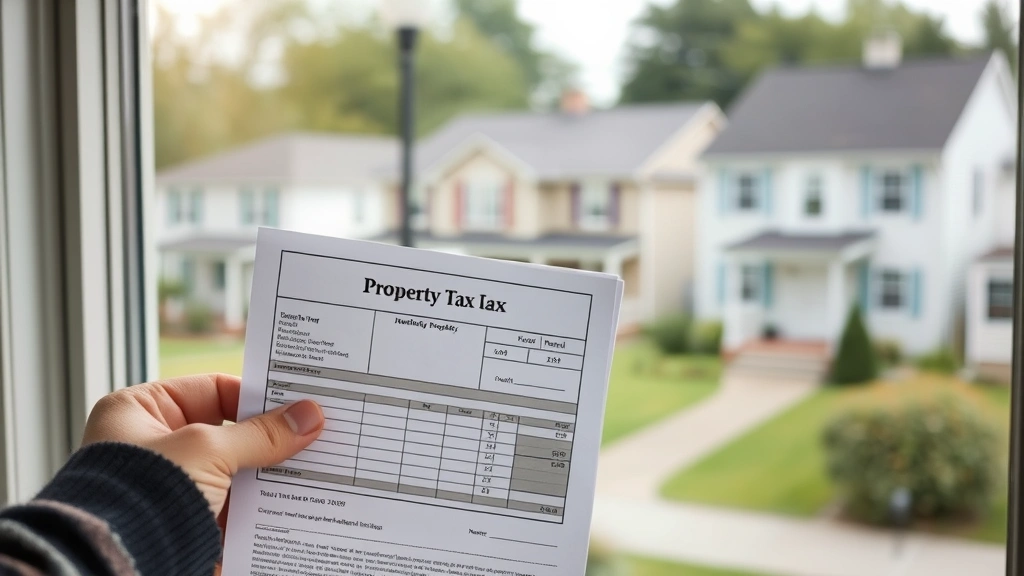
If you own a home in Smithtown, property taxes are likely your largest annual tax bill. Suffolk County property taxes are among the highest in the nation, with the average homeowner paying thousands annually. The Town of Smithtown assesses properties and sends tax bills twice yearly.
Here’s what you need to know: your property assessment can be challenged. If you believe your home is overvalued, you have the right to file a grievance during the grievance period (typically January–March). Many homeowners skip this step and leave money on the table. Even a 5–10% reduction in assessed value can save hundreds of dollars per year.
Additionally, if you’re over 65, disabled, or a veteran, you may qualify for property tax exemptions or STAR (School Tax Relief) exemptions. These can reduce your property tax bill by 10–50% depending on your income and status. Filing for these exemptions requires documentation, but the savings justify the effort.

Sales Tax Implications
Smithtown residents pay an 8% sales tax on most purchases (4% state + 4% county). While you can’t deduct sales tax paid at the register on your federal return anymore (the deduction expired in 2017), you can still deduct sales tax on business purchases if you’re self-employed or own a business.
If you’re a business owner, tracking sales tax is critical. You must collect sales tax from customers on taxable goods and services, then remit it to New York State. Failure to do so can result in penalties, interest, and legal action. Many small business owners underestimate this obligation and end up in trouble.
For business owners, keeping meticulous records of all sales tax collected and paid is non-negotiable. Use accounting software to automate this process—the investment pays for itself in compliance and reduced audit risk.
Deductions & Credits Available
New York State and federal tax law offer numerous deductions and credits available to Smithtown residents. The key is identifying which ones apply to your situation and maximizing them.
Common deductions include:
- Standard vs. Itemized Deductions: In 2024, the standard deduction is $13,850 for single filers and $27,700 for married couples. If your itemized deductions (mortgage interest, property taxes, charitable donations) exceed these amounts, itemizing saves you money.
- Mortgage Interest Deduction: If you own a home in Smithtown, you can deduct mortgage interest on loans up to $750,000. With high property values in the area, this deduction is substantial for many homeowners.
- Property Tax Deduction: You can deduct up to $10,000 in state and local taxes (SALT) combined. For Smithtown homeowners with high property taxes, this cap matters.
- Charitable Contributions: Donations to qualified charities are deductible. Keep receipts and document donations carefully.
Credits to explore:

- Child Tax Credit: Up to $2,000 per qualifying child under 17.
- Earned Income Tax Credit (EITC): If you earn under certain thresholds, you may qualify for this refundable credit.
- Education Credits: American Opportunity Credit and Lifetime Learning Credit for qualified education expenses.
- New York Property Tax Credit: Available to low-income New York residents.
Business Owner Tax Strategies
If you’re self-employed or own a business in Smithtown, your tax situation is more complex—and your opportunities for savings are greater. Strategic planning can reduce your tax burden by 20–40% compared to a basic return.
Key strategies:
- Business Structure: Choosing between sole proprietorship, LLC, S-Corp, or C-Corp has major tax implications. An S-Corp election, for example, can save self-employed individuals thousands in self-employment taxes.
- Home Office Deduction: If you work from home, you can deduct a portion of rent/mortgage, utilities, and internet. The simplified method is $5 per square foot (up to 300 sq ft), or you can calculate actual expenses.
- Vehicle Expenses: Track business mileage (2024 rate: 67¢/mile) or deduct actual vehicle expenses. Keep a mileage log—the IRS takes this seriously.
- Equipment & Supplies: Office furniture, computers, software, and supplies are deductible. Section 179 expensing allows you to deduct up to $1,160,000 of qualified property in 2024.
- Retirement Contributions: SEP-IRA, Solo 401(k), or Solo Roth contributions reduce taxable income while building retirement savings. You can contribute up to $69,000 annually (2024) to a Solo 401(k).
If you need guidance on filing without traditional W-2 income, our article on how to file taxes without W2 covers self-employment and 1099 situations.
Filing Deadlines & Requirements
Missing tax deadlines can be costly. The federal tax deadline is April 15th each year (or the next business day if April 15th falls on a weekend). New York State follows the same deadline. If you can’t file by April 15th, you can request an extension, but this only extends your filing deadline—not your payment deadline. Taxes owed are still due April 15th.
Key dates for 2024:
- April 15, 2024: Federal and New York State individual income tax returns due.
- Estimated Tax Payments: If you’re self-employed or have significant non-wage income, quarterly estimated tax payments are required (April 15, June 17, September 16, 2024, and January 15, 2025).
- Property Tax Payments: Town of Smithtown typically bills in June and December.
If you’ve already filed and realized you made a mistake, don’t panic. You have the right to amend your return. Learn more in our guide on amending your tax return if already filed.
Common Mistakes to Avoid
We’ve seen hundreds of Smithtown residents make preventable tax mistakes. Here are the most common ones:
- Not Tracking Deductions: If you don’t keep receipts and records, you can’t claim deductions. Use an app or spreadsheet to track expenses throughout the year.
- Ignoring Estimated Taxes: Self-employed individuals who don’t pay quarterly estimates face penalties and interest. Set aside 25–30% of net income for taxes.
- Misclassifying Workers: If you’re a business owner, correctly classifying employees vs. contractors matters. Misclassification triggers IRS penalties and back taxes.
- Forgetting Side Income: Gig economy income, rental property income, and freelance work must be reported. The IRS receives 1099 forms and matches them to returns.
- Over-Claiming Home Office: Only deduct the portion of your home actually used for business. Exaggerating this deduction is a red flag for audits.
- Missing Filing Deadlines: Late filing results in failure-to-file penalties (5% of unpaid taxes per month, up to 25%). Even if you can’t pay, file on time to minimize penalties.
When to Seek Professional Help
DIY tax software works fine for simple returns—W-2 income, standard deduction, no dependents. But if your situation is complex, professional help pays for itself. Consider hiring a CPA or tax professional if you:
- Own a business or are self-employed
- Have rental property income
- Have significant investment income or capital gains
- Are going through a major life change (marriage, divorce, inheritance)
- Have been audited in the past
- Have multiple income streams
- Want to implement tax strategies for the upcoming year
A good tax professional costs $500–$3,000, but saves that amount or more through deductions, credits, and strategic planning you’d miss on your own. Think of it as an investment, not an expense.
Frequently Asked Questions
Do Smithtown residents pay city income tax?
No. Smithtown is in Suffolk County, which does not levy a local income tax. You pay federal and New York State income tax, plus property and sales taxes. This is actually one advantage of living on Long Island compared to New York City residents, who pay an additional city income tax.
What’s the property tax rate in Smithtown?
Property tax rates vary by school district and town within Smithtown. The average effective property tax rate in Suffolk County is around 1.2–1.5% of assessed property value, among the highest in the nation. Your specific rate depends on your home’s assessed value and your school district.
Can I deduct my property taxes on my federal return?
You can deduct up to $10,000 in combined state and local taxes (SALT) on your federal return. For many Smithtown homeowners with high property taxes, this cap limits the full deduction. Married couples filing jointly also have the $10,000 cap.

Is there an age 65 property tax exemption in Smithtown?
Yes. New York offers the Enhanced STAR exemption for homeowners age 65+ with income under $91,850 (2024). This can reduce your property tax bill significantly. You must apply through the Town of Smithtown assessor’s office.
What if I disagree with my property assessment?
You have the right to file a Grievance/Assessment Review with the Town of Smithtown. The grievance period is typically January 1–March 31. File a form with the assessor’s office. If you believe the assessment is unfair, you can present evidence (comparable sales, property condition) to support a lower value.
Do I need to file a New York State return if I live in Smithtown?
If you’re a New York resident with income, yes. You must file a New York State return in addition to your federal return. This applies even if you have no state tax liability—filing is required.
How much should I set aside for quarterly estimated taxes?
If you’re self-employed, estimate your annual net profit, multiply by 15.3% (self-employment tax rate) plus your marginal federal and state income tax rates (likely 22–37% combined). Divide by four for quarterly payments. Many people use 25–30% as a safe rule of thumb.
What records should I keep for a tax audit?
Keep receipts, invoices, bank statements, and documentation for all income, deductions, and credits claimed for at least three years (six years if you underreported income by 25%+). For business owners, keep records for seven years. Organize by category and date.


