

The Spartanburg County SC tax assessor office plays a crucial role in determining how much property tax you’ll owe each year. Whether you’re a homeowner, investor, or business owner in Spartanburg County, understanding how the tax assessor calculates your property value can save you thousands of dollars and help you plan your finances more effectively.
Table of Contents
What Is a Tax Assessor?
A tax assessor is a public official responsible for determining the fair market value of all real property within their jurisdiction. In South Carolina, the tax assessor’s job is to estimate property values fairly and consistently across the county. This valuation directly impacts your property tax bill—the higher the assessed value, the more you’ll pay in annual taxes.
Think of the tax assessor as the middleman between property owners and local government funding. Schools, roads, emergency services, and county infrastructure all depend on property tax revenue. The assessor’s role is to ensure everyone pays their fair share based on what their property is actually worth.
Unlike appraisers who work for banks or real estate transactions, tax assessors use standardized formulas and comparable sales data to value thousands of properties consistently. They’re not trying to determine what your home might sell for in an ideal market—they’re assessing its fair market value for taxation purposes.
Spartanburg County Basics
Spartanburg County, located in upstate South Carolina, has its own dedicated tax assessor’s office that handles property valuations for the entire county. The county includes several municipalities, from Spartanburg city to smaller towns like Boiling Springs and Landrum, each with distinct property values and assessment patterns.
South Carolina property tax rates vary by county, and Spartanburg County’s rate is determined by the county council and individual municipality budgets. The tax assessor’s office maintains detailed records on thousands of properties, tracking improvements, sales data, and market trends to keep valuations current.
One important thing to know: South Carolina assesses property at 4% of fair market value for tax purposes (not 100% like some states). This means if your home’s fair market value is $250,000, the assessed value used for taxes would be $10,000. This assessment ratio applies uniformly across the state.
How Property Valuation Works
The Spartanburg County tax assessor uses three primary approaches to determine property values: the sales comparison approach, the cost approach, and the income approach. Most residential properties rely heavily on the sales comparison method.
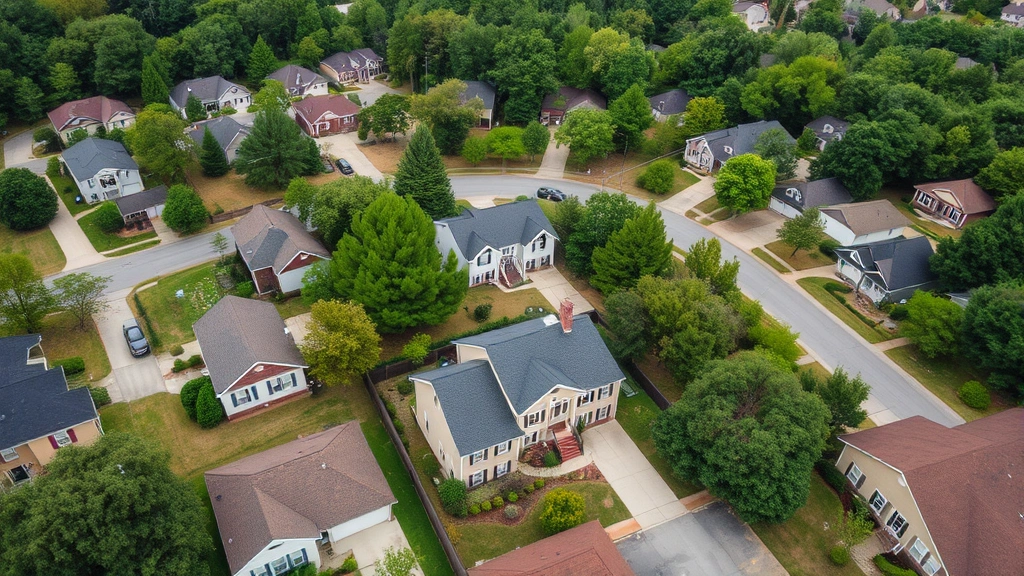
Sales Comparison Approach: The assessor analyzes recent sales of similar properties in your area. If three comparable homes sold in your neighborhood within the past year, the assessor uses those sales prices as a benchmark. Adjustments are made for differences in size, condition, lot size, and amenities. This is the most common method for single-family homes.
Cost Approach: For newer construction or properties with few comparable sales, the assessor calculates the replacement cost of the building plus the land value. This method asks: “What would it cost to rebuild this structure today?” Depreciation is then subtracted for age and condition.
Income Approach: For rental properties and commercial buildings, the assessor looks at potential rental income. A property generating $2,000 monthly in rent might be valued differently than an identical building generating $1,500 monthly. This approach is critical for investment properties and business owners.
The assessor’s office typically conducts a reassessment cycle every few years, though they may update values annually based on market data. You’ll receive a notice of assessed value, and you have the right to challenge it if you believe it’s inaccurate.
Filing an Assessment Appeal
If you believe the Spartanburg County tax assessor has overvalued your property, you have the right to appeal. This is one of the most important actions you can take as a property owner—successful appeals can reduce your tax burden significantly.
Step 1: Review Your Assessment Notice
When you receive your assessment notice, examine it carefully. Check that the property characteristics are accurate: square footage, number of bedrooms/bathrooms, lot size, and condition. Many assessment errors stem from incorrect property data.
Step 2: Gather Comparable Sales Data
Research recent sales of similar properties in your area. Real estate websites like Zillow and Redfin provide public sale information. Look for homes sold within the past 6-12 months that are similar in size, condition, and location. Document any significant differences between your property and the comparables.
Step 3: File Your Appeal
Spartanburg County typically has a 30-day window to file an appeal after receiving your assessment notice. You’ll need to submit a formal appeal application to the assessor’s office. Some counties accept appeals online, while others require in-person or mailed submissions.
Step 4: Prepare Your Case
Compile your evidence: comparable sales, property photos, repair estimates for needed work, and any professional appraisals. If your property has significant deferred maintenance or damage, document it thoroughly. The assessor needs to understand why your property should be valued lower than their initial estimate.
Step 5: Attend the Appeal Hearing
You may have the opportunity to present your case before an appeals board. Be professional, factual, and concise. Stick to comparable sales data and property condition—emotional arguments about your personal situation rarely sway assessments.
Many property owners successfully reduce their assessments by 5-15% through appeals. If you’re uncomfortable handling this yourself, consider hiring a property tax consultant or attorney who specializes in assessment appeals. Their fee is often worth the savings.
Homestead Exemption Benefits
South Carolina offers a homestead exemption that can significantly reduce your property taxes if you qualify. The homestead exemption applies only to your primary residence, not investment properties or vacation homes.
The exemption allows eligible homeowners to exclude a portion of their home’s assessed value from taxation. For example, if you qualify for a $50,000 homestead exemption and your home’s assessed value is $100,000, only $50,000 would be subject to property tax calculation.
Who Qualifies:
To claim the homestead exemption in South Carolina, you must own your home, live in it as your primary residence, and meet age or disability requirements. Homeowners age 65 and older may qualify for additional exemptions. Disabled veterans also have special exemption programs available.

How to Apply:
Contact the Spartanburg County tax assessor’s office to request a homestead exemption application. You’ll need to provide proof of ownership (deed), proof of residency, and documentation of your age or disability status if applicable. The application process is straightforward and usually free.
This is money left on the table if you own a home and haven’t applied. Check with the assessor’s office immediately to see if you qualify—you may be able to claim retroactive exemptions for previous years.
Business Property Tax Considerations
If you own commercial property or run a business in Spartanburg County, the tax assessor evaluates your property differently than residential homes. Business valuations often use the income approach, examining what your property generates in revenue.
For commercial real estate, the assessor looks at lease rates, occupancy rates, and potential rental income. A fully occupied office building generates higher assessed value than one with vacant space. Seasonal businesses may have their values adjusted based on average annual income.
Business personal property—equipment, inventory, machinery—is also subject to taxation in many cases. Keep detailed records of equipment purchases and improvements. Some business property may qualify for exemptions or special classifications that reduce your tax burden.
If you operate from leased commercial space, you’re typically not responsible for the property tax on the building itself, but your landlord’s taxes may be reflected in your lease rate. Understanding this relationship helps you negotiate better lease terms.
Like residential property owners, business owners can appeal assessments. If you believe your commercial property is overvalued, the appeal process is similar, though you may want professional representation given the complexity of income-based valuations.

Contacting the Assessor’s Office
The Spartanburg County tax assessor’s office maintains records and handles inquiries from property owners. You can typically reach them by phone, email, or in-person visit to discuss your property assessment, request information, or file an appeal.
When contacting the office, have your property address and parcel number ready. The parcel number appears on your assessment notice and property tax bill. Staff can quickly pull your property file and answer questions about your assessment.
Many county assessor offices now offer online property search tools where you can view your assessed value, property characteristics, and recent sales comparables. Check the Spartanburg County website to see if they offer this service—it’s a valuable resource for understanding your assessment.
If you’re planning to appeal, calling ahead to ask about deadlines, required documentation, and the appeal process can save time and prevent missed opportunities. Don’t wait until the last day to file—assessor’s offices get busy during appeal periods.
Frequently Asked Questions
How often does the Spartanburg County tax assessor reassess properties?
Spartanburg County typically conducts full reassessments every 4-5 years, though the office may update values annually based on market data and new construction. You’ll receive notice when your property is reassessed.
Can I reduce my property taxes by making home improvements?
Yes, but not in the way you might think. Home improvements increase your home’s value and assessed value, which increases your taxes. However, improvements may increase your home’s resale value more than they increase your tax burden, making them worthwhile investments.
What’s the difference between assessed value and market value?
Assessed value is what the tax assessor determines for taxation purposes (4% of fair market value in South Carolina). Market value is what your home would likely sell for on the open market. These often differ because assessments use formulas and comparable sales data rather than individual appraisals.
Do I pay property taxes if I own my home outright?
Yes. Property taxes are owed by the property owner regardless of mortgage status. If you have a mortgage, your lender may collect taxes as part of your monthly payment and pay them on your behalf, but you’re ultimately responsible.
Can renters appeal property assessments?
No. Only property owners can file assessment appeals. However, renters are indirectly affected because landlords often pass property tax increases to tenants through higher rent. This is another reason understanding the Spartanburg County tax assessor’s role matters to the entire community.
What happens if I disagree with the assessor’s appeal decision?
If your appeal is denied, you may have further appeal options through the county’s appeals board or South Carolina’s property tax system. Some counties allow appeals to circuit court. Consult the assessor’s office about your specific options.
Key Takeaways
Understanding the Spartanburg County SC tax assessor and how property valuations work empowers you to manage your property taxes effectively. Whether you’re a homeowner seeking a homestead exemption, a business owner evaluating your commercial property assessment, or an investor managing multiple properties, knowing the assessment process is essential.
Start by reviewing your assessment notice carefully. If you believe your property is overvalued, gather comparable sales data and consider filing an appeal—many property owners successfully reduce their assessments. Don’t overlook exemptions and special programs you may qualify for, like the homestead exemption.
The tax assessor’s office exists to serve the public. They’re not adversaries; they’re professionals trying to assess properties fairly. Approach them with questions, documentation, and professionalism. When you understand how assessments work, you’re better equipped to protect your financial interests and ensure you’re paying your fair share—no more, no less.
For more information about county tax assessments in other areas, check out resources on McHenry County Taxes, Moore County Tax Office in North Carolina, and Potter County Tax Office to see how other counties handle assessments. You can also explore Personal Property Tax in Jackson County, MO and San Francisco County Property Tax for broader perspectives on property taxation across the country.
For authoritative information on federal property tax deductions and credits, visit the IRS Tax Topics page. South Carolina residents can find state-specific tax information at the South Carolina Department of Revenue website.


