

If you own property in St Johns County property tax territory, you’re probably wondering how to keep more money in your pocket instead of sending it to the tax assessor. Property taxes in Florida’s St Johns County can take a real bite out of your budget, but here’s the good news: there are legitimate strategies to reduce what you owe. As a CPA who’s helped countless homeowners navigate this exact situation, I can tell you that most people leave money on the table simply because they don’t know what options exist. This guide walks you through five proven methods to lower your St Johns County property tax bill, plus some insider tips you won’t find in the county’s standard materials.
Table of Contents
Claim Your Homestead Exemption
The homestead exemption is probably the single most valuable tool for St Johns County property tax reduction, and it’s shocking how many eligible homeowners never apply for it. In Florida, if your home is your primary residence, you can exempt up to $50,000 of your home’s assessed value from taxation. That’s not a small number—for many homeowners, this translates to $500–$1,000+ in annual savings.
Here’s how it works: Let’s say your home is assessed at $300,000. With the homestead exemption, only $250,000 is subject to the tax rate. The exemption applies to both county and school taxes, which means the savings compound. You’ll need to apply through the St Johns County Property Appraiser’s office, and you’ll need to prove that the property is your primary residence (usually with a driver’s license, voter registration, or utility bills showing your name and address).
The deadline to apply is typically March 1st for the following tax year, though the Property Appraiser often accepts applications year-round. Don’t miss this opportunity—it’s one of the few tax breaks that doesn’t require a CPA’s help to claim.
File an Assessment Appeal
Many property owners in St Johns County accept their assessed value without question, but here’s a secret: property tax assessments aren’t always accurate. If you believe your home’s assessed value is too high compared to similar properties in your area, you have the right to appeal.
The St Johns County Property Appraiser uses comparable sales data, property condition, and market trends to determine value. If recent sales in your neighborhood show lower values, or if your home needs significant repairs that weren’t factored in, you have grounds for an appeal. The Value Adjustment Board (VAB) handles these disputes, and the process is designed to be accessible to homeowners without lawyers.
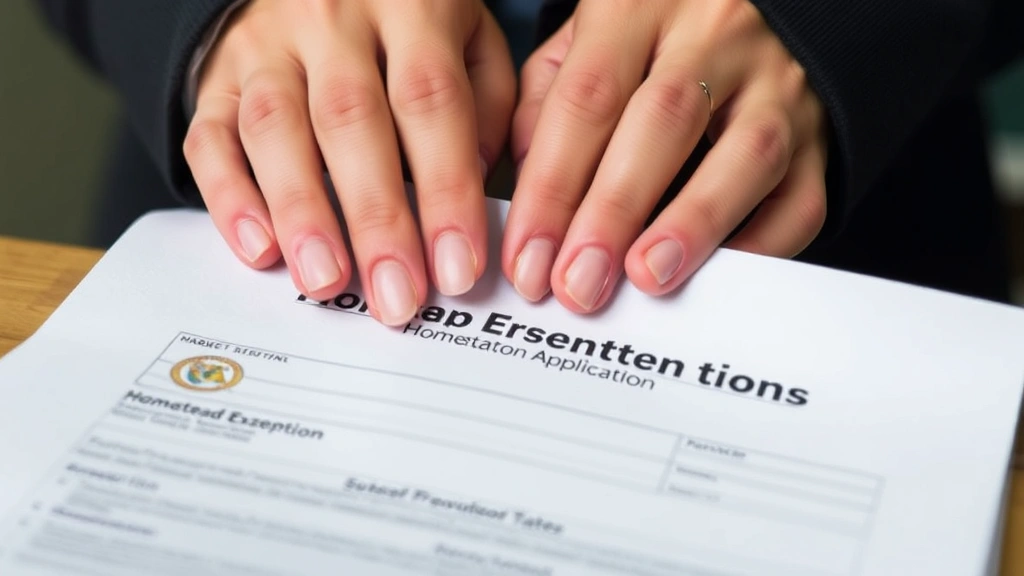
To file an appeal, you’ll typically need to submit a petition to the VAB by the deadline (usually in July). Bring evidence: recent appraisals, photos of needed repairs, comparable sales data, or even a professional appraisal if you’ve had one done. Many homeowners successfully reduce their assessments by 5–15% through this process. If you’re not comfortable doing this alone, hiring a property tax consultant or attorney who specializes in this area often pays for itself within one year.
Explore Senior and Disability Exemptions
If you’re 65 or older, or if you or a family member has a permanent disability, Florida offers additional exemptions beyond the standard homestead exemption. These can stack on top of your homestead exemption, providing even more relief.
The Senior Exemption (also called the “65 and Over Exemption”) provides an additional $50,000 exemption on top of the standard homestead exemption, meaning you could exempt up to $100,000 of your home’s value. The Disability Exemption offers similar benefits for those with documented disabilities. To qualify, you’ll need to provide proof of age or disability status to the Property Appraiser.
This is one of those benefits that people often overlook because they assume they’ve already “maxed out” their exemptions. But Florida law allows stacking, so if you haven’t applied for these additional exemptions, you could be missing out on significant savings. The application process is straightforward and free.
Save Money on Agricultural Land
Do you own land in St Johns County that’s used for agricultural purposes? If so, you may qualify for agricultural land classification, which can dramatically reduce your property taxes. Agricultural land is assessed at a much lower rate than residential or commercial property—sometimes a fraction of the standard rate.
To qualify, your land must be actively used for agriculture (crops, livestock, forestry, etc.), and it typically needs to be at least 5 acres. You’ll need to provide documentation to the Property Appraiser showing your agricultural use, such as proof of income from the land, farm equipment records, or a management plan.
The savings here can be substantial. A 20-acre parcel that might be assessed as “raw land” at a high rate could be assessed at agricultural rates for a fraction of the cost. However, if you sell the land for development, you may owe “rollback taxes”—the difference between what you paid under agricultural classification and what you would have paid at market rates. It’s a trade-off worth understanding before you apply.
Leverage Veterans Property Tax Benefits
Florida recognizes the service of military veterans with property tax exemptions. If you’re a veteran with a service-connected disability rated by the Department of Veterans Affairs, you may qualify for a significant exemption on your homestead property in St Johns County.
The amount of the exemption depends on your disability rating. A 0% disability rating qualifies you for a $5,000 exemption, while a 100% disability rating can exempt up to $500,000 of your home’s assessed value. This is substantial, and many eligible veterans don’t realize they qualify.
To apply, you’ll need to provide your Certificate of Discharge (Form DD-214) and your VA disability rating letter to the Property Appraiser. The process is straightforward, and the savings can be life-changing for veterans on fixed incomes. If you’re a surviving spouse of a veteran who died in service, you may also qualify—check with the Property Appraiser for details.

Understanding Assessment Frequency
Here’s something many homeowners don’t realize: your property is reassessed regularly, and major improvements to your home can trigger a reassessment that increases your taxes. While you can’t avoid paying taxes on legitimate improvements (a new roof, addition, etc.), understanding when and how assessments happen helps you plan.
In Florida, properties are assessed annually, but the assessment is based on the property’s value as of January 1st each year. If you make a major improvement, it may not affect your taxes until the following year. Some homeowners strategically time improvements or sales to minimize tax impact. Additionally, if you’re aware that your neighborhood is experiencing rapid appreciation, you can plan ahead by filing appeals proactively or exploring other exemptions before values spike.
The St Johns County Property Appraiser publishes assessment rolls and value changes annually, so you can track your property’s assessed value over time. If you notice a sudden jump that doesn’t match market conditions, that’s your cue to file an appeal.
Timing Strategies for Tax Savings
Smart property owners think strategically about timing. For example, if you’re planning to sell your home, you might want to do it before a reassessment that would increase the sale price. Conversely, if you’re buying, closing after the January 1st assessment date means you won’t face a reassessment until the following year.
Similarly, if you’re eligible for exemptions but haven’t applied, doing so before your next assessment cycle locks in the savings. The homestead exemption, for instance, is typically applied to the next tax year after you submit your application. Don’t wait—apply as soon as you’re eligible.

For more information on how property taxes work in other Florida counties, check out our guides on Nueces County tax appraisal and Cass County property tax for comparative insights. If you’re also concerned about vehicle taxes, our article on Richland County car taxes covers that angle. And for broader tax context, you might find our piece on whether churches pay taxes on property interesting for understanding different property tax classifications.
Frequently Asked Questions
What’s the deadline to apply for homestead exemption in St Johns County?
The standard deadline is March 1st for the exemption to apply to that tax year. However, the St Johns County Property Appraiser’s office accepts applications year-round, though applying early ensures you don’t miss the deadline. If you miss the March 1st deadline, your exemption will apply to the following tax year.
Can I appeal my property assessment if I disagree with it?
Yes, absolutely. You have the right to appeal your assessment through the Value Adjustment Board (VAB). The petition deadline is typically in July, and you’ll need to provide evidence supporting your claim that the assessed value is too high. Comparable sales data, recent appraisals, and documentation of property condition issues are helpful.
How much can I save with the homestead exemption?
The homestead exemption exempts up to $50,000 of your home’s assessed value from taxation. The actual savings depend on your county’s tax rate, but for most St Johns County homeowners, this translates to $500–$1,500+ in annual savings. Additional exemptions for seniors or veterans can increase savings further.
Do I lose my homestead exemption if I rent out part of my home?
Generally, if you rent out part of your home but it remains your primary residence, you can keep the homestead exemption. However, if you rent out the entire property or use it primarily as a rental, you’ll lose the exemption. Contact the St Johns County Property Appraiser to discuss your specific situation.

What happens if I sell my property—do I get a refund on property taxes?
Property taxes are prorated based on the closing date. If you sell mid-year, you pay taxes only for the portion of the year you owned the property, and the buyer pays for their portion. There’s no refund mechanism, but the proration is handled through escrow at closing.
Are there property tax breaks for new homeowners?
Florida doesn’t offer a specific “new homeowner” exemption, but all homeowners are eligible for the homestead exemption regardless of how long they’ve owned the property. If you’ve recently purchased a home in St Johns County, apply for the homestead exemption immediately to start saving on your next tax bill.
Conclusion
Reducing your St Johns County property tax bill doesn’t require hiring an expensive tax attorney or making major life changes. By claiming the homestead exemption, filing an assessment appeal if warranted, exploring senior and disability exemptions, understanding agricultural classifications, and leveraging veterans benefits, you can save hundreds or even thousands of dollars annually.
The key is to take action. Most of these strategies are free or low-cost, and the deadlines matter. Don’t assume your assessment is accurate or that you’ve claimed all available exemptions—review your situation carefully, gather documentation, and submit applications or appeals before deadlines pass.
If you’re unsure about any of these strategies or your specific situation is complex, consulting with a local property tax professional or CPA who knows St Johns County can be worthwhile. But remember: the goal is to keep more of your hard-earned money, and Florida’s tax laws give you legitimate tools to do exactly that. Start with the homestead exemption if you haven’t already claimed it, then explore the other options based on your circumstances. Your future self will thank you for the effort.


