

St Louis County property tax delays can throw a wrench into your financial planning and leave you wondering about penalties, interest charges, and your payment obligations. Whether you’re a homeowner, investor, or business owner in the county, understanding what causes these delays and how to navigate them is crucial for protecting your wallet and peace of mind.
Table of Contents
Why Delays Happen in St Louis
Property tax delays in St Louis County stem from several sources. The county assessor’s office processes thousands of assessments annually, and staffing constraints, system upgrades, or high volume periods can slow down bill generation and delivery. Additionally, changes in property ownership, appeals, or reassessment disputes can push back when bills actually reach homeowners.
Administrative backlogs aren’t the only culprit. Mail delays from the postal service, outdated mailing addresses on file, and incomplete property records can all contribute to delayed notification. If you’ve recently moved or refinanced, your bill might be headed to an old address while you’re waiting anxiously for it to arrive at your new home.
Economic conditions and budget constraints at the county level also play a role. When municipalities face funding challenges, they may deprioritize billing operations, creating a domino effect that delays the entire tax collection cycle.
Impact on Homeowners & Owners
When property tax bills don’t arrive on time, homeowners face genuine stress. You can’t pay what you haven’t received, yet the county still expects timely payment. This creates a frustrating gray area where you’re technically responsible for a bill you haven’t even seen.
The practical impact is significant. If you have an escrow account through your mortgage lender, delays can disrupt the lender’s ability to pay taxes on your behalf. Your lender needs the bill to process payment, and if it doesn’t arrive, the entire escrow system gets thrown off schedule. This can trigger service issues or even breach notices from your lender.
For investors managing multiple properties, delays multiply the headache. You’re juggling cash flow projections, tenant communications, and financial statements—all while waiting for bills that determine your actual tax liability. Jackson County property taxes follow similar patterns, and many investors across the region report identical frustrations.
Penalties & Interest Charges
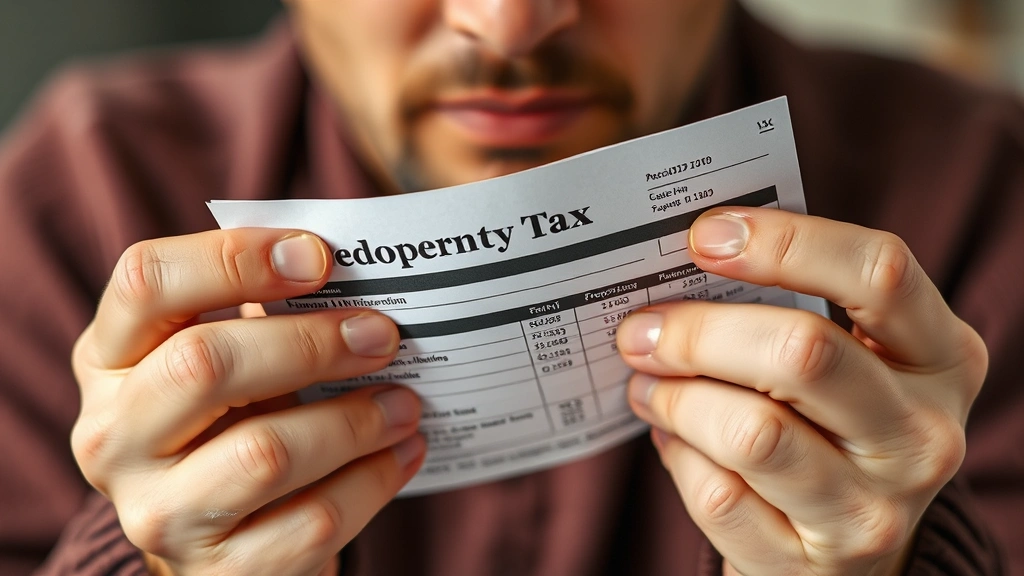
Here’s where delays get expensive. St Louis County charges interest on unpaid property taxes, typically at a rate of 1% per month (12% annually) after the due date. If your bill arrives late but the due date has already passed, you could owe interest on a bill you never received—which feels deeply unfair, because it is.
Late payment penalties can range from 5% to 10% of the unpaid tax amount, depending on how far past the due date you are. Some counties offer a grace period, but St Louis County’s policies can be strict. The longer a bill goes unpaid, the faster interest and penalties accumulate.
The county may also file a tax lien against your property if taxes remain unpaid for an extended period. This lien clouds your title and can prevent you from selling or refinancing until it’s satisfied. In extreme cases, the county can foreclose on your property to recover unpaid taxes.
How to Check Payment Status
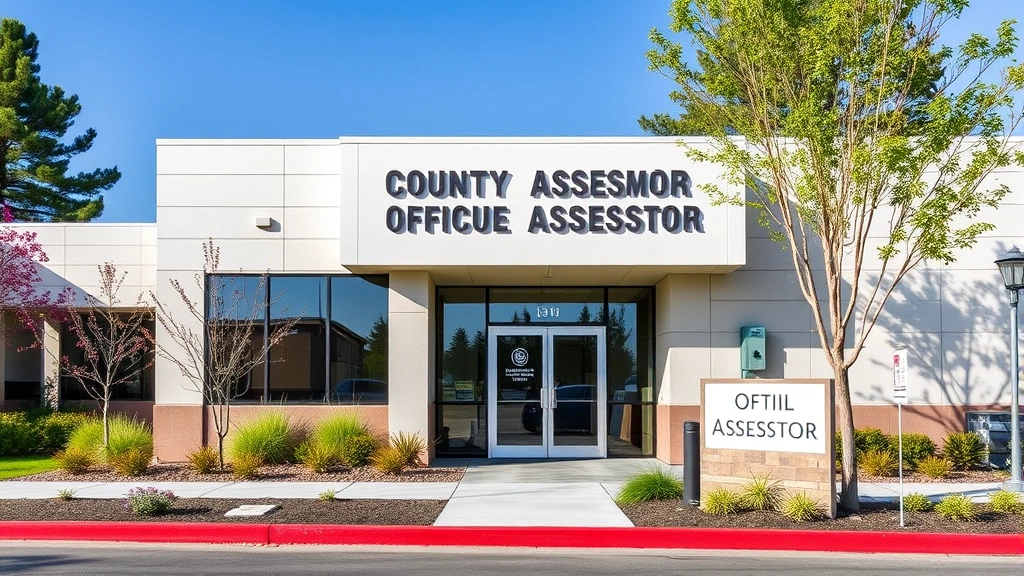
Don’t wait passively for a bill that might never arrive. The St Louis County Assessor’s Office maintains online records where you can look up your property and verify your assessed value, owner information, and payment history. Visit the county assessor’s website and use their property search tool—it’s free and accessible 24/7.
If you can’t find your property information online, call the assessor’s office directly. Have your property address and parcel number ready. Ask specifically whether your bill has been generated, mailed, and what the current payment status shows. Document the date and name of the person you speak with.
For mortgage escrow accounts, contact your lender’s escrow department. They may have received the bill even if you haven’t, and they can confirm whether payment has been made on your behalf. This conversation often reveals whether the delay is on the county’s end or the postal service’s end.
If you suspect your address is incorrect in the county system, request an update immediately. This is a common culprit in delayed bill delivery and is easily fixable if caught early.
Payment Options Available
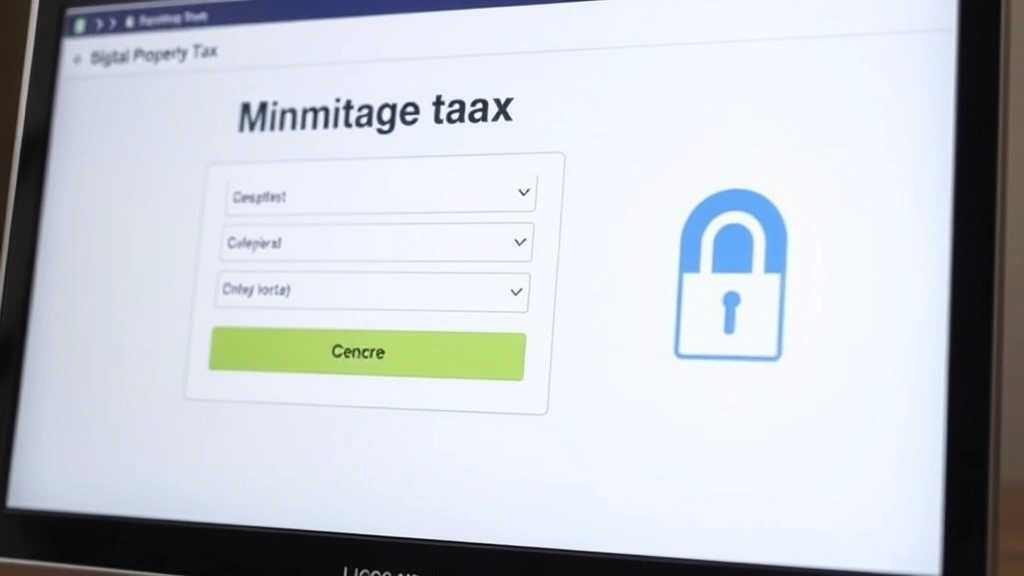
Once you’ve located your bill or confirmed the amount owed, you have several payment methods. The St Louis County Collector’s Office accepts payments online through their official website, by mail, in person at their office, or sometimes by phone. Online payment is fastest and provides immediate confirmation.
If you’re paying by mail, send your check to the address listed on your bill and allow 10-14 business days for processing. Keep a copy of the check or payment receipt for your records. If you’re paying in person, bring your bill and payment method to the collector’s office during business hours.
Some taxpayers set up automatic payment arrangements with their mortgage lender’s escrow account, which removes the burden of manual payment. However, you still need to verify that the correct amount is being escrowed each year, especially after reassessments.
Payment plans or installment options may be available if you’re facing genuine hardship. Contact the collector’s office to inquire about deferment programs or payment arrangements that could ease your cash flow burden.
Communicating with Assessor
When dealing with county offices, clear communication is your best tool. If you haven’t received your bill by a certain date, don’t assume it’s coming—reach out proactively. Send a written request (email or certified mail) asking for a copy of your bill and confirmation that your address is correct.
Document every interaction. Keep records of phone calls (date, time, person’s name, what was discussed), emails, and letters. If a dispute arises later about whether you were notified or when you paid, this documentation protects you.
If the county made an error—such as mailing your bill to the wrong address or failing to process your payment—request written acknowledgment of the mistake. This can be critical if you later face penalties or interest charges that you believe were the county’s fault.
Be professional and calm, even when frustrated. County staff deal with angry taxpayers all day, and courtesy often results in better service. Ask for supervisory review if you feel you’re not getting satisfactory answers.

Tax Relief & Assistance Programs
St Louis County offers several relief programs for eligible taxpayers. Homestead property tax exemptions reduce assessed value for primary residences, lowering your overall tax bill. Senior citizens, disabled veterans, and low-income homeowners may qualify for additional exemptions or deferrals.
The Homestead Property Tax Credit, administered at the state level, provides a rebate to eligible Missouri homeowners. If your household income falls below certain thresholds, you may receive a credit that offsets property tax payments. Check the Missouri Department of Revenue website for current income limits and application procedures.
If you’re experiencing financial hardship, some counties offer tax deferment programs that allow you to postpone payment temporarily. Interest still accrues, but you gain breathing room to stabilize your finances. Personal property tax in Jackson County has similar relief structures, so if you own property in multiple counties, investigate each jurisdiction’s offerings.
Property tax appeals are another avenue if you believe your assessment is incorrect. If your assessed value is higher than comparable properties, you can file an appeal with the county assessor’s office. A successful appeal lowers your assessed value and reduces future tax bills.
Preventing Future Delays
Once you’ve navigated a delay, take steps to prevent the next one. Maintain an accurate address with the county assessor and the postal service. Update your address immediately after moving, and consider using a permanent mailing address (like a PO box) if you relocate frequently.
Set calendar reminders for when property tax bills are typically issued in your county. If you don’t receive your bill within a reasonable timeframe, call the assessor’s office before the due date. Proactive follow-up beats reactive scrambling.
Consider enrolling in automatic payment through your mortgage lender if you have one. This removes personal responsibility for remembering due dates and reduces the risk of accidental late payment. However, verify the escrow amount annually to ensure it’s adequate.

Keep copies of every property tax bill and payment receipt for at least seven years. This documentation protects you if disputes arise and helps you track your tax history for refinancing or sale purposes.
Other Missouri County Approaches
Understanding how other Missouri counties handle property taxes provides perspective on St Louis County’s system. Sangamon property tax operates under different state rules (Illinois), but the underlying principles of assessment and collection are similar across the Midwest.
Some Missouri counties have modernized their billing systems and now offer email notifications, text alerts, and online account portals. St Louis County has made progress in this area, but adoption rates remain uneven. Checking whether your county offers these services could eliminate notification delays entirely.
Neighboring counties sometimes offer taxpayer assistance programs or ombudsman services to help resolve disputes. If St Louis County’s standard channels aren’t resolving your issue, research whether the county has an ombudsman or taxpayer advocate office.
For those managing property across state lines, Indiana property tax lookup tools and California property tax due dates follow different schedules and rules. Maintaining a master calendar for all your properties prevents cross-state confusion.
Frequently Asked Questions
What should I do if I never received my St Louis County property tax bill?
Contact the St Louis County Assessor’s Office immediately to verify your address and confirm that a bill was generated. Request a duplicate bill be mailed or emailed to you. If the due date is approaching, ask whether you can pay online or by phone to avoid late penalties while the physical bill is in transit.
Can I be penalized for late payment if the county mailed my bill late?
This is a gray area that varies by county policy. Some jurisdictions waive penalties if the taxpayer can prove the bill was mailed after a certain date. Document everything and request written acknowledgment from the county if they admit to a mailing delay. You may have grounds to appeal any penalties assessed.
How long do St Louis County property tax delays typically last?
Most delays resolve within 2-4 weeks if you follow up proactively. However, complex issues like address corrections or assessment disputes can take 6-8 weeks or longer. The key is not waiting passively—call and follow up regularly.
What if I paid my property taxes but the county says they never received payment?
This happens occasionally with mail delays or processing errors. If you have a cancelled check or online payment confirmation, you have proof of payment. Send copies to the collector’s office and request they investigate. Most issues resolve once documentation is provided.
Are there penalties for paying property taxes early?
No. Paying early never incurs penalties and actually protects you from late charges if delays occur. Some taxpayers pay as soon as they receive their bill to eliminate the risk entirely.
Can I deduct St Louis County property taxes on my federal return?
Yes, property taxes are generally deductible on Schedule A (itemized deductions) up to $10,000 annually (combined state, local, and property taxes). Keep detailed records of all property tax payments for tax preparation purposes.
What happens if property taxes go unpaid for several years?
The county can file a tax lien, which clouds your property title and prevents sale or refinancing. Eventually, the county may foreclose and sell your property at a tax sale to recover unpaid taxes. Contact the collector’s office immediately if you’re struggling to pay—deferment or payment plans may be available.
Taking Control of Your Property Tax Obligations
St Louis County property tax delays are frustrating, but they’re manageable when you understand the system and take proactive steps. Don’t assume that a delayed bill will magically appear—reach out to the assessor’s office, verify your information, and confirm payment status regularly. Document every interaction and keep detailed records of bills and payments.
If delays do occur, understand your rights regarding penalties and interest. Many situations can be resolved through communication and documentation. If you qualify for relief programs like homestead exemptions or tax credits, apply for them to reduce your overall burden.
Most importantly, prevent future delays by maintaining accurate address information, setting calendar reminders, and considering automatic payment through your mortgage lender. A few hours of proactive management each year saves you from the stress and expense of dealing with late payments and penalties.
For additional insights on property tax management across different regions, explore resources on property tax relief in New Jersey to see how other states approach similar challenges. Each jurisdiction has unique rules, but the fundamental principle remains the same: stay informed, communicate clearly, and document everything.


