

Summit County Ohio property tax is a critical financial consideration for homeowners and property investors in the Akron area. Whether you’re buying your first home, managing rental properties, or planning your retirement, understanding how property taxes work in Summit County can save you thousands of dollars and help you make smarter real estate decisions.
Property taxes fund essential local services—schools, roads, emergency services, and libraries. But that doesn’t mean you can’t be strategic about what you pay. This guide walks you through the tax rates, assessment process, exemptions, and legitimate strategies to reduce your tax burden.
Table of Contents
How Summit County Taxes Are Calculated
The math behind Summit County property taxes isn’t complicated, but it does involve several moving parts. Here’s how it works: your property tax bill equals your property’s assessed value multiplied by the millage rate (expressed as mills per $1,000 of value).
Let’s say your home is assessed at $250,000 and the combined millage rate in your area is 55 mills. That means you’d owe $250,000 ÷ $1,000 × 55 = $13,750 annually. Sound high? Many Summit County residents feel the same way, which is why understanding the process matters so much.
The assessed value isn’t necessarily what you paid for your home or what it’s worth on the open market today. The Summit County Auditor’s office determines assessed values through periodic reappraisals. In Ohio, properties are supposed to be revalued every six years, though this timeline can vary.
Current Tax Rates & Millage
Summit County’s effective property tax rate hovers around 1.5% to 1.6% of home value, which is slightly below the Ohio average of 1.56%. However, the actual millage rate you pay depends on where your property sits within the county—different school districts, townships, and municipalities add their own levies.
For example, Akron City Schools has one millage rate, while a property in Hudson or Twinsburg might have a different rate entirely. Your property tax bill is a combination of:
- County operations (sheriff, courts, social services)
- School district levies (the largest portion for most homeowners)
- Township or city services (roads, police, fire)
- Special district levies (libraries, parks, utilities)
To find your exact millage rate, visit the Summit County Auditor’s website or call their office at (330) 643-2250. They can provide a breakdown of every levy affecting your specific property.
Understanding the Assessment Process
Your property’s assessed value is the foundation of your tax bill. The Auditor’s office uses comparable sales, income approaches (for rental properties), and cost approaches to determine value. They’re not trying to be unfair—they’re trying to ensure all properties are valued equitably.
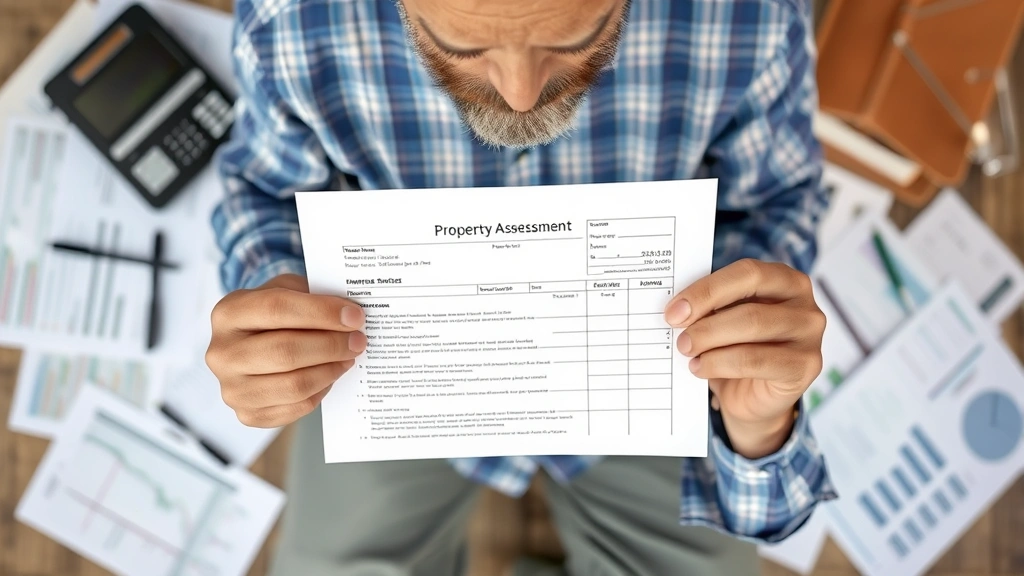
Here’s what happens: Every three years, the county conducts a triennial update to adjust values based on market trends. If your neighborhood has appreciated significantly, your assessment will likely increase. If the market has softened, it might decrease.
The key thing to understand is that assessed value ≠ market value. In Ohio, property is assessed at 35% of true value. So if your home is worth $300,000 on the market, the assessed value would be approximately $105,000. This is called the 35% rule, and it’s important for understanding your assessment notice.
Homestead & Senior Exemptions
Ohio offers several exemptions that can meaningfully reduce your property tax burden. The most common is the homestead exemption, which provides a $50,000 exemption from assessed value if you own and occupy your primary residence.
Here’s the math: If your assessed value is $150,000 and you qualify for the homestead exemption, your taxable value becomes $100,000. That’s a 33% reduction right there.
Additional exemptions in Summit County include:
- Senior Citizen Exemption: Homeowners 65+ can receive up to a $50,000 exemption (amount varies by income)
- Disabled Person Exemption: Similar to senior exemptions, available to disabled property owners
- Agricultural Use Exemption: For properties actively used for farming
- Non-Profit Exemption: For charitable, religious, or educational organizations
If you haven’t claimed the homestead exemption, you’re leaving money on the table. The application is straightforward and can be filed with the Auditor’s office. There’s no income limit for the basic homestead exemption—if you own and occupy the property, you qualify.
How to Protest Your Assessment
If you believe your assessment is unfair, you have the right to protest. This is one of the most underutilized tax-saving tools available. Many homeowners simply accept their assessment without question, but you don’t have to.
The process involves three steps:

Step 1: File a Complaint
You have 30 days from when you receive your assessment notice to file a complaint with the Summit County Board of Revision. The deadline is typically in late February or early March. You can file online through the county’s website or submit a paper form.
Step 2: Gather Evidence
Prepare documentation supporting your argument. This might include:
- Recent appraisals
- Comparable sales in your neighborhood
- Photos of any property defects or needed repairs
- Documentation of market conditions
- Professional appraisal reports
Step 3: Attend the Hearing
The Board of Revision will schedule a hearing. You can represent yourself or hire a property tax attorney. Many homeowners find success simply presenting comparable sales data showing their property is overvalued compared to similar homes.
If you’re not satisfied with the Board’s decision, you can appeal to the Ohio Board of Tax Appeals, though this involves additional fees and complexity. Consider consulting a property tax professional if your assessment is significantly higher than comparable properties.
Practical Tax Savings Strategies
Beyond exemptions and protests, here are proven strategies to reduce your Summit County property tax burden:
1. Challenge Incorrect Valuations
Errors happen. The Auditor’s office might have incorrect square footage, number of bathrooms, or property condition recorded. Request a copy of your property record card and verify every detail. If something’s wrong, file a complaint with the Board of Revision.
2. Document Property Defects
Significant repairs needed—a roof nearing replacement, foundation issues, outdated HVAC—can justify a lower assessment. Photograph problems and include repair estimates in your protest filing.
3. Monitor Your Neighborhood
Track recent sales of similar homes. If homes comparable to yours sold for significantly less than your assessed value suggests, you have strong grounds for a protest. The Board of Revision relies heavily on comparable sales data.
4. Time Your Home Improvements Wisely
Major renovations increase assessed value. If you’re planning upgrades, consider timing them strategically relative to the triennial update cycle. Improvements completed right before a revaluation will increase your assessment more than improvements made right after.
5. Explore Investment Property Strategies
If you own rental property in Summit County, you might qualify for different valuation approaches. Income-based valuations sometimes result in lower assessments than market-based approaches. Consult a property tax professional about your specific situation.
For context on how these strategies compare across Ohio, check out our guides on Morgan County property tax and Orange County property tax rates to see how Summit County stacks up.
Special Programs & Relief Options
Summit County and the state of Ohio offer several additional programs that might apply to your situation:
Homestead Property Tax Exemption Enhancement
Recent changes to Ohio law expanded homestead exemption benefits. Make sure you’re taking full advantage of current rules—they may have changed since you last filed.
Surviving Spouse Exemption
If your spouse recently passed away, you may qualify for continued exemption benefits. This is time-sensitive, so contact the Auditor’s office immediately.
Tax Increment Financing (TIF) Districts
Some areas of Summit County have TIF districts designed to encourage development. If your property is in a TIF district, your assessment might be frozen at a lower level for a specified period. Check with your local municipality to see if this applies.
Manufactured Home Exemptions
If you own a manufactured home, different rules may apply. Ohio has specific exemptions and tax treatment for mobile homes.

For broader context on Ohio property tax issues, including inheritance considerations, review our inheritance tax Ohio guide.
Common Mistakes to Avoid
After years of helping clients navigate property taxes, I’ve seen these mistakes repeatedly:
Mistake #1: Missing the Protest Deadline
The 30-day window is firm. Missing it means waiting another year to challenge your assessment. Circle the date on your calendar when you receive your notice.
Mistake #2: Not Claiming Available Exemptions
If you’re a senior, disabled, or a veteran, you might qualify for exemptions you haven’t claimed. Contact the Auditor’s office to verify your eligibility.
Mistake #3: Underestimating Comparable Sales Data
The Board of Revision is most persuaded by recent sales of similar properties. If you’re protesting, bring data. Anecdotal arguments about “what homes used to cost” don’t carry weight.
Mistake #4: Ignoring Triennial Updates
When the county revalues properties every three years, your assessment can jump significantly. Review your notice carefully and plan to protest if the increase seems unreasonable.
Mistake #5: Assuming You Can’t Win
Many people assume the Auditor’s office is infallible. They’re not. Thousands of property owners successfully challenge assessments every year. If you have evidence, it’s worth fighting.
Frequently Asked Questions
What’s the difference between assessed value and market value?
Assessed value is 35% of true market value in Ohio. A home worth $300,000 on the market has an assessed value of approximately $105,000. Your property tax bill is based on assessed value, not market value.

When do I receive my property tax bill in Summit County?
Property tax bills are typically mailed in December for the following year. Payments are usually due in two installments: January 31 and July 31. Check the Summit County Treasurer’s office for exact dates.
Can I appeal a Board of Revision decision?
Yes. You can appeal to the Ohio Board of Tax Appeals within 30 days of the Board of Revision’s decision. This involves additional fees and complexity, so consult a tax professional before proceeding.
Do homestead exemptions apply to investment properties?
No. The homestead exemption only applies to properties you own and occupy as your primary residence. Rental properties and vacation homes don’t qualify.
How often does Summit County reassess property values?
Summit County conducts triennial updates every three years to adjust values based on market conditions. Full reappraisals happen less frequently but are required periodically by state law.
What if I disagree with my property’s square footage on the assessment?
Request a copy of your property record card from the Auditor’s office. If the square footage is incorrect, file a complaint with the Board of Revision. Errors in basic property data are often corrected quickly.
Are there programs for low-income homeowners in Summit County?
Ohio offers homestead exemptions regardless of income, but some senior and disabled exemptions have income limits. Contact the Auditor’s office to determine your eligibility for all available programs.
Final Thoughts
Summit County Ohio property tax doesn’t have to feel like a burden you simply accept. You have legitimate tools to reduce your tax bill—exemptions, assessment protests, and strategic property decisions. The key is understanding how the system works and taking action.
Start by verifying your exemption status and reviewing your assessment notice carefully. If your assessed value seems high compared to recent sales in your area, file a protest. These steps take a few hours but can save you hundreds or thousands of dollars annually.
If you own property in other Ohio counties, the principles are similar, though rates and specific programs vary. Check out our guides on Crow Wing County property tax and McHenry County property tax to compare approaches across different regions.
Remember: property tax assessors are public servants, not adversaries. They’re required to assess fairly and equitably. If you have evidence that your property is overvalued, they’ll listen. Being informed and proactive is your best defense against overpaying.


