
Getting a call from a tax resolution center can send your heart racing. Whether it’s about back taxes, payment plans, or IRS negotiations, these calls carry real weight—and that’s exactly why you need to know what you’re dealing with before you pick up the phone. Let me walk you through everything you need to understand about tax resolution center calls, how to spot the legitimate ones, and what your actual rights are when the IRS comes calling.
Table of Contents
What Are Tax Resolution Center Calls?
Tax resolution center calls come from organizations offering to help you settle tax debt with the IRS. Some of these are legitimate tax firms, CPAs, and enrolled agents. Others? They’re scams designed to extract money from people already stressed about their tax situation.
A genuine tax resolution center call typically comes after you’ve already received IRS notices about unpaid taxes. The caller might offer to negotiate on your behalf, set up installment agreements, or explore options like an Offer in Compromise (where the IRS accepts less than you owe). The problem is that many people don’t realize they can do much of this themselves—or that some callers are outright fraudsters.
The IRS itself doesn’t typically call first. They send written notices. So if someone calls claiming to be from the IRS threatening immediate arrest or wage garnishment, that’s almost always a scam.
How to Spot Legitimate vs. Scam Calls
Here’s the hard truth: scammers are getting better at sounding official. But there are red flags that separate the real deal from the con artists.
Scam Warning Signs:
- Demanding immediate payment over the phone
- Threatening arrest, license suspension, or deportation
- Refusing to give you time to verify their credentials
- Asking for payment via gift cards, wire transfer, or cryptocurrency
- Claiming you owe taxes you don’t recognize
- Pressuring you to act “right now” or “today”
- Refusing to provide a callback number or case reference
Legitimate Call Indicators:
- Caller provides a specific case number
- They reference actual IRS notices you’ve received
- They explain your options without pressure
- They’re willing to communicate via mail
- They allow you time to verify their credentials
- They discuss payment plans, not just lump sums
- They mention your right to representation
If you’re unsure, hang up and call the IRS directly at 1-800-829-1040. Don’t use a number the caller provides—look it up yourself on IRS.gov.
Your Rights When the IRS Calls
The IRS has rules about how and when they can contact you. Understanding these protections is crucial.
Under the Fair Debt Collection Practices Act and IRS guidelines, you have the right to:
- Request written notice: You can ask the IRS to communicate with you in writing instead of by phone. This gives you time to think and verify information.
- Representation: You can have a CPA, enrolled agent, or tax attorney represent you. Once you provide a Power of Attorney (Form 2848), the IRS must contact your representative, not you directly.
- Know who’s calling: The caller must identify themselves, their agency, and the reason for the call within the first 30 seconds.
- Reasonable timing: The IRS won’t call before 8 a.m. or after 9 p.m. your local time, unless you agree.
- Verification: You can ask for the caller’s name, badge number, and callback number, then verify independently before discussing anything.
Here’s what many people don’t know: if you’re already working with a tax professional or have one on your side, those calls often stop entirely. The IRS prefers dealing with professionals who know the rules.
What to Do Before You Answer
If you’ve received IRS notices or suspect you might owe back taxes, preparation is your best defense.
Step 1: Gather Your Documents
Before any conversation, collect:
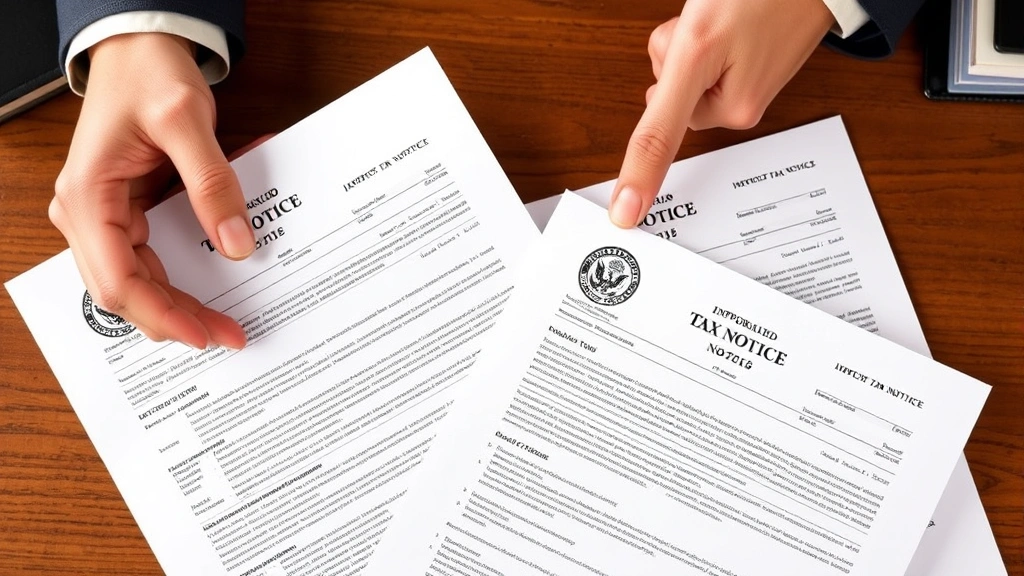
- All IRS notices and letters (keep these—they have critical information)
- Your last few years of tax returns
- Pay stubs and income documentation
- Records of any payments you’ve already made
- Business records if self-employed
Step 2: Check Your Tax Account
Visit IRS.gov/account to create an online account and see your actual balance. This prevents scammers from claiming you owe money you don’t.
Step 3: Know Your Financial Picture
Before talking to anyone, be honest about:
- How much you actually owe
- What you can realistically pay monthly
- Your current income and expenses
- Whether you have assets or savings
Step 4: Decide if You Need Help
Not every tax situation requires professional help. Simple installment agreements? You can set those up yourself. Complex situations like Offers in Compromise or back taxes spanning multiple years? That’s when professional help saves money.
During the Call: Key Questions to Ask
If you decide to take the call, you’re in control. Ask these questions before discussing anything sensitive:

Verification Questions:
- “What’s your full name and badge number?”
- “What agency are you calling from?”
- “What’s your callback number?” (Verify it independently)
- “Can you send me written documentation of what you’re claiming?”
Understanding Your Situation:
- “Which tax year or years does this involve?”
- “What’s the exact amount I owe, including penalties and interest?”
- “How did you calculate this amount?”
- “Do you have documentation I can review?”
Your Options:
- “What payment options are available to me?”
- “Can I set up an installment agreement?”
- “Am I eligible for an Offer in Compromise?”
- “What happens if I can’t pay in full?”
- “Can I have time to consult with a tax professional?”
Never:
- Agree to anything on the spot
- Provide bank account or credit card info over the phone
- Send money immediately
- Commit to a payment you can’t sustain
A legitimate caller will respect these questions. A scammer will get frustrated or hang up.
Payment Plans and Resolution Options
If the call is legitimate and you do owe taxes, here’s what’s actually available to you:
Short-Term Extension (120 days)
If you need a little breathing room, you can request a short-term extension to pay. This buys you time without formal paperwork, though interest and penalties keep accruing.
Installment Agreements
You can pay back taxes in monthly installments. The IRS offers:

- Guaranteed installment agreements for amounts under $25,000
- Streamlined agreements for amounts under $50,000
- Long-term agreements for larger amounts
You’ll pay a setup fee (usually $31-$225 depending on the type) and interest, but you avoid wage garnishment or bank levies if you stick to the agreement.
Offer in Compromise (OIC)
This is where you settle for less than you owe. You might qualify if:
- You genuinely can’t pay the full amount
- Your financial situation has changed significantly
- You’ve had collection issues
The IRS accepts roughly 30% of OIC applications, and they’re complex to prepare. This is where hiring a professional often pays for itself.
Currently Not Collectible Status
If you’re experiencing genuine hardship, the IRS can temporarily pause collection while you get back on your feet. Interest and penalties still accrue, but collection actions stop.
After the Call: Your Next Steps
Once the call ends, don’t just sit on the information. Take action.
Document Everything
Write down:
- Caller’s name and badge number
- Date and time of call
- What was discussed
- Any agreements or next steps mentioned
- Callback number provided
Verify Independently

Call the IRS directly or check your online account. Confirm:
- The amount owed matches what they said
- The tax years are correct
- Any agreements mentioned are actually in the system
Get Everything in Writing
Before making any payments, insist on written confirmation of:
- The payment plan terms
- Monthly payment amounts
- Due dates
- Where to send payments
- What happens if you miss a payment
The IRS will mail this to you. If they won’t, that’s a red flag.
Set Up Automatic Payments
If you’ve agreed to installments, set up automatic payments from your bank account. This ensures you don’t miss a payment and lose the agreement. You can do this through IRS.gov/payments.
When to Hire Professional Help
You don’t always need a professional, but certain situations almost demand one.
Hire a Professional If:
- You owe more than $25,000
- You’re pursuing an Offer in Compromise
- You have multiple years of unfiled returns
- You’re self-employed with complex tax situations
- You’re facing wage garnishment or bank levies
- State tax agencies are also involved
- You’re unsure whether you actually owe what they claim
Types of Professionals:
- Enrolled Agents: IRS-certified, can represent you before the IRS, typically $150-300/hour
- CPAs: Comprehensive tax knowledge, can represent you, usually $200-400+/hour
- Tax Attorneys: Legal protection, best for complex or adversarial situations, $300-600+/hour
Many tax professionals work on flat fees for specific services (like preparing an OIC), which can be more predictable than hourly billing. Some even offer payment plans themselves.

When you hire representation, provide them with IRS Form 2848 (Power of Attorney). Once filed, the IRS contacts them, not you. That alone reduces stress significantly.
Frequently Asked Questions
Can the IRS really call me without warning?
Yes, but they usually send written notice first. If you’ve received IRS letters about unpaid taxes, a phone call is more likely legitimate. However, the IRS won’t call threatening immediate arrest—that’s always a scam. The IRS initiates contact through mail for serious matters.
What if I can’t afford to pay anything right now?
Tell them. Seriously. The IRS has hardship provisions. You might qualify for Currently Not Collectible status, which pauses collection efforts while you stabilize financially. It’s not forgiveness (interest and penalties keep accruing), but it buys time. This is one area where honesty works in your favor.
Should I ever give bank account information over the phone?
No. Not to anyone claiming to be from the IRS, a tax resolution center, or anywhere else. If you’re setting up automatic payments, do it through the official IRS website or after receiving written confirmation. Legitimate organizations will never ask for banking details over an unsolicited call.
What’s the difference between tax resolution and tax relief?
“Tax relief” is a broad term covering any method to reduce what you owe (payment plans, OICs, hardship status). “Tax resolution” typically means settling the debt through negotiation or structured payment. Both are legitimate concepts, but scammers use these terms loosely to sound official.
Can I record the call?
It depends on your state. Some states require all parties to consent to recording (two-party consent states). Others allow one-party recording. Check your state’s laws before recording. Even if legal, recording might not be necessary—just take detailed notes instead.
What if the caller is rude or threatening?
Hang up. Legitimate IRS representatives are professional, even when discussing serious debt. If someone is threatening, yelling, or being abusive, it’s either a scammer or someone you don’t want representing you. End the call and report it to the Treasury Inspector General for Tax Administration (TIGTA) at TIGTA.gov.
How long does tax resolution typically take?
It varies wildly. A simple installment agreement might be set up in days. An Offer in Compromise can take 6-24 months. If you’re dealing with multistate tax issues, add more time. This is another reason to get professional help—they can manage timelines and follow up.
Will resolving back taxes hurt my credit?
Tax liens and levies will damage your credit. But setting up a payment plan actually helps—it shows you’re addressing the debt responsibly. An Offer in Compromise might ding your credit initially, but it’s often better than ongoing collection efforts.
The Bottom Line
Tax resolution center calls can be legitimate lifelines or elaborate scams. The difference comes down to your preparation and vigilance. Know your rights, verify before you trust, and don’t let pressure push you into agreements you can’t keep.
Remember: the IRS isn’t going anywhere, and neither is your debt. Taking time to understand your options—whether you handle it yourself or hire professional help—almost always saves money and stress compared to reacting in panic.
If you receive a call you’re unsure about, hang up, gather your documents, and call the IRS directly. That 10-minute verification could save you thousands. And if you’re already deep in back taxes, a consultation with a CPA or enrolled agent often costs less than the mistakes people make trying to handle it alone.
You’ve got this. Just make sure you’re dealing with the real thing first.