

A tax stamp for a suppressor is a federal approval document required by the ATF (Bureau of Alcohol, Tobacco, Firearms and Explosives) that allows you to legally own, possess, and use a firearm suppressor in the United States. If you’re considering purchasing a suppressor, understanding the tax stamp process is essential—it’s not just about paying a fee, but navigating federal regulations, paperwork, and approval timelines that can take months.
Table of Contents
What Is a Suppressor Tax Stamp?
A suppressor tax stamp is your proof of federal authorization to own a suppressor (also called a silencer). It’s literally a stamp that gets placed in your ATF paperwork, signifying that you’ve paid the $200 federal excise tax and received approval from federal authorities. Think of it as a license—without it, possessing a suppressor is a federal crime that can result in felony charges, significant fines, and imprisonment.
The tax stamp requirement dates back to the National Firearms Act of 1934. While the $200 fee hasn’t changed since then (which is wild when you account for inflation), the process has modernized somewhat with digital filing options through eForm 4 (the electronic application form). The stamp itself is a physical document you’ll receive in the mail once approved, and you’re legally required to keep it with your suppressor or in a safe location.

NFA Regulations Explained
The National Firearms Act (NFA) is the federal law governing suppressors, short-barreled rifles, machine guns, and other “restricted” firearms and accessories. Under NFA rules, suppressors fall into the category of “Title II weapons,” which means they’re heavily regulated at the federal level. The ATF’s official NFA guidelines outline exactly what you can and cannot do with a suppressor.
Here’s what you need to know: the NFA requires that anyone possessing a suppressor must have registered it with the federal government and paid the tax. There are no exceptions for hunters, sport shooters, or hearing protection purposes—the law is the law. Some states add their own restrictions on top of federal requirements, which we’ll cover later. The good news is that once you have your tax stamp, you can legally use your suppressor across state lines (as long as you’re not traveling to a state where suppressors are prohibited).

Cost and Approval Timeline
The federal tax stamp costs $200, and this fee hasn’t increased since 1934. However, you’ll also need to factor in other costs: the suppressor itself (typically $300–$1,000+), dealer transfer fees ($25–$50), and fingerprinting/background check fees ($15–$50, depending on your local sheriff’s office).
As for timeline, here’s where patience becomes a virtue. Before eForm 4 became available in 2021, applicants waited 9–12 months on average. With eForm 4, processing times have improved significantly, but you’re still looking at 2–4 months in most cases. Some applications process faster, while others take longer depending on ATF workload and any issues with your application. During this waiting period, you cannot legally take possession of your suppressor from the dealer—it stays in their vault until your tax stamp is approved.
Application Process Steps
Let’s break down the actual steps you’ll take to get your tax stamp:
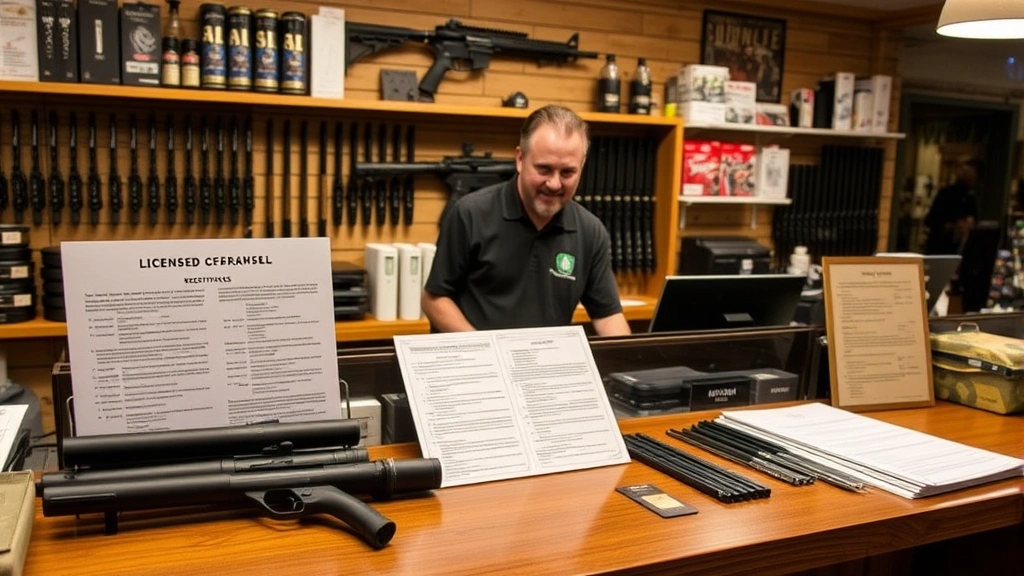
Step 1: Find an NFA Dealer – Not all gun dealers handle NFA transfers. You’ll need to find a dealer in your area who is licensed to process suppressor transfers. Call ahead and confirm they handle NFA items and understand eForm 4 procedures.

Step 2: Select Your Suppressor – Once you’ve found a dealer, choose your suppressor and complete the purchase. The dealer will initiate the NFA transfer process on your behalf.
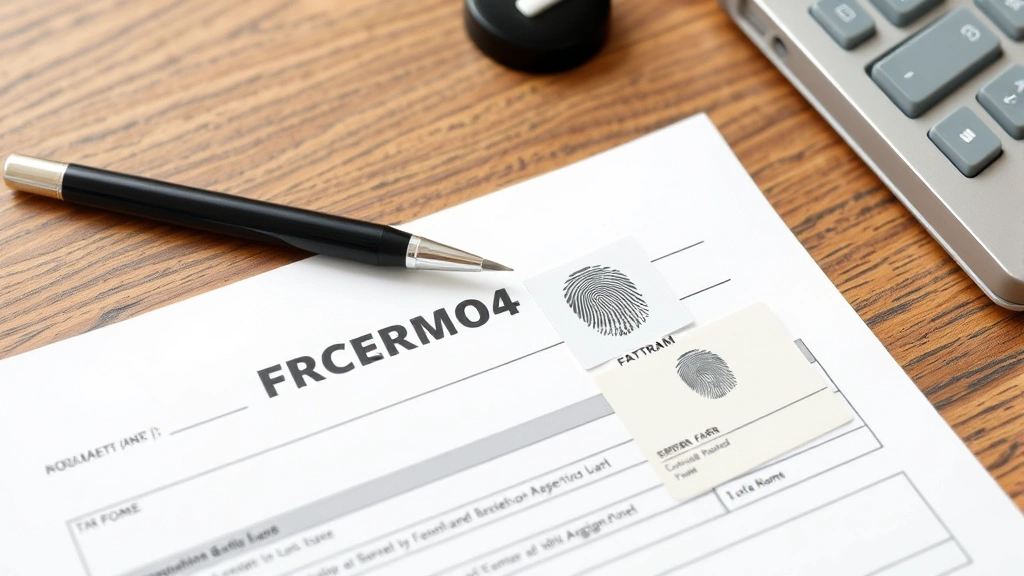
Step 3: Complete Form 4 (eForm 4) – You’ll fill out ATF Form 4 (Application to Register a Firearm) electronically through the ATF’s eForm system. This form requires detailed information about you, the suppressor, and your responsible person (if applicable). Make sure every detail is accurate—typos can delay approval.

Step 4: Pay the $200 Tax – Submit your $200 federal excise tax payment along with your Form 4. The ATF accepts payment through their online portal.
Step 5: Wait for Approval – Once submitted, the ATF processes your application. You can check status online, but don’t expect frequent updates. Approval timelines vary, but 2–4 months is typical with eForm 4.
Fingerprinting and Background Check
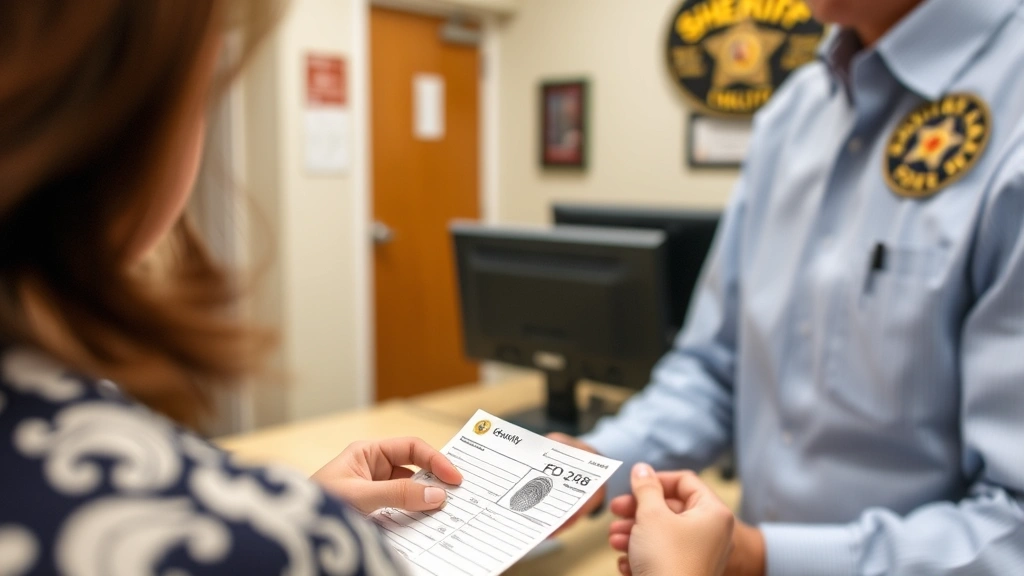
Here’s a critical step many first-timers miss: you’ll need to get fingerprinted and submit those prints with your Form 4. The ATF requires two sets of fingerprints on FD-258 cards (the standard FBI fingerprint card). You’ll take these to your local law enforcement agency—typically your county sheriff’s office—and they’ll roll your prints for you.
The background check is automatic and happens during the ATF’s review of your application. The ATF will run your name through federal and state databases to ensure you’re not prohibited from owning firearms. If you have felony convictions, domestic violence convictions, or certain other disqualifying factors, your application will be denied. It’s straightforward: if you can legally own a gun, you can legally own a suppressor (assuming state law permits it).

Pro tip: Get your fingerprints done early in the process, not at the last minute. Some sheriff’s offices have backlogs, and you don’t want to delay your application submission waiting for prints.
Common Application Mistakes
After reviewing countless applications, here are the mistakes that cause delays or denials:
Typos and Inconsistencies – If your name on Form 4 doesn’t match your ID exactly, or if you misspell the suppressor manufacturer or model, the ATF will flag it. Slow down and triple-check every field.
Incomplete Fingerprint Cards – Make sure both fingerprint cards are properly completed with all required information. Smudged or incomplete prints require resubmission.

Wrong Form or Outdated Instructions – Always use the current version of Form 4 and follow the ATF’s latest eForm 4 instructions. The process has evolved, and using old procedures wastes time.
Forgetting the $200 Payment – You must submit payment with your Form 4. No payment, no processing.

Not Including Responsible Person Documentation – If you’re applying as a trust or corporation, you need to include documentation for all responsible persons. Missing this causes automatic delays.
State and Local Restrictions
Here’s the reality: federal law allows suppressors, but 8 states currently prohibit them entirely: California, Delaware, Illinois, New Jersey, New York, Rhode Island, Vermont, and Washington. If you live in one of these states, you cannot legally own a suppressor, period. The tax stamp won’t help you.

Even in states where suppressors are legal, some localities have restrictions. Before you start the tax stamp process, verify that your city and county allow suppressors. Contact your local police department or check your state’s firearms regulations. Getting denied at the state level after paying $200 and waiting months is heartbreaking—don’t let that be you.
If you’re planning to move or travel with your suppressor, remember that you can only legally transport it to states where suppressors are permitted. Federal law allows transport, but state laws vary, so plan accordingly.

Maintaining Compliance
Once your tax stamp arrives, your responsibilities don’t end. You must:
Keep Your Stamp Safe – Store your tax stamp document in a secure location. While you don’t technically need to carry it with your suppressor at all times, it’s smart to have quick access to it if questioned by law enforcement.

Register Any Changes – If you sell your suppressor, transfer it to another person, or move to a different state, you need to handle the proper transfer paperwork. Failing to do so can result in federal charges.
Don’t Share or Lend – Your tax stamp is registered to you specifically. You cannot legally lend your suppressor to a friend, even temporarily. Each person who wants to use a suppressor needs their own tax stamp.

Understand Surrender Rules – If you want to get rid of your suppressor, you must surrender it to a licensed dealer or law enforcement. You cannot simply throw it away or sell it to someone without proper NFA transfer procedures.
Frequently Asked Questions
How long does it take to get a tax stamp for a suppressor?
With eForm 4, most applications are approved within 2–4 months. However, processing times can vary based on ATF workload and application complexity. Some applications process faster, while others take longer. Before eForm 4 was introduced, wait times averaged 9–12 months, so the digital system represents a significant improvement.
Can I use my suppressor before my tax stamp is approved?
No. Federal law prohibits possession or use of a suppressor without an approved tax stamp. You cannot take the suppressor from the dealer until your Form 4 is approved and your tax stamp is issued. Violating this is a felony.
What if my tax stamp application is denied?
If denied, the ATF will provide a reason. Common denial reasons include disqualifying criminal history, incomplete paperwork, or state law prohibitions. If you believe the denial is in error, you can appeal or reapply with corrected information. However, if you have a felony conviction or domestic violence conviction, you’re permanently disqualified.
Do I need a separate tax stamp for each suppressor?
Yes. Each suppressor requires its own tax stamp and its own Form 4 application. If you want to own multiple suppressors, you’ll need to pay $200 for each one and go through the approval process separately.
Can I buy a suppressor as a gift and have someone else register it?
No. The person who registers the suppressor with the tax stamp is the legal owner. You cannot purchase a suppressor and have someone else apply for the tax stamp. That would violate federal straw purchase laws.
What happens if I move to another state with my suppressor?
Your tax stamp is tied to you, not a location, so you can legally move your suppressor to another state—as long as that state permits suppressors. However, verify state and local laws before moving. If you relocate to a state where suppressors are prohibited, you must surrender your suppressor or move it back to a compliant state.
Is there a way to speed up the tax stamp approval process?
Not officially. The ATF processes applications in the order they’re received. However, submitting a complete, error-free application with all required documentation does prevent delays caused by corrections. Using eForm 4 instead of paper Form 4 is faster than the old method.
Final Thoughts
Getting a tax stamp for a suppressor requires patience, attention to detail, and a solid understanding of federal regulations. The $200 fee is straightforward, but the process itself demands accuracy at every step. From finding an NFA dealer to submitting fingerprints to waiting for ATF approval, you’re looking at a several-month commitment.
The key takeaway: start early, verify your state and local laws, work with a knowledgeable dealer, and don’t rush your application. One typo or missing document can add months to your wait time. If you’re serious about owning a suppressor, the tax stamp process is non-negotiable—but it’s manageable if you approach it methodically.
For the most current information on NFA regulations and tax stamp procedures, always consult the ATF’s official website or speak with a licensed NFA dealer in your area. They can provide state-specific guidance and help you navigate any unique circumstances in your jurisdiction.


