

Understanding Utah vehicle sales tax is one of the smartest moves you can make before buying a car in the state. Whether you’re purchasing your first vehicle or trading up, knowing how much tax you’ll actually pay can save you hundreds of dollars and help you budget more accurately. Let’s break down everything you need to know about Utah’s vehicle sales tax rules, rates, and legitimate strategies to minimize what you owe.
Table of Contents
Utah Sales Tax Rate Explained
Utah’s base state sales tax rate is 4.85%, which is one of the lower rates in the nation. However, this is just the starting point. When you buy a vehicle in Utah, you’re not just paying the state rate—you’re also responsible for county and local sales taxes that can stack on top of the state rate. The total tax burden varies depending on where in Utah you make your purchase. For example, if you’re buying in Salt Lake County, you might pay a combined rate of 7.25%, while other counties could be slightly different. This is why understanding the full picture matters before you sign on the dotted line.
How Vehicle Purchase Tax Works
The math on vehicle sales tax is straightforward, but it catches many buyers off guard. You calculate the tax on the vehicle’s purchase price, not the sticker price. Let’s say you’re buying a car for $25,000 in Salt Lake County with a combined tax rate of 7.25%. Your sales tax would be $1,812.50. That’s real money that affects your financing and monthly payments if you’re taking out a loan. The tax is due at the time of registration with the Utah Division of Motor Vehicles, so you’ll need to have it ready when you complete your purchase. Many dealerships will handle this for you and roll it into your financing, but you should always verify the exact amount they’re charging.
Trade-In Allowance Benefits
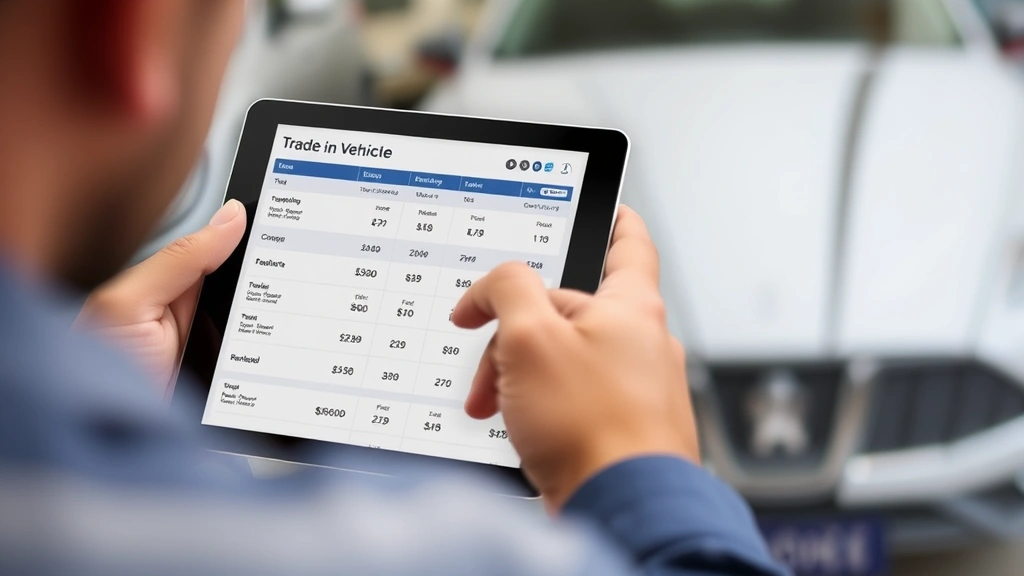
Here’s where you can catch a real break: if you’re trading in a vehicle, Utah allows you to deduct the trade-in value from the purchase price before calculating tax. This is called the trade-in allowance, and it can significantly reduce your tax liability. For instance, if you’re buying that $25,000 car but trading in a vehicle worth $8,000, you only pay sales tax on the net $17,000 difference. At 7.25%, that’s $1,232.50 instead of $1,812.50—a savings of $580. Make sure your trade-in is properly documented and valued fairly. Get multiple appraisals if you’re unsure about the value, because this directly impacts your bottom line. This is one of the most overlooked tax-saving strategies, and frankly, you’d be leaving money on the table if you don’t take advantage of it.
County and Local Tax Variations
Utah’s counties add their own sales tax on top of the state rate, and these vary across the state. Salt Lake County, home to the capital and largest population center, has a combined rate around 7.25%. But if you’re in Daggett County or Rich County in the northeast, your combined rate might be different. This variation matters if you’re near county lines—some savvy buyers have been known to make purchases in lower-tax counties when possible, though this only works if you actually take delivery there. The Utah State Tax Commission maintains current rates for all counties, so check their website before making your purchase. If you’re buying from a dealer, they’re required by law to charge the correct rate for your location, so you can’t negotiate around this one.

Exemptions and Special Cases
Not every vehicle purchase is subject to the full sales tax. Utah offers specific exemptions that you should know about. For example, vehicles purchased by nonprofit organizations, government agencies, and certain disabled individuals may qualify for exemptions or reduced rates. If you’re buying a vehicle for business purposes and plan to use it primarily for commercial operations, you might be eligible for a resale certificate that exempts you from sales tax (though you’d typically pay it when you register it). The key is documenting your exemption properly. Work with the Utah Division of Motor Vehicles or your tax professional to ensure you’re claiming everything you’re entitled to. Don’t assume you don’t qualify—it’s worth asking.
Timing Strategies to Lower Tax
While you can’t avoid sales tax on vehicles in Utah, timing your purchase strategically can help. End-of-month and end-of-quarter sales often come with better dealer discounts, which reduces the purchase price and therefore the tax you owe. A $2,000 discount on the vehicle price saves you about $145 in tax (at 7.25%), so those dealer incentives matter more than they might seem. Additionally, if you’re financing your vehicle, the interest you pay on a smaller loan amount (after the tax is calculated) is also reduced. Another consideration: if you’re purchasing a vehicle late in the year and expecting a significant income change or business loss, consult with a tax professional about whether timing affects your overall tax situation. For most people, this won’t matter, but for business owners and self-employed individuals, it’s worth a conversation.
Out-of-State Purchase Considerations
Some Utah residents think they can dodge sales tax by buying a vehicle in another state and bringing it back to Utah. This doesn’t work. Utah has a use tax that applies to vehicles purchased out of state and then registered in Utah. If you buy a car in Wyoming (which has no sales tax) and register it in Utah, you’ll owe Utah use tax on the purchase price. The rate is the same as the sales tax rate for your county. The only exception is if you paid sales tax in another state that’s equal to or greater than Utah’s rate—then you might get a credit, but you’d still owe the difference. This is similar to how other states handle out-of-state purchases. The Utah Division of Motor Vehicles will ask about the purchase location and price when you register, so don’t try to hide it. Honesty here keeps you compliant and avoids penalties down the road.
Payment and Registration Process
When you’re ready to register your vehicle in Utah, you’ll need to bring proof of purchase, proof of insurance, and payment for both registration fees and sales tax. The Division of Motor Vehicles calculates the exact amount based on the vehicle’s value and your county’s tax rate. You can pay in person at any DMV office, by mail, or increasingly, online through their portal. If you’re financing the vehicle through a dealer, they often handle the registration and tax payment as part of the deal, rolling it into your loan. Just make sure you review the paperwork carefully and verify the tax amount they’re charging matches what you calculated independently. Errors happen, and catching them before you sign saves hassle later. If you’re paying cash, you’ll handle it directly with the DMV, which is actually simpler—no middleman, no surprises.
Frequently Asked Questions
What is Utah’s vehicle sales tax rate?
Utah’s state sales tax is 4.85%, but the total rate you pay depends on your county. Combined state and local rates typically range from about 6% to 7.5% across the state. Salt Lake County, for example, has a combined rate of approximately 7.25%.
Can I avoid sales tax by buying out of state?
No. Utah charges a use tax on vehicles purchased out of state and registered in Utah. The rate is the same as the sales tax rate for your county. You cannot legally avoid this tax by purchasing elsewhere.
How much does a trade-in reduce my tax bill?
A trade-in reduces the taxable purchase price dollar-for-dollar. If you’re buying a $25,000 vehicle and trading in one worth $8,000, you pay tax only on the $17,000 difference. This can save you several hundred dollars depending on the trade-in value.
Do I pay sales tax on vehicle registration fees?
No. Registration fees and sales tax are separate charges. You pay both, but the sales tax applies only to the vehicle’s purchase price, not to registration or title fees.
What if I buy a vehicle as a business expense?
Business vehicles are still subject to sales tax at the point of purchase. However, you may be able to claim depreciation and other business deductions on your tax return. Consult a tax professional about your specific situation to maximize deductions.
Is there a way to reduce my vehicle sales tax legally?
Yes. Negotiate a lower purchase price (which reduces the tax base), maximize your trade-in value, and ensure you’re claiming any applicable exemptions. For those near county lines, purchasing in a lower-tax county is legal if you take delivery there.
Final Thoughts on Utah Vehicle Sales Tax
Understanding Utah vehicle sales tax puts you in control of one of the biggest expenses associated with buying a car. You can’t eliminate the tax, but you can be strategic about minimizing it through trade-ins, negotiating the purchase price, and understanding your county’s specific rate. Before you step into a dealership or contact a private seller, do your homework. Know your county’s combined tax rate, get your trade-in vehicle appraised, and calculate the exact tax you’ll owe. This knowledge gives you confidence and helps you spot if a dealer is trying to charge you more than you actually owe. If you’re also dealing with other tax matters in Utah, like understanding your Utah tax refund situation, consider talking to a tax professional who can help you see the full picture. For comparison, you might also want to understand how vehicle sales tax works in other states—for instance, auto sales tax in Alabama operates differently. The bottom line: a little preparation saves you real money when you’re buying a vehicle in Utah.


