

Understanding Vermont property tax is crucial if you own real estate in the Green Mountain State. Property taxes fund local schools, infrastructure, and services—but that doesn’t mean you can’t take smart steps to reduce what you owe. Whether you’re a longtime homeowner or new to Vermont, this guide walks you through practical strategies to lower your tax burden and keep more money in your pocket.
Table of Contents
- How Vermont Calculates Property Tax
- Claim Your Homestead Exemption
- Challenge Your Property Assessment
- Elderly & Disabled Tax Relief Programs
- Solar & Wind Energy Credits
- Agricultural Land Use Exemption
- Understanding the Appeal Process
- Common Mistakes to Avoid
- Frequently Asked Questions
- Final Thoughts
How Vermont Calculates Property Tax
Before you can lower your Vermont property tax bill, you need to understand how it’s calculated. Property taxes in Vermont are based on the fair market value of your property, multiplied by your town’s tax rate (mill rate). Each municipality sets its own mill rate, which is why a $400,000 home in Montpelier might have a different tax bill than an identical home in Rutland.
The Vermont Department of Taxes oversees the revaluation process. Most towns conduct full revaluations every 5 years, though some do it more frequently. Your assessed value is supposed to equal 100% of fair market value—at least in theory. In reality, assessment accuracy varies widely between towns, which is why many homeowners find they’re overpaying.
Your property tax bill = (Assessed Value ÷ 100) × Mill Rate. If your home is assessed at $350,000 and your town’s mill rate is 1.95%, you’d owe $6,825 annually (before any exemptions or credits). This is where those five tips come in handy.
Claim Your Homestead Exemption
Vermont’s homestead exemption is one of the most valuable tax breaks available to owner-occupied homeowners. This program reduces your property’s assessed value, which directly lowers your tax bill. If you own and occupy your home as your primary residence on April 1st of the tax year, you likely qualify.
The homestead exemption amount varies by town but typically ranges from $45,000 to $95,000 in assessed value reduction. In practical terms, if your town has a mill rate of 1.95%, a $75,000 exemption saves you roughly $1,462.50 per year. That’s real money.
To claim the exemption, you must file a Homestead Declaration with your town assessor. This is a one-time filing (unless you move or change your primary residence), but you need to do it before the April 1st deadline for that tax year. Many homeowners miss this deadline simply because they don’t know it exists. Don’t be one of them—contact your town assessor’s office in March to confirm your filing status.
If you’ve owned your home for years but never filed a Homestead Declaration, you may be able to file retroactively and claim back taxes. Some towns allow this; others don’t. It’s worth asking your assessor about the possibility of recovering those funds.
Challenge Your Property Assessment
Your property’s assessed value is the foundation of your tax bill. If that assessment is inflated, everything built on top of it costs you extra money. The good news: you have the right to challenge it.

Start by obtaining your property’s assessment card from your town assessor. Review it carefully. Does it accurately reflect your home’s square footage, lot size, condition, and features? Assessors sometimes make mistakes—they might overestimate your home’s condition, miss a roof that needs replacement, or incorrectly categorize your property type.
Common assessment errors include:
- Inflated square footage (especially in older homes where records are incomplete)
- Failure to account for deferred maintenance or structural issues
- Incorrect land acreage or lot size
- Overvaluation compared to recent comparable sales
- Missing adjustments for location or neighborhood decline
If you find errors, request an informal review with your assessor first. Bring documentation: recent appraisals, inspection reports, photos of needed repairs, or comparable sales data from your area. Many assessors will adjust values when presented with solid evidence.
If informal review doesn’t work, you can file a formal appeal. Vermont allows property owners to appeal assessments within specific timeframes (usually 45 days after the town issues the grand list). The appeals process varies by town—some use a Board of Civil Authority, others use a Professional Hearing Officer. Filing costs are minimal, and you don’t need a lawyer (though some people hire one for high-value properties).
Elderly & Disabled Tax Relief Programs
Vermont offers several tax relief programs specifically for seniors and disabled homeowners. If you’re 65 or older, own your home, and meet income limits, you may qualify for property tax relief.
The Homestead Property Tax Credit is Vermont’s primary relief program. It’s a refundable tax credit based on your household income and property taxes paid. The amount varies, but eligible homeowners can receive $50 to $1,500+ in annual relief. Income limits apply: you must have Vermont household income under $65,000 (as of 2024) to qualify. Even if you don’t owe Vermont income tax, you can claim this credit.
There’s also the Elderly Homeowners’ Tax Allowance for those 65+. This program reduces your property tax bill directly if you meet income and asset limits. The benefit amount depends on your income level and ranges from modest reductions to substantial savings.
If you’re permanently disabled, you may qualify for a property tax exemption on your primary residence. The amount varies by town but can be significant—sometimes $50,000 or more in assessed value reduction.
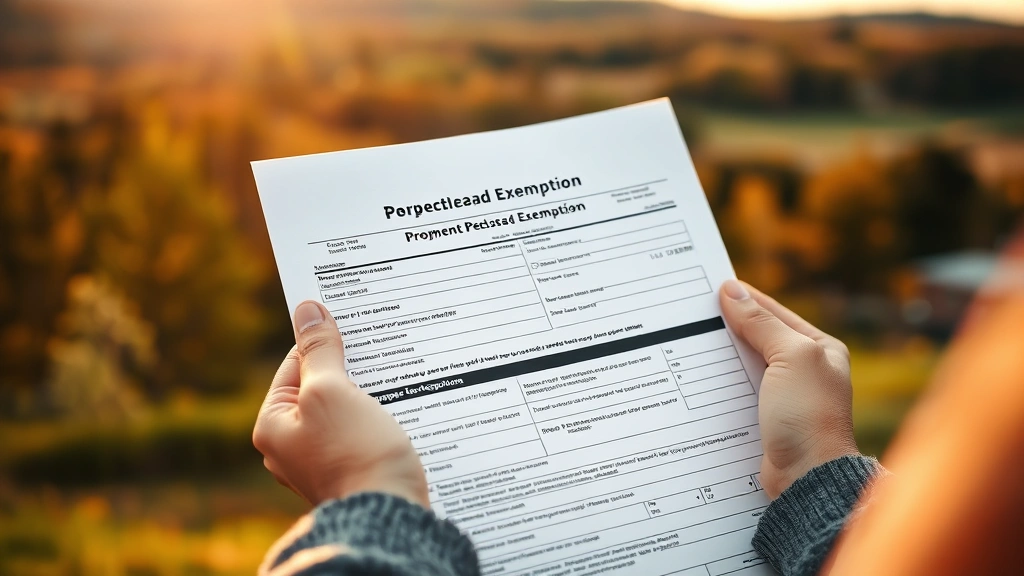
To explore these programs, contact your town assessor or visit the Vermont Department of Taxes website. Many seniors don’t claim these benefits simply because they don’t know about them. If you’re over 65 or disabled, it’s absolutely worth investigating.
Solar & Wind Energy Credits
Vermont strongly incentivizes renewable energy. If you install solar panels, a wind turbine, or other renewable energy systems on your property, you may qualify for significant property tax reductions.
The state offers a Renewable Energy Property Tax Credit that reduces your property tax bill for residential renewable energy systems. The credit is substantial—potentially reducing your taxes by thousands of dollars over the system’s lifespan. For example, a $20,000 solar installation might reduce your assessed property value by $15,000 or more, depending on the system’s efficiency and your town’s policies.
Some towns also offer local property tax exemptions for renewable energy systems, which can stack on top of the state credit. These programs recognize that renewable energy systems benefit the community through reduced grid demand and environmental benefits.
To claim the credit, you’ll need documentation of your system’s installation cost and specifications. Work with your installer—they’re usually familiar with the process. Then file the appropriate forms with your town assessor and the Vermont Department of Taxes.
If you’re considering solar or wind, factor in these tax savings when calculating your return on investment. They often make renewable energy projects much more financially attractive than the upfront costs suggest.
Agricultural Land Use Exemption
If you own agricultural land in Vermont, you may qualify for significant tax savings through the Use Value Appraisal Program. This program taxes farmland based on its agricultural use value rather than its fair market value (which might be much higher if developers are interested in the land).
The difference can be dramatic. A 50-acre parcel worth $500,000 as potential development land might be assessed at only $150,000 under use value appraisal—saving you thousands in annual taxes. The program protects Vermont’s agricultural heritage while giving farmers a break on taxes.
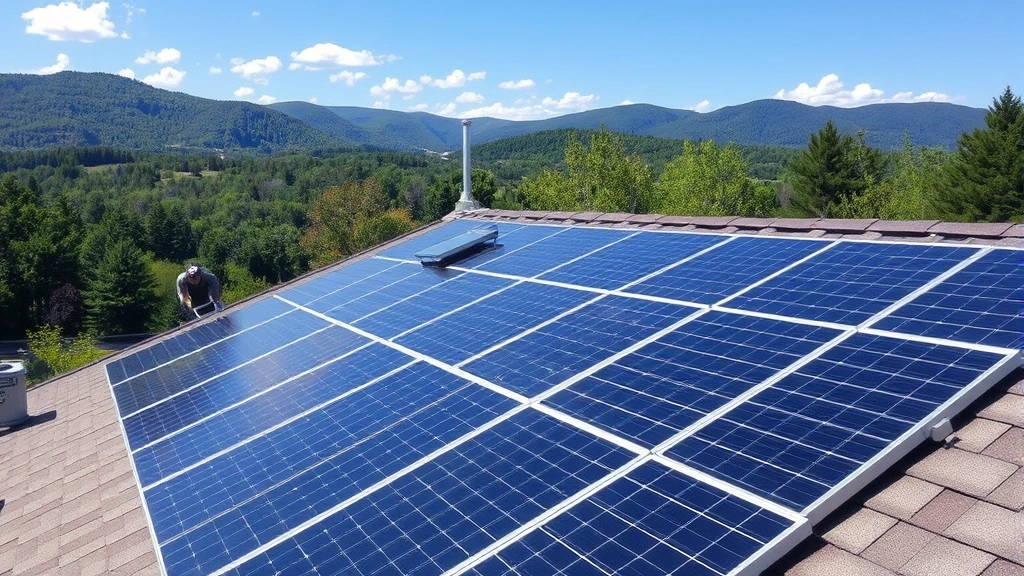
To qualify, your land must be actively farmed (crops, livestock, forestry, or other agricultural use), and you must have owned it for at least one year. You’ll need to file an application with your town assessor and provide documentation of your agricultural operations and income.
Keep in mind: if you later convert the land to non-agricultural use or sell it for development, you may owe back taxes and penalties. The state wants to ensure the program is used for genuine agricultural purposes. But if you’re a working farmer or forester, this program can provide meaningful tax relief.
Understanding the Appeal Process
Vermont’s property tax appeal process is designed to be accessible to homeowners without requiring a lawyer. Here’s how it works:
Step 1: Informal Review – Start by requesting an informal review from your town assessor. Bring evidence supporting a lower value: recent appraisals, repair estimates, comparable sales, or assessment errors. Many disputes are resolved at this stage.
Step 2: File a Formal Appeal – If informal review doesn’t resolve the issue, file a formal appeal within 45 days of the grand list publication date. Your town will tell you the deadline. You’ll need to file with the appropriate board (Board of Civil Authority or Professional Hearing Officer, depending on your town).
Step 3: Hearing – You’ll have an opportunity to present your case. Bring documentation, photos, repair estimates, or comparable sales data. Explain clearly why you believe your assessment is too high. You don’t need a lawyer, though complex cases sometimes benefit from professional representation.
Step 4: Decision – The board or hearing officer will issue a decision. If you disagree, you can appeal to Vermont Superior Court, though this is rare and involves legal costs.
The entire process typically takes 2-4 months. Filing fees are minimal ($25-$50 in most towns). If you win your appeal and your assessment is reduced, the new value applies to future tax bills.

Common Mistakes to Avoid
After helping countless Vermont homeowners navigate property tax issues, I’ve seen predictable patterns. Here are the mistakes that cost people the most money:
Missing the Homestead Declaration Deadline – This is the biggest one. April 1st comes every year. If you miss it, you lose a year’s exemption. Mark your calendar in February.
Not Reviewing Your Assessment Card – Many homeowners never look at their assessment. They just pay the bill. But assessment errors are common, and you can’t challenge what you don’t know about. Request your card from your assessor and review it thoroughly.
Assuming Your Assessment Is Correct – Just because the town assessed your home at a certain value doesn’t mean it’s right. Towns use different methods, and assessors are human. If comparable homes in your neighborhood sold for less than your assessed value, you have grounds for an appeal.
Giving Up After Informal Review – Some homeowners ask their assessor for a review, get rejected, and assume they’re stuck. But formal appeals are your right. Don’t give up without using the full process.
Forgetting About Tax Credits – The Homestead Property Tax Credit and other relief programs are underutilized. Many eligible homeowners never claim them because they don’t know they exist. Check the Vermont Department of Taxes website annually.
Not Considering Related State Tax Issues – If you’re dealing with property taxes, you might also benefit from understanding other Vermont tax situations. For instance, if you have unfiled tax returns, resolving those could affect your eligibility for certain credits. Similarly, understanding capital gains tax implications matters if you’re planning to sell your property, and knowing about neighboring state tax policies can help you understand Vermont’s comparative advantages.
Frequently Asked Questions
What is Vermont’s average property tax rate?
Vermont’s average effective property tax rate is approximately 1.90% of property value, though this varies significantly by town. Some towns have mill rates around 1.2%, while others exceed 2.5%. Your specific rate depends on your municipality’s tax base and spending needs.
Can I appeal my property tax assessment multiple times?
Yes, you can appeal your assessment each year if you believe it’s incorrect. However, you must follow the appeal timeline (usually within 45 days of the grand list publication). Repeated appeals without new evidence are unlikely to succeed, but if market conditions change or you make significant home improvements (or repairs), you have valid grounds for a new appeal.
How long does a property tax appeal take in Vermont?
Most appeals are resolved within 2-4 months. The timeline depends on your town’s process and hearing officer availability. Some towns are faster than others. Contact your town assessor for a specific estimate based on current backlog.
Do Vermont property taxes increase automatically each year?
Not automatically, but they often do. Your bill increases if your town’s mill rate increases, if your property is revalued at a higher amount, or if you lose an exemption. Some years, bills stay flat or decrease if property values decline or town spending is reduced.
What happens if I don’t pay my Vermont property tax bill?
If you don’t pay by the deadline, penalties and interest accrue. After 1-2 years of non-payment (depending on your town), the town may place a lien on your property or initiate foreclosure proceedings. If you’re struggling to pay, contact your town treasurer immediately to discuss payment plans or possible relief programs.
Are there property tax exemptions for veterans in Vermont?
Vermont does not currently offer a statewide property tax exemption for veterans, though some individual towns may have local programs. Check with your town assessor about local veteran benefits. However, disabled veterans may qualify for the disabled homeowners’ exemption if they meet criteria.
Final Thoughts
Your Vermont property tax bill doesn’t have to be a fixed expense you simply accept. By understanding how property taxes work, claiming available exemptions and credits, and challenging assessments when warranted, you can meaningfully reduce what you owe. The five strategies covered here—homestead exemptions, assessment appeals, elderly/disabled relief programs, renewable energy credits, and agricultural exemptions—can save you hundreds or thousands of dollars annually.
Start with the easiest wins: if you haven’t filed a Homestead Declaration, do it immediately. If you haven’t reviewed your assessment card, request it from your town assessor. Then evaluate whether you qualify for any other programs based on your age, disability status, or property type.
Property tax management is an ongoing process, not a one-time task. Revisit your situation annually, especially around the April 1st Homestead Declaration deadline. The effort you invest in understanding your Vermont property tax situation pays real dividends—and keeps money in your pocket where it belongs.


