

If you live in the Village of Hempstead taxes can feel like one of your biggest annual expenses—and you’re not alone in feeling that way. Located in Nassau County on Long Island, New York, Hempstead residents face property taxes that rank among the highest in the nation. But here’s the good news: understanding how these taxes work and knowing your options can help you reduce what you owe.
Table of Contents
Understanding Hempstead Tax Structure
The Village of Hempstead operates under New York’s complex property tax system, which combines village, town, and school district levies. Your annual property tax bill isn’t just one number—it’s actually several taxes bundled together. The village portion funds local services like police, sanitation, and road maintenance. Understanding this breakdown is your first step toward strategic tax planning.
What makes Hempstead unique is its dense residential population and the aging infrastructure that comes with it. These factors drive up the services needed and, consequently, the taxes required to fund them. Nassau County as a whole has some of the nation’s highest property tax burdens, and Hempstead sits right in that spotlight.
Property Tax Rates and Assessment
Hempstead’s effective property tax rate hovers around 1.5% to 1.7% of assessed home value annually, though this varies by specific location within the village. To calculate your estimated tax, you’ll need your home’s assessed value (not market value) multiplied by the tax rate. The assessed value is typically 50-60% of your property’s market value, which is why your tax bill might seem lower than you’d expect based on purchase price.
The village reassesses properties periodically, though Nassau County uses a fractional assessment system. This means not all properties are assessed at the same percentage of market value, which can create inequities. If you believe your assessment is disproportionately high compared to similar homes in your neighborhood, you have grounds to file a grievance—more on that later.
How Property Assessment Works
The Nassau County Assessor’s office determines assessed values, not the Village of Hempstead directly. Assessors use comparable sales data, property condition, and location to establish values. They typically reassess properties every few years, though some properties may go longer between official reassessments.
Your assessment notice arrives in early summer. It lists your property’s assessed value and estimated tax. If you haven’t received one, contact the Nassau County Assessor’s office directly. Understanding your assessment is crucial because it’s the foundation of your entire tax bill. A $50,000 difference in assessed value could mean $750-$850 in additional annual taxes.

Tax Exemptions You May Qualify For
New York State offers several property tax exemptions that Hempstead residents can claim. The most common include:
- STAR (School Tax Relief) Program: This is the big one. STAR provides exemptions for primary residences, with amounts ranging from $30,000 to $70,000 depending on income level. Enhanced STAR applies to seniors and disabled individuals with income under $91,100.
- Clergy Exemption: Religious leaders may qualify for exemptions on their primary residences.
- Disabled Persons Exemption: Those with service-connected disabilities rated by the VA may qualify.
- Veterans’ Exemptions: Disabled veterans and their surviving spouses may receive exemptions.
The STAR program is where most homeowners find relief. If you haven’t applied, you’re leaving money on the table. Applications are processed through the New York Department of Taxation and Finance, and once approved, the exemption reduces your assessed value directly.
Senior Citizen Property Tax Benefits
If you’re 65 or older and own your primary residence in Hempstead, you have access to enhanced tax relief programs. Enhanced STAR provides significantly larger exemptions than standard STAR, potentially reducing your tax bill by 50% or more depending on income.
Additionally, New York offers a Property Tax Freeze for seniors who meet income and age requirements. If your property taxes increased from one year to the next, this program can freeze your bill at the prior year’s amount. You must apply annually, but the savings compound over time. For a senior on a fixed income, this program can be genuinely life-changing.
Don’t overlook the Homeowners’ Exemption for seniors either. This exemption can reduce your assessed value by 5-15%, depending on your specific circumstances and income level. The Village of Hempstead Assessor’s office can walk you through eligibility.
Proven Strategies to Lower Your Bill
Beyond exemptions, several strategies can legitimately reduce your Hempstead tax burden:
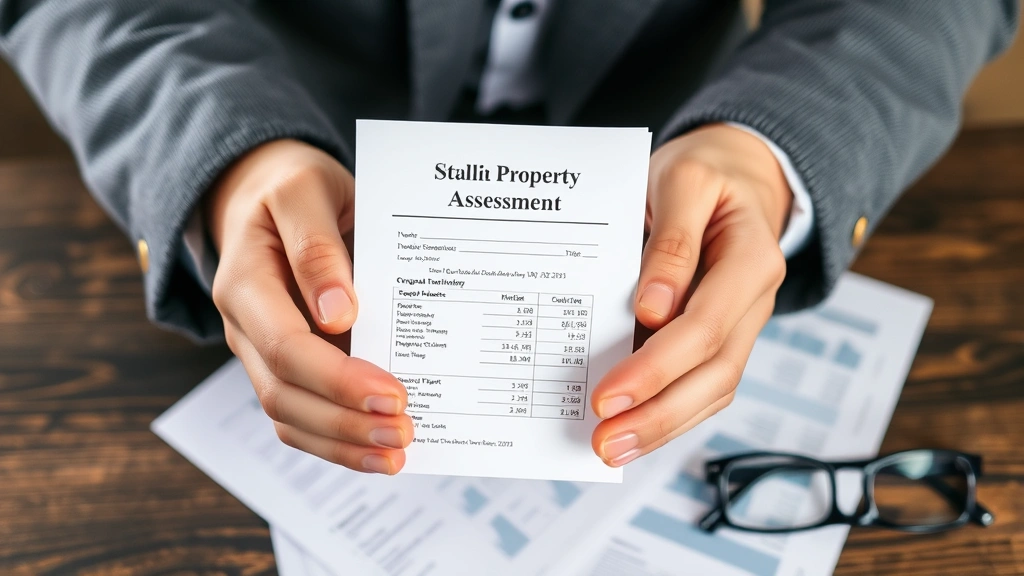
1. Challenge Your Assessment
This is the most direct approach. If comparable homes in your neighborhood have lower assessed values, you have grounds for a grievance. Hire a professional assessor to evaluate your property and prepare documentation. The cost ($300-$800) often pays for itself within one year if successful.
2. Appeal the Tax Assessment
File a formal grievance during the grievance period (typically March-May). You’ll need evidence: recent appraisals, comparable sales, property condition documentation, and photographs. The town assessor reviews your submission and may adjust your assessment downward.
3. Understand ad valorem tax principles
Ad valorem taxes (taxes based on property value) are what you’re paying. Knowing how assessors calculate these values helps you identify assessment errors and inequities.
4. Explore Tax Increment Reinvestment Zones
Some municipalities use tax increment reinvestment zones for development incentives. While Hempstead’s use is limited, staying informed about local tax policies helps you spot opportunities.
5. Consider Energy Efficiency Credits
New York offers property tax credits for energy-efficient upgrades. If you’ve installed solar panels, geothermal systems, or made significant efficiency improvements, you may qualify for credits that directly reduce your tax bill.
6. Use a Mortgage Tax Calculator
Understanding your full tax burden—including how mortgage interest deductions interact with property taxes—helps with overall financial planning. Tools like mortgage tax calculators break down these components clearly.

Filing a Tax Grievance
The grievance process is your legal mechanism for challenging an unfair assessment. Here’s how it works:
Step 1: Review Your Assessment Notice
When you receive your notice in June, check it carefully. Does the property description match your home? Are square footage and lot size accurate? Errors here are your easiest wins.
Step 2: Gather Evidence
Collect comparable sales of similar homes in your neighborhood sold within the last 6-12 months. Document property condition issues (foundation problems, roof age, outdated systems). Take photographs and get a professional appraisal if warranted.
Step 3: File During Grievance Period
The window is tight—typically March through May. Miss this deadline and you’ve lost your opportunity for that year. File with the Nassau County Assessor’s office, not the Village of Hempstead.
Step 4: Attend the Hearing
You’ll be assigned a hearing date with an assessor. Present your evidence clearly and calmly. Bring your comparable sales data and any professional appraisals. Don’t be intimidated—assessors review hundreds of grievances annually and expect homeowners to challenge assessments they believe are unfair.
Step 5: Appeal if Necessary
If you disagree with the assessor’s decision, you can appeal to the State Supreme Court, though this requires legal representation and is expensive. Most grievances are resolved at the assessor level.

Understanding School District Taxes
Here’s a reality check: school district taxes typically comprise 40-50% of your total property tax bill in Hempstead. The village portion is actually the smaller piece. This matters because school budgets are voted on separately, and you have a voice in those decisions.
Attend school board meetings and budget hearings. Vote on budget proposals. Advocate for fiscal responsibility. While you can’t opt out of school taxes (even without children in school), you can participate in the democratic process that determines spending levels. Some residents successfully lobby for budget restraint, which directly impacts tax growth rates.
The Hempstead Union Free School District and other local school districts in the area have varying tax rates. If you’re considering a move within Nassau County, comparing school district tax rates is legitimate financial planning—not all districts tax equally.
Frequently Asked Questions
What’s the average property tax bill in Hempstead?
The average property tax bill for a median-priced home ($400,000-$500,000) ranges from $6,000-$8,500 annually, though this varies significantly by exact location and assessed value. Your specific bill depends on your assessed value and the combined tax rate for your particular tax district.
Can I deduct Hempstead property taxes on my federal return?
Yes, but with limitations. The federal Tax Cuts and Jobs Act capped the state and local tax (SALT) deduction at $10,000 annually. If your property taxes, income taxes, and sales taxes combined exceed $10,000, you can only deduct $10,000 total. Many Hempstead homeowners hit this cap.
When is the grievance period for Hempstead?
The grievance period typically runs from March 1 through May 31 each year. Exact dates are published by the Nassau County Assessor’s office. Mark your calendar—missing this deadline costs you a full year of potential tax relief.
What’s the difference between assessed value and market value?
Assessed value is what the assessor determines your property is worth for tax purposes (typically 50-60% of market value). Market value is what your home would sell for in the current market. Taxes are based on assessed value, not market value, which is why your tax bill might be lower than you’d expect based on purchase price.
Do I need to hire a professional to file a grievance?
You can file alone, but hiring a professional assessor or property tax attorney increases your success rate significantly. Costs typically range from $300-$1,000, but savings often exceed this within the first year. If your home is worth $400,000+, professional help is usually worth the investment.
How often are properties reassessed in Hempstead?
Nassau County reassesses properties periodically, but the exact schedule varies. Some properties may not be reassessed for 5-10 years. You can request a reassessment if you believe your property has been undervalued compared to the market, though this is a risky strategy if your actual value has increased significantly.
Are there tax breaks for energy-efficient homes?
Yes. New York offers property tax credits for solar installations, geothermal systems, and other renewable energy improvements. You must apply through the New York Department of Taxation and Finance. Check eligibility requirements carefully—not all upgrades qualify.
Final Thoughts on Hempstead Taxes
Village of Hempstead taxes are high—that’s not going to change. But your tax bill doesn’t have to be a fixed number. Between STAR exemptions, grievance processes, senior programs, and energy efficiency credits, there are legitimate ways to reduce what you owe. Start by ensuring you’re claiming every exemption available to you. Then, if your assessment seems unfair compared to similar properties, file a grievance. These two actions alone could save you hundreds or thousands of dollars annually.
The key is taking action. Your municipality isn’t going to call you and suggest ways to lower your taxes. That’s on you. Spend a few hours understanding your assessment, gathering comparable sales data, and filing a grievance if warranted. For most homeowners, this effort pays dividends year after year. And if you’re a senior, explore Enhanced STAR and the Property Tax Freeze immediately—these programs exist specifically to help you manage housing costs on a fixed income.
Finally, stay informed about local tax policy changes. School board budgets, village spending decisions, and state tax law changes affect your bill. The more you understand about how these systems work, the better equipped you are to make smart financial decisions about your home and your taxes. Consider exploring resources like Kane County Taxes for comparative tax analysis in other regions, or How Much is Sales Tax in NC to understand how different states approach taxation differently.


